
Freightliner Conventional Daycab Trucks For Sale in Florida
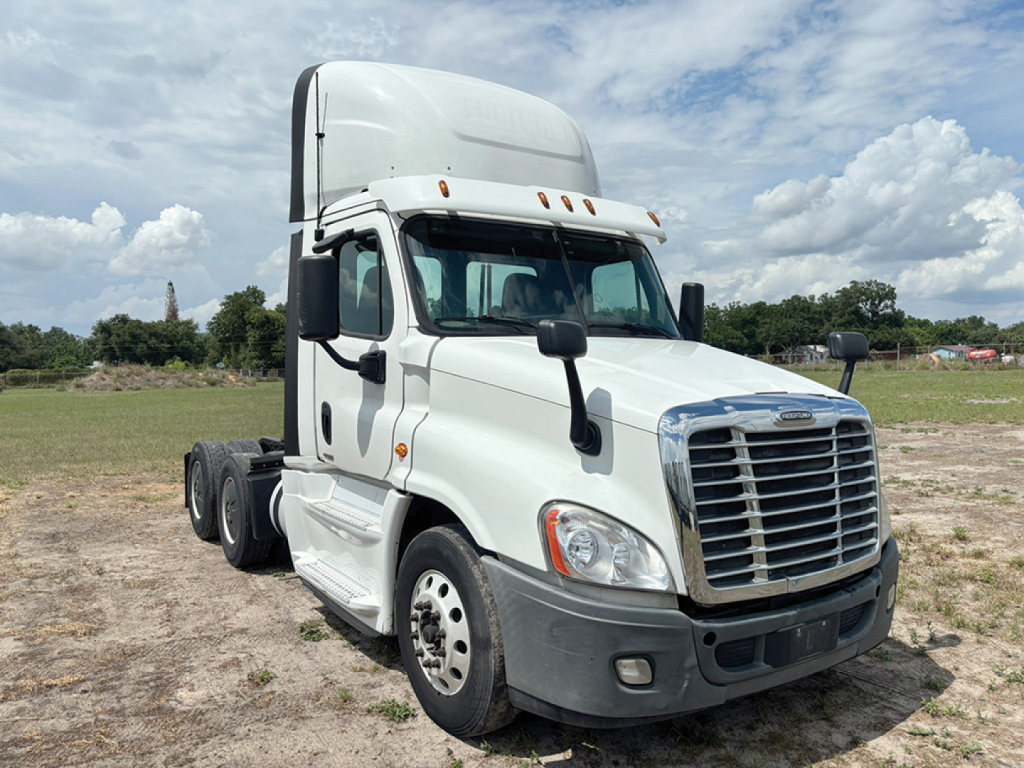
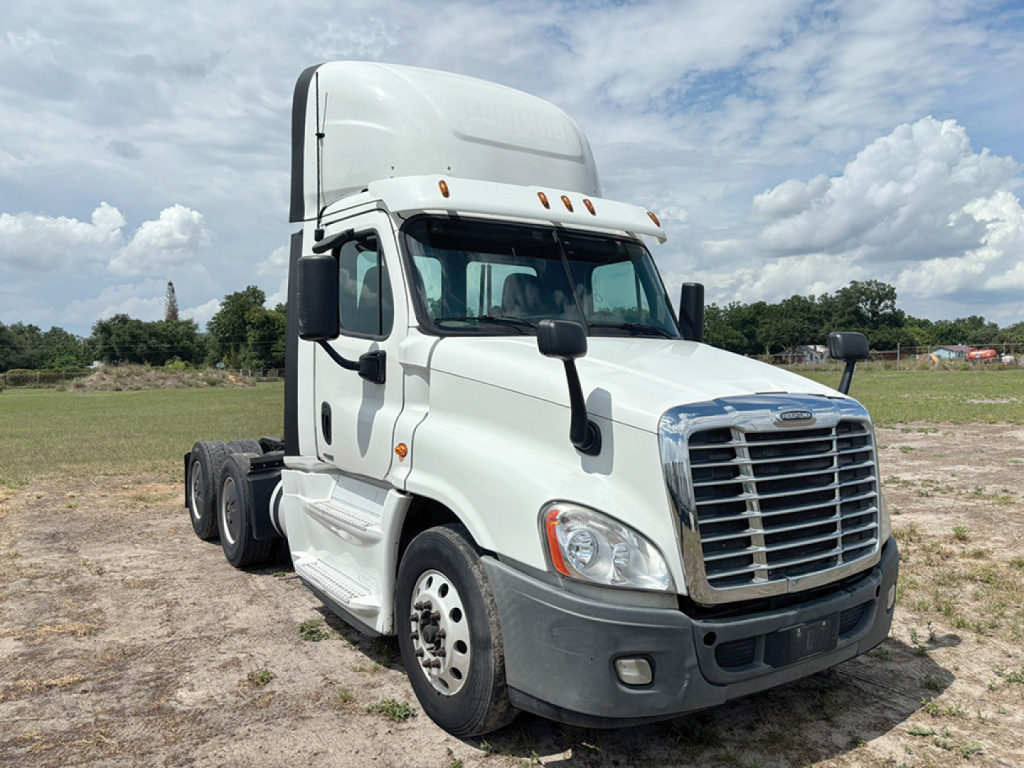
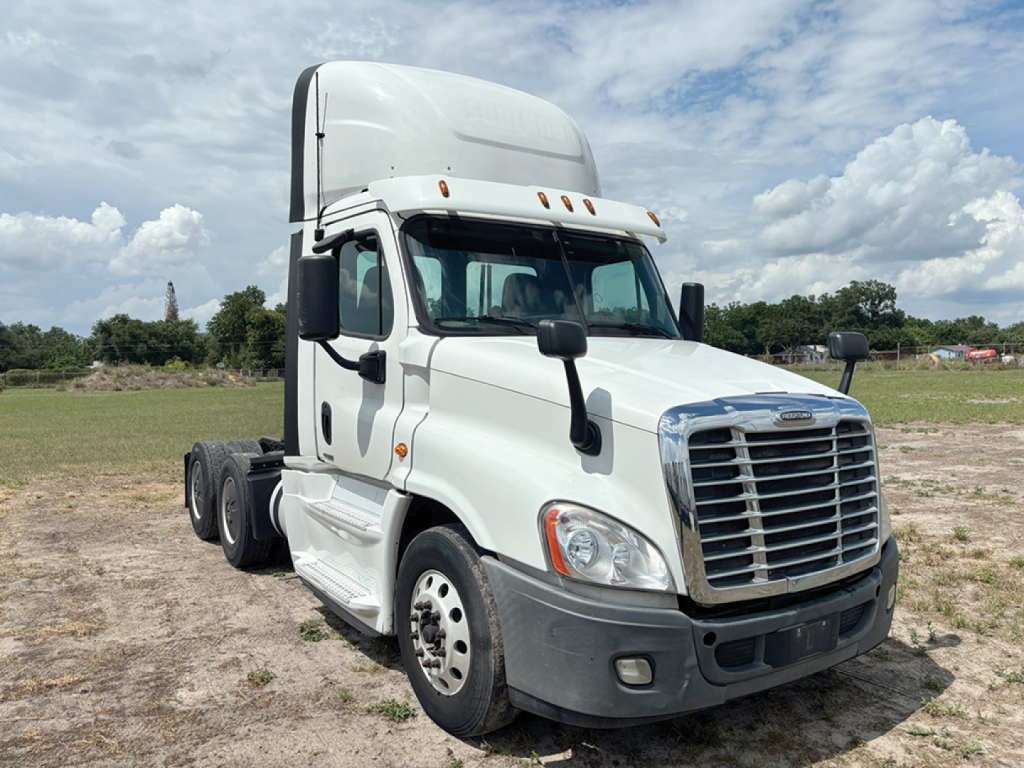
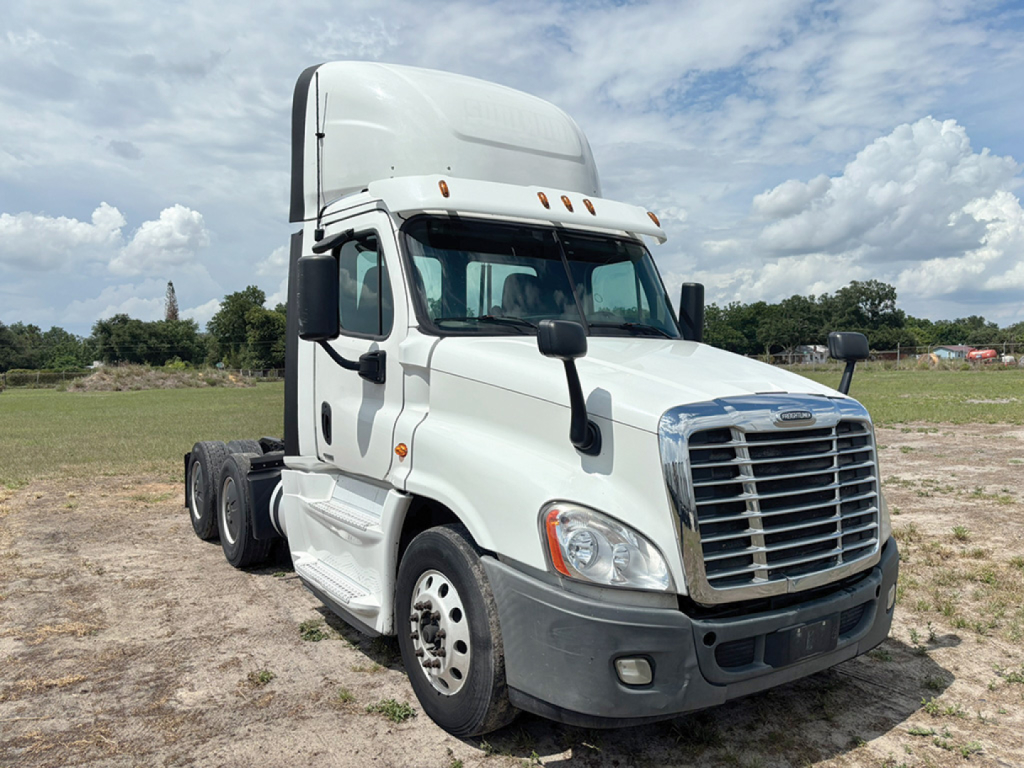

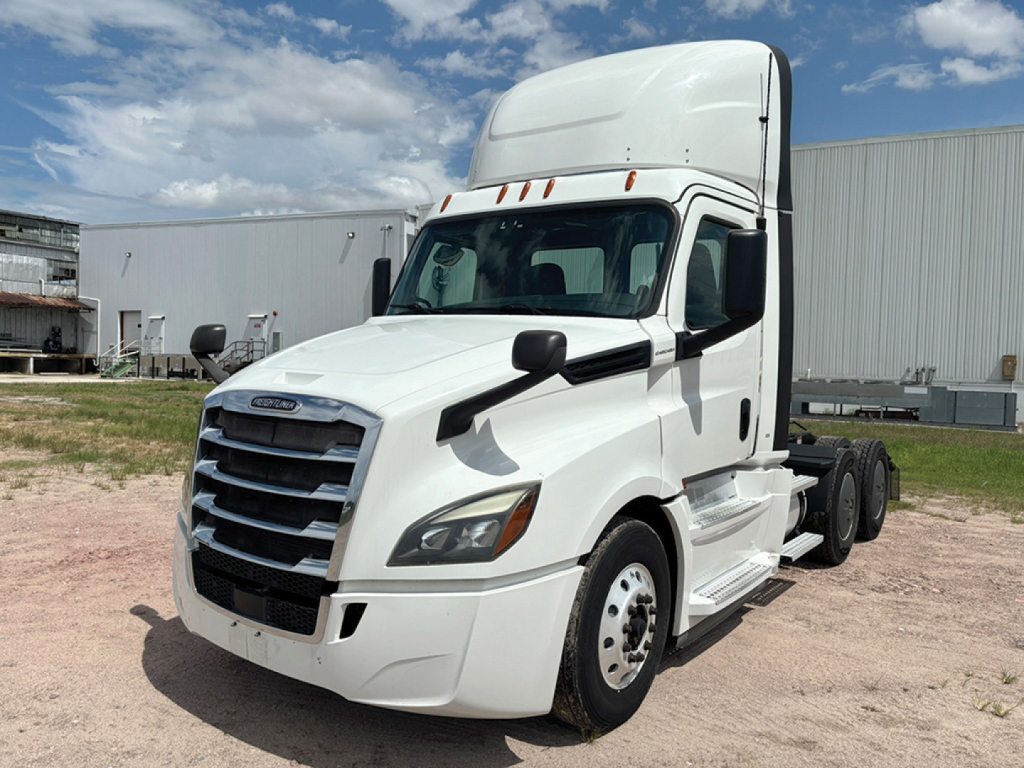
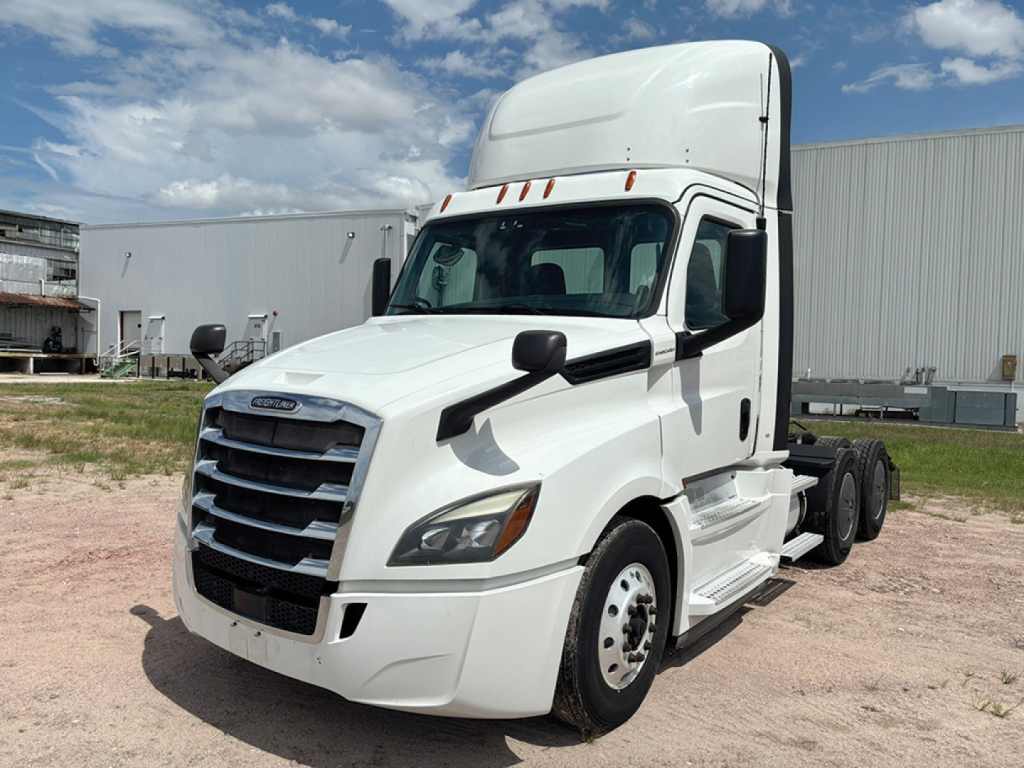
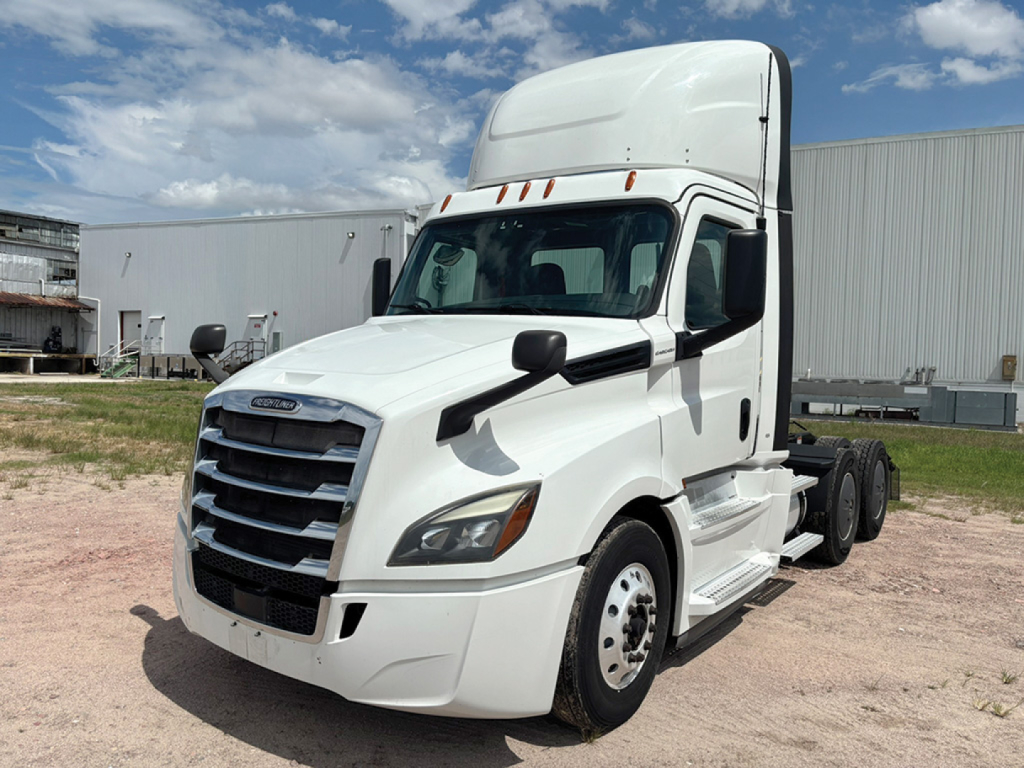
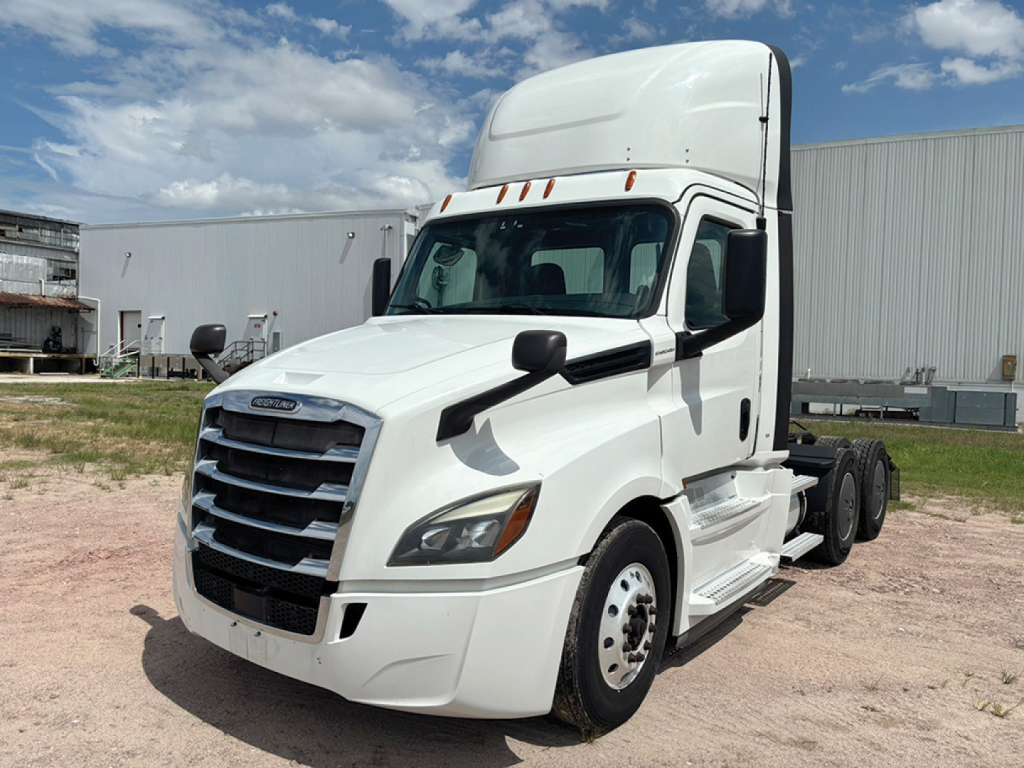
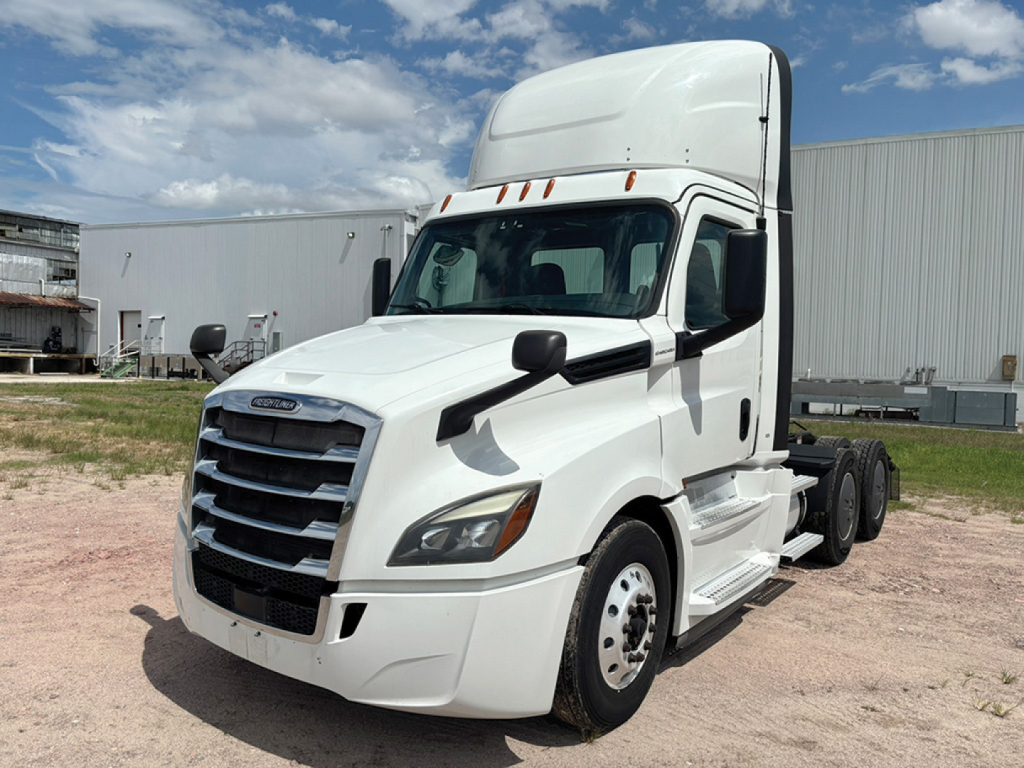
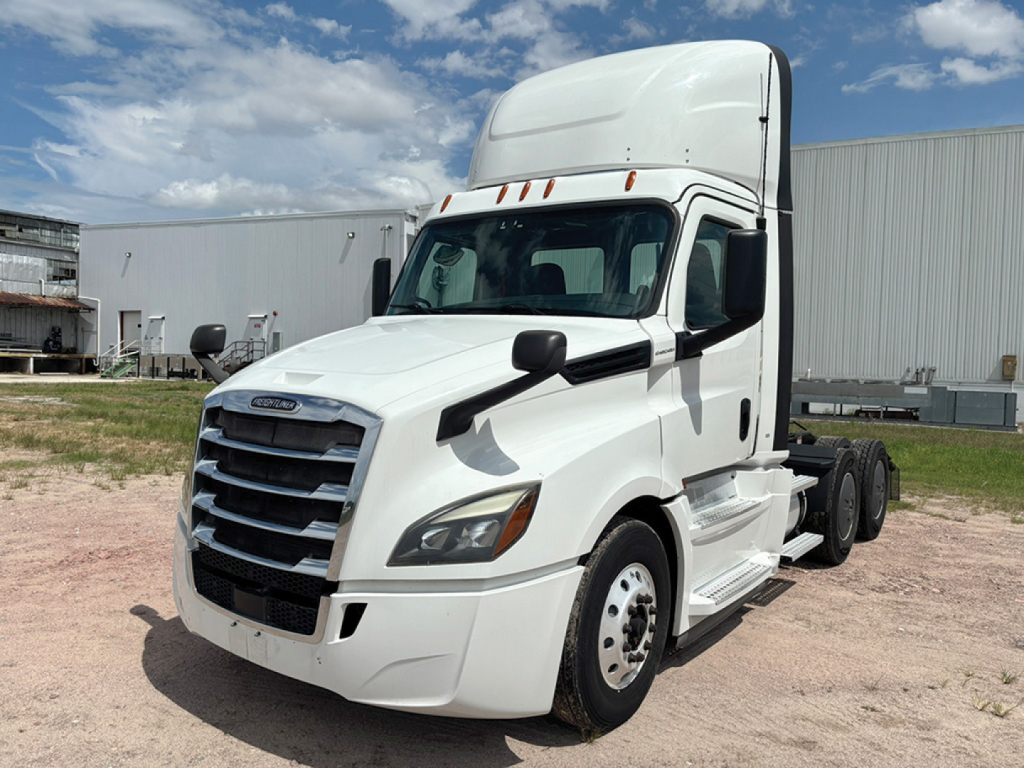
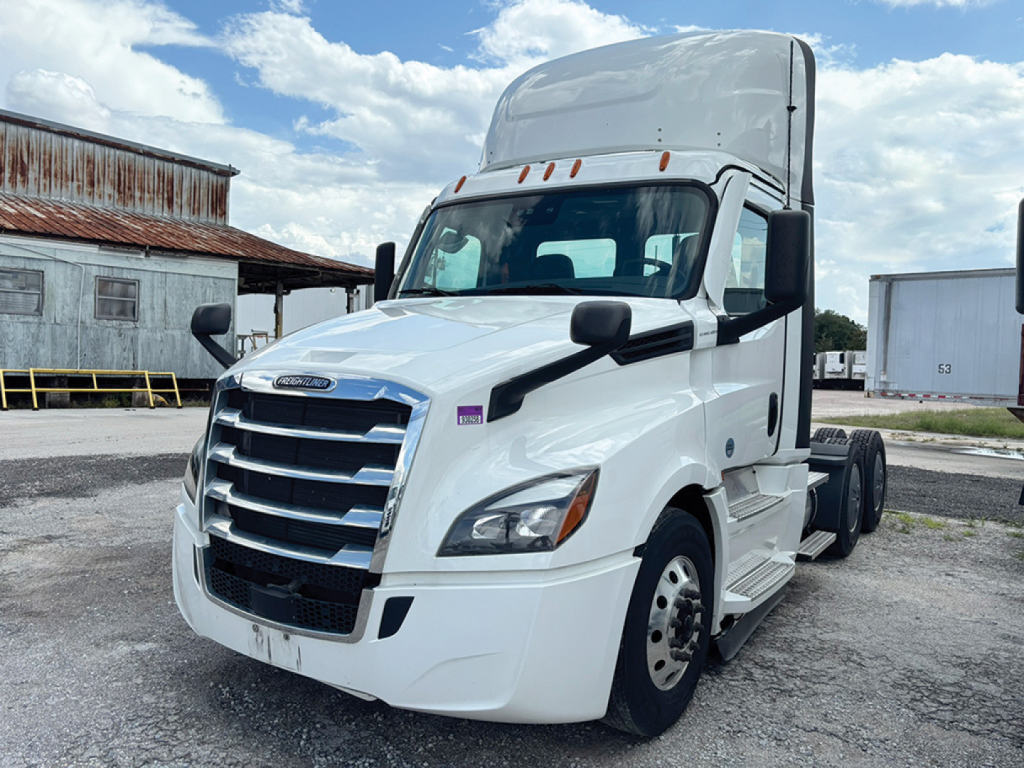
Have freightliner conventional daycab truck to sell? List it here to reach thousands of buyers.
Freightliner Conventional Daycab Trucks in Florida
Freightliner daycabs cover a wide range of spec levels, from older Century Class and Columbia models to newer fleet-oriented platforms. Common engine choices in used units include Detroit Diesel platforms such as the Series 60 and 12.7-liter engines, often paired with Eaton Fuller 10-speed manual transmissions. Horsepower in this category frequently lands in the mid-400 range, with 40,000 lb rear axles and air ride suspension being common for general freight and regional tractor duty. Wheelbase matters more than many buyers expect. A shorter wheelbase, such as around 174 inches, improves turning radius for yard, port, and city work. A longer wheelbase can improve ride quality and allow for larger fuel capacity, battery box placement, or different fifth wheel setups.
The right rear axle ratio depends on the lane and the load. A faster ratio like 2.64 favors highway speed and fuel economy in lighter or steady-speed applications. A deeper ratio like 3.70 is better suited to heavier starts, slower routes, and jobs with more frequent acceleration. In Florida, where flat terrain helps highway gearing, many buyers still need to balance speed against startability when pulling containers, running construction routes, or operating in urban traffic. It is also worth checking for practical spec items such as engine brake, air slide fifth wheel, dual fuel tanks, tire size, aluminum versus steel wheels, brake condition, and whether the truck has disc wheels, air conditioning, and power features. These details affect both operating cost and driver acceptance.
Condition matters as much as brand and drivetrain on a used Freightliner conventional daycab. Pay close attention to frame condition, suspension wear, steering play, clutch life, turbo response, cooling system health, and any signs of oil or coolant contamination. On glider-kit trucks, verify how the chassis, engine, and drivetrain were assembled and titled, and make sure emissions and registration requirements fit your operation. Freightliner remains a strong choice in this category because parts support is broad, service knowledge is easy to find, and the trucks are familiar to most fleets and owner-operators. For buyers comparing multiple listings, the best value usually comes from matching the wheelbase, gearing, axle spec, and engine-transmission combination to the actual job instead of buying on horsepower alone.
Frequently Asked Questions about Freightliner Conventional Daycab Trucks in Florida
What is a Freightliner conventional daycab truck used for?
A Freightliner conventional daycab is used for local and regional tractor work where the driver returns daily and does not need a sleeper. Common applications include container hauling, dry van, flatbed, dump transfer, municipal work, dedicated routes, and short-haul freight. The conventional hood design provides easier engine access for service, while the daycab layout reduces weight and keeps the truck more maneuverable in tighter operating environments.
What specs matter most when buying a used Freightliner daycab?
The most important specs are engine, transmission, rear axle ratio, axle ratings, wheelbase, suspension type, and fifth wheel setup. Those specs determine how the truck starts under load, cruises at speed, turns in confined areas, and handles trailer combinations. Buyers should also review fuel tank capacity, tire size, brake condition, maintenance history, and comfort features such as air conditioning, cruise control, and steering adjustment because those affect daily operating cost and driver retention.
Is a 10-speed manual a good transmission for a Freightliner daycab?
A 10-speed manual is a common and proven choice for Freightliner daycab trucks, especially in regional hauling and vocational-style tractor service. It offers durability, broad service familiarity, and good control in mixed operating conditions. The right match still depends on engine torque, rear axle ratio, gross weight, and route profile. For stop-and-go urban work or fleets with a wider driver pool, some buyers may prefer an automated manual, but a well-maintained 10-speed remains a strong option in the used market.
How do I choose the right rear axle ratio for a Freightliner daycab?
Rear axle ratio should match the truck's load profile and average road speed. A lower numerical ratio such as 2.64 typically supports better highway fuel economy and lower engine rpm at cruise, which works well for lighter or steady-speed regional applications. A higher numerical ratio such as 3.70 improves startability and pulling power for heavier loads, frequent stops, or lower-speed work. The best choice depends on engine torque, transmission gearing, tire size, and how often the truck will operate fully loaded.
Are older Freightliner Columbia and Century Class daycabs still good fleet trucks?
Older Freightliner Columbia and Century Class daycabs can still be productive trucks if the chassis and drivetrain have been maintained properly. Many buyers like them for their straightforward design, widespread parts availability, and familiarity with Detroit Diesel engines such as the Series 60 or 12.7-liter platforms. The key is to inspect the truck closely for frame corrosion, wiring condition, suspension wear, engine health, and overall maintenance quality rather than judging the unit by age alone.