
2016 Freightliner Conventional Daycab Trucks For Sale in Florida
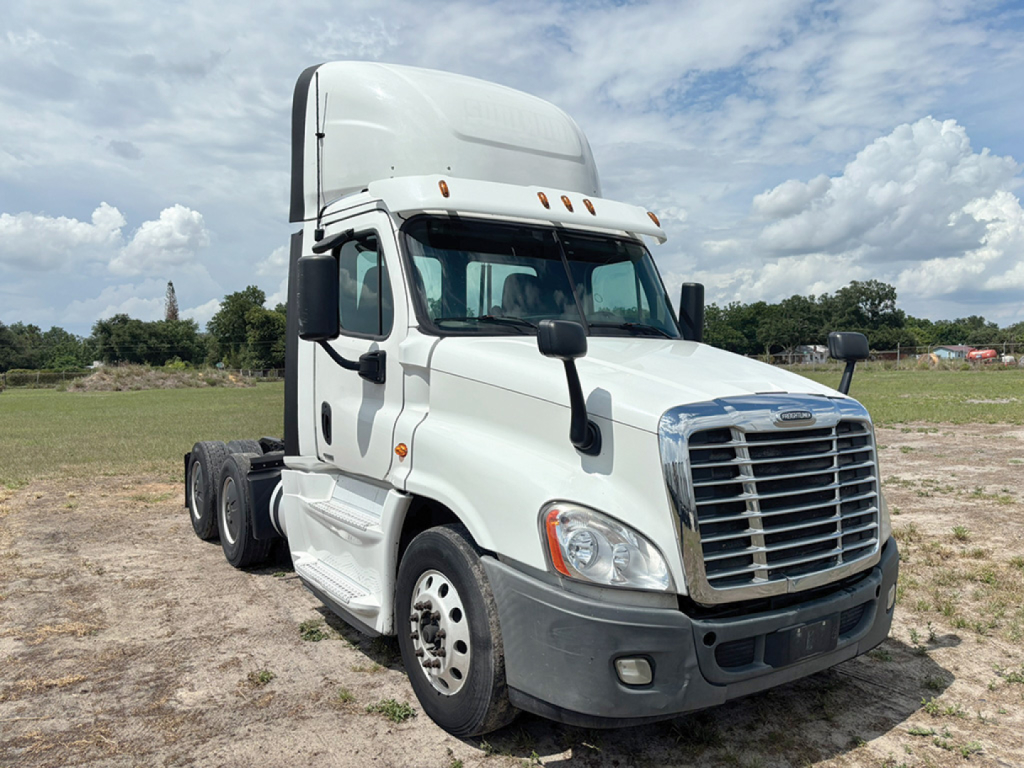
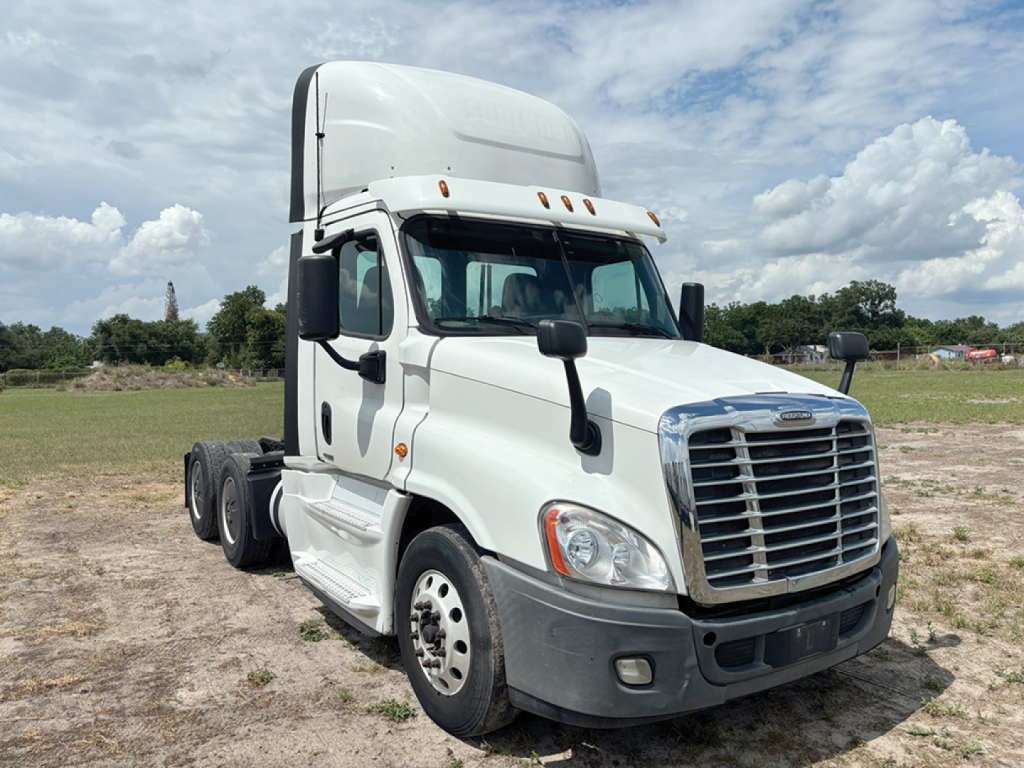
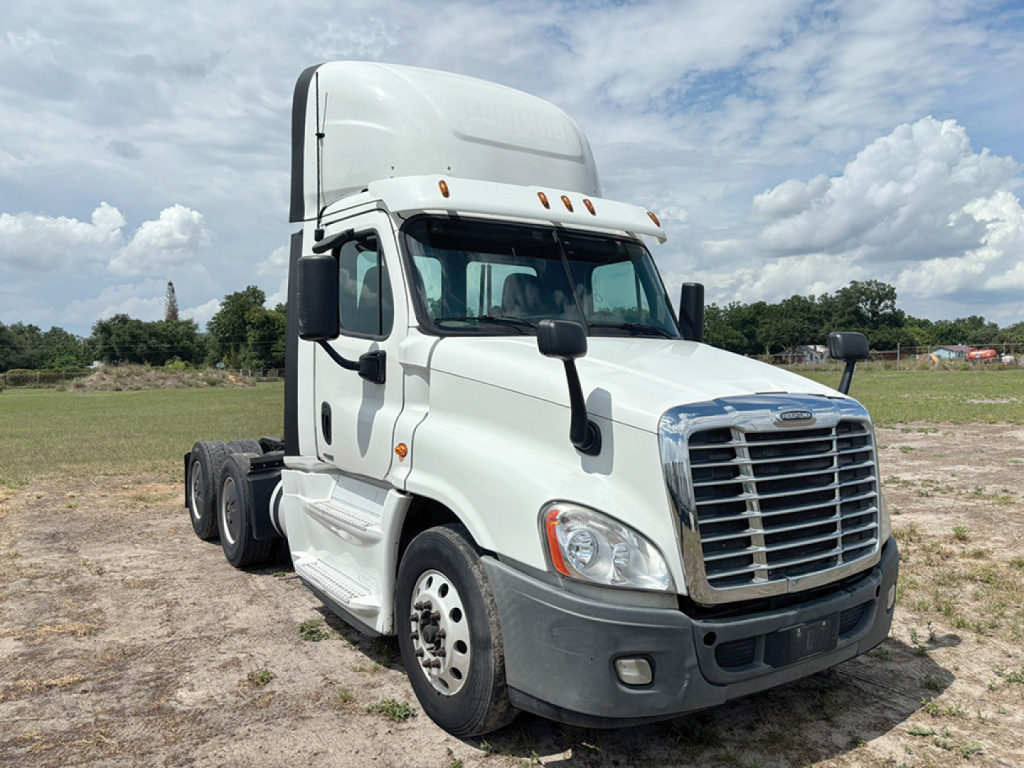
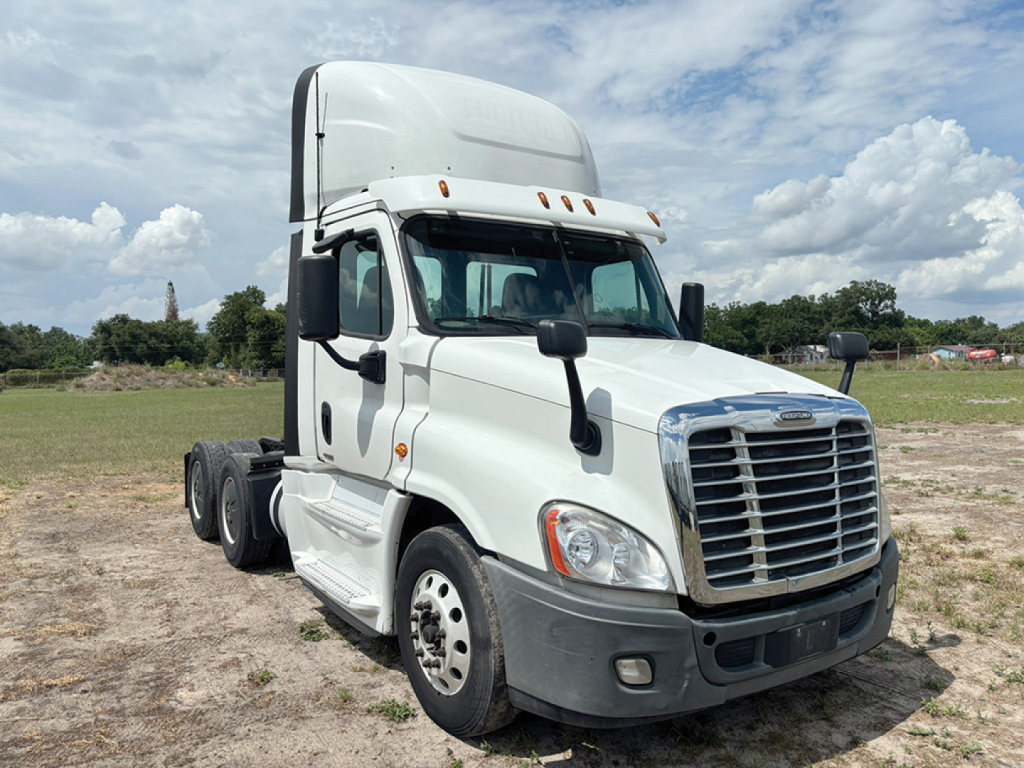
Have 2016 freightliner conventional daycab truck to sell? List it here to reach thousands of buyers.
2016 Freightliner Conventional Daycab Trucks in Florida
On a typical 2016 Freightliner daycab, expect a Detroit DD15 in the 14.8-liter range, often rated around 455 horsepower, paired with either a DT12 automated manual or a manual transmission depending on prior fleet spec. Common rear axle ratings are around 40,000 pounds, with ratios such as 2.47 aimed at fuel economy and regional highway speed. Wheelbases in this class often fall in the mid-170-inch range, which is a key number if you are matching the tractor to trailer swing clearance, bridge law requirements, and turning radius for tighter yards or terminal work. Air ride suspension, air slide fifth wheels, low-profile 22.5 tires, and aluminum wheels are also common on fleet-spec Freightliner daycabs from this period.
The main buying decision is less about the badge and more about configuration. A lighter, more aerodynamic spec with roof fairings, cab extenders, and horizontal exhaust is usually best for van and reefer freight. A buyer pulling heavier loads or working in tighter urban routes may place more importance on axle ratio, brake spec, and wheelbase than on appearance. Safety equipment also started becoming more common in this era, so collision mitigation, engine brakes, and electronic driver aids can be meaningful differences between otherwise similar 2016 Freightliner conventional daycab trucks.
Condition still drives value on any used daycab. Check for maintenance records on the DD15, transmission calibration and clutch history on DT12-equipped units, aftertreatment service, suspension wear, and fifth wheel movement. Look closely at hood alignment, bumper and fender repairs, frame condition, steer tire wear patterns, and cab interior wear because these trucks often spend years in high-cycle fleet service. A well-spec'd 2016 Freightliner daycab can still be a cost-effective tractor for buyers who need dependable regional performance, good fuel economy, and easy service access.
Frequently Asked Questions about 2016 Freightliner Conventional Daycab Trucks in Florida
What engine is most common in a 2016 Freightliner conventional daycab?
Many 2016 Freightliner conventional daycab trucks, especially Cascadia 125 Evolution models, are equipped with the Detroit DD15 14.8-liter engine. Ratings around 455 horsepower are common in fleet service. The DD15 is popular because it balances fuel economy, highway performance, and broad service support across major truck markets.
Is a 2016 Freightliner daycab good for regional and local work?
Yes. A 2016 Freightliner daycab is typically well-suited for regional haul, dedicated delivery, warehouse shuttle work, and port or terminal service. The non-sleeper layout reduces weight and keeps the chassis compact, which helps with maneuverability and operating efficiency on routes where overnight accommodations are not needed.
What specs matter most when comparing 2016 Freightliner daycabs?
The most important specs are engine rating, transmission type, rear axle ratio, wheelbase, suspension, and fifth wheel setup. Buyers should also compare brake configuration, tire size, fairing package, and safety systems such as collision mitigation or engine brake. Those details determine how the truck performs with your trailer type, payload, and route profile.
What wheelbase is typical on a 2016 Freightliner conventional daycab?
Many 2016 Freightliner conventional daycabs fall into a mid-range wheelbase suited for general fleet use, often around the 170-inch range depending on the original spec. A shorter wheelbase can improve maneuverability in tight yards, while a longer wheelbase may better match certain trailer setups and weight distribution needs. The right choice depends on trailer length, kingpin setting, and operating environment.
What should a buyer inspect on a used 2016 Freightliner daycab?
Focus on maintenance history, emissions system service, transmission operation, suspension condition, tire wear, brake life, and fifth wheel wear. It is also important to inspect the frame, body panels, hood fit, cooling system, and cab interior. On Florida-based trucks, strong air conditioning performance and evidence of consistent preventive maintenance are especially important.