
Freightliner Conventional Daycab Trucks For Sale in Texas
Browse Freightliner conventional daycab trucks in Texas. Compare Cascadia and M2 specs, axle ratings, wheelbases, engines, and driveline setups.
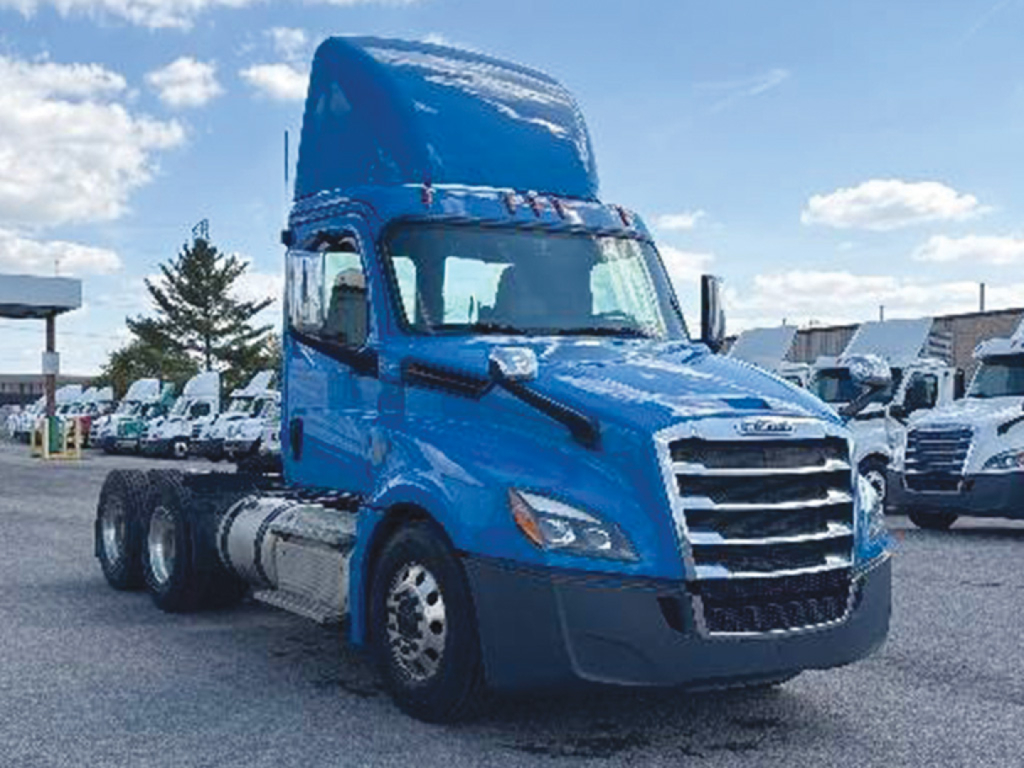
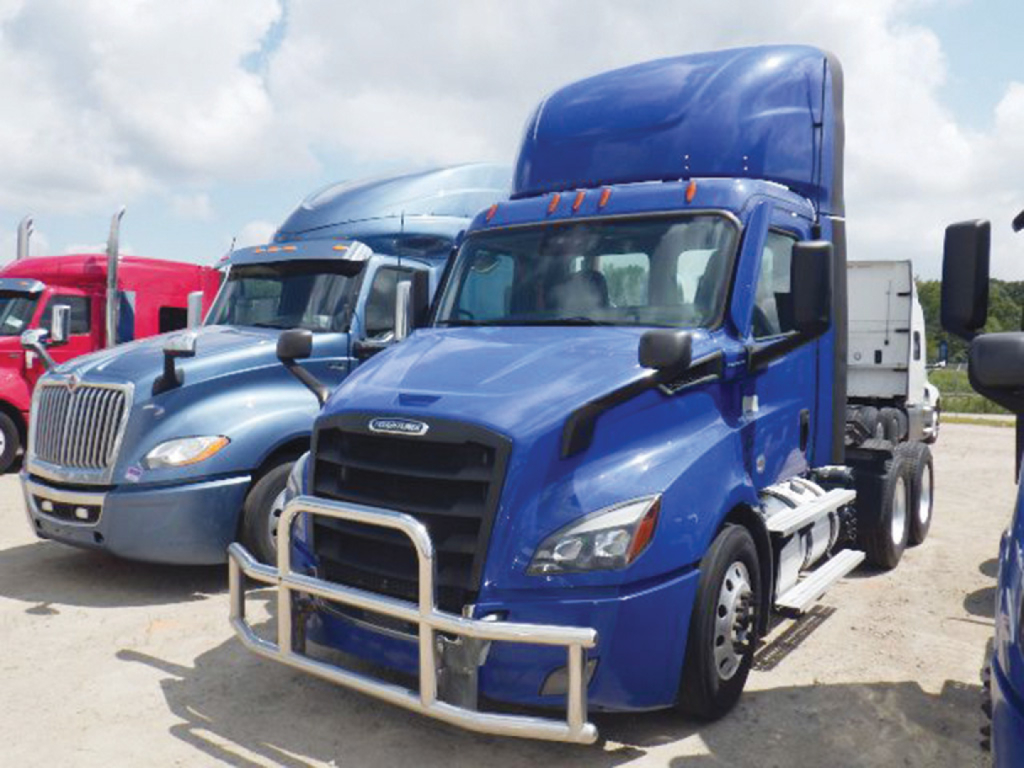
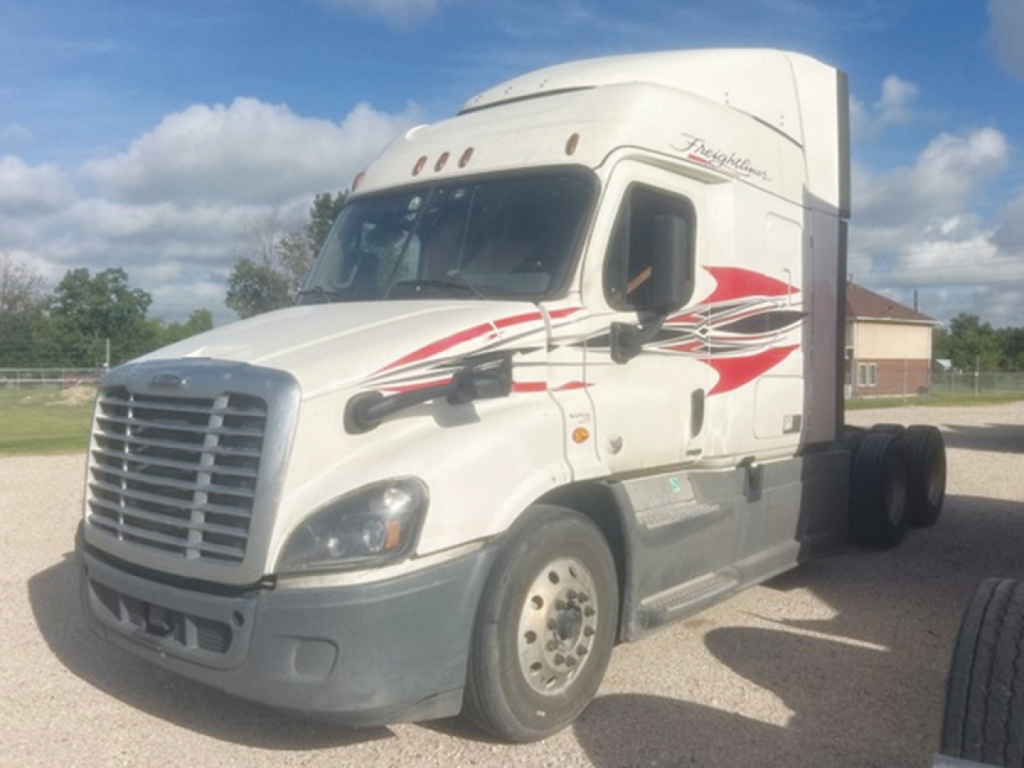
2018 Freightliner Cascadia113
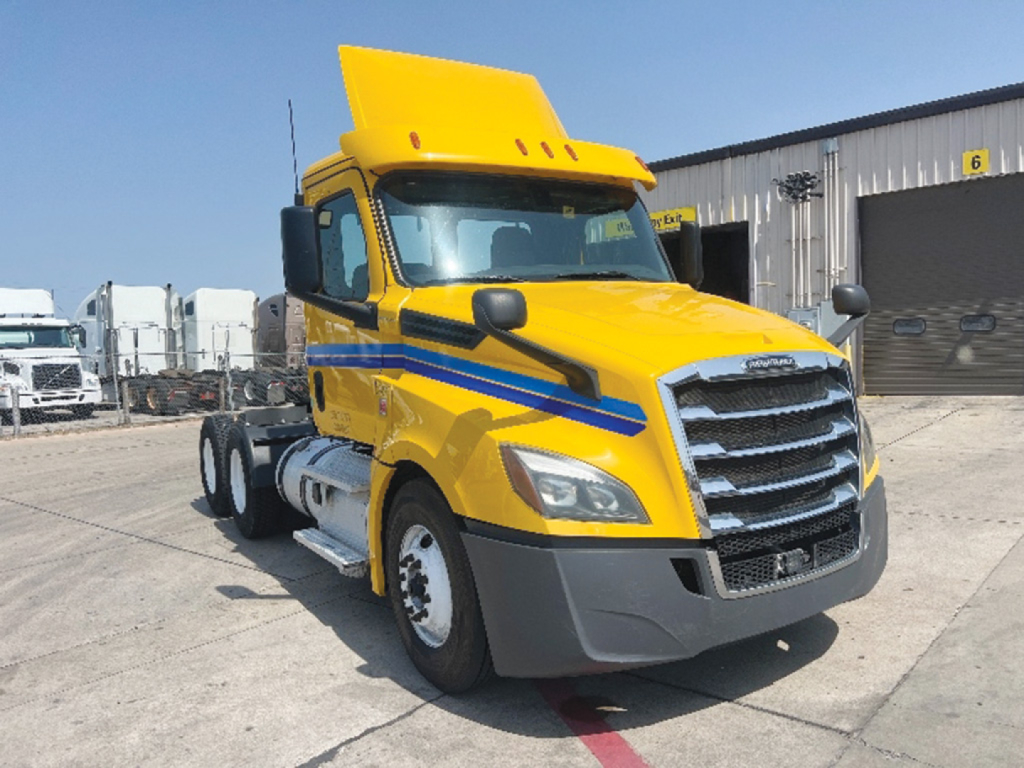
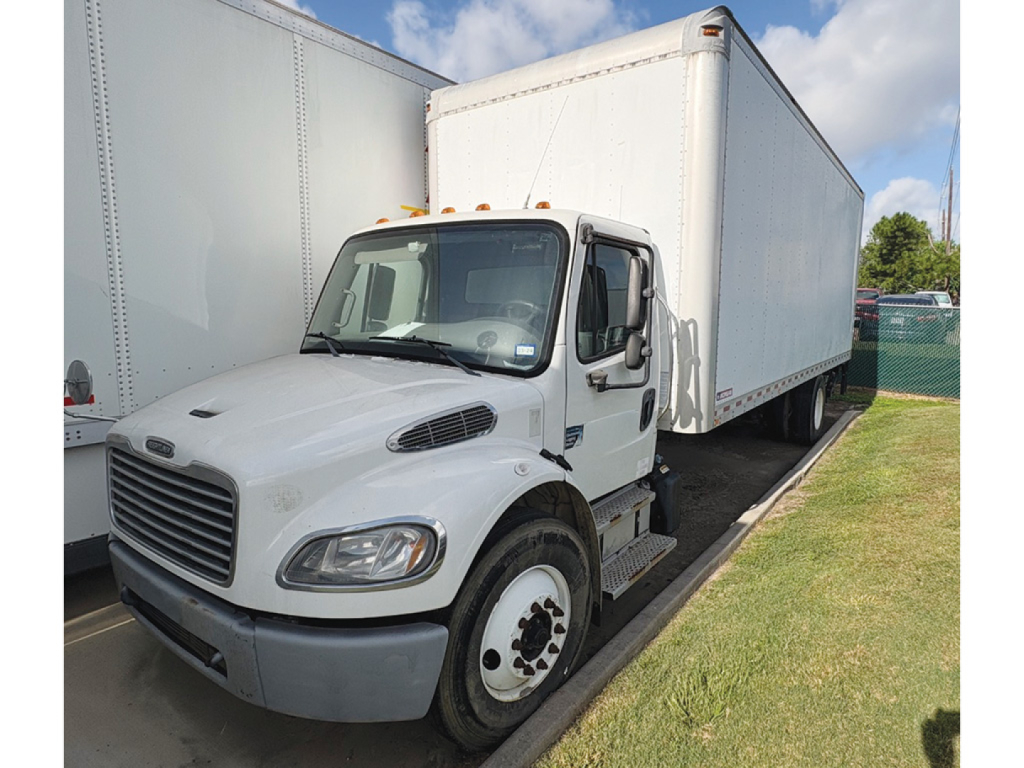
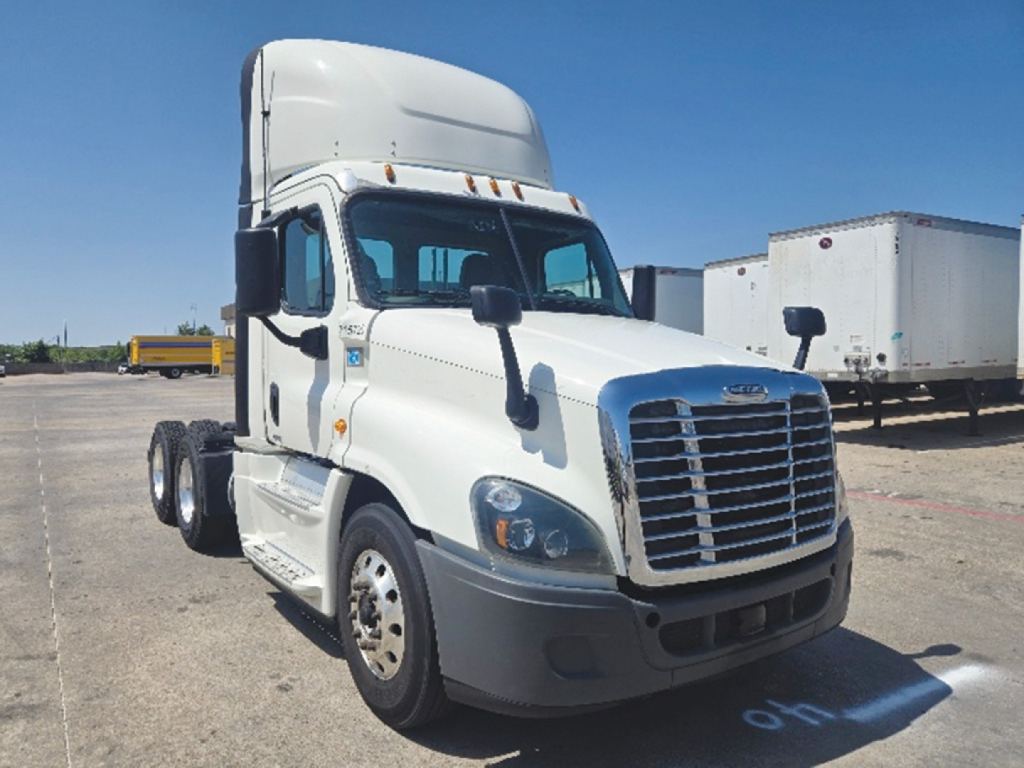
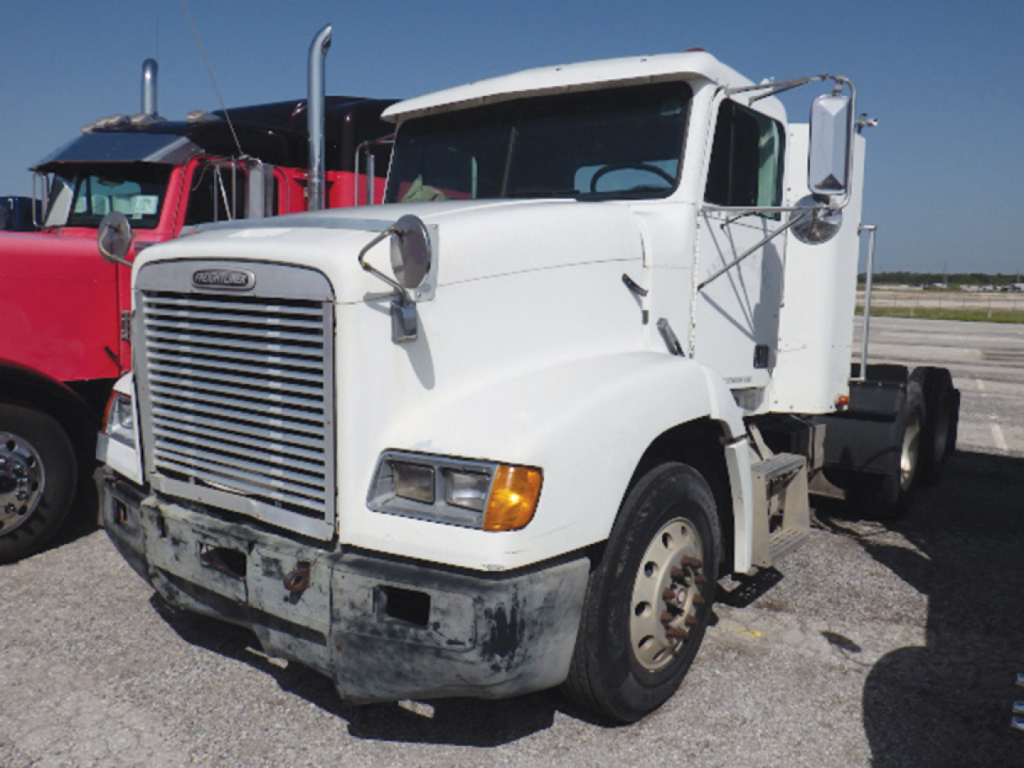
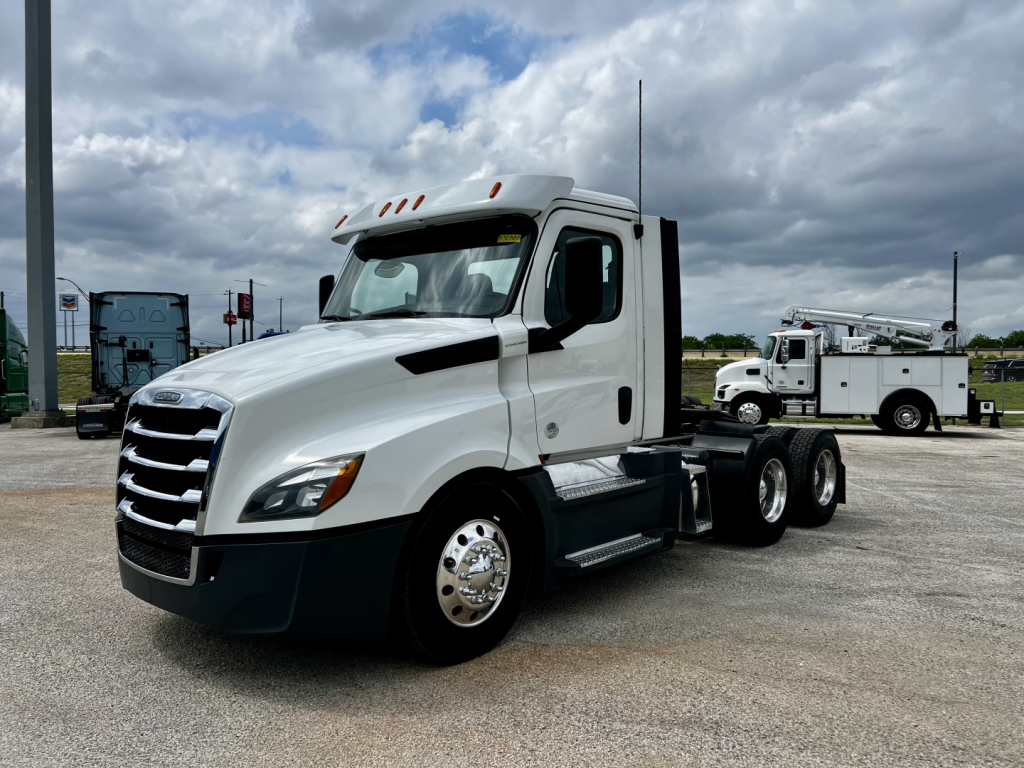

2016 Freightliner Cascadia125
Have freightliner conventional daycab truck to sell? List it here to reach thousands of buyers.
Freightliner Conventional Daycab Trucks in Texas
The biggest spec decisions are engine, transmission, rear axle ratio, wheelbase, and axle rating. Cascadia daycabs commonly show up with Detroit or Cummins power, including diesel and some compressed natural gas setups, with horsepower often in the 350 to 450 range for linehaul and regional service. Automated manual transmissions are common because they reduce driver fatigue and help standardize fleet operation, though some buyers still prefer manual boxes for certain duty cycles. Tandem rear axles rated around 40,000 pounds are typical on Class 8 tractors, while M2 daycab and straight truck configurations may carry much lighter rear ratings depending on body and payload needs. Ratios in the low 2s are usually aimed at fuel-efficient highway work, while deeper ratios are better suited to stop-and-go service, heavier starts, or urban routes.
Texas buyers should pay close attention to cooling performance, idle strategy, emissions history, and fuel type. A daycab working Dallas-Fort Worth, Houston, San Antonio, or border freight can spend long hours in traffic and high ambient heat, so radiator condition, A/C performance, and engine fan operation matter. CNG-powered Freightliner daycabs can be attractive for fleets with established fueling access and predictable return-to-base routes, but tank inspection intervals, range, and local service support need to be part of the evaluation. On diesel units, check aftertreatment service records, engine brake operation, suspension condition, and fifth wheel wear. Wheelbase and fifth wheel position also affect trailer compatibility, bridge law flexibility, and turning radius in tight terminals or city streets.
Freightliner remains a strong daycab choice because parts support is broad, the cab layout is familiar to most drivers and technicians, and spec variety is wide. A short-wheelbase Cascadia daycab with an air-slide fifth wheel is well suited for regional trailer interchange and drop-and-hook work. An M2 daycab or straight truck with a van body, liftgate, and air ride can fit local delivery, furniture, beverage, and route service. When comparing listings, focus less on model year alone and more on how the truck was ordered: horsepower, transmission type, suspension, brake package, tire size, fuel capacity, and intended trailer or body application will determine how well the truck fits your operation.
Frequently Asked Questions about Freightliner Conventional Daycab Trucks in Texas
What is the difference between a Freightliner daycab and a sleeper truck?
A Freightliner daycab is a non-sleeper conventional truck designed for drivers who return home daily or operate on shorter routes. It has a shorter cab, lower curb weight, and usually a tighter wheelbase than a sleeper tractor, which helps with maneuverability and payload. Sleeper trucks are built for over-the-road use where the driver needs a bunk and additional storage for multi-day trips.
Which Freightliner models are most common in the conventional daycab category?
The Freightliner Cascadia is the most common Class 8 daycab for regional and highway tractor applications, while the Freightliner M2 is common in medium-duty and straight truck service. Cascadia daycabs are typically spec'd for pulling semi-trailers with tandem axles and higher horsepower. M2 daycab configurations are often used for local delivery, utility work, dump, van bodies, or other vocational uses where a lighter chassis and different body options are needed.
What specs matter most when buying a Freightliner conventional daycab in Texas?
The key specs are engine make and horsepower, transmission type, rear axle ratio, axle ratings, wheelbase, suspension, and brake setup. In Texas, cooling system condition and A/C performance deserve extra attention because trucks often run in high heat and heavy traffic. If the truck will handle regional highway miles, a fuel-efficient axle ratio and automated transmission may be a good fit. If it will work in local stop-and-go service or pull heavier loads from a standstill, a deeper rear ratio and application-matched suspension can make a noticeable difference.
Are CNG Freightliner daycab trucks a good choice?
A CNG Freightliner daycab can be a strong option for fleets with reliable access to compressed natural gas fueling and fixed route planning. They are often used in return-to-base operations where fuel availability, route length, and maintenance support are predictable. Buyers should confirm tank certification status, range expectations, service network support, and total operating cost compared with diesel before deciding. The fuel savings can be attractive, but only when the infrastructure fits the business.
How do I choose the right wheelbase and fifth wheel setup on a Freightliner daycab?
Wheelbase and fifth wheel position affect trailer swing clearance, bridge compliance, ride quality, and turning radius. A shorter wheelbase is easier in tight yards, ports, and city delivery environments, while a longer wheelbase can improve ride and allow different tank or equipment layouts. An air-slide or adjustable fifth wheel adds flexibility if the truck will pull multiple trailer lengths or different trailer types. The correct setup depends on trailer dimensions, kingpin settings, axle spacing requirements, and the amount of maneuvering your operation does each day.