
2006 Commercial Trucks For Sale
Browse 2006 trucks for sale, including semi trucks, cab and chassis, flatbeds, and vocational units with specs that matter to working buyers.
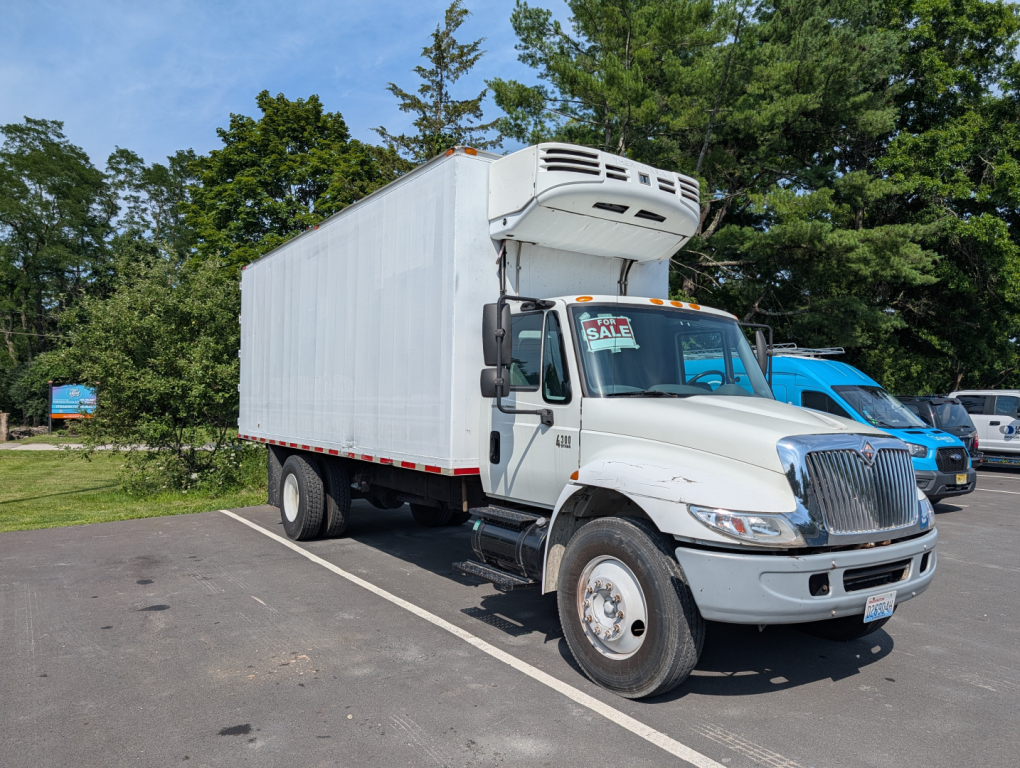
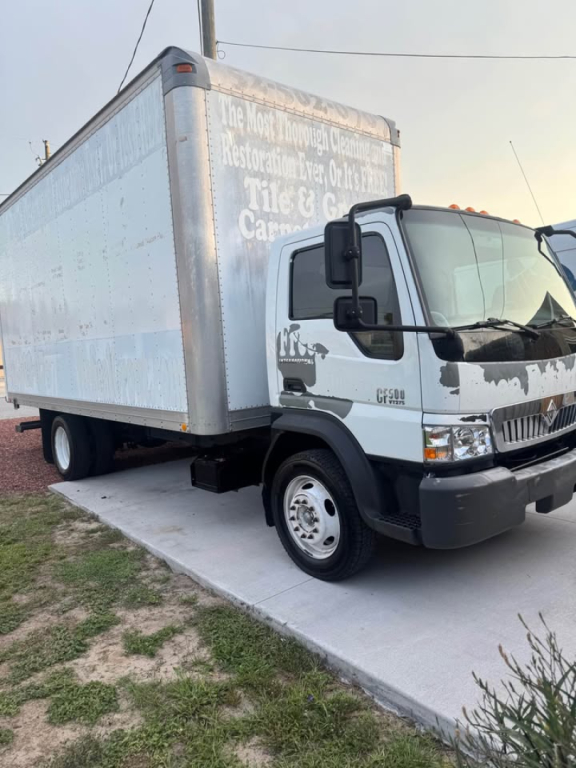
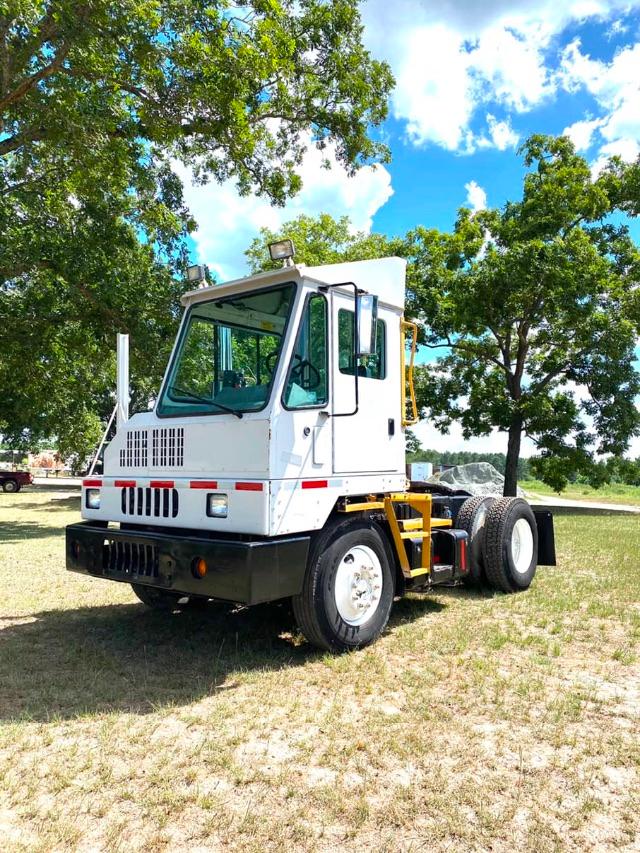
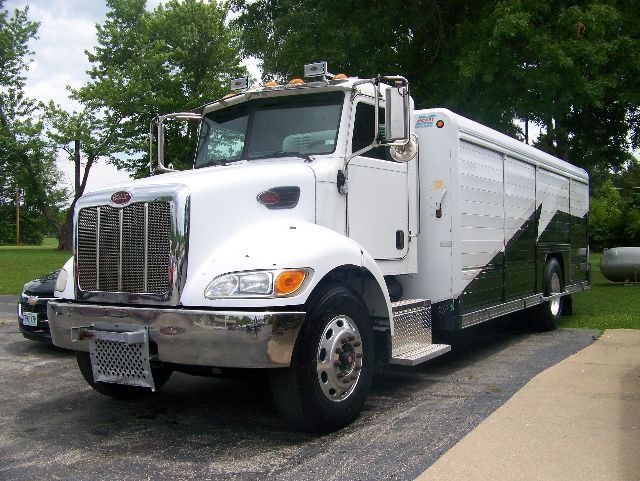
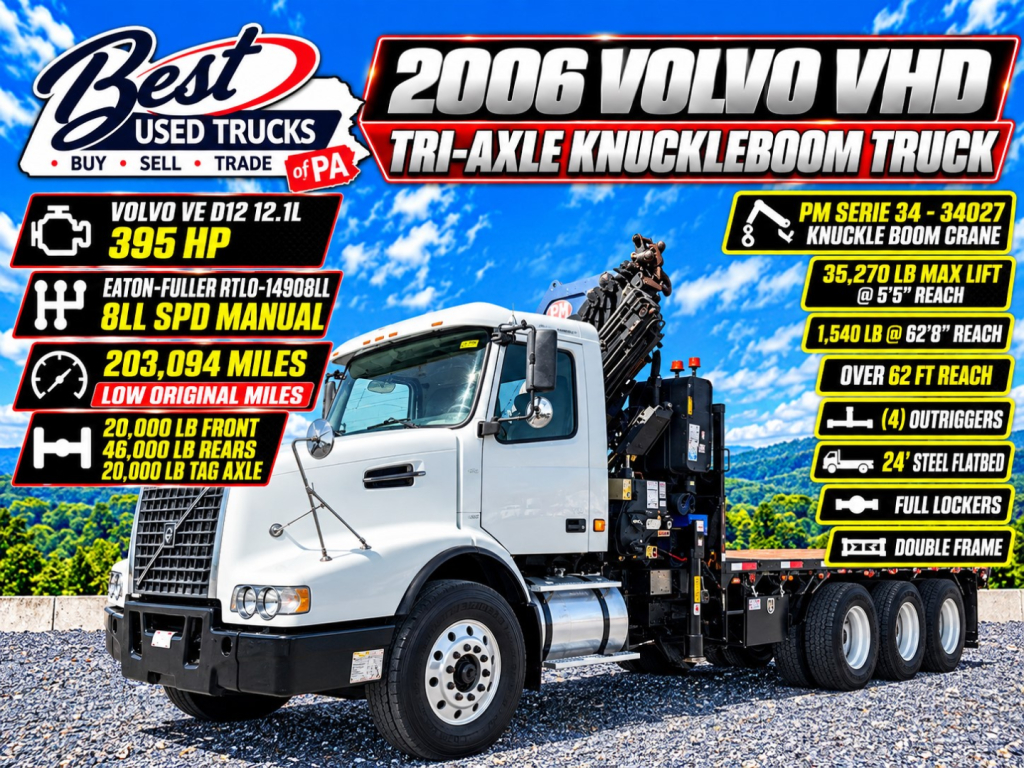
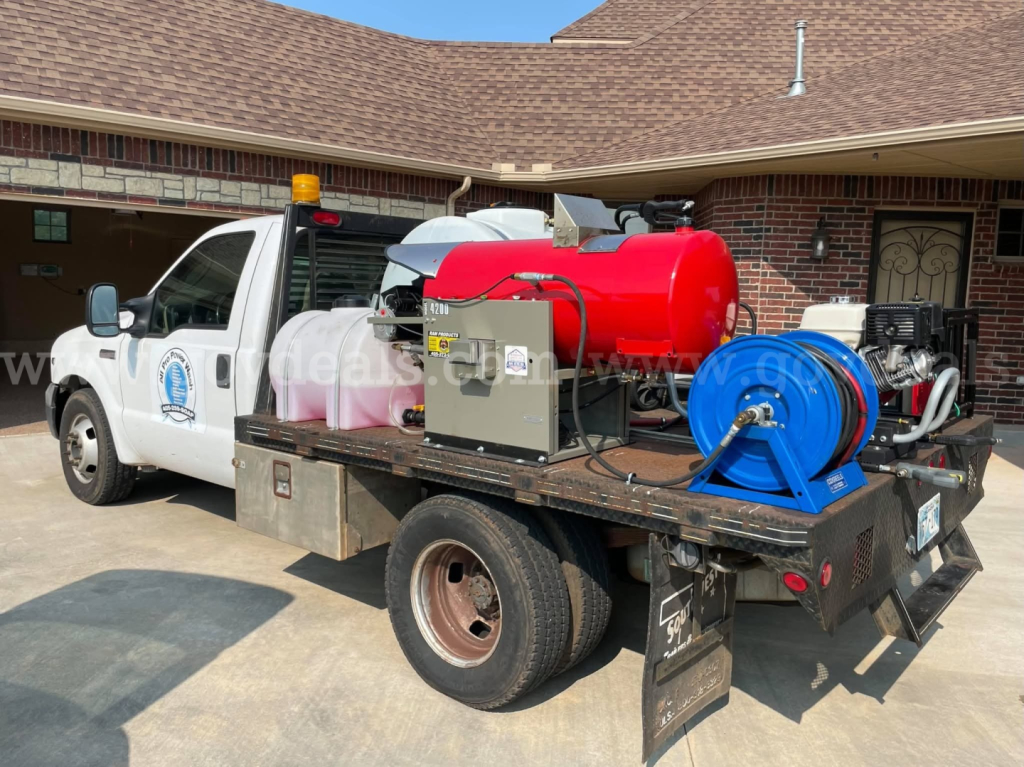
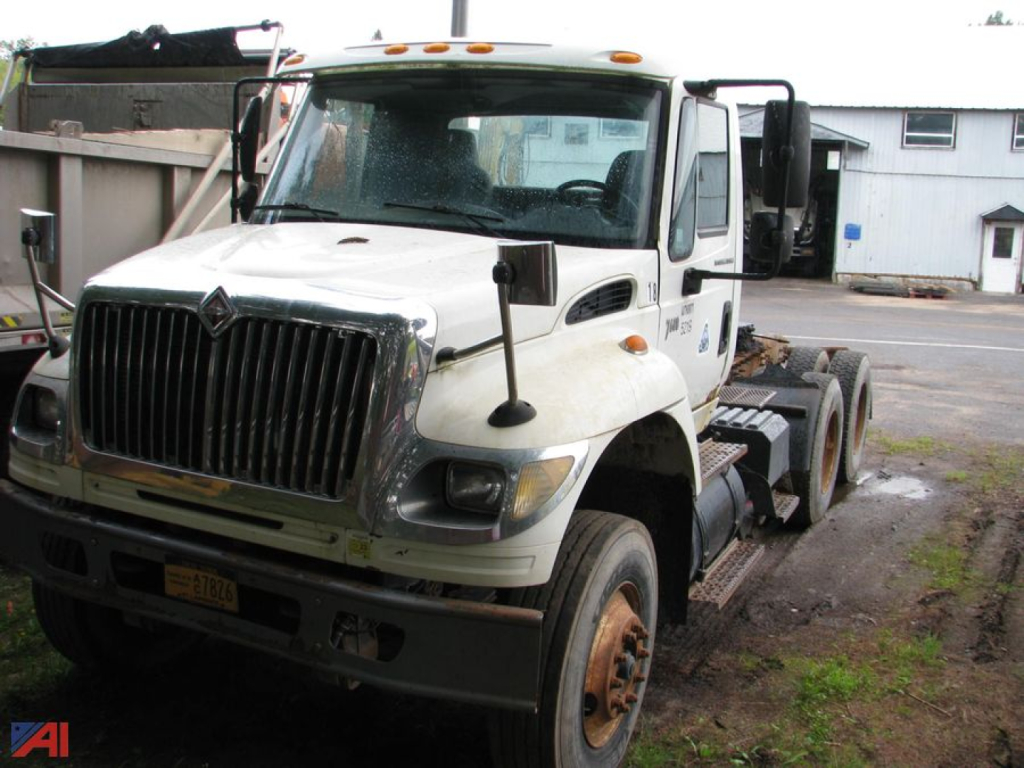
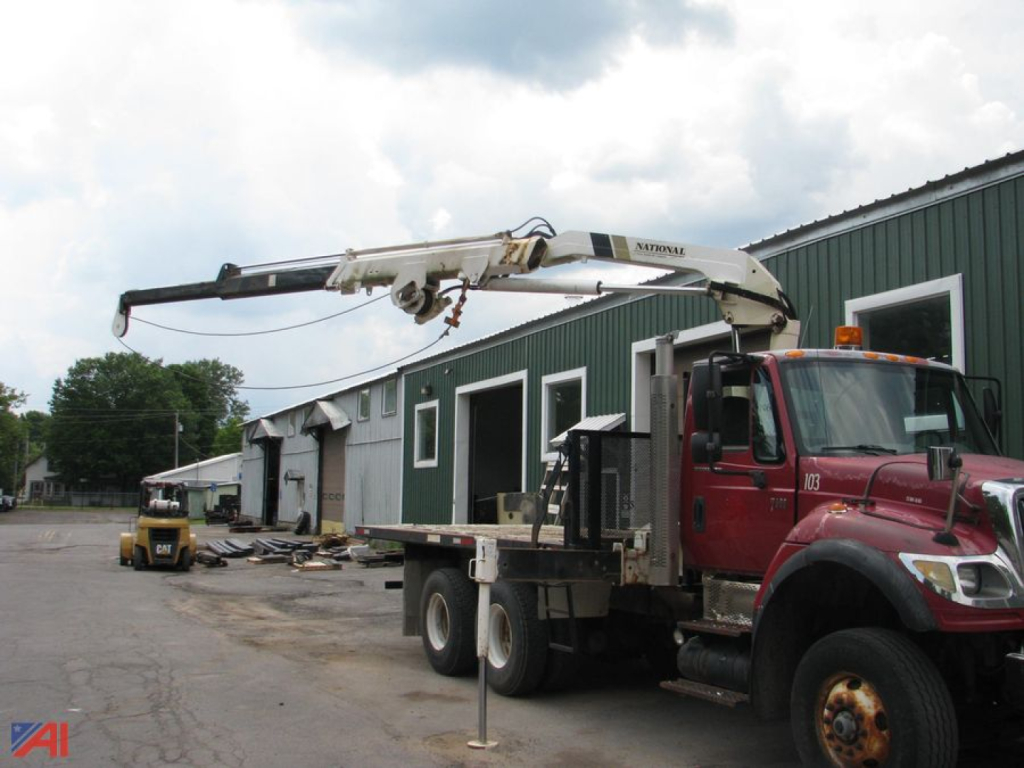
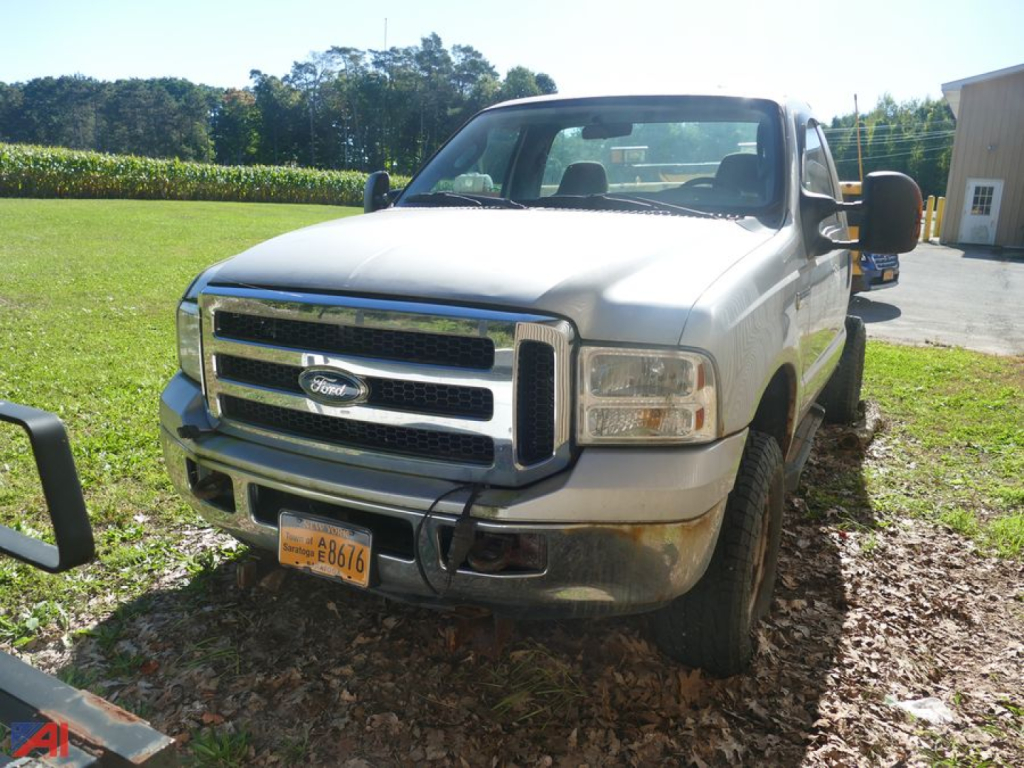
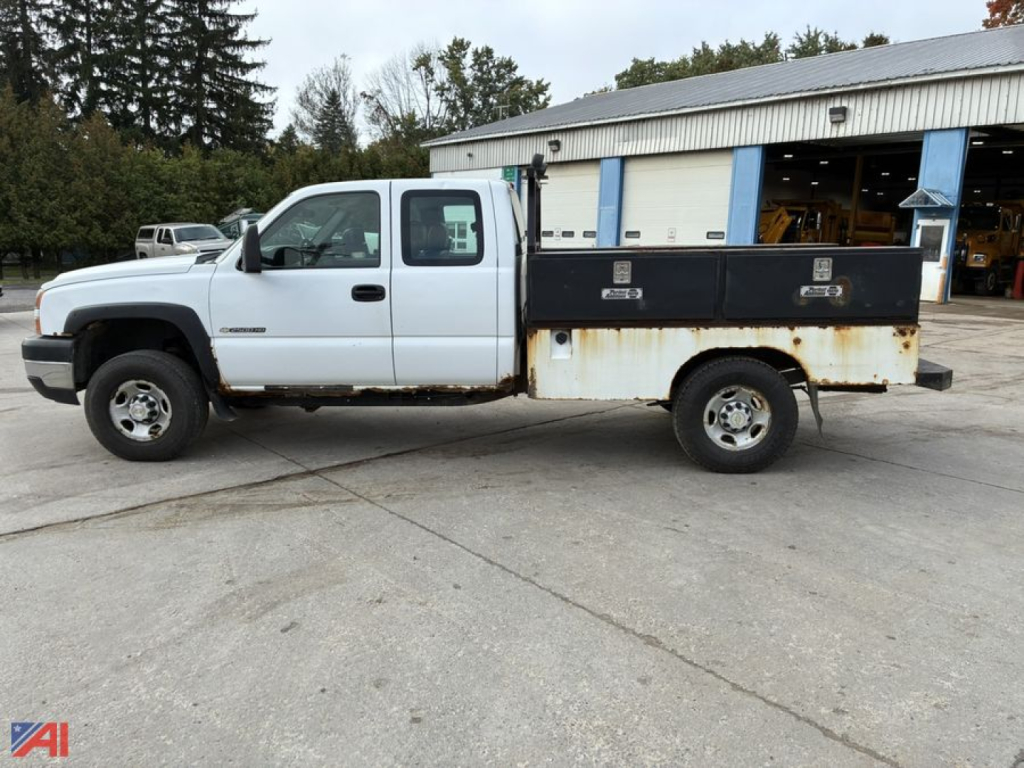
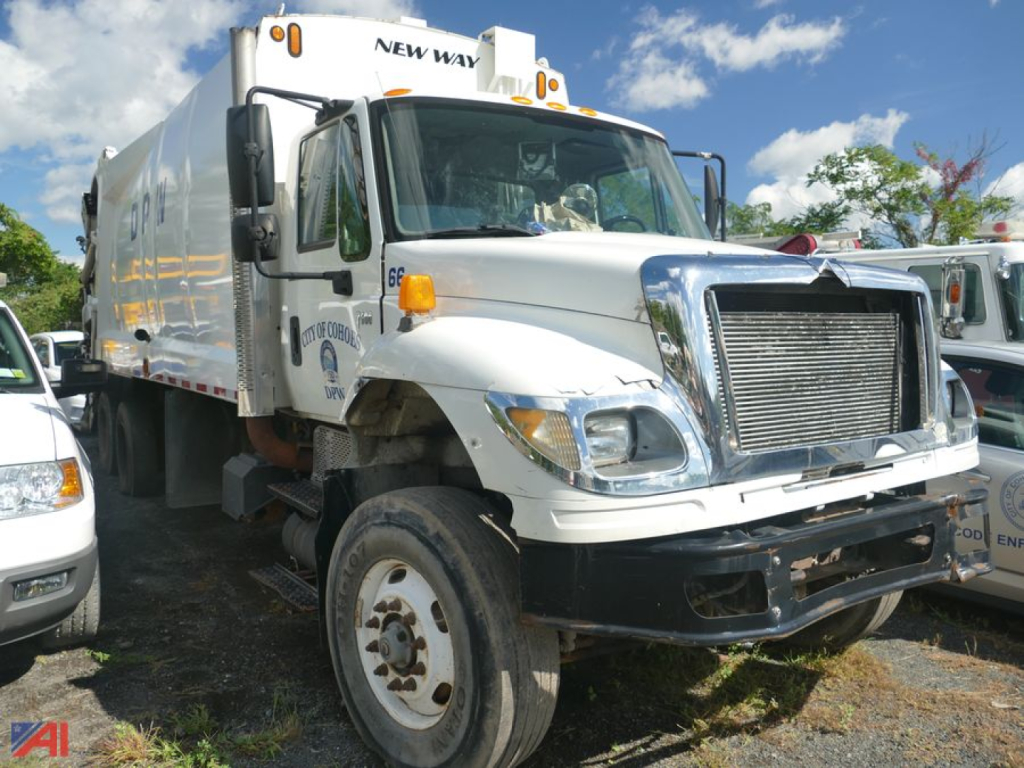
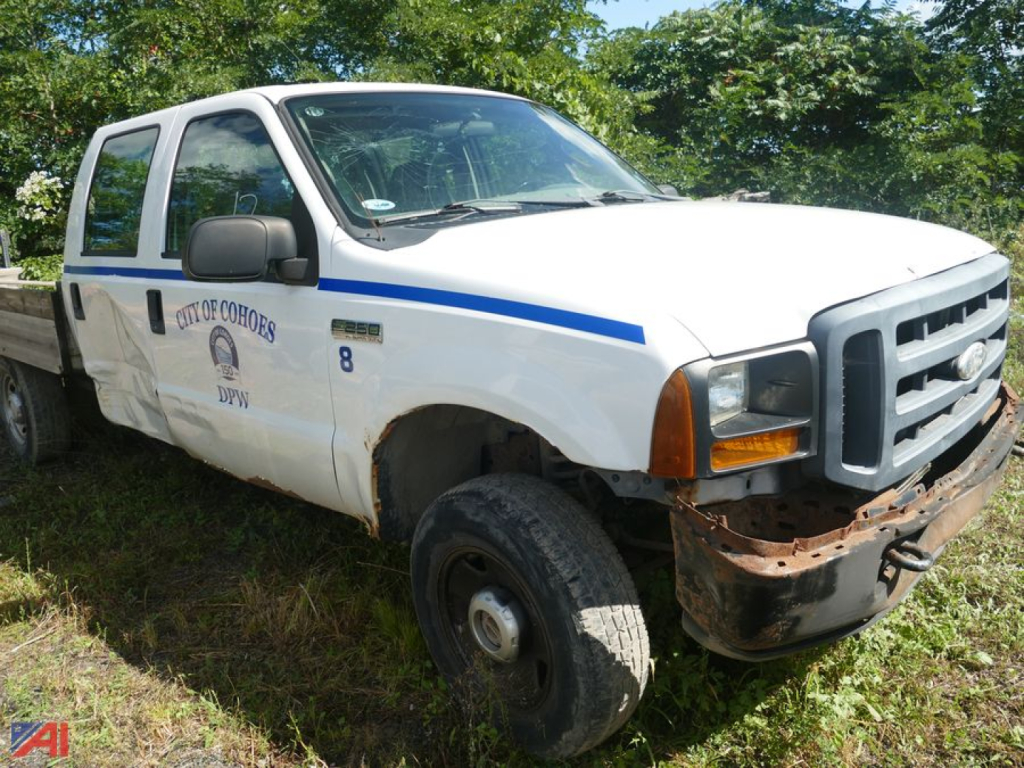
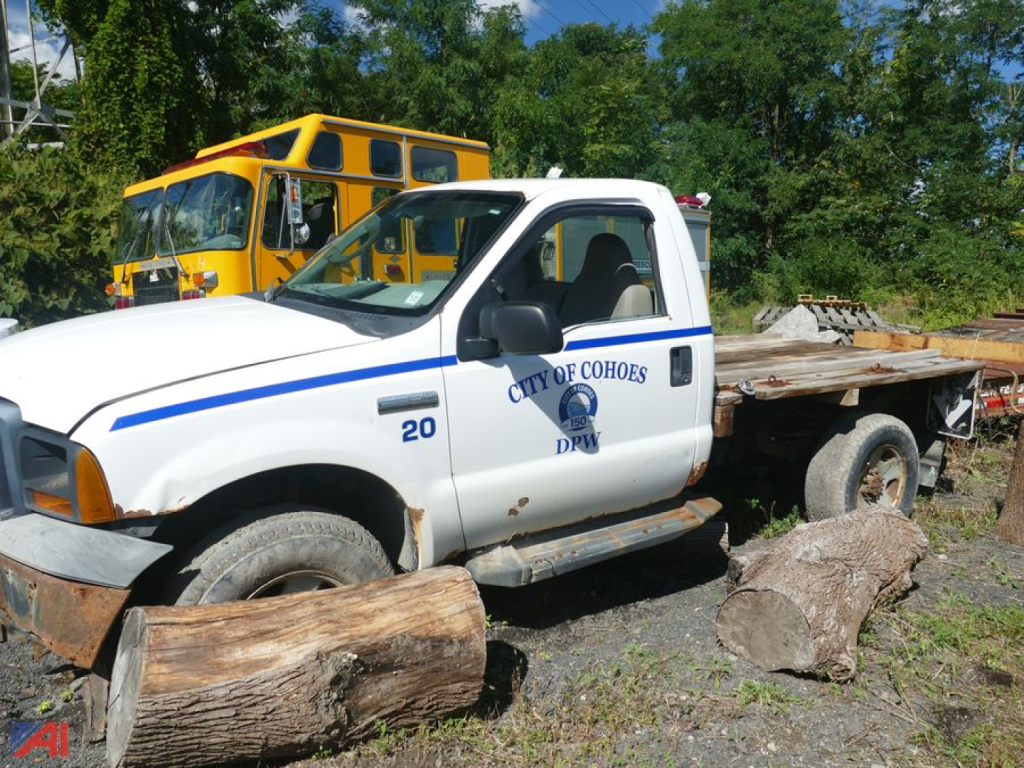
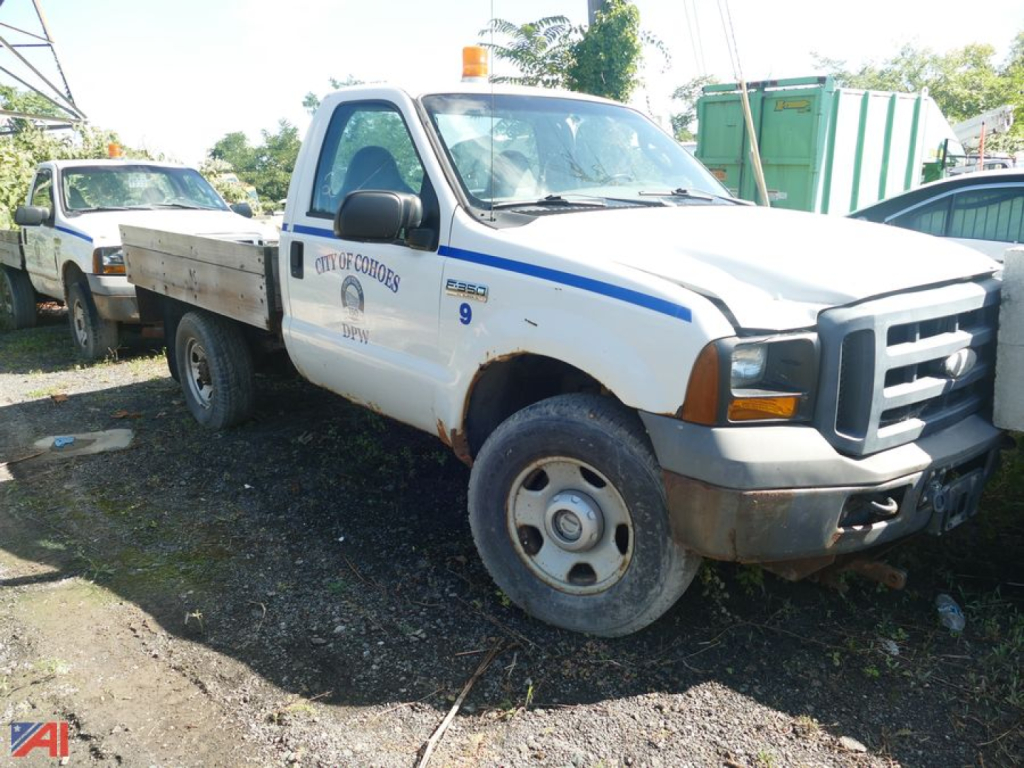
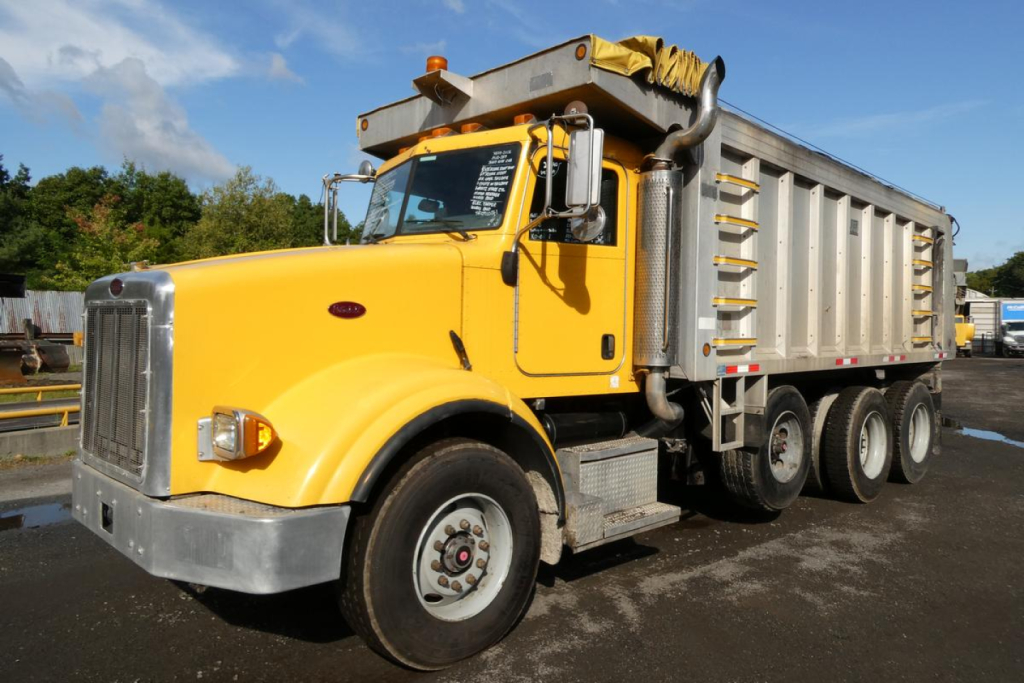
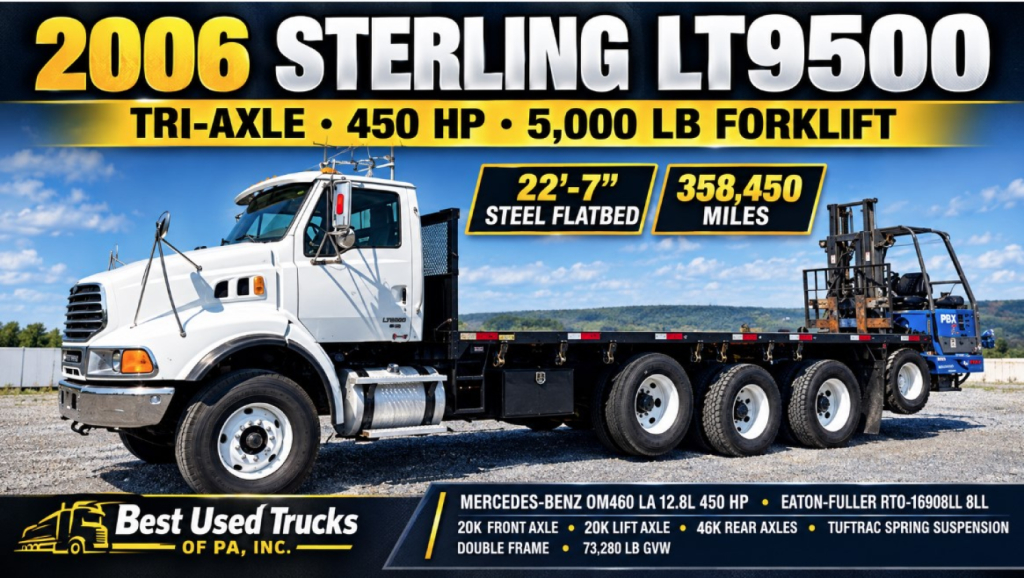
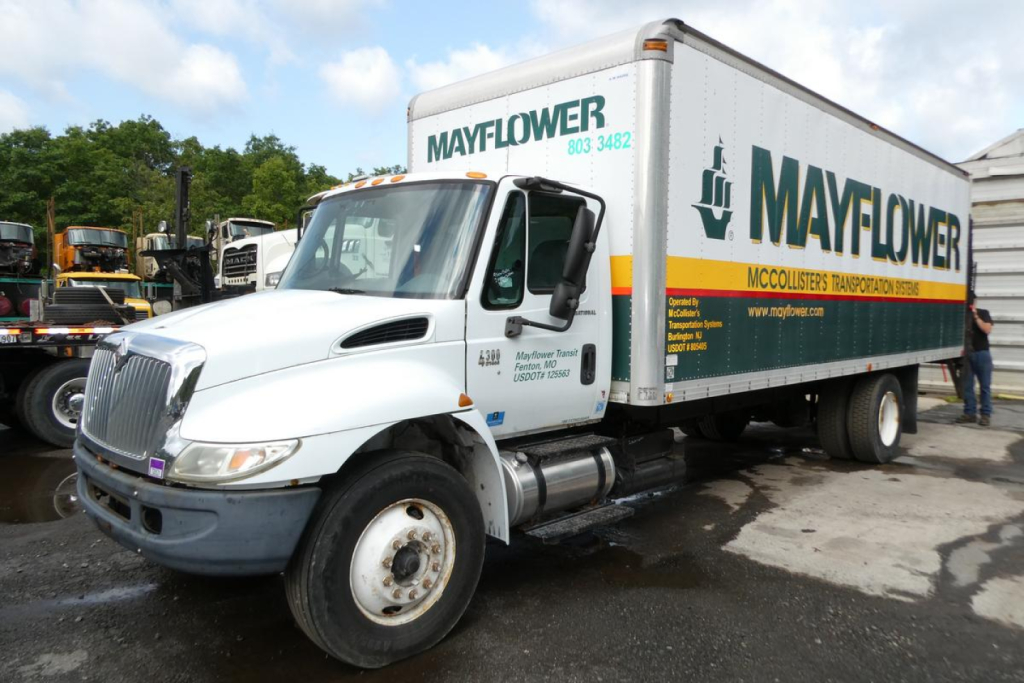
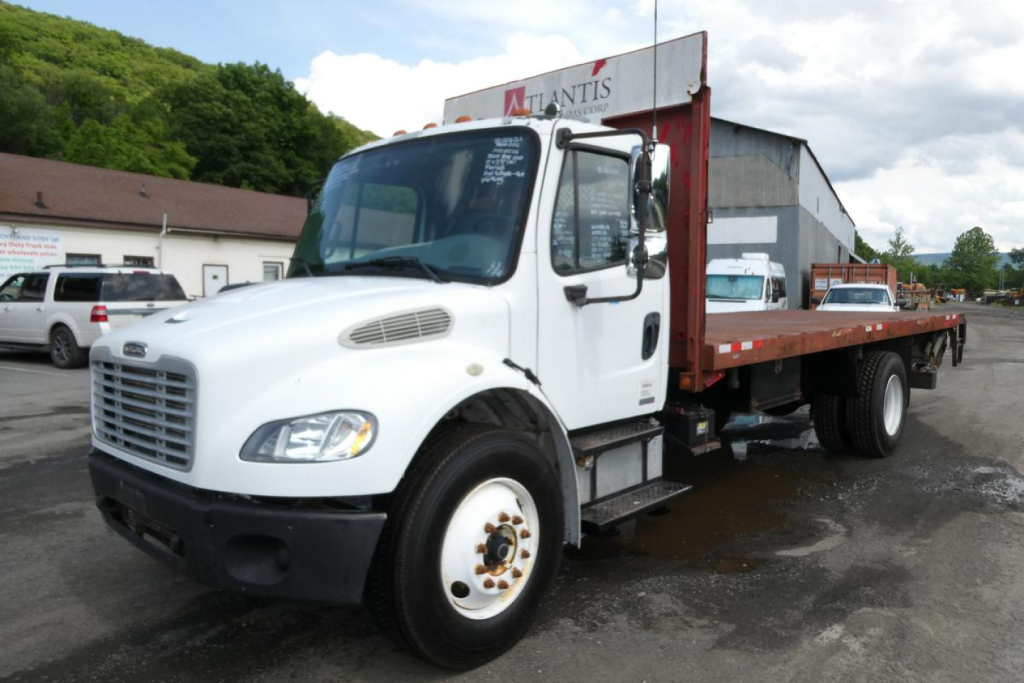
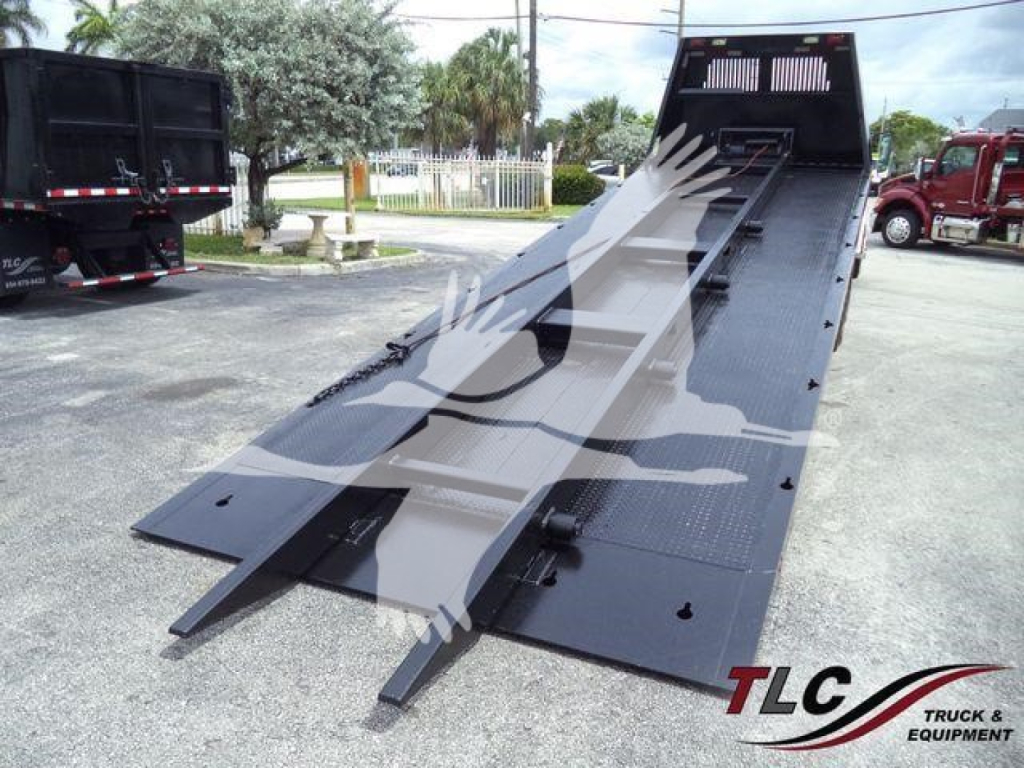
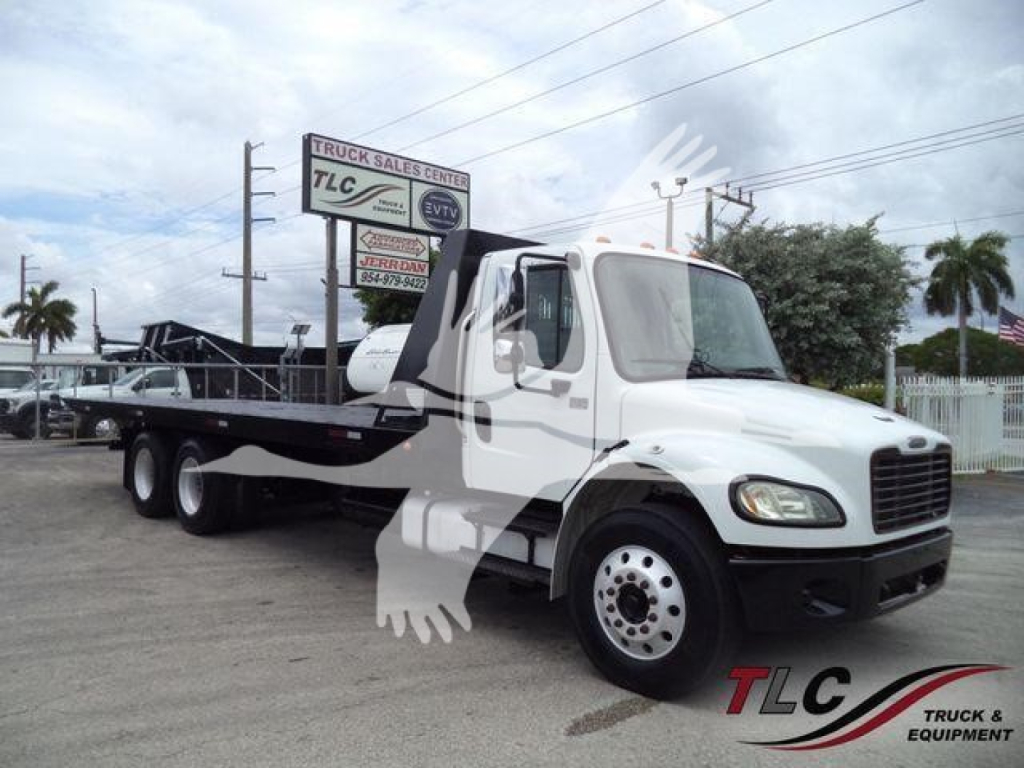
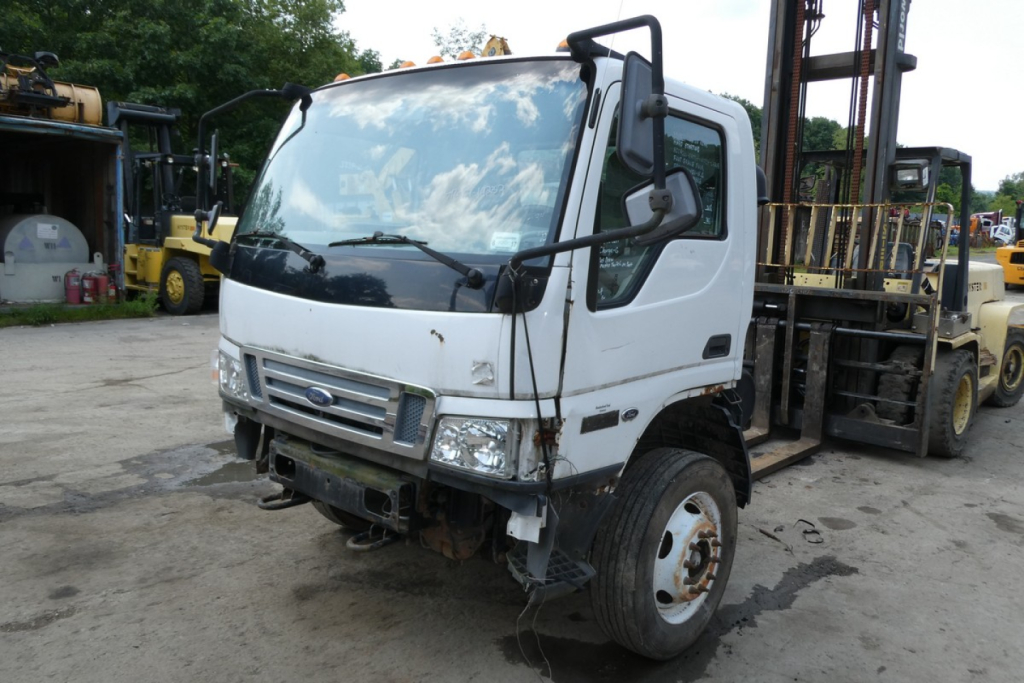
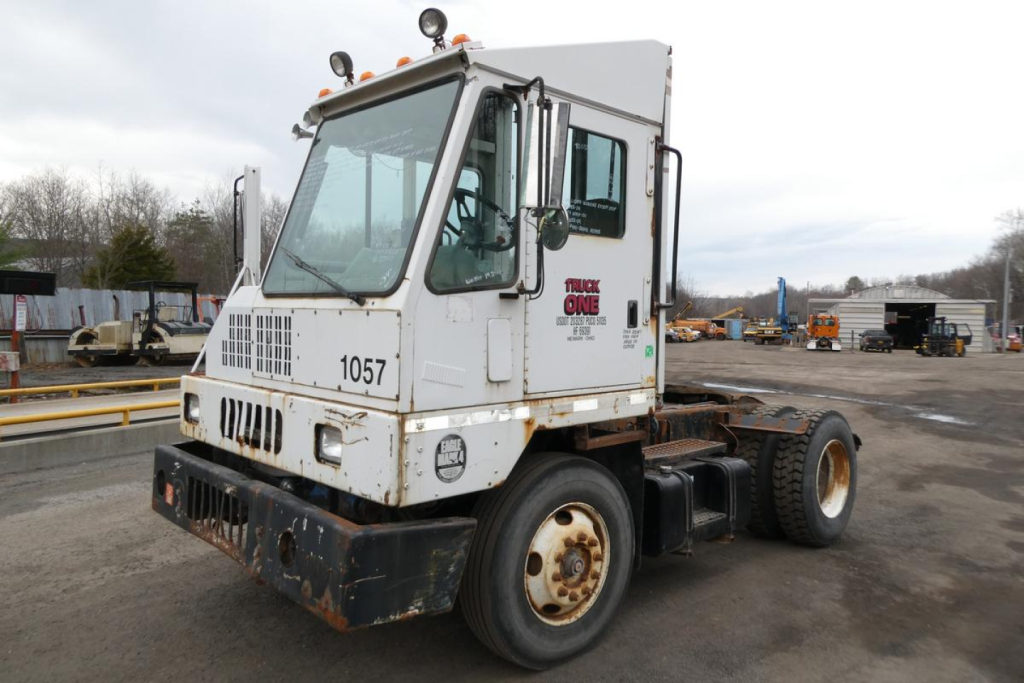
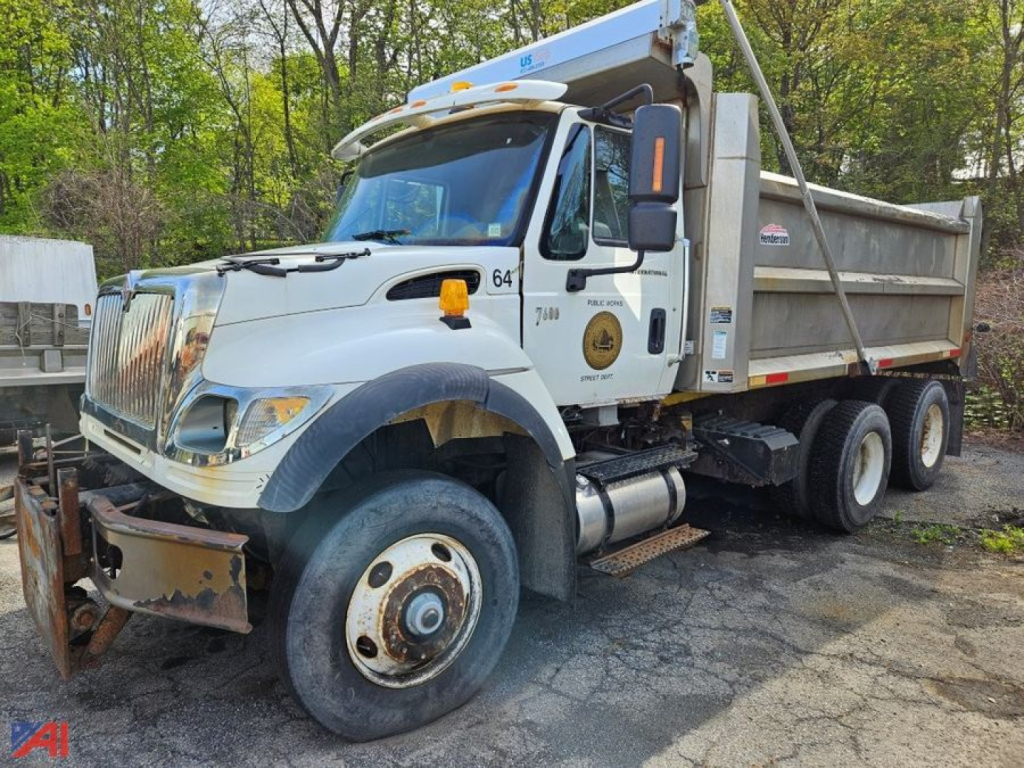
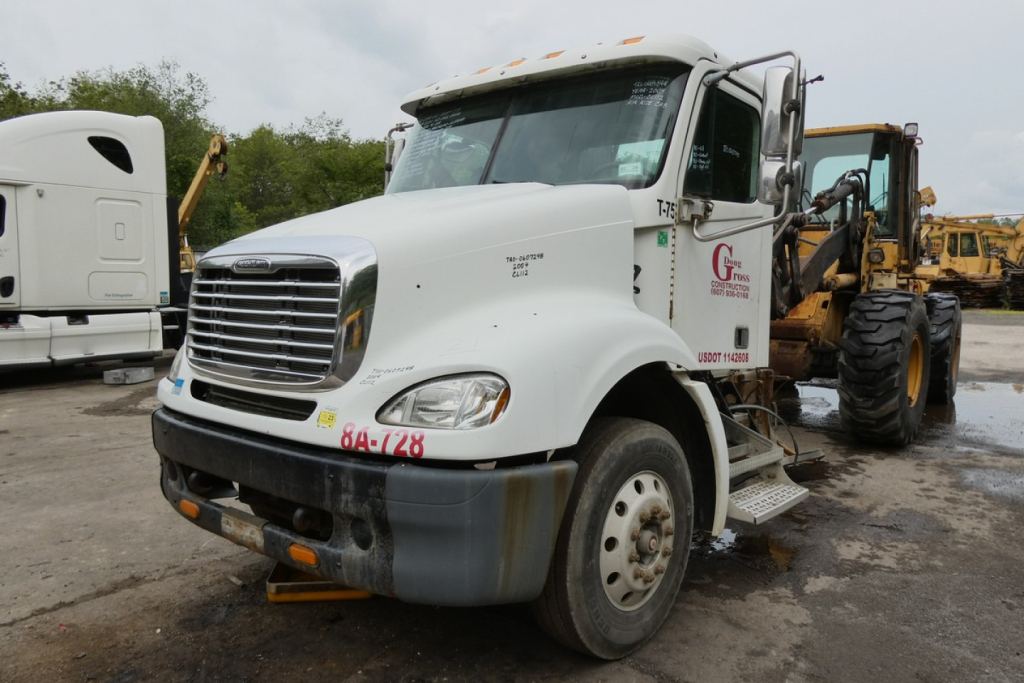
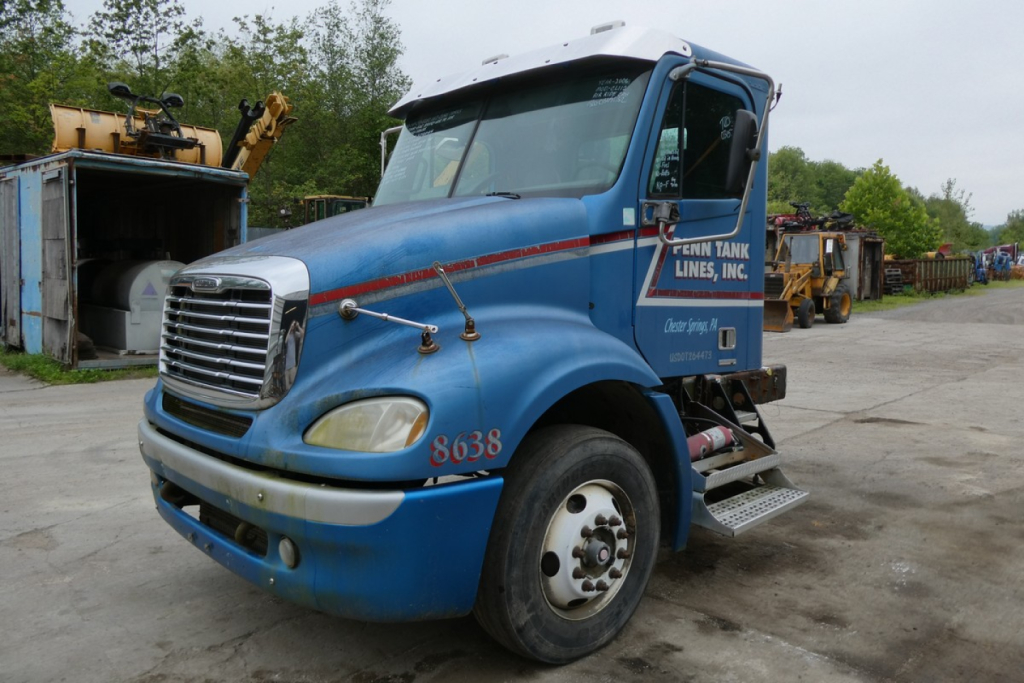
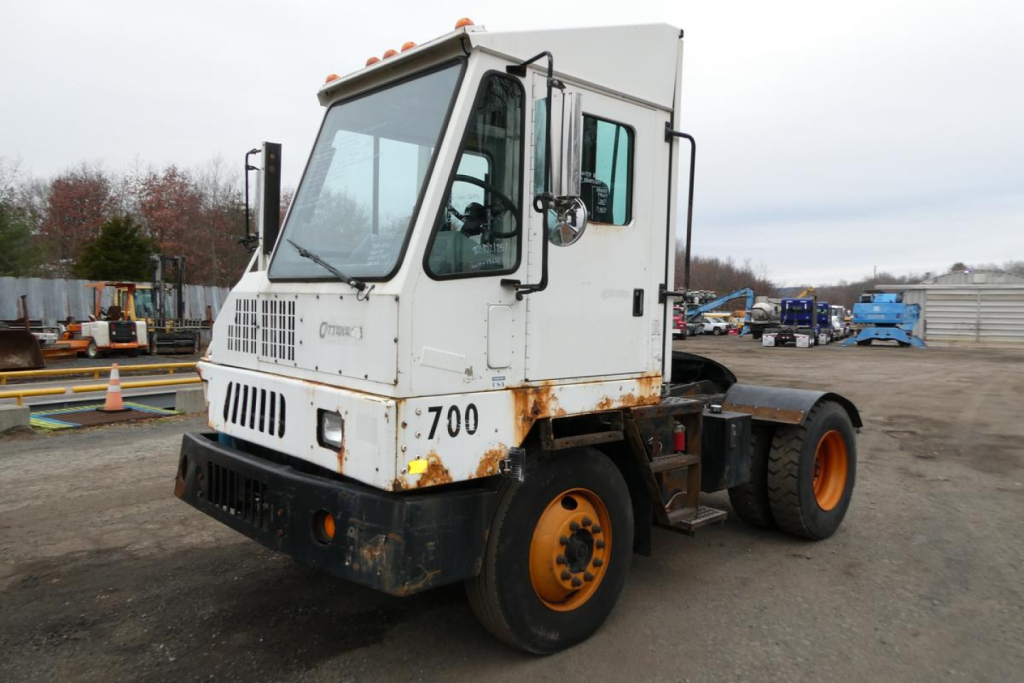
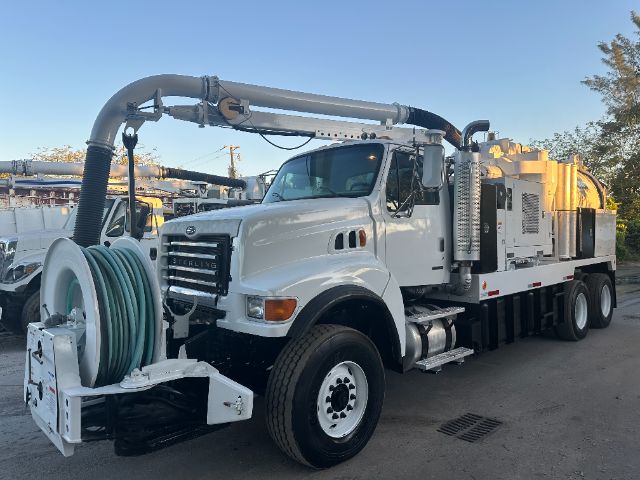
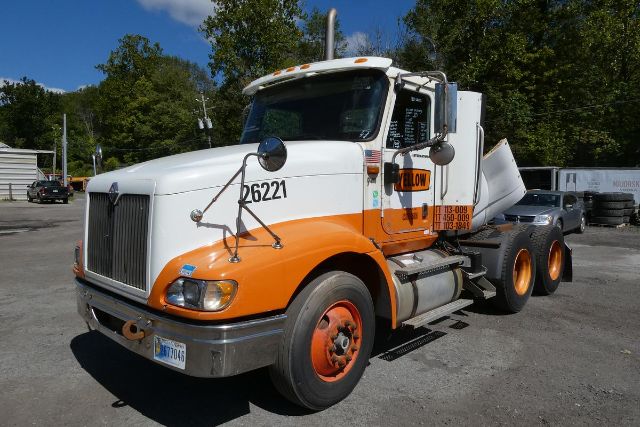
Showing 1 to 28 of 43 results
Selling a 2006 commercial truck? List your 2006 commercial truck for sale and reach thousands of commercial buyers.
2006 Commercial Trucks
Engine and transmission choices matter more on a 2006 truck than on almost any newer used unit because age and prior duty cycle affect value so heavily. Common powerplants from this era include Caterpillar C15 and C13, Cummins ISX, ISC, and ISM families, Detroit Series 60, Mercedes diesel offerings, and medium-duty engines from International and Cummins. Transmissions are often Eaton Fuller 10-speed, 13-speed, and 18-speed manuals, with Allison automatics common in municipal and vocational service. Rear axle ratios, suspension type, and locking differential spec should be checked against the intended application, especially for regional haul, heavy vocational work, or PTO-driven equipment. On cab and chassis trucks, cab-to-axle and cab-to-end dimensions are critical because they determine what body can be installed without rework.
Condition assessment should be disciplined. On a 2006 truck, buyers should look closely at engine overhaul records, blow-by, coolant condition, oil leaks, transmission operation, suspension wear, frame corrosion, brake condition, and evidence of prior structural repairs. Mileage alone does not tell the story. Idle hours, PTO hours, municipal stop-and-go use, and overweight vocational service can age a truck differently than steady highway miles. Front axle and rear axle ratings, GVWR, tire size, wheelbase, and suspension capacity should all be verified against the actual workload. If the truck is intended for a trailer application, fifth-wheel condition, kingpin setting compatibility, and overall axle spread should also be reviewed.
The best 2006 trucks for sale are usually the ones with a clear operating history and a specification that fits a narrow purpose. A sleeper tractor set up for heavy haul is a different buying decision than a single-axle flatbed, a tandem cab and chassis, or a municipal service truck. Buyers comparing listings should prioritize service documentation, drivetrain match, and configuration details before cosmetic appearance. A well-kept 2006 truck can still offer useful life in farm, construction, regional freight, municipal, and specialty vocational roles, especially when the chassis, powertrain, and body layout are matched to the work from day one.
Frequently Asked Questions about 2006 Commercial Trucks
What should I look for first when buying a 2006 truck?
Start with the drivetrain specification and maintenance history. Engine model, transmission type, axle ratios, suspension, and GVWR need to match the work the truck will do. After that, review service records, check for major engine or transmission repairs, inspect the frame and suspension for corrosion or damage, and verify that mileage and hours make sense for the truck's prior use.
Are 2006 trucks a good choice for business use?
They can be, especially for buyers focused on lower purchase price and proven mechanical platforms. A 2006 truck often works best in applications where uptime depends more on condition and parts support than on late-model features. The truck needs a solid service history, a realistic duty cycle, and a specification that fits the intended load, route, and body configuration.
What engines are commonly found in 2006 trucks?
Many 2006 trucks were built with engines such as the Caterpillar C15, C13, Cummins ISX, ISC, and ISM, Detroit Series 60, and medium-duty diesel options from Cummins and International. The exact engine depends on the truck class and application. Buyers should evaluate horsepower, torque, emissions configuration, rebuild history, and local service support before choosing one platform over another.
Why do wheelbase and axle ratings matter on a 2006 cab and chassis truck?
Wheelbase, cab-to-axle, and axle ratings determine whether the truck can properly accept the body or equipment you plan to install. A chassis may appear similar from listing to listing, but incorrect dimensions can create fitment problems, weight distribution issues, or legal GVWR limitations. Matching the chassis to the body is especially important for dump, service, rollback, utility, and tanker applications.
Is mileage the most important factor on a 2006 used truck?
No. Mileage is only one part of the picture on an older commercial truck. Idle hours, PTO use, prior vocation, terrain, loading habits, and maintenance quality often matter just as much. A higher-mileage truck with documented repairs and steady highway use may be a better buy than a lower-mileage unit that spent years in severe stop-and-go or heavy vocational service.