
2006 Flatbed Trucks For Sale
Shop 2006 flatbed trucks for sale. Compare GVWR, bed length, engine options, tie-down features, ramps, and body condition for work-ready hauling.
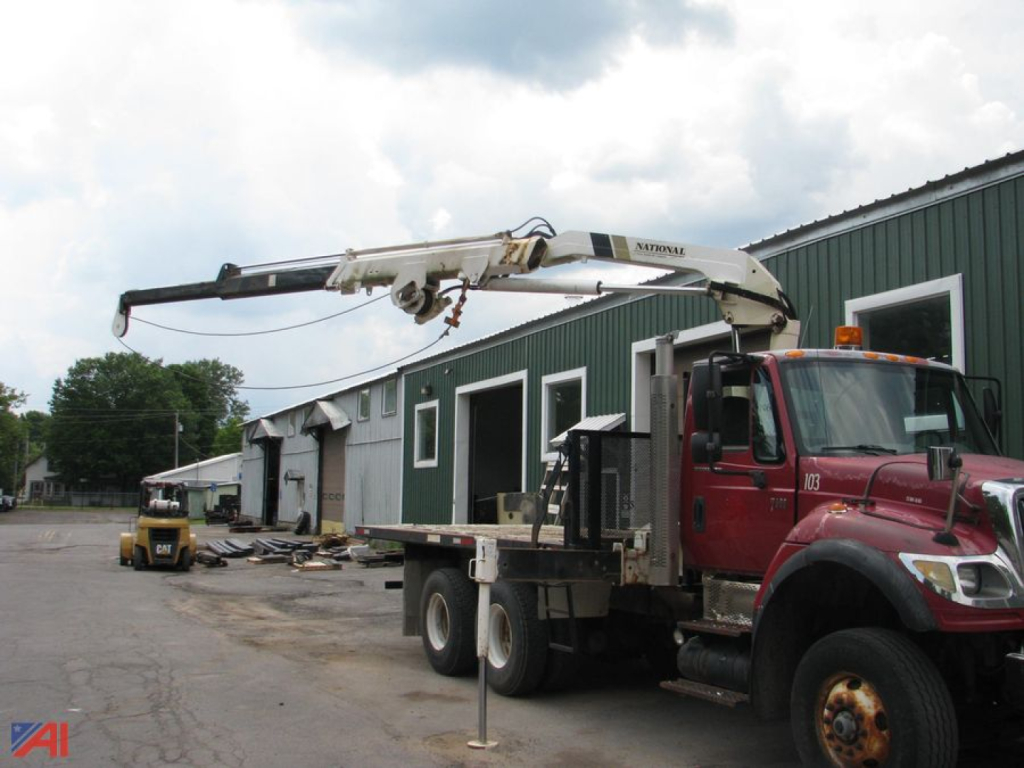
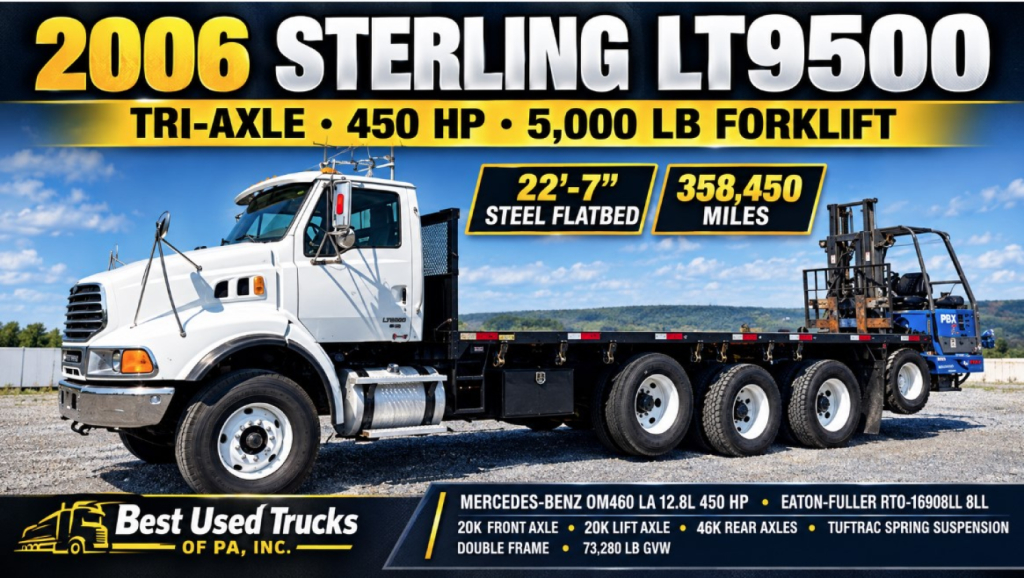
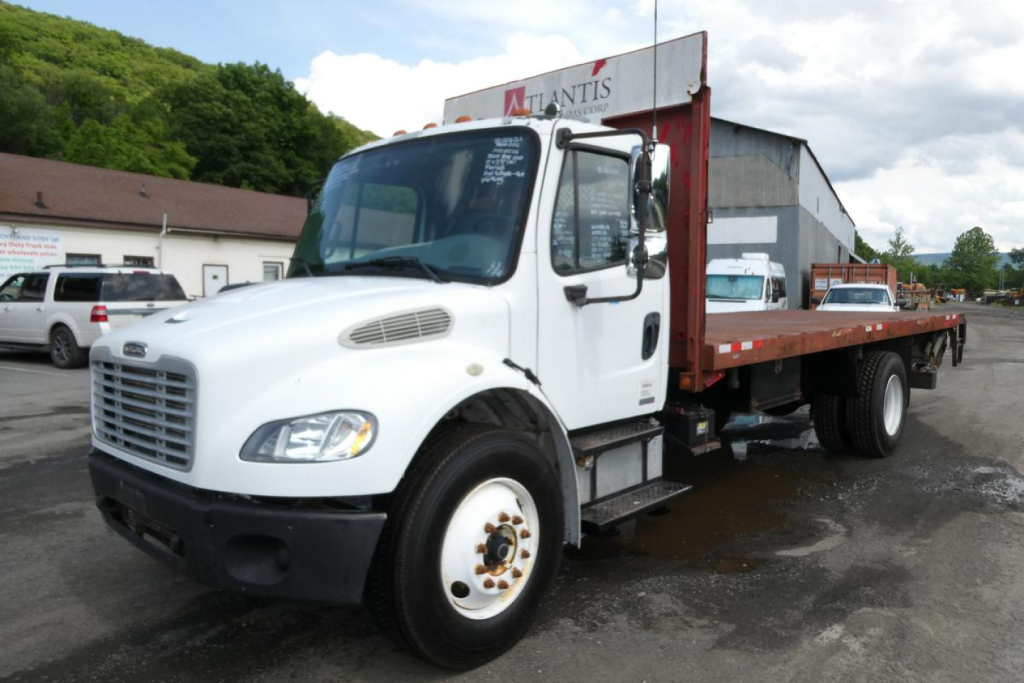
Selling a 2006 flatbed truck? List your 2006 flatbed truck for sale and reach thousands of commercial buyers.
2006 Flatbed Trucks
Bed design is where these trucks separate quickly. A steel deck usually brings durability and better resistance to point-loading from pallets, machinery, and job-site materials, while an aluminum bed can reduce curb weight and improve payload. Stake pockets, rub rails, winches, and tie-down points matter if the truck will handle mixed freight or equipment. Buyers shopping for landscape or equipment applications should pay close attention to dovetails, beavertails, spring-assisted ramps, deck height, and headboard design. Toolboxes, underbody storage, mesh sides, and receiver or pintle hitch setups can add real value if they match the work. On older flatbeds, deck corrosion, cracked crossmembers, loose mounting hardware, and repairs around the rear sill are worth inspecting closely.
A 2006 flatbed truck is also old enough that chassis condition should weigh as heavily as engine make. Look at frame rust, spring hangers, brake lines, steering play, driveline vibration, and evidence of hard towing or overloading. If the truck has hydraulic or electric trailer brake controls, PTO equipment, or auxiliary lighting, confirm everything works and that wiring repairs were done cleanly. Tire age, not just tread depth, is important on trucks that may sit between jobs. Cab condition can reveal how the truck was used, and service records help separate a maintained work truck from one that simply starts and runs.
This equipment class is also commonly called a platform truck or flat bed truck, and in some listings it overlaps with stake beds, landscape beds, or rollback-style equipment haulers depending on body setup. For buyers comparing 2006 units, the best value usually comes from matching the body and chassis to the load instead of chasing the lowest price. A properly sized flatbed with the right deck length, secure tie-down options, and enough axle capacity will usually outperform a cheaper truck that is overloaded, poorly configured, or expensive to keep on the road.
Frequently Asked Questions about 2006 Flatbed Trucks
What should I check first on a 2006 flatbed truck?
Start with the truck’s GVWR, front and rear axle ratings, wheelbase, and the flatbed’s usable deck length and width. Those numbers determine whether the truck can legally and safely handle your freight, equipment, or material load. After that, inspect frame condition, bed structure, crossmembers, ramps if equipped, and the condition of the powertrain, brakes, tires, and steering components. On a 2006 model, structural and maintenance condition usually matter more than appearance.
Is a steel flatbed or aluminum flatbed better on a 2006 truck?
Steel flatbeds are generally preferred for rugged contractor, equipment, and material work because they tolerate concentrated loads and rough use well. Aluminum flatbeds reduce body weight, which can improve payload and fuel economy, and they resist corrosion better. The better choice depends on the application. If the truck will carry machinery, pallets of dense material, or frequent forklift loading, steel is often the safer bet. If payload and rust resistance are higher priorities, aluminum can be a strong option.
What bed features are most useful on a used flatbed truck?
The most valuable features are the ones that secure cargo efficiently and match your loading method. Stake pockets, rub rails, D-rings, sliding winches, and a strong headboard are important for general freight and equipment restraint. A beavertail or dovetail with spring-assisted ramps helps when loading mowers, skid steers, or compact machines. Underbody toolboxes, mesh sides, and hitch equipment add convenience, but only if they support the type of work the truck will actually do.
Are 2006 flatbed trucks good for towing trailers and equipment?
Many are, but capability depends on the chassis rating, hitch setup, rear axle ratio, brake system, and engine-transmission combination. A flatbed truck with a receiver hitch or pintle hitch may look ready to tow, but the legal towing capacity still comes from the truck’s ratings and how it is equipped. Buyers should verify GVWR, GCWR if available, hitch rating, brake controller operation, and rear suspension condition before planning regular trailer use.
Why do wheelbase and deck length matter so much on a flatbed truck?
Wheelbase affects turning radius, ride quality, and how well the truck carries a given body length. Deck length determines what the truck can haul without unsafe overhang or poor weight distribution. A short wheelbase truck is easier to maneuver in urban work, but it may limit bed size and payload balance. A longer wheelbase supports a longer deck and can improve load placement, but it may be less convenient in tight job sites or delivery routes.