
2006 Commercial Trucks For Sale in Florida
Browse 2006 trucks for sale in Florida, including medium and heavy-duty work trucks with diesel power, PTO options, and vocational bodies.

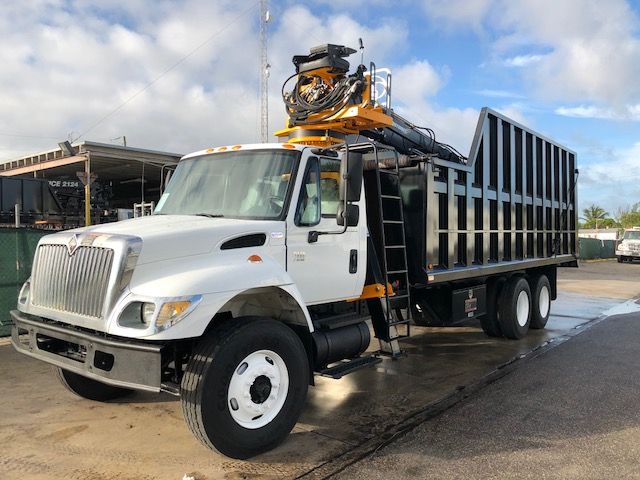
Selling a 2006 commercial truck? List your 2006 commercial truck for sale and reach thousands of commercial buyers.
2006 Commercial Trucks in Florida
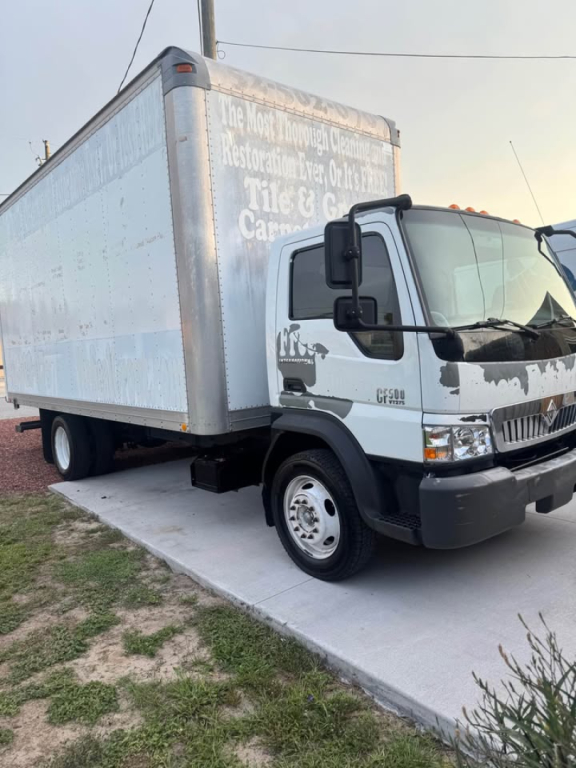
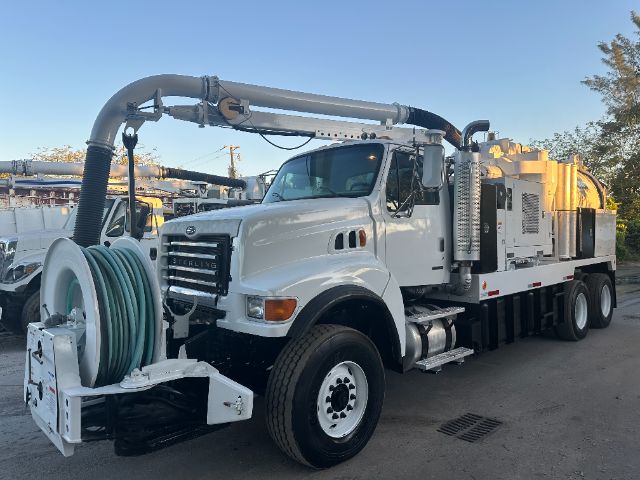
The most important decision is usually the chassis and application match. In the 2006 market, trucks may be set up as flatbeds, rollback tow trucks, dump trucks, box trucks, service trucks, hooklift trucks, refuse units, or day cab tractors. Common engines from this era include Cummins ISC and ISB, Caterpillar C7 and C13, Detroit Diesel Series 60, and Mercedes-Benz MBE platforms, depending on class and make. Transmissions are often Allison automatics in vocational work or Fuller manual transmissions in heavier specs. Check GVWR, axle ratings, wheelbase, PTO provision, suspension type, and brake system before comparing body equipment, because those chassis specs determine how well the truck fits the intended job.
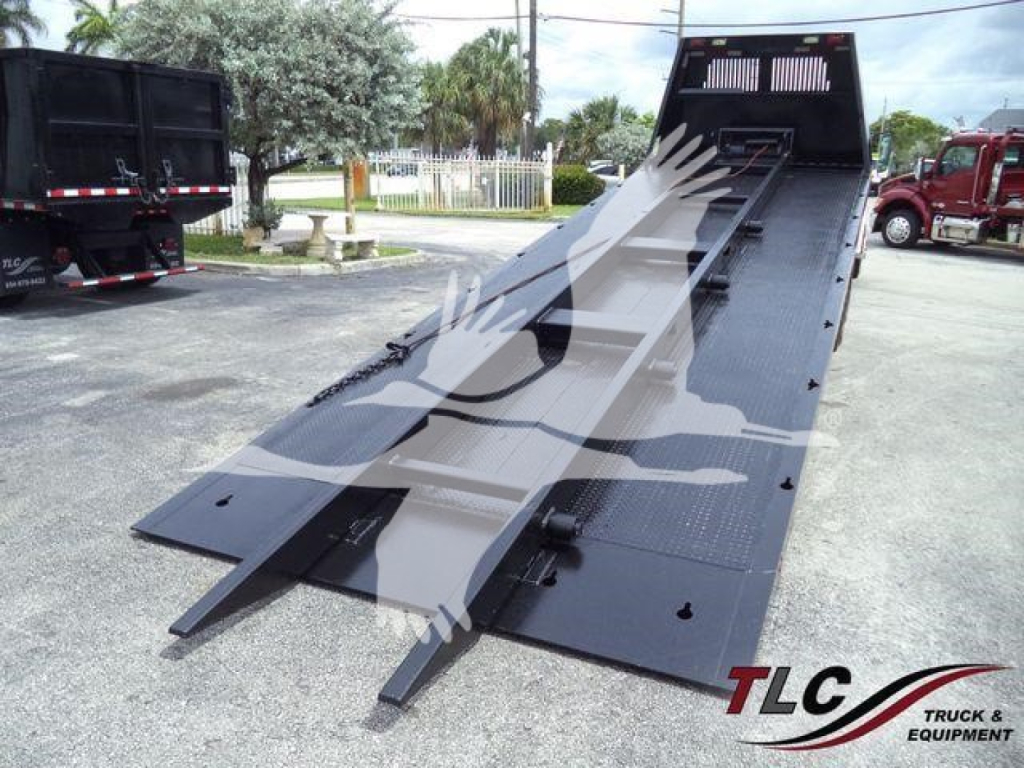
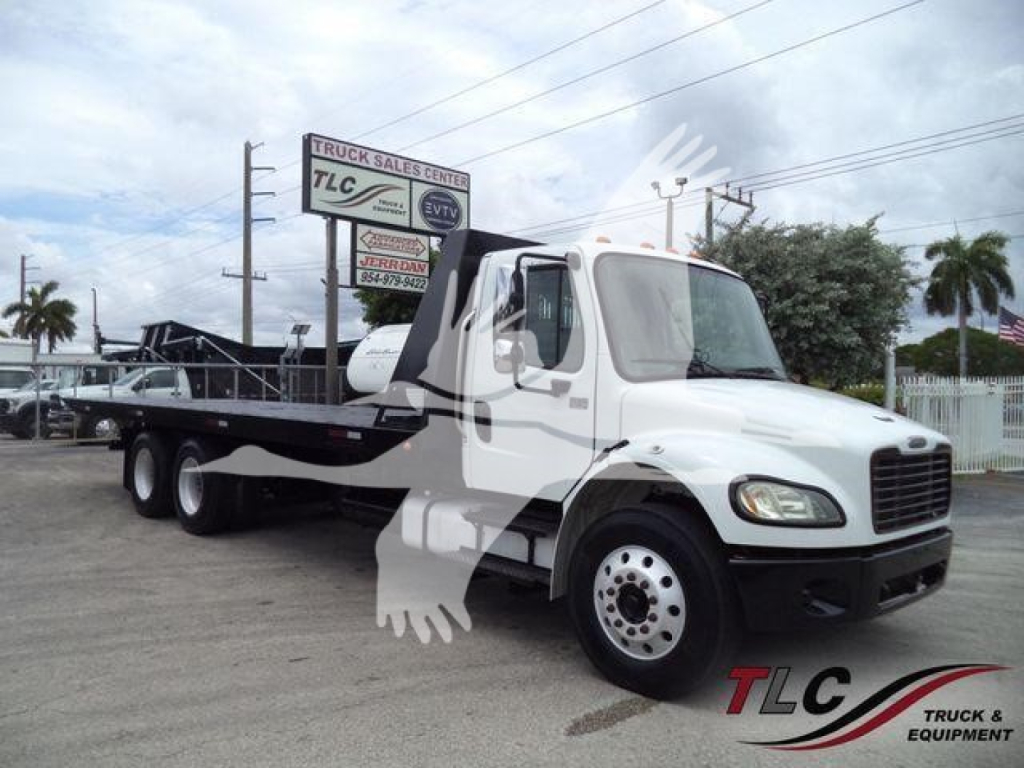
Buyers in Florida should pay attention to registration class, bridge-sensitive routes, and the effect of truck weight on payload in construction, towing, or municipal work. A 2006 truck may offer strong value if the body has been updated or the truck has documented maintenance, but age makes inspection more important. Look for frame condition, engine blow-by, injector or turbo issues, transmission shift quality, hydraulic leaks, wiring repairs, and wear in kingpins, spring pins, and suspension components. On vocational trucks, inspect the body separately from the chassis. A rollback should be checked for deck condition, winch function, wheel-lift wear, and remote operation. A dump or hooklift should be checked for hoist performance, hinge wear, floor thickness, and PTO engagement.
Cab configuration, fuel type, and parts support also matter more on older trucks. Regular cab units remain common in vocational service, while crew cabs and extended cabs can add versatility for field crews. Diesel trucks dominate the heavier classes, but some lighter 2006 work trucks may be gas-powered and easier to maintain for low-mile local use. The best 2006 truck is usually the one with the right body, clear service history, and a chassis spec that leaves enough capacity for the job without pushing the truck to its limits every day.
Frequently Asked Questions about 2006 Commercial Trucks in Florida
Are 2006 trucks a good value for commercial use?
They can be, especially for buyers who want a lower purchase price and simpler systems than many newer trucks. The value depends less on age alone and more on maintenance history, engine hours, body condition, and whether the chassis specification matches the work. A well-kept 2006 vocational truck can still be productive, but inspection is critical because wear in driveline, hydraulics, suspension, and electrical systems becomes more likely at this age.
What should I inspect first on a 2006 used truck?
Start with the chassis fundamentals: engine condition, transmission operation, frame integrity, suspension wear, brake performance, tire date codes, and signs of fluid leaks. After that, inspect the vocational equipment such as PTO systems, hydraulic cylinders, winches, hoists, wheel-lifts, or body mounts. On a Florida truck, check A/C output, sun-related interior wear, and corrosion on wiring, connectors, and underbody hardware from humidity or coastal exposure.
Do 2006 trucks have simpler emissions systems than newer trucks?
Many 2006 trucks appeal to buyers because they generally predate the more complex emissions hardware found on later models. That can mean fewer components related to aftertreatment and potentially lower diagnostic complexity. Buyers should still verify the exact engine family and emissions configuration, because specifications vary by engine make, GVWR class, and original build.
What types of trucks are common in the 2006 market?
The 2006 market often includes medium-duty box trucks, flatbeds, rollback carriers, dump trucks, service trucks, utility bodies, refuse trucks, hooklift units, and day cab tractors. This model year is common in vocational fleets where the truck has been rebuilt, repowered, or fitted with a newer body. Buyers should compare the body condition and equipment brand just as closely as the cab and chassis.
How important is GVWR on a 2006 truck?
GVWR is one of the most important numbers on any work truck because it affects payload, licensing, operating costs, and how the truck performs in daily service. On an older truck, it also helps determine whether the chassis is being asked to do more than it was designed for. Matching GVWR, axle ratings, wheelbase, and suspension to the intended application is more important than focusing on engine size alone.