
2006 Pickup 2wd Trucks For Sale
Shop 2006 2WD pickup trucks for work or light towing. Compare gas and diesel options, payload, cab setups, bed lengths, and operating costs.
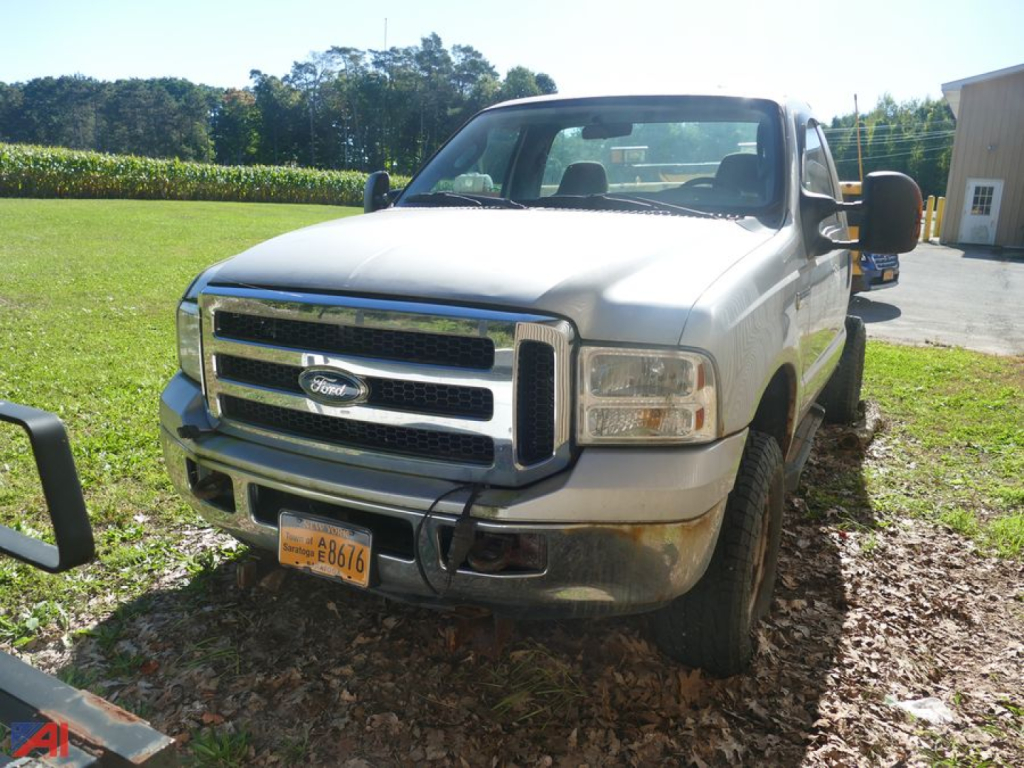
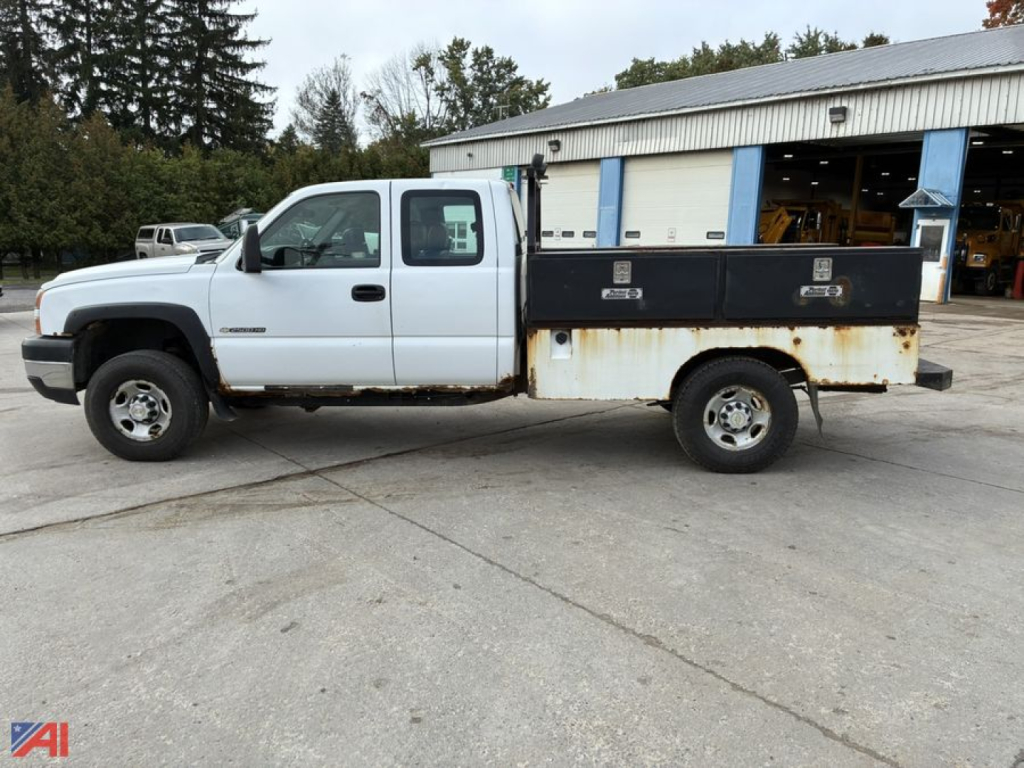
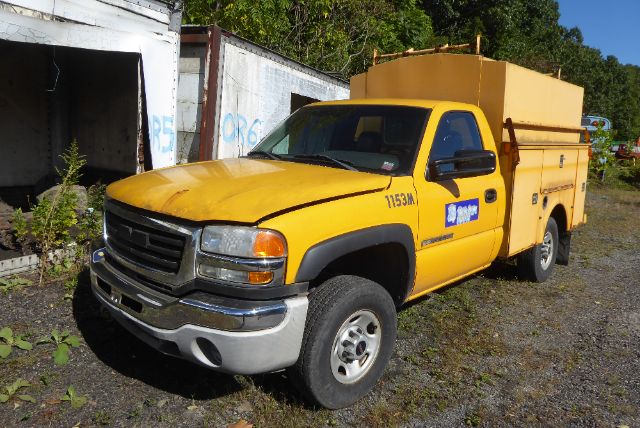
Looking for the easiest place to sell your 2006 pickup 2wd truck? List it here to reach thousands of buyers.
2006 Pickup 2wd Trucks
The first decision is usually payload and towing class. A 1500 or F-150 class truck is generally suited for lighter trailers, parts runs, landscaping, and mixed personal-commercial use. A 2500, 2500HD, or F-250 class truck is better aligned with heavier service bodies, utility boxes, palletized material, and frequent towing. On 2006 pickups, buyers will commonly see gas V8 engines, with diesel options more common in heavier GVWR configurations. Transmission choice matters on older pickups because long-term operating cost often follows transmission condition, cooling system health, and rear axle ratio. Cab layout and bed setup also drive value. Regular cab long-bed trucks remain popular in work fleets, while extended cab and crew cab configurations bring more flexibility for tools, crews, and daily-driver use.
Condition matters more than badge on a 2006 pickup 2WD. Frame corrosion, suspension wear, brake line condition, steering play, differential noise, and evidence of towing abuse should all be checked closely. On gas engines, look for intake, cooling, and ignition-related service history. On diesel-equipped examples, pay attention to injector performance, turbo condition, blow-by, and emissions-era modifications if applicable. Utility-body and service-body pickups deserve an extra look at compartment integrity, PTO or hydraulic equipment, and overall upfit quality. Tire size, wheel rating, spring pack condition, hitch setup, and brake type all help confirm whether the truck matches the work it is expected to do.
For many buyers, a 2006 2WD pickup truck still makes sense as a cost-controlled work platform. It can handle tools, materials, and moderate trailer loads without the added purchase price and driveline complexity of four-wheel drive. Buyers comparing listings should focus on GVWR class, wheelbase, bed length, engine type, axle ratio, service records, and signs of commercial use. A clean 2WD pickup with the right cab, bed, and drivetrain can be a dependable choice for pavement-based operations, farm support, light construction, and general-purpose hauling.
Frequently Asked Questions about 2006 Pickup 2wd Trucks
What are the main advantages of a 2006 2WD pickup truck compared with a 4x4?
A 2006 2WD pickup truck typically has a lower purchase price, fewer front-driveline components, and lower maintenance complexity than a comparable 4x4. Without a transfer case, front differential, and additional axle components, service and repair costs can be easier to manage over time. A 2WD truck also tends to carry less weight, which can help ride quality, steering feel, and fuel economy in on-road use. The tradeoff is reduced traction on snow, mud, loose gravel, and rough jobsites.
Is a 2006 2WD pickup good for towing?
Yes, if the truck is matched correctly to the trailer. Towing capability depends more on GVWR class, engine, transmission, axle ratio, cooling system, hitch equipment, and rear suspension than on the model year alone. A 2500 or 2500HD class 2WD pickup is generally a better choice for repeated towing than a half-ton truck. Buyers should confirm the truck's actual tow rating, inspect the transmission and brakes, and look for signs of heavy trailer use such as worn hitches, rear spring sag, or overheating history.
What should I inspect first on a used 2006 pickup 2WD?
Start with the frame, suspension, steering, brakes, and transmission condition. On a truck of this age, rust and deferred maintenance can affect reliability more than mileage alone. Check for frame scale, brake line corrosion, ball joint and tie-rod wear, uneven tire wear, driveline vibration, rear axle noise, and leaks around the engine, transmission, and differential. Service records, cold-start behavior, and evidence of commercial upfit use can tell you a lot about how the truck was operated.
Which is better in a 2006 2WD pickup, gas or diesel?
Gas engines are often the simpler and less expensive choice for lighter-duty use, shorter trips, and lower annual mileage. Diesel engines can offer stronger low-end torque and better performance under heavier loads, especially in three-quarter-ton and one-ton applications. On a 2006 truck, the better option depends on the truck's duty cycle and maintenance history. A well-kept gas truck can be the smarter buy for general work, while a properly maintained diesel may be worth the premium for frequent towing or heavier payload demands.
Are utility-body versions of 2006 2WD pickups worth considering?
Yes, especially for service contractors, municipalities, maintenance departments, and buyers who need organized tool storage. A utility-body 2WD pickup can deliver better daily productivity than a standard pickup bed because compartments keep tools, fittings, and parts secure and accessible. The buyer should verify the condition of the body, compartment latches, flooring, wiring, and any hydraulic or PTO-driven equipment. It is also important to confirm that the added body weight still leaves enough usable payload for the intended job.