
2006 Ottawa Trucks For Sale
Browse 2006 Ottawa trucks, including yard spotters and terminal tractors built for trailer shuttling, dock work, port use, and short-haul moves.
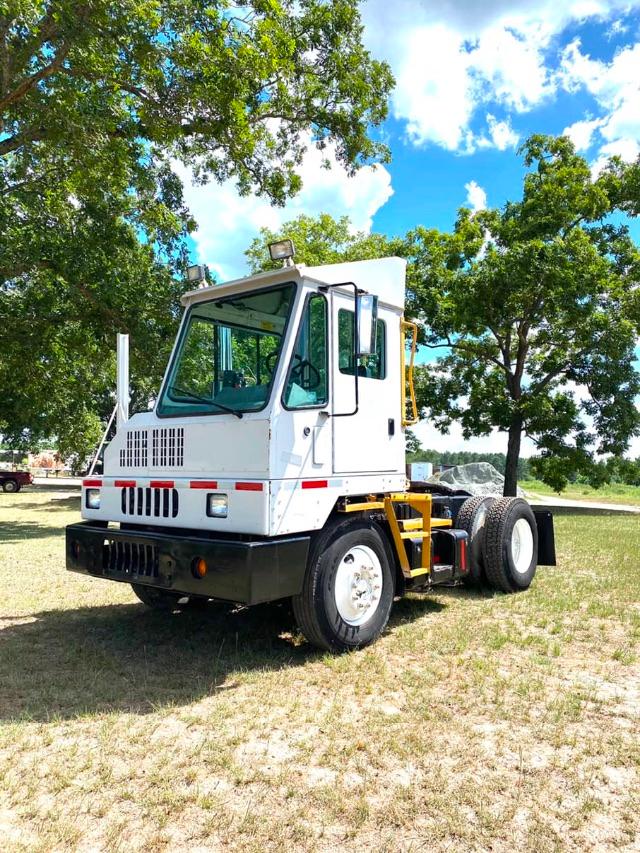
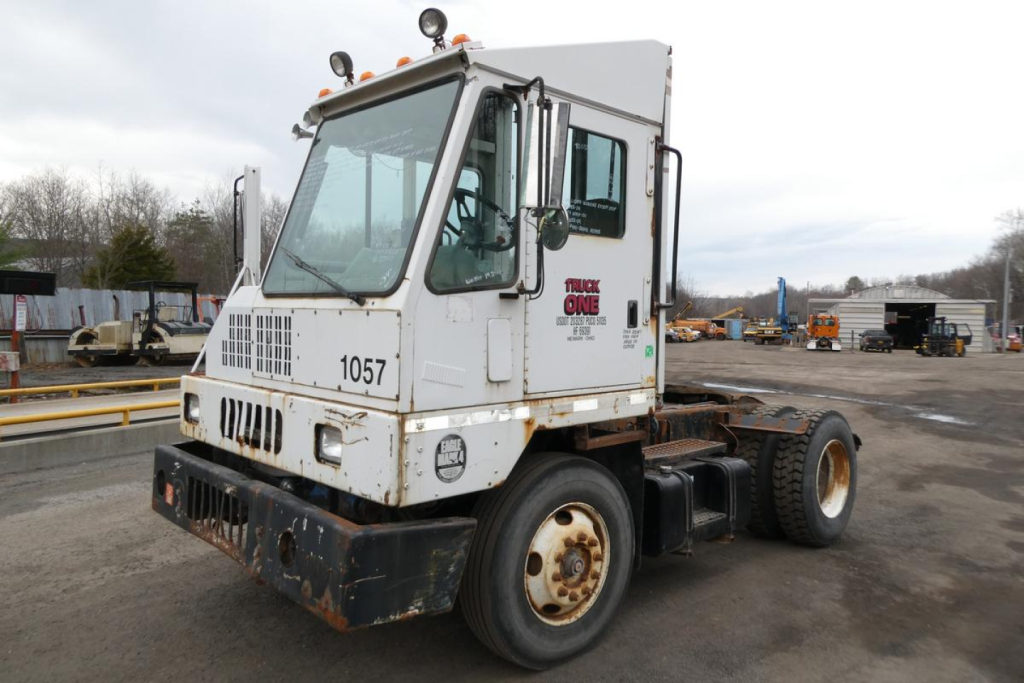
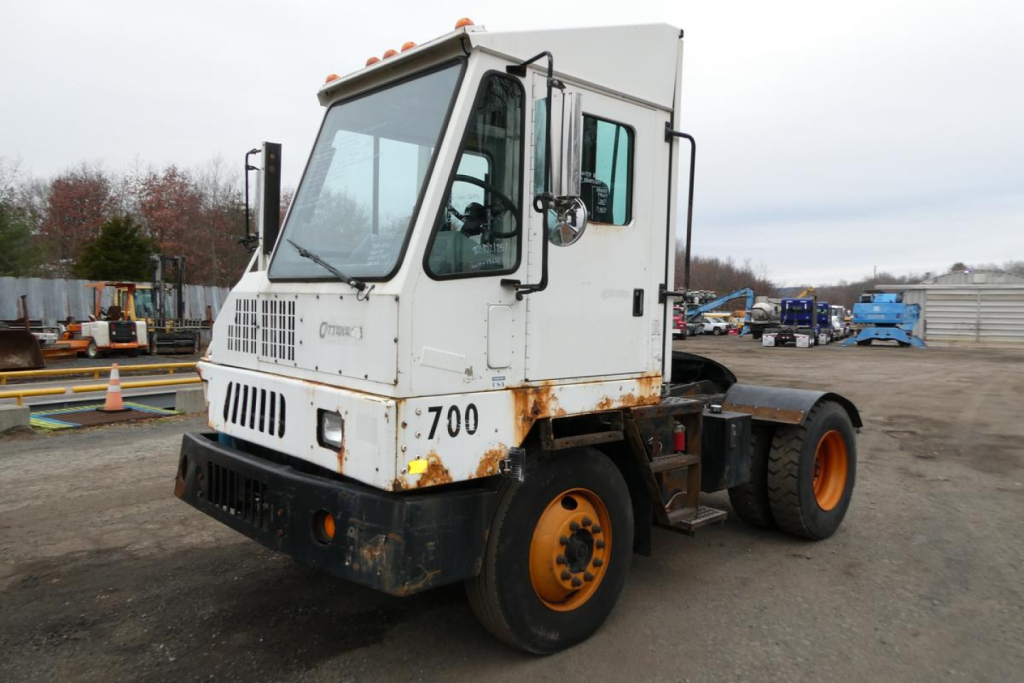
Selling a 2006 ottawa truck? List your 2006 ottawa truck for sale and reach thousands of commercial buyers.
2006 Ottawa Trucks
For buyers comparing 2006 Ottawa trucks, the key decisions usually come down to DOT-legal capability, powertrain condition, and hydraulic fifth wheel performance. Many units from this period use Cummins diesel engines paired with Allison automatic transmissions, a combination that fits stop-and-go yard duty well and keeps training simple for multiple operators. Rear axle ratings, wheelbase, and axle configuration matter because they affect trailer handling, turning clearance, and stability under constant shuttling. A true yard-only tractor may prioritize maneuverability over road speed, while a DOT-legal hostler can add flexibility for short public-road transfers between lots or nearby facilities.
Hours and maintenance history are often more important than model year alone in this category. A 2006 Ottawa may have seen intensive service with frequent starts, idling, and repeated fifth wheel cycles, so buyers should pay close attention to transmission shift quality, steering response, cooling system condition, brake performance, suspension wear, and lift-cylinder operation. The hydraulic system is central to productivity, so check for smooth power up and power down function, leaks at cylinders and lines, and proper kingpin engagement. Tires, cab mounts, air conditioning, driver seat condition, and access steps also matter because yard tractors are used constantly through the shift and operator comfort affects throughput.
Ottawa trucks from this generation remain relevant because they are straightforward, purpose-built machines with proven parts support and a familiar layout for fleet technicians. Common specs in the category include single axle or 4x2 setups, low-profile 22.5 tires, solid or spring suspension, power steering, and a raised cab configuration for dock and trailer visibility. For operations focused on warehouse yards, drop lots, food distribution, parcel hubs, and container handling, a 2006 Ottawa truck can still be a practical fit when the drivetrain, hydraulics, and structural components have been properly maintained.
Frequently Asked Questions about 2006 Ottawa Trucks
What is a 2006 Ottawa truck typically used for?
A 2006 Ottawa truck is most commonly used as a yard spotter or terminal tractor for moving semi-trailers around a confined property. Typical applications include warehouse trailer shuttling, dock door staging, drop-and-hook operations, container yard work, and short transfers between nearby facilities. These trucks are engineered for frequent stops, tight turns, and fast trailer engagement rather than over-the-road freight hauling.
Are all 2006 Ottawa trucks road legal?
No. Some 2006 Ottawa trucks are yard-only units, while others are configured to be DOT legal for limited on-road use. A buyer should confirm lighting, braking, registration status, top speed capability, and any required compliance equipment before assuming a truck can operate on public roads. DOT-legal capability is important if the truck will cross streets, move between terminals, or handle short local transfers.
What should buyers inspect first on a used 2006 Ottawa yard tractor?
Start with the hydraulic fifth wheel, transmission, engine, and overall frame condition. The fifth wheel lift system should raise and lower smoothly without leaks or hesitation, and the locking mechanism should engage the kingpin correctly. The Allison automatic transmission should shift cleanly under load, and the engine should start easily, idle properly, and hold temperature during repeated yard cycles. Buyers should also look at hour meter accuracy, steering wear, tire condition, cab access points, and signs of frame repairs or corrosion.
Which powertrain is common in Ottawa terminal tractors from this era?
Many Ottawa terminal tractors from the mid-2000s are equipped with Cummins diesel engines and Allison automatic transmissions. This setup is common because it handles stop-and-go work well, reduces driver fatigue, and is familiar to most fleet service departments. Exact horsepower, engine family, and axle ratings vary by configuration, so buyers should match the truck's specs to trailer weights and the demands of the yard.
Why does a hydraulic fifth wheel matter on an Ottawa spotter?
The hydraulic fifth wheel is one of the defining features of a terminal tractor because it allows the operator to pick up and set down trailers without landing gear cranking for every move. That saves time at busy docks and improves trailer handling efficiency across the yard. A strong hydraulic system also helps reduce delays, so buyers should verify cylinder condition, hydraulic pressure, control response, and overall lift performance before purchase.