
2006 Pickup 4wd Trucks For Sale
Browse 2006 4WD pickup trucks for sale, including light-duty and heavy-duty models with common towing, payload, cab, bed, and drivetrain options.
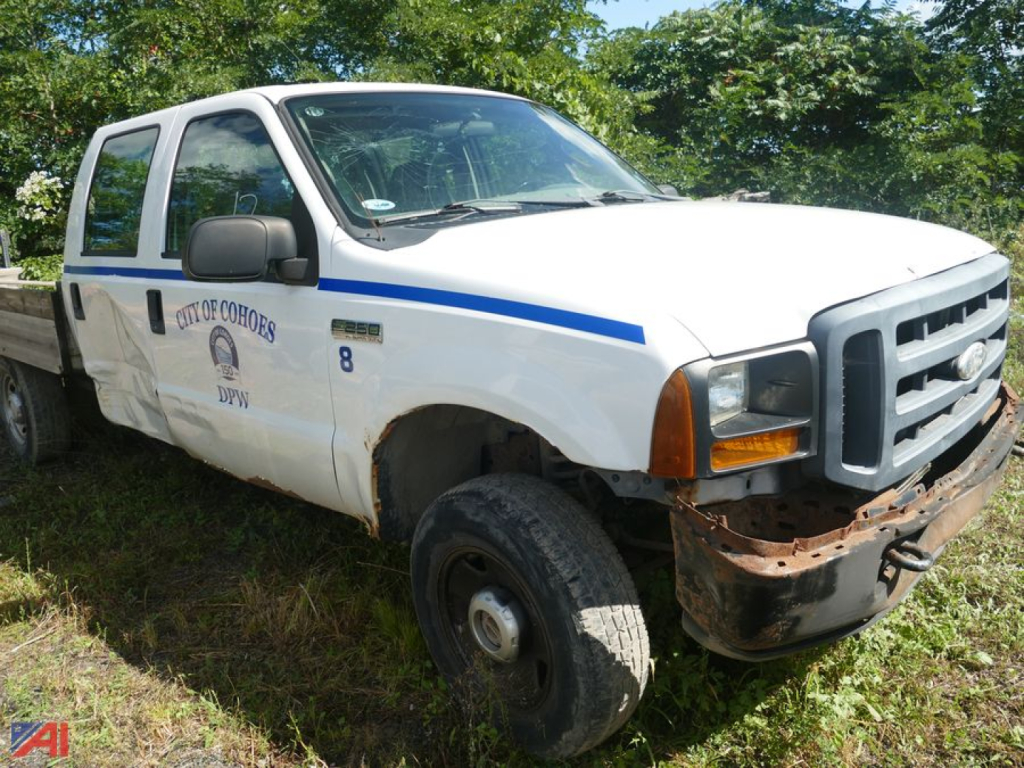
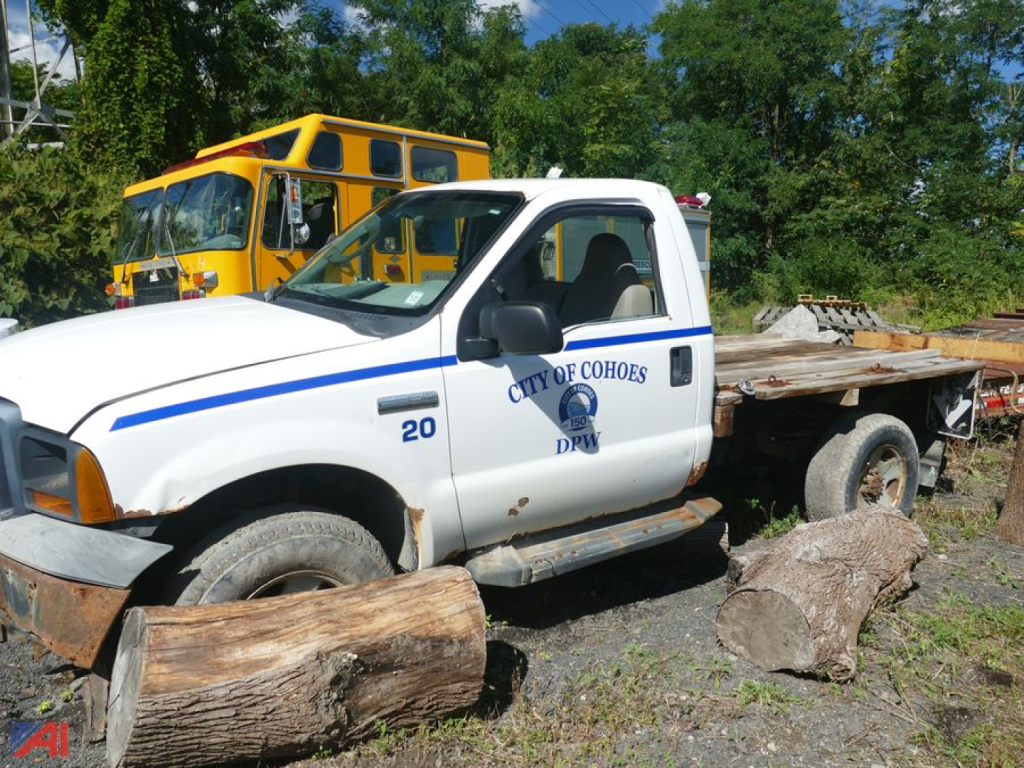
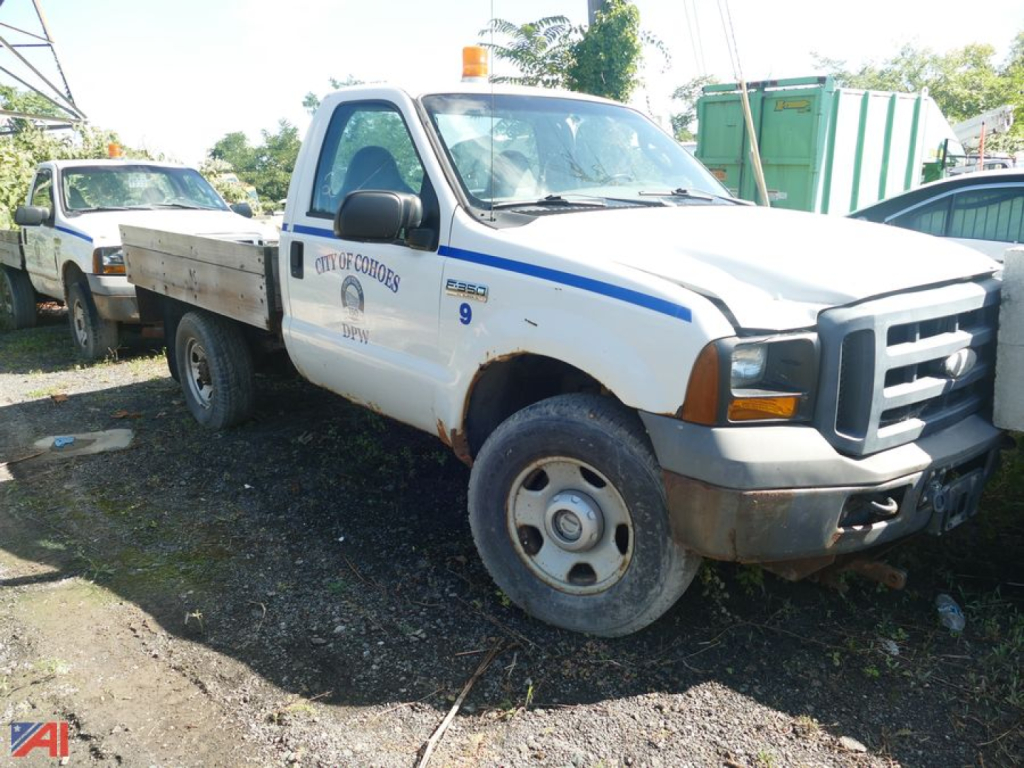

Looking for the easiest place to sell your 2006 pickup 4wd truck? List it here to reach thousands of buyers.
2006 Pickup 4wd Trucks
Powertrain choice is a major buying decision in this segment. Many 2006 4x4 pickups were equipped with gasoline V8 engines, while heavy-duty models could also be found with diesel options that improve low-end torque and long-haul towing performance. Transmission condition, transfer case operation, front axle engagement, and differential service history matter as much as engine output on an older 4WD truck. Buyers should also pay close attention to wheelbase, cab configuration, and bed length because those details affect maneuverability, payload distribution, and trailer stability. Extended cab, crew cab, regular cab, short bed, and long bed setups each change how the truck works in the field. GVWR, axle ratings, receiver hitch capacity, and tire load range should be checked against the job rather than assumed from the badge on the fender.
On a 2006 pickup 4wd, condition is usually more important than trim level. Frame corrosion, cab corners, rocker panels, spring hangers, brake lines, and bed supports deserve a close inspection, especially in snow-belt regions. Front-end wear is common on higher-mileage 4x4 trucks, so ball joints, tie rods, hub bearings, U-joints, and steering components should be evaluated carefully. If the truck has been used with a plow, look for wear in the front suspension, charging system, transmission, and cooling components. Work-truck features such as service bodies, toolboxes, gooseneck or fifth-wheel hitches, tow packages, brake controllers, and auxiliary lighting can add value if they match the intended application.
For many buyers, a 2006 4WD pickup remains a practical platform because it is simple, familiar, and widely supported in the aftermarket. Parts availability is generally strong across major domestic brands, and many trucks from this era can still be maintained without the complexity found in newer models. The best choice comes down to intended use: a lighter half-ton for mixed personal and light commercial duty, or a heavier Super Duty, HD, or one-ton truck for regular towing, bed weight, and hard-use fleet work. A careful review of drivetrain condition, rust, suspension wear, and real-world capacity will tell you more than cosmetic appearance on any used 2006 four-wheel-drive pickup.
Frequently Asked Questions about 2006 Pickup 4wd Trucks
What should I check first on a used 2006 4WD pickup truck?
Start with the frame, rust-prone structural areas, and the full 4WD system. On a 2006 truck, frame scale, brake line corrosion, rocker panel rust, and worn front-end parts can turn an inexpensive purchase into a costly repair. Verify that the transfer case shifts correctly, the front axle engages properly, and there is no driveline binding, hub noise, or excessive play in steering and suspension components. Service records for transmission, differential, and transfer case fluids are also valuable on older 4x4 trucks.
Is a 2006 half-ton 4WD pickup enough for towing, or should I look at a 3/4-ton or 1-ton truck?
That depends on trailer weight, tongue weight, and how often the truck will tow. A half-ton 4WD pickup from 2006 can handle utility trailers, small equipment, and lighter recreational loads, but repeated heavy towing is better suited to a 3/4-ton or 1-ton chassis. Heavy-duty trucks typically have stronger axles, higher GVWR, firmer suspension, larger brakes, and driveline components built for sustained work. The safest way to choose is to compare the truck’s door-sticker ratings and hitch capacity to the actual loaded trailer, not the empty trailer spec.
Are diesel engines worth it in a 2006 4WD pickup truck?
A diesel can be worth it if the truck will regularly pull heavy loads or cover long distances with a trailer. Diesel pickups from this era generally offer stronger low-rpm torque and better towing performance than comparable gas models, but repair costs can be higher and maintenance history becomes critical. For lighter use, shorter trips, snow work, or general property maintenance, a gasoline V8 may be the simpler and more economical option. The right answer depends on workload, not just fuel type.
Do plow-equipped 2006 4WD pickups need extra inspection?
Yes. A truck that has carried a snowplow should be inspected more closely at the front suspension, steering linkage, transmission, cooling system, charging system, and frame horns or mount points. Plowing adds stress at low speeds and often means long idle time, repeated shifting, and operation in corrosive winter conditions. A plow truck can still be a solid buy if it has been maintained properly, but buyers should expect more wear than on a similar truck used only for highway or light-duty service.
What specs matter most when comparing 2006 4x4 pickup trucks?
Focus on GVWR, axle ratings, engine, transmission, cab style, bed length, wheelbase, tire load range, and hitch setup. Those specs determine how the truck will actually perform with cargo, trailers, snow equipment, or off-pavement use. Cab and bed configuration affect both payload balance and maneuverability, while axle ratio and tire size influence towing behavior and road speed. On older pickups, condition and actual configuration matter more than trim package names.