
2006 Garbage Trucks For Sale
Browse 2006 garbage trucks for sale, including rear, front, and side loaders with packer bodies built for municipal and refuse hauling work.
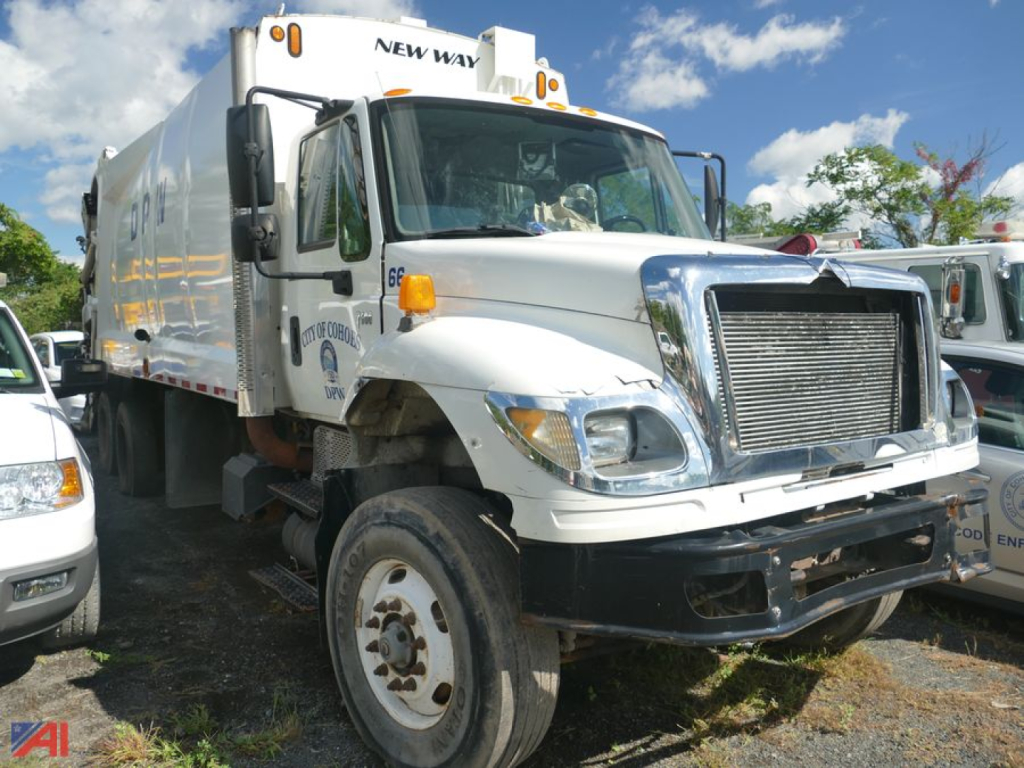
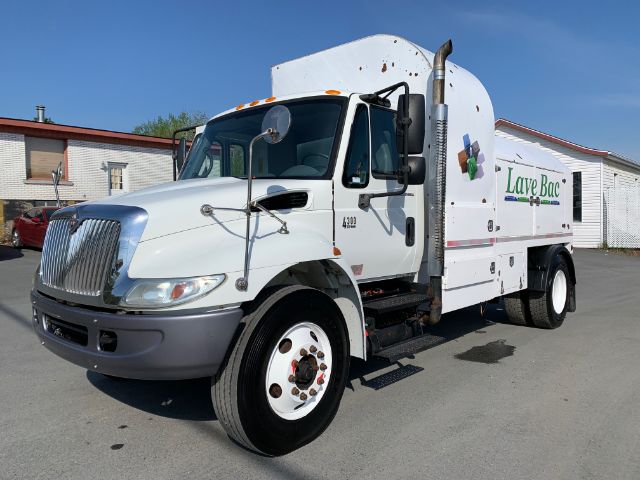

Looking for the easiest place to sell your 2006 garbage truck? List it here to reach thousands of buyers.
2006 Garbage Trucks
For a 2006 refuse truck, the key chassis decisions usually come down to axle ratings, wheelbase, transmission spec, and engine emissions equipment. Many trucks from this era were built with heavy front axles, 40,000 to 46,000 lb rears, and Allison automatic transmissions that suit stop-and-go collection work. Buyers should confirm GVWR, bridge compliance, turning radius, and whether the truck is set up for the route type it will actually run. A residential side loader needs good sightlines, stable suspension, and reliable arm hydraulics. A front loader needs the right lift capacity, fork geometry, and frame reinforcement for repeated commercial container pickups. A rear loader should be checked for pack cycle speed, tailgate operation, and hopper wear if it will see dense daily routes.
Condition matters more than age in this category. Refuse trucks live in one of the harshest duty cycles in the industry, with constant stops, PTO operation, body shock loading, corrosion exposure, and high idle time. It is smart to inspect crossmembers, spring hangers, steering components, brake condition, and any evidence of cracking around body mounts or arm structures. On the body side, look closely at ejector tracks, packer blades, control valves, pump performance, hoses, and weld repairs. Units that spent their life in municipal service may have documented maintenance histories, but buyers should still verify engine hours, PTO hours if available, and the overall relationship between odometer mileage and body wear.
A well-matched 2006 garbage truck can still cover local refuse, recycling, yard waste, or private hauling routes at a lower acquisition cost than newer equipment. The best value usually comes from finding a truck with a body style that fits the route immediately, rather than planning an expensive rebuild after purchase. Buyers comparing 2006 garbage trucks for sale should pay close attention to loader type, body capacity in cubic yards, hydraulic responsiveness, legal payload capability, and parts support for both the chassis and the refuse body. In this segment, uptime depends on how well the whole package was spec'd and maintained, not just the badge on the hood.
Frequently Asked Questions about 2006 Garbage Trucks
What should I inspect first on a 2006 garbage truck?
Start with the refuse body and hydraulic system, because those components usually determine the truck's true operating value. Check the hopper, packer blades, body floor, tailgate seal, cylinders, hoses, control valves, and any automated arm or fork system for wear, leaks, or structural repairs. After that, inspect the chassis for frame damage, axle condition, steering play, brake wear, suspension fatigue, and transmission operation under PTO-related duty.
Are 2006 garbage trucks still usable for municipal or private refuse routes?
Yes, many are still usable if maintenance has been consistent and the truck matches the route. Refuse work is severe service, so a 2006 unit with a solid body, dependable hydraulics, and documented upkeep can still perform well on local hauling, recycling, or backup route work. The real question is not just age, but remaining life in the body, arm system, drivetrain, and structural components.
Which body style is best: rear loader, front loader, or side loader?
The best body style depends on the containers and route design. Rear loaders are common for hand-load residential and small commercial stops. Front loaders are built for commercial dumpster service and repeated container lifts. Side loaders, including automated side loaders, are preferred for cart-based residential routes where one operator can run efficiently. Matching the body style to the route is one of the biggest factors in operating cost and productivity.
What engine and transmission specs are common on a 2006 garbage truck?
Many 2006 garbage trucks were spec'd with medium-heavy to heavy-duty diesel engines and Allison automatic transmissions because refuse work demands smooth low-speed operation and frequent stop-start cycles. Front axle ratings around 18,000 to 20,000 lbs and rear ratings around 40,000 to 46,000 lbs are common, depending on body type and intended payload. Exact specs vary by make, wheelbase, and refuse body configuration, so buyers should confirm the complete chassis tag and body data plate.
Why is body condition so important on used garbage trucks for sale?
The refuse body is where much of the truck's workload and wear is concentrated. Floors, packer tracks, eject systems, grabber arms, forks, and tailgates take repeated impact and hydraulic stress every day. Major body repairs can be expensive and can sideline the truck for long periods, so a strong body with responsive hydraulics and limited structural corrosion is often more valuable than a cleaner-looking truck with hidden packer or arm problems.