
Trailers For Sale in Ohio
Shop trailers for sale in Ohio including flatbed and lowboy trailers with common specs, axle setups, deck options, and hauling applications.
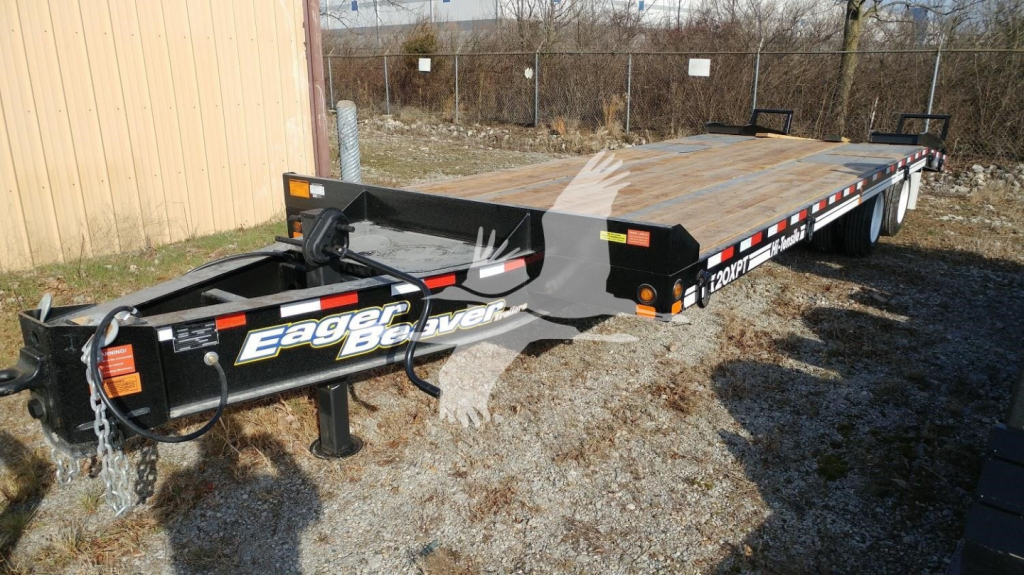
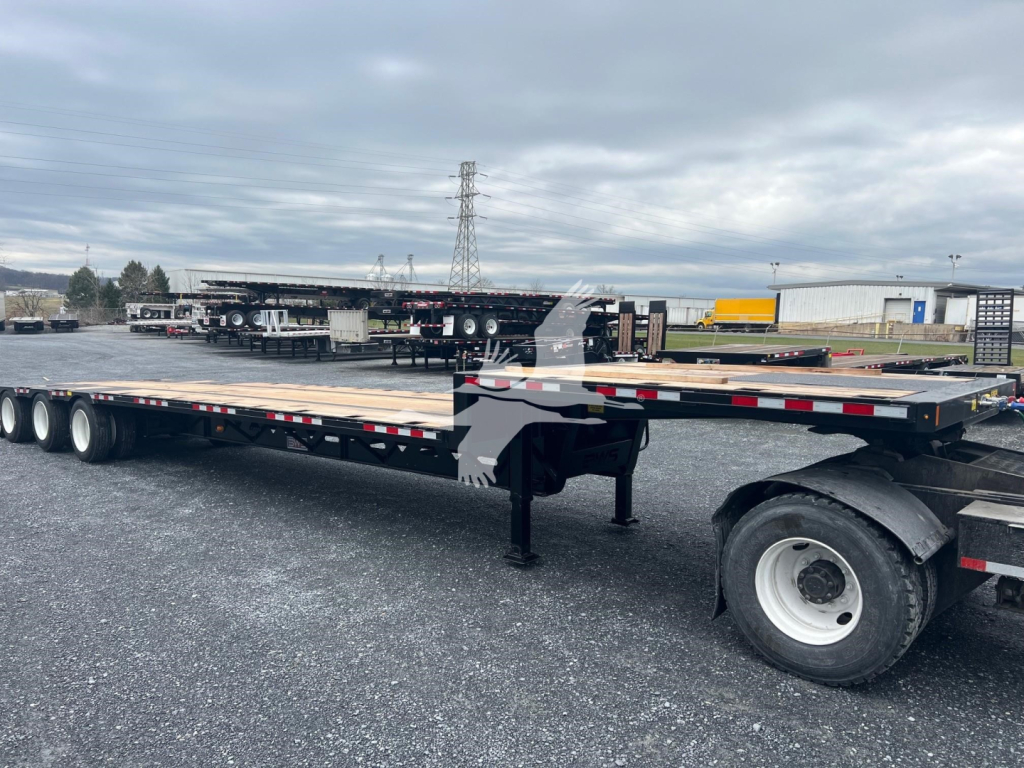
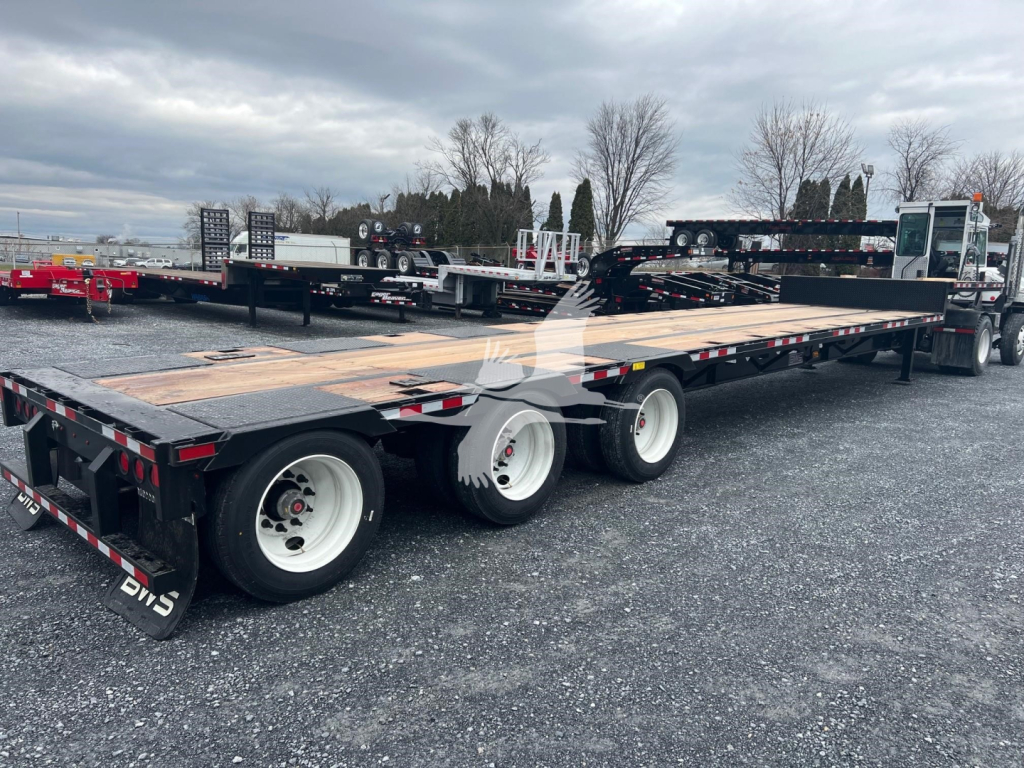
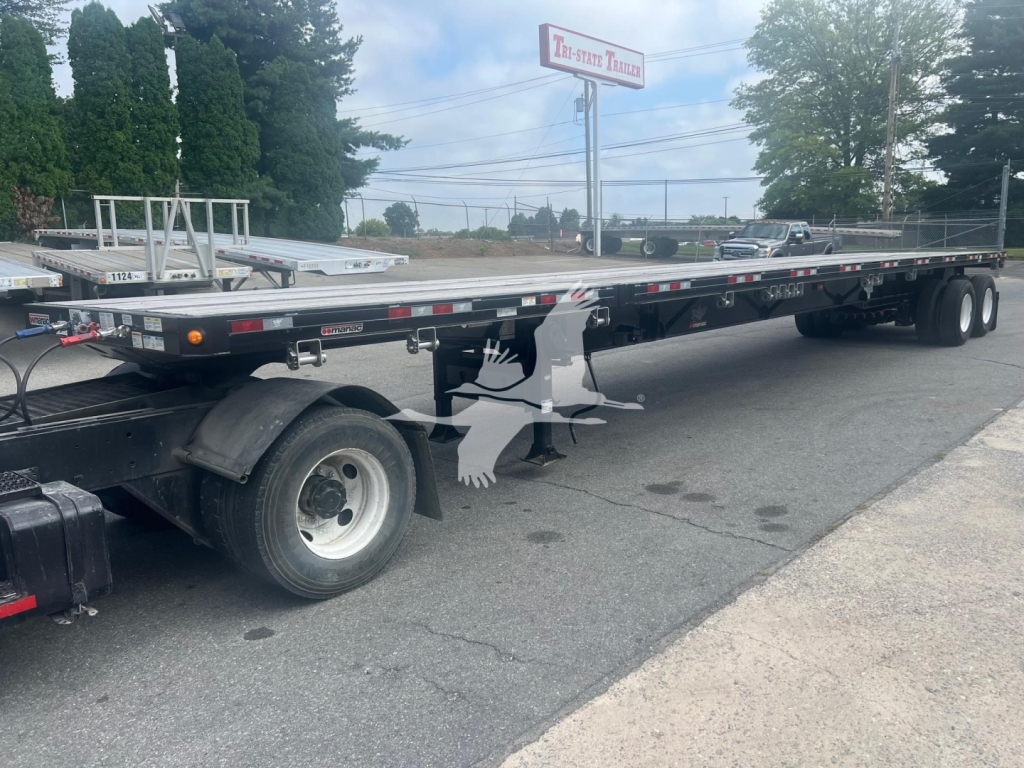
Showing 113 to 116 of 116 results
Looking for the easiest place to sell your trailer? List it here to reach thousands of buyers.
Trailers in Ohio
For flatbeds, the biggest decisions usually come down to trailer material, floor construction, and suspension. Aluminum models reduce tare weight and help maximize payload for legal freight, while steel flatbeds trade weight for durability in severe service. Common specs include 48-foot length, 102-inch width, tandem axles, air ride suspension, sliding winches, winch tracks, stake pockets, pipe spools, and Apitong or aluminum flooring. Buyers hauling steel or concentrated loads should pay attention to crossmember spacing, side rail rating, coil package specs, kingpin setting, and axle spread. Features like tire inflation systems, disc brakes, bulkheads, and extra toolboxes can also make a noticeable difference in uptime and cargo securement efficiency.
Lowboy buyers need to focus on loaded deck height, deck length, neck style, and capacity rating before anything else. Hydraulic detachable gooseneck trailers are common for equipment hauling because they simplify loading and improve approach angle for tracked and wheeled machines. In this class, you will often see 50-ton to 55-ton ratings, tri-axle configurations, air ride suspension, Apitong decking, swing-out outriggers, D-rings, lift axles, and provisions for flip axles or neck extensions. A 20-inch to 24-inch loaded deck height can be a major advantage when trying to stay legal on taller iron. In Ohio, that matters on regional construction, utility, and paving moves where permit planning, bridge laws, and route restrictions can quickly turn a marginal setup into an expensive one.
Used trailer shoppers should inspect frame condition, neck and suspension wear points, floor integrity, brake type, tire age, wheel-end service history, and any signs of concentrated-load fatigue around crossmembers or outer rails. On flatbeds, look closely at winch tracks, nailing strips, landing gear, and signs of prior deck repairs. On lowboys, inspect the gooseneck locking system, hydraulic components, pony motor, outriggers, ramp structure, and deck-to-bogie connection points. Ohio buyers moving freight across mixed interstate and local jobsite conditions often benefit from straightforward, serviceable specs with common tire sizes, established suspension brands, and securement layouts that match the freight they haul every week, not just the occasional oversized load.
Frequently Asked Questions about Trailers in Ohio
What is the difference between a flatbed trailer and a lowboy trailer?
A flatbed trailer is designed for general open-deck freight and typically rides much higher than a lowboy. It is the right fit for materials, palletized freight, pipe, steel, and many machines that can legally travel on a standard deck. A lowboy trailer is built for taller and heavier equipment because the deck sits much lower to the ground. That lower deck height helps keep overall loaded height within legal limits and makes lowboys a better choice for excavators, loaders, dozers, and other construction equipment.
What trailer specs matter most when buying in Ohio?
The most important specs are trailer type, deck height, length, axle configuration, suspension, and legal capacity. For flatbeds, buyers often compare aluminum versus steel construction, crossmember spacing, winch setup, and axle spread. For lowboys, loaded deck height, neck design, outriggers, axle spacing, and compatibility with lift or flip axles are critical. In Ohio, buyers should also consider the type of freight lanes they run, permit requirements for heavy haul work, and how often the trailer will see rough jobsites versus highway service.
Is an aluminum flatbed better than a steel flatbed?
Neither is universally better. Aluminum flatbeds usually weigh less, which helps maximize payload and improve operating efficiency on legal freight. Steel flatbeds are heavier but are often preferred in demanding applications where impact resistance and long-term structural toughness are priorities. The right choice depends on what you haul, how often loads are concentrated in small areas, and whether payload or severe-duty durability is the bigger priority in your operation.
What should I inspect on a used trailer before buying?
Start with the frame, suspension, brakes, tires, wheels, and floor condition. On a flatbed, inspect side rails, stake pockets, pipe spools, winch tracks, landing gear, and any coil package reinforcement. On a lowboy, pay close attention to the detachable neck, hydraulic system, deck condition, outriggers, D-rings, and axle group. Buyers should also look for uneven tire wear, cracked welds, corrosion, prior repairs, and signs the trailer has regularly hauled loads beyond its intended design.
Why do deck height and kingpin setting matter on a trailer?
Deck height directly affects loading angle, center of gravity, and legal loaded height. This is especially important for equipment haulers trying to move tall machines without permit complications. Kingpin setting influences weight transfer to the tractor and helps determine how well the combination balances across the steer axle, drives, and trailer axles. A trailer with the right deck height and kingpin setting is easier to match to your tractor, your freight, and your typical legal weight distribution requirements.