
Car Carrier Trailers For Sale in Ohio
Browse car carrier trailers for sale in Ohio. Compare 3-car to 6-car haulers, GVWR, deck design, ramps, tie-downs, and axle setups.
Selling a car carrier trailer? List your car carrier trailer for sale and reach thousands of commercial buyers.
Car Carrier Trailers in Ohio
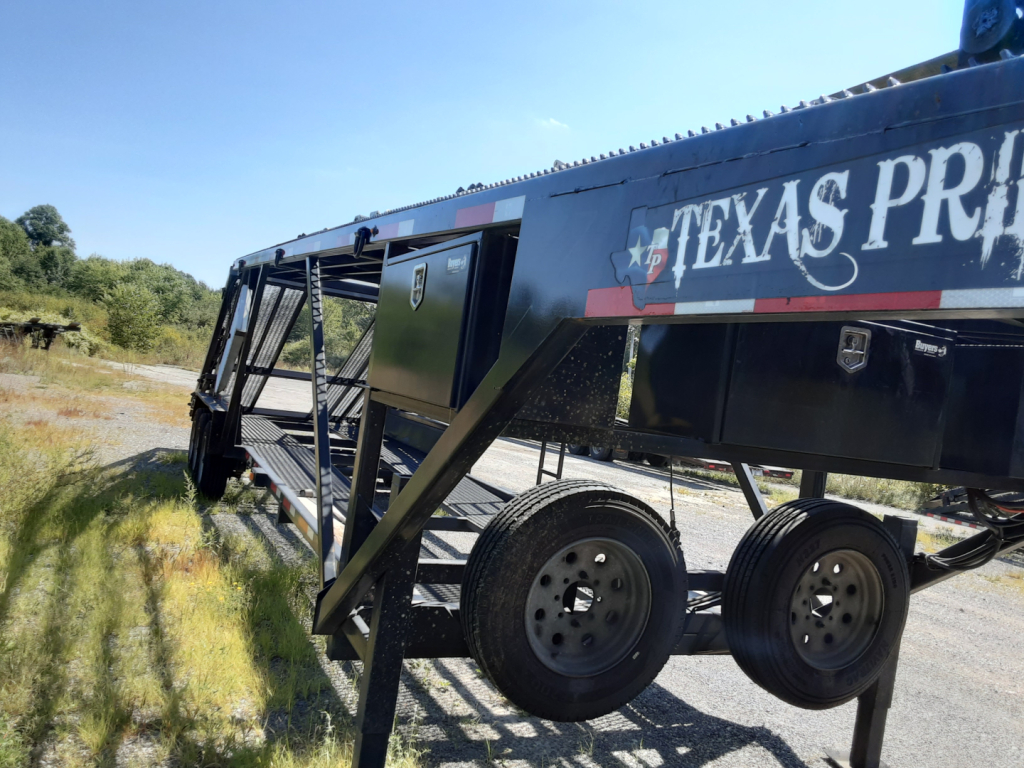
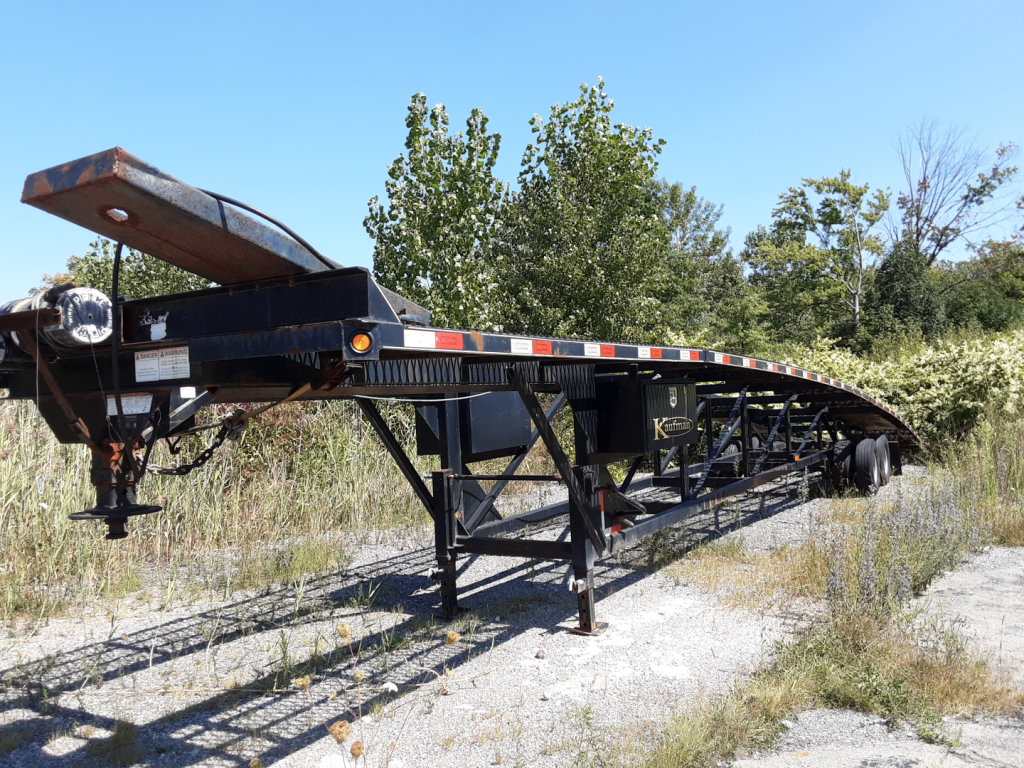
Frame construction, ramp geometry, and tie-down layout matter as much as capacity on paper. Many car carrier trailers use steel construction for durability and repairability, with spring or torsion axle setups depending on the build. Buyers should look closely at GVWR, empty weight, axle ratings, brake configuration, deck length, and upper-deck adjustment points. Load angle is a big factor if you handle lowered vehicles, and hydraulic or gravity-assisted ramps can speed up loading while reducing the risk of bumper or fascia contact. Tie-down positions, rub rail design, stake pockets, and winch compatibility all affect how easily the trailer can be configured for different vehicles and securement methods.
For Ohio operators, road conditions, corrosion exposure, and route profile should be part of the buying decision. Salt, freeze-thaw cycles, and rough secondary roads put extra value on good wiring protection, durable lighting, solid paint or coating quality, and brakes that have been maintained properly. Tire condition, suspension wear, deck surface traction, and any signs of frame stress around ramps, beavertails, and pivot points deserve close inspection on a used trailer. If the trailer will spend time on interstate dealer runs, axle alignment and tire wear patterns can tell you a lot about how it has been used and how it will track under load.
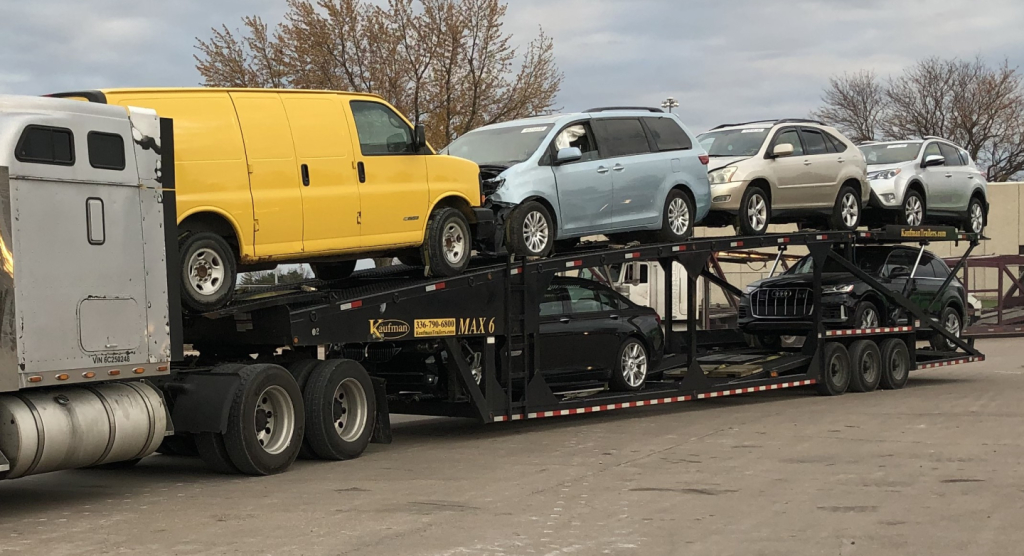
A good car carrier trailer is not just about how many vehicles it can hold. It is about how quickly it loads, how securely it transports mixed inventory, and how well it matches the truck pulling it. Buyers should verify coupler type, hitch height, brake controller compatibility, breakaway system condition, and overall dimensions before making a decision. On multi-car haulers, weight distribution across axles and deck positions is critical, especially when carrying heavier crossovers and pickups. The best trailer for the job is the one that balances usable capacity, safe loading angles, durable construction, and a layout that fits your actual freight mix day after day.
Frequently Asked Questions about Car Carrier Trailers in Ohio
What is the difference between a 3-car, 5-car, and 6-car carrier trailer?
The main differences are overall length, usable deck space, axle configuration, and the type of vehicles each trailer can handle efficiently. A 3-car carrier is often easier to maneuver and can be a better fit for smaller operations, mixed local work, or routes with tighter loading areas. A 5-car or 6-car trailer increases capacity and revenue potential per trip, but it also raises the importance of proper weight distribution, deck adjustment, and tow vehicle capability. The practical capacity can change depending on whether you are hauling compact cars, SUVs, or pickups.
What should I inspect first on a used car carrier trailer?
Start with the frame, ramps, axles, brakes, tires, and all moving deck components. Look for cracks, repairs, corrosion, bent crossmembers, uneven tire wear, and worn suspension parts. Check lights, wiring, breakaway function, coupler wear, and the condition of tie-down points. On adjustable or hydraulic sections, inspect pins, cylinders, hoses, pivots, and deck locks. A trailer can look clean and still have alignment, brake, or structural issues that show up only under load.
Are car carrier trailers suitable for hauling SUVs and pickup trucks?
They can be, but only if the trailer's deck spacing, GVWR, axle ratings, and loading angles match the vehicles being transported. Many multi-car trailers are optimized around standard passenger vehicles, so heavier SUVs and pickups can reduce the number of units you can legally and safely haul. Clearance between decks and approach angle also matter with taller vehicles. Buyers moving a mixed vehicle profile should focus on actual usable capacity rather than the advertised car count alone.
What trailer features help with loading low-clearance vehicles?
Low load angles, longer ramps, beavertail sections, and adjustable deck positions are the most important features. These reduce the chance of scraping front fascias, splitters, rocker panels, and rear overhangs during loading. Hydraulic tilt or lift sections can make loading faster and more controlled, especially when the trailer regularly handles sports cars or vehicles with body kits. Good deck traction and well-placed tie-down points also improve safety during loading and securement.
What tow vehicle considerations matter with a car carrier trailer?
The tow vehicle must be matched to the trailer's loaded weight, tongue or pin weight, brake requirements, and hitch type. Buyers should confirm the truck's tow rating, brake controller setup, electrical compatibility, and suspension capacity before pairing it with a multi-car hauler. Trailer length and deck height can also affect maneuverability and stability, particularly on interstate runs or in tight auction lots. A properly matched truck and trailer combination will load more predictably, brake more safely, and reduce wear across the entire setup.