
Car Carrier Trailers For Sale
Browse car carrier trailers with common specs, capacities, axle setups, and loading features for retail, auction, and wholesale auto transport.
Selling a car carrier trailer? List your car carrier trailer for sale and reach thousands of commercial buyers.
Car Carrier Trailers
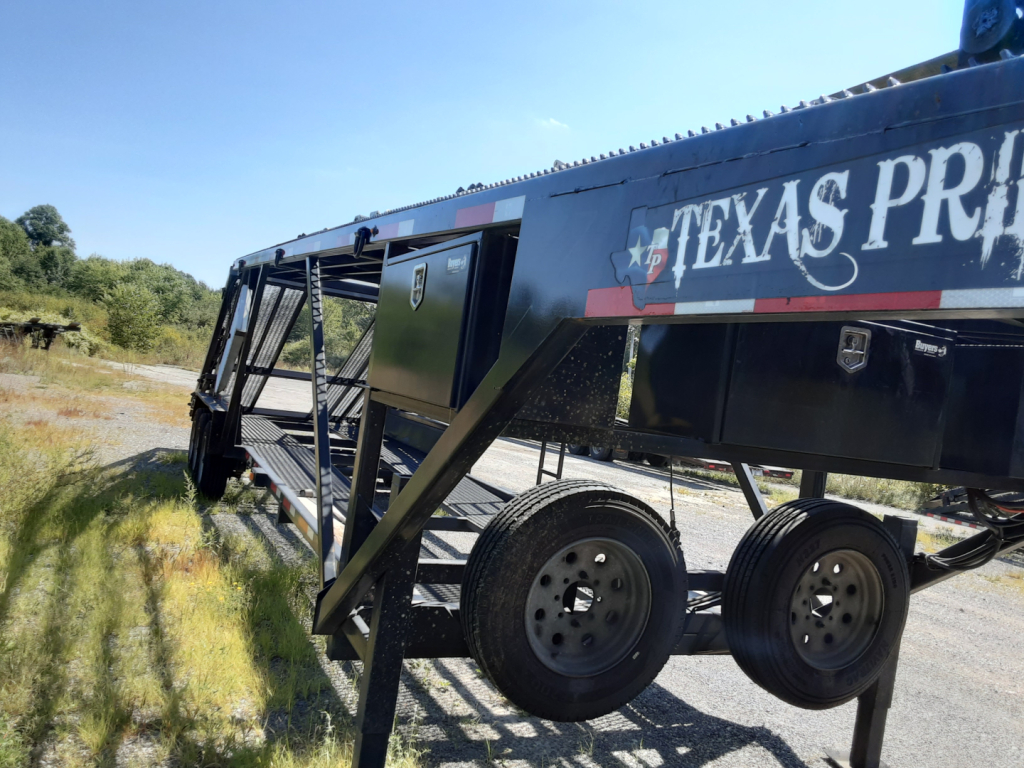
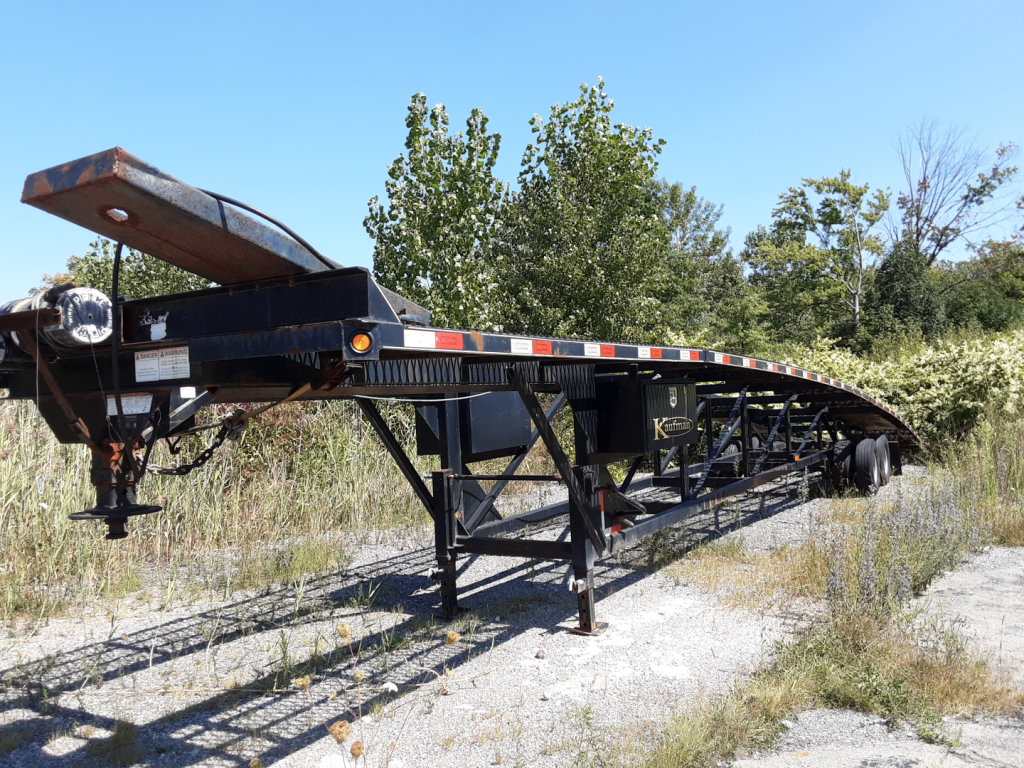
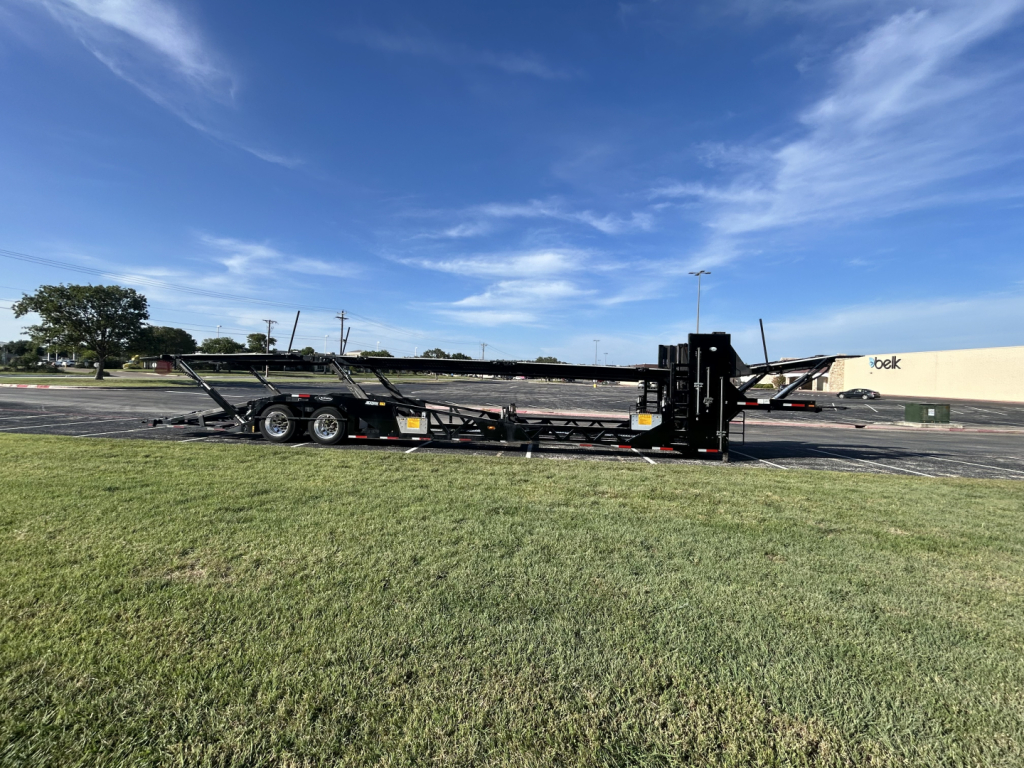
The key buying decision is how the trailer handles real-world loading. Look closely at hydraulic functions, ramp design, deck travel, and approach angles. Aluminum ramps reduce weight, while heavy mesh floors and reinforced track areas matter when loading units with low ground clearance or uneven weight distribution. A dovetail can improve loading on lower vehicles, and a self-contained hydraulic system can simplify operation and reduce dependence on tractor-mounted components. Buyers hauling auction cars, dealer trades, repossessions, or mixed retail units should also pay attention to winch capacity, tie-down points, and how easily the trailer accommodates inoperable vehicles.
Running gear and maintenance costs separate a strong car hauler trailer from a cheap one. Tandem and tri-axle configurations are both common, with suspension choices such as spring ride or Hendrickson systems affecting ride quality, tire wear, and service intervals. Tire size, wheel material, brake condition, and axle options like lift or overload axles all matter because these trailers live with shifting center of gravity and frequent loading cycles. Tire inflation systems, current inspection status, and clean hydraulic operation are worth verifying before anything else. On a used car carrier, deck cylinders, pins, bushings, hose routing, and evidence of leaks often tell you more than fresh paint ever will.
A good car carrier trailer should match the freight mix and the operating territory. Operators moving compact sedans on consistent lanes can prioritize light weight and straightforward deck controls, while those hauling pickups, SUVs, and crossovers need more adjustability and better height management. Overall width is commonly 102 inches, and buyers should confirm state route restrictions, bridge law implications, and loaded height strategy before deciding on trailer style. Also known as a car hauler trailer or auto transport trailer, this equipment earns its keep through fast cycle times, legal loading flexibility, and low downtime between trips.
Also known as: Car Hauler Trailer, Auto Transport Trailer, Auto Carrier Trailer
Frequently Asked Questions about Car Carrier Trailers
What is the difference between a mini 5 car carrier trailer and a full-size 53-foot car hauler?
A mini 5 car carrier trailer is a shorter multi-car setup designed for lower overall capacity, easier maneuverability, and often lower acquisition cost. It is commonly used by independent operators, regional transporters, and buyers working tighter pickup and delivery points. A full-size 53-foot car hauler typically carries more vehicles and offers greater deck adjustability, but it also demands tighter attention to loaded height, weight distribution, and route planning.
What should I inspect first on a used car carrier trailer?
Start with the hydraulic system, deck structure, and running gear. Check cylinders, hoses, pins, bushings, locks, and pivot points for leaks, wear, or repairs. Then inspect brakes, tires, suspension, wheels, and axle condition. On a car carrier, deck operation and structural integrity matter as much as tread depth because frequent loading cycles put constant stress on ramps, slide sections, and upper deck components.
How many vehicles can a car carrier trailer haul?
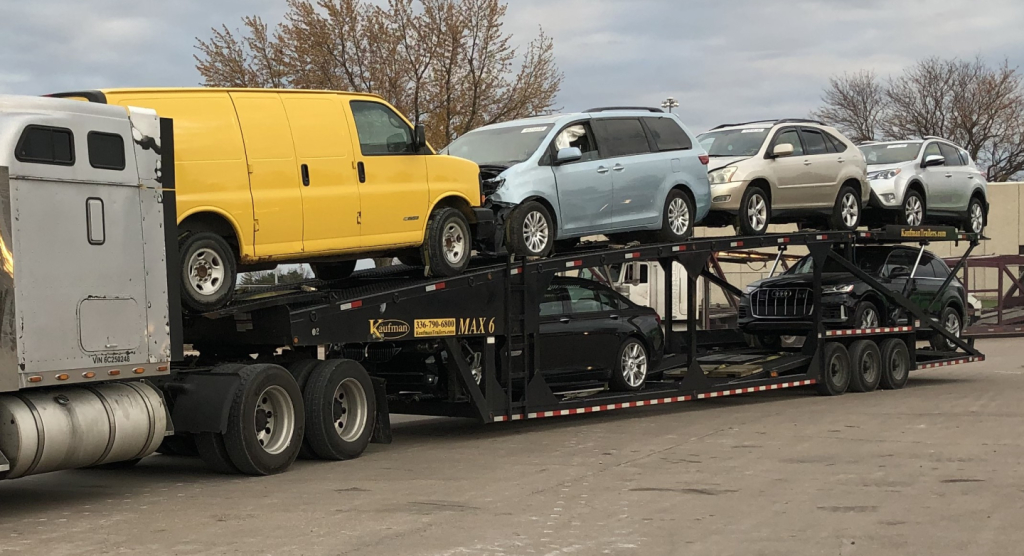
Capacity depends on trailer length, deck design, axle configuration, and the size of the vehicles being transported. Shorter trailers may be configured for around 5 vehicles, while full-size 53-foot trailers often handle 7 or 8, and sometimes more depending on the equipment and the mix of units. The practical number is determined by legal height, axle weight, wheelbase of the cargo, and how well the trailer can stage taller vehicles like pickups and SUVs.
Are self-contained hydraulic systems better on a car hauler trailer?
A self-contained hydraulic system can be a strong advantage because it allows the trailer to operate independently of some tractor-mounted hydraulic arrangements. That can simplify switching tractors and reduce setup complexity for certain fleets or owner-operators. The main concern is condition and service history. A well-maintained self-contained system is valuable, but neglected pumps, hoses, or controls can quickly turn into downtime.
Which axle setup is better for a car carrier trailer, tandem or tri-axle?
The better setup depends on payload, trailer length, and operating style. Tandem axle trailers are common on larger commercial auto transport setups and can offer a good balance of capacity and service simplicity. Tri-axle trailers are often seen on shorter configurations where weight distribution and legal carrying capacity are important. Buyers should compare axle ratings, suspension type, tire cost, and how the trailer performs when loaded with heavier SUVs or pickups rather than assuming one setup is always better.