
Heil Trailers For Sale in Ohio
Browse Heil trailers for sale in Ohio, including DOT 406 fuel tank trailers and pneumatic dry bulk cement trailers with proven specs.
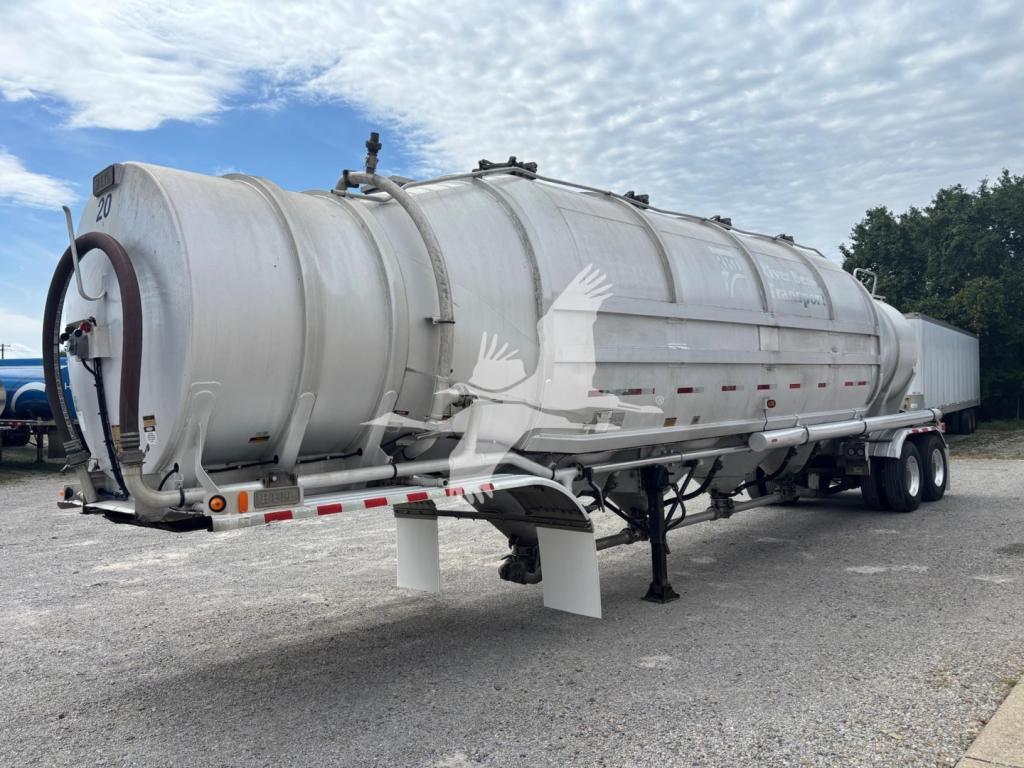
Selling a heil trailer? List your heil trailer for sale and reach thousands of commercial buyers.
Heil Trailers in Ohio
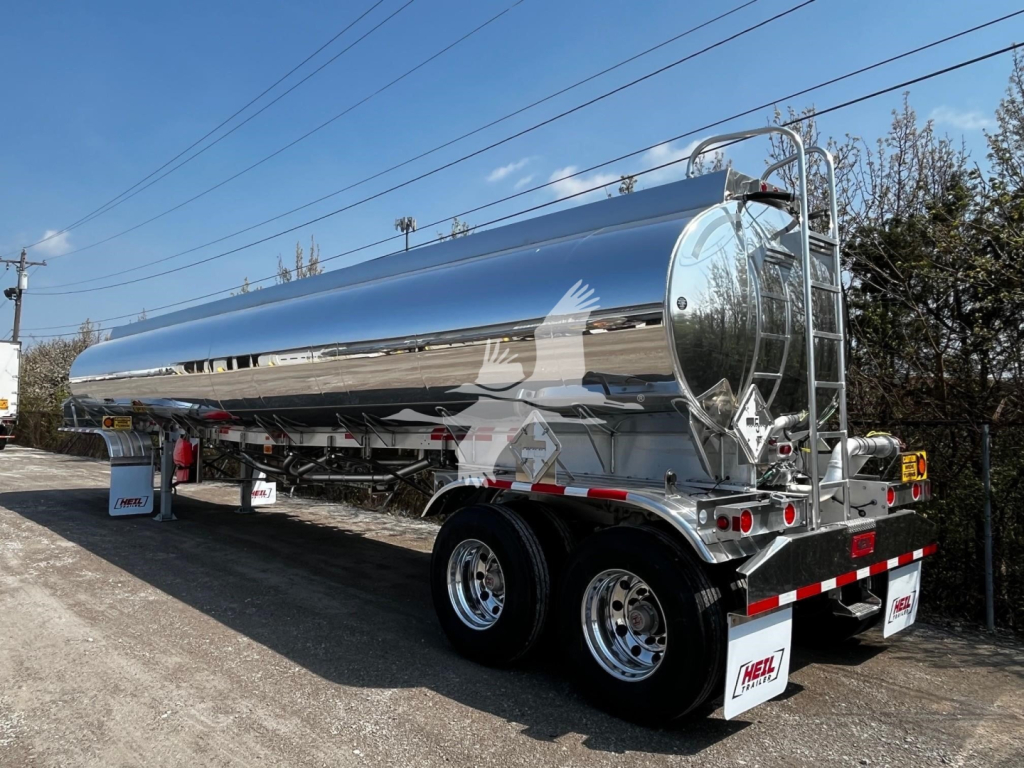
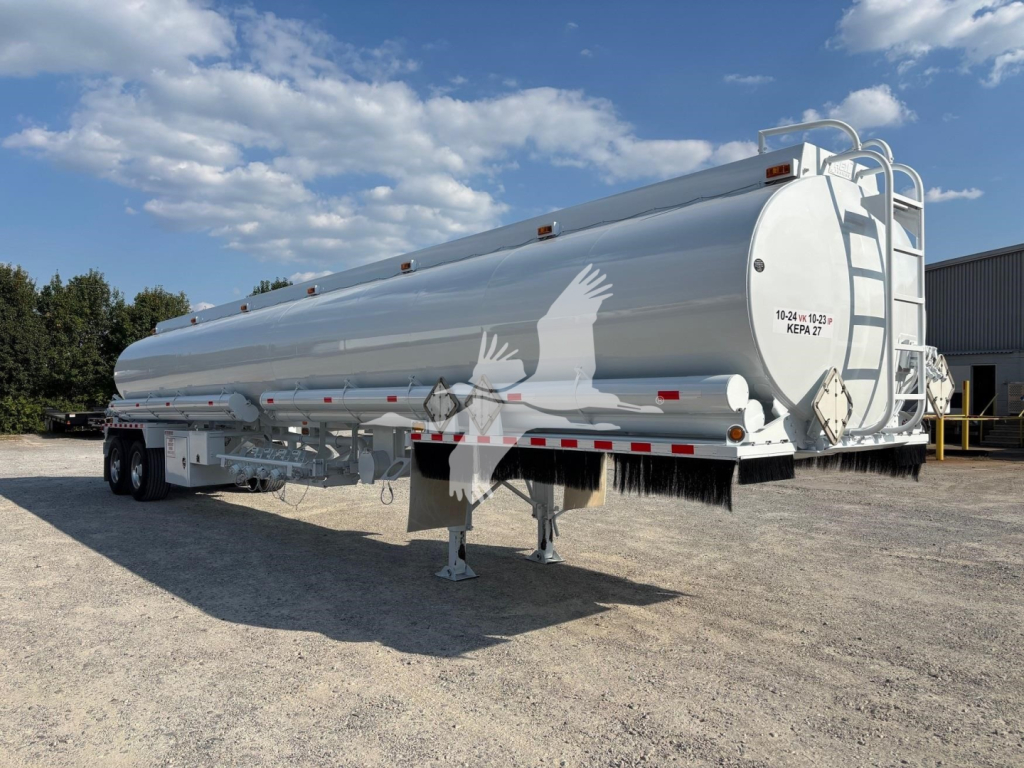
On the petroleum side, Heil fuel trailers are commonly spec’d as tandem axle aluminum DOT 406 units in the 9,200 to 9,500 gallon range, often with four compartments for gasoline and refined fuel delivery. Common details include bottom loading, vapor recovery, air-operated emergency valves, overfill systems from suppliers such as Civacon or Flo-Tech, aluminum piping, API adaptors, and compartment indicators. Buyers should pay close attention to compartment sizes, bulkhead style, kingpin setting, axle track, suspension brand, and brake type because those details affect terminal compatibility, bridge law flexibility, and route efficiency. In Ohio, where a trailer may see a mix of terminal work, c-store delivery, and regional highway miles, current test status, inspection records, and the condition of the barrel, valves, probes, and cabinet hardware are just as important as gallon capacity.
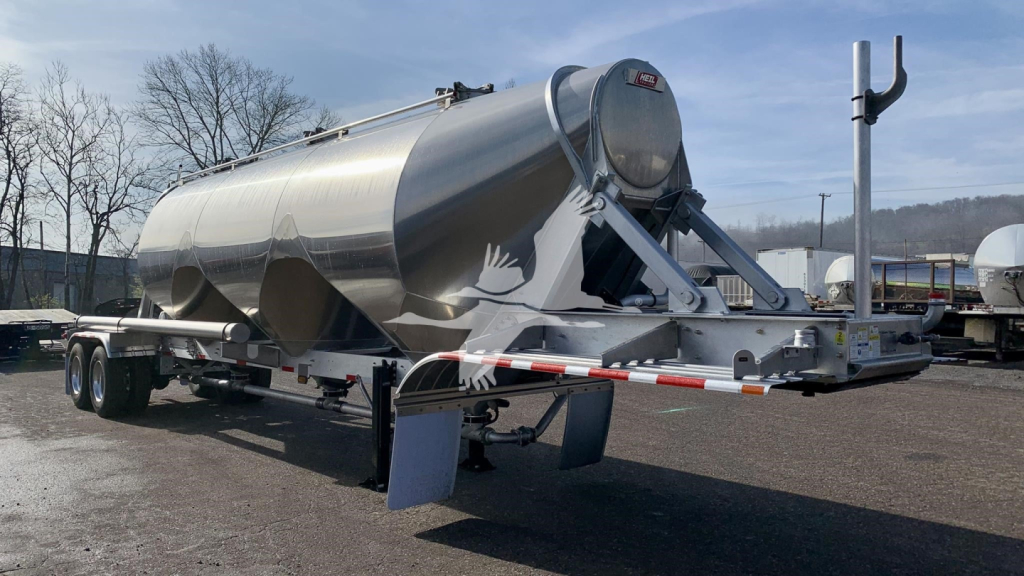
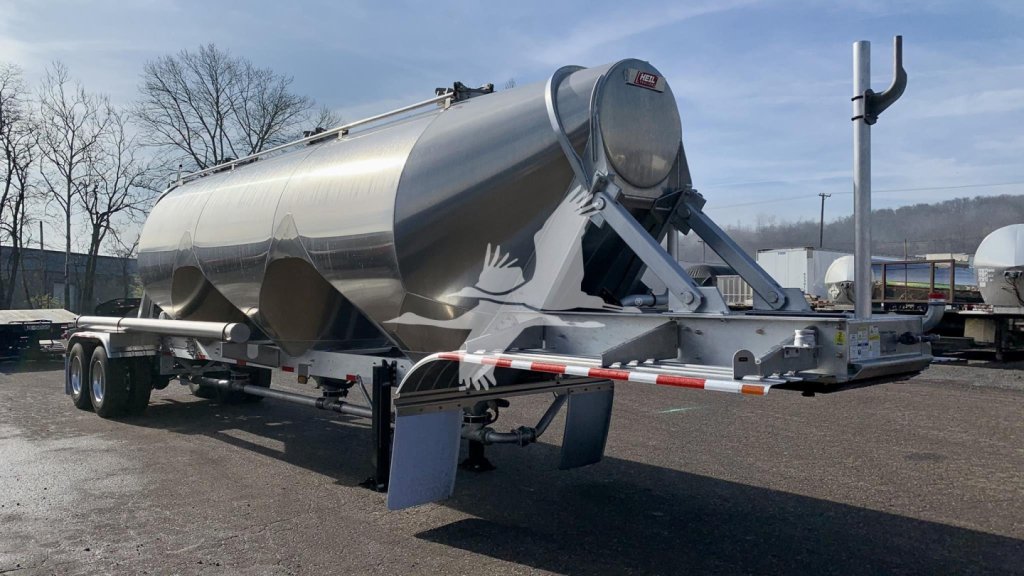
Heil pneumatic dry bulk trailers, often called cement trailers or dry bulk tankers, are typically lightweight aluminum units designed to move cement, fly ash, lime, sand, or similar dry commodities. Common configurations include around 1,040 cubic feet, tandem axle air ride suspension, three hoppers, aluminum piping, butterfly valves, and rear discharge plumbing. For dry bulk work, the buying decision usually comes down to cube capacity, empty weight, discharge layout, aeration design, and how the trailer is built to handle the commodity you haul most often. A cement hauler running short turns may prioritize quick unloading and durable valves, while a fleet focused on payload may look harder at barrel material, frame design, and overall tare weight.
Across both categories, Heil trailers tend to attract buyers who want familiar parts support, standardized safety equipment, and resale strength in the tank market. Aluminum wheels, Hendrickson air ride suspensions, Jost or Holland landing gear, LED lighting, hose tubes, and well-laid-out cabinets are common features that improve day-to-day usability. When comparing listings, it helps to look beyond model year and focus on compliance equipment, suspension condition, tank code, lining or barrel condition where applicable, and how closely the trailer’s spec matches your lanes, terminals, and product mix. A correctly spec’d Heil trailer usually performs best when the compartment layout, discharge system, and weight profile fit the work instead of forcing the operation to adapt to the trailer.
Frequently Asked Questions about Heil Trailers in Ohio
What types of Heil trailers are most common on the market?
The most common Heil trailers buyers will see are petroleum tank trailers and pneumatic dry bulk trailers. Heil DOT 406 petroleum trailers are typically used for gasoline and other refined fuels, with multi-compartment aluminum tanks, bottom loading systems, vapor recovery, and overfill protection. Heil pneumatic trailers are commonly used for cement, fly ash, lime, and similar dry commodities, usually with aluminum barrels, hopper bottoms, and air-assisted discharge systems.
What should I check first on a used Heil fuel trailer?
Start with the test and inspection status, then move to the tank code, compartment configuration, and condition of the loading and unloading systems. On a used Heil fuel trailer, buyers should inspect the barrel for damage or prior repairs, verify overfill and vapor recovery components, check emergency valves and operators, review brake and suspension condition, and confirm that the plumbing matches the terminals and products the trailer will serve. Current documentation for tests and inspections is a major factor because it affects how quickly the trailer can go to work.
How do I choose between a Heil fuel trailer and a Heil dry bulk trailer spec?
The right spec depends entirely on product, route, and unload method. A Heil fuel trailer should be chosen by gallon capacity, number and size of compartments, terminal compatibility, and safety system specification. A Heil dry bulk trailer should be chosen by cubic foot capacity, tare weight, hopper count, discharge configuration, and aeration performance. In both cases, the trailer must match the freight first, because the wrong compartment layout or discharge setup can reduce efficiency on every load.
Are Heil pneumatic trailers good for cement hauling?
Heil pneumatic trailers are well known in cement and dry bulk service because they are commonly built with lightweight aluminum construction, practical hopper layouts, and discharge components suited for repeated unload cycles. For cement work, buyers usually look for cube capacity, valve and piping design, rear discharge arrangement, and suspension durability. The best setup depends on plant requirements, unload times, and allowable payload on the routes you run.
Why do buyers pay attention to suspension, kingpin setting, and axle layout on Heil trailers?
These chassis details affect weight distribution, turning behavior, and legal payload flexibility. On a Heil fuel trailer, tandem location, kingpin setting, and axle track can influence bridge compliance and how the trailer handles on tight delivery sites. On a Heil dry bulk trailer, suspension design and axle arrangement affect ride quality, tire wear, and load transfer. These are not minor details, because a trailer with the right tank or barrel but the wrong running gear can create ongoing operating costs.