
Reitnouer Trailers For Sale in Ohio
Shop Reitnouer trailers for sale, including aluminum flatbed and drop deck models known for light weight, payload capacity, and durable specs.
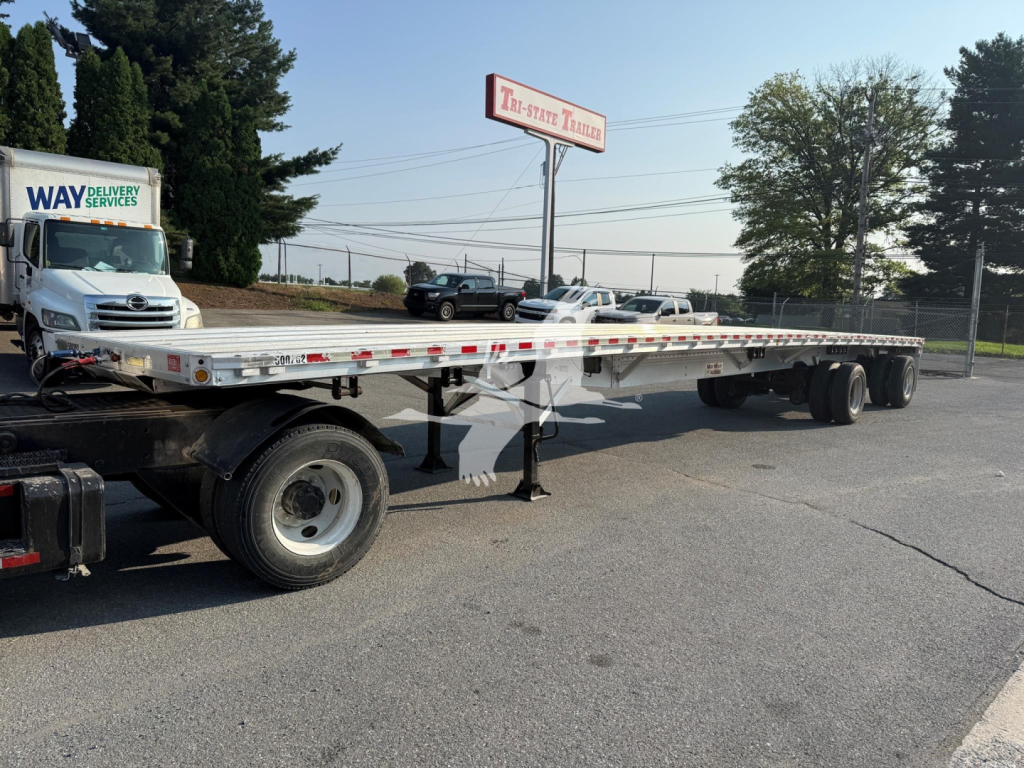
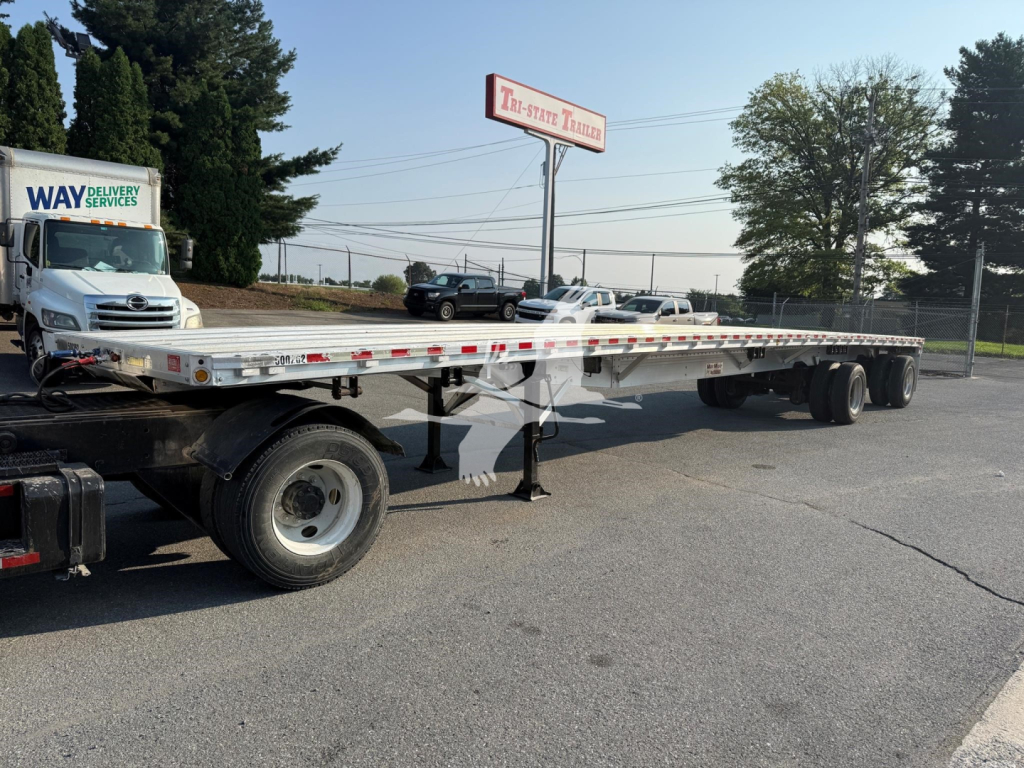
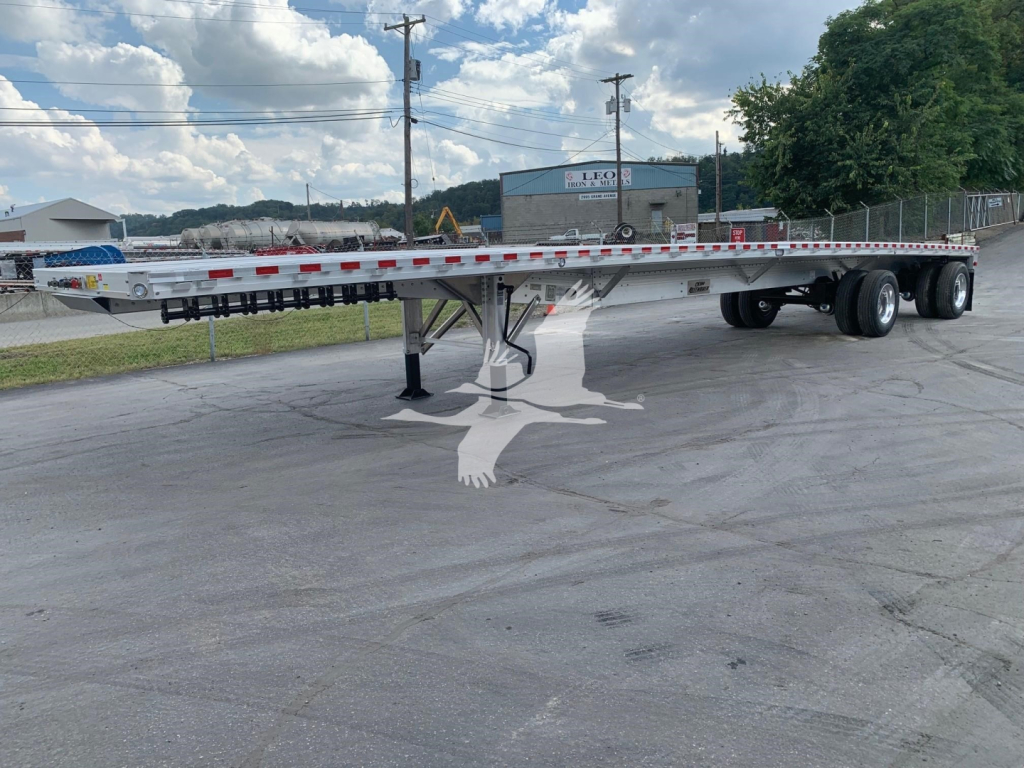
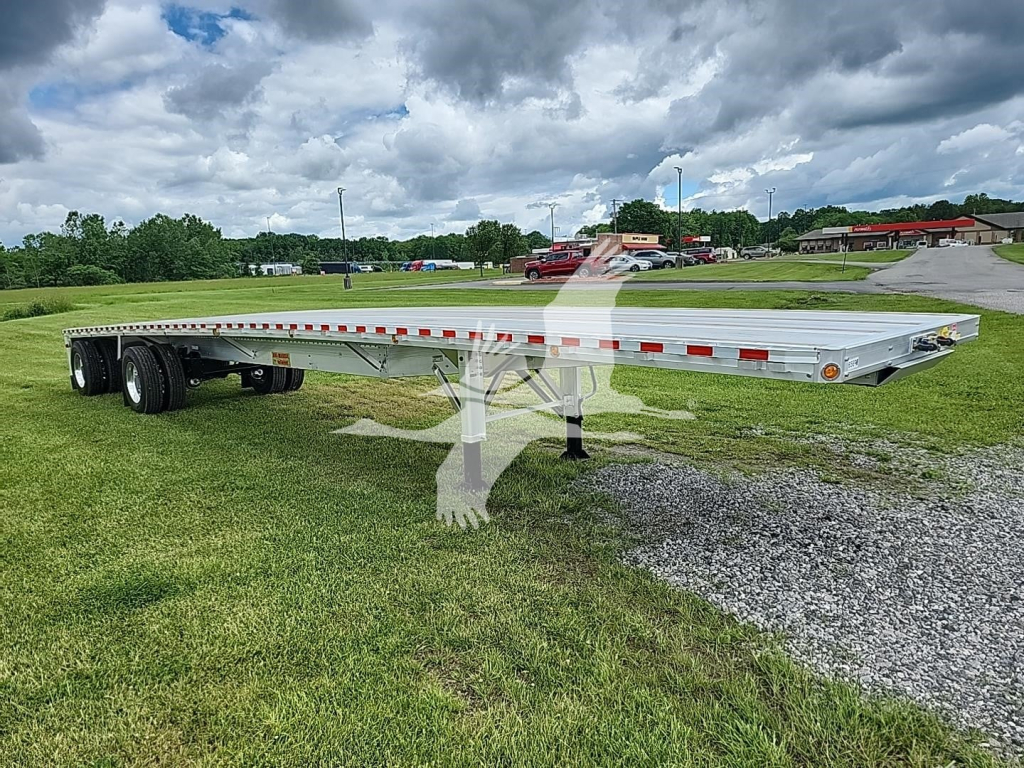
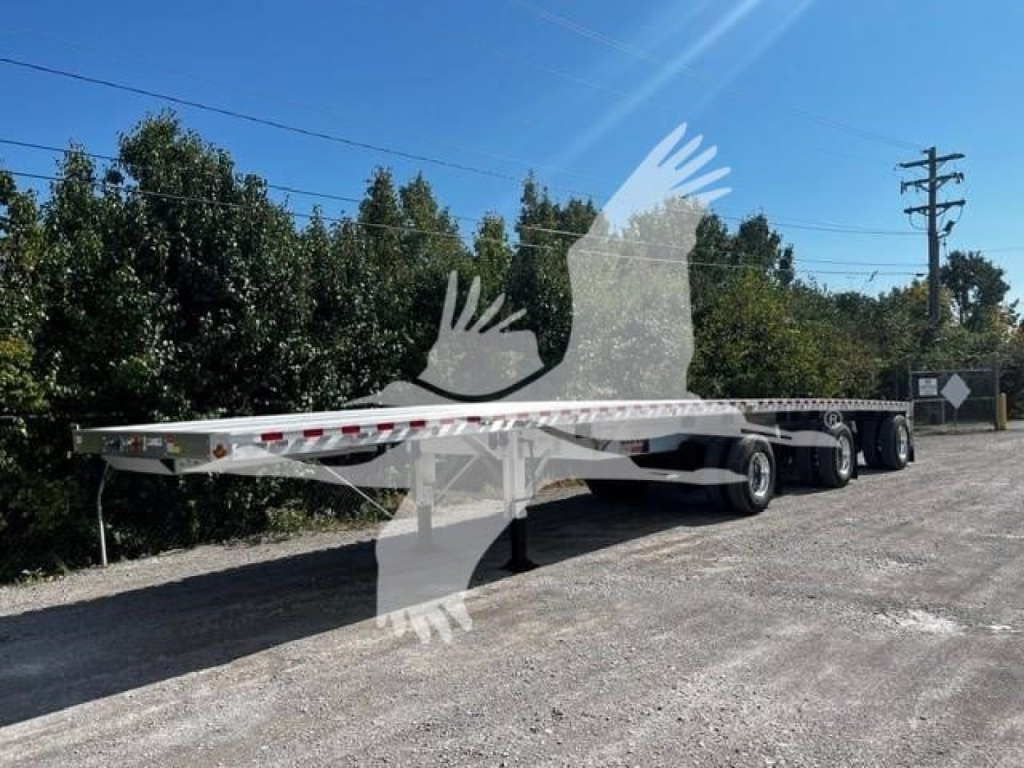
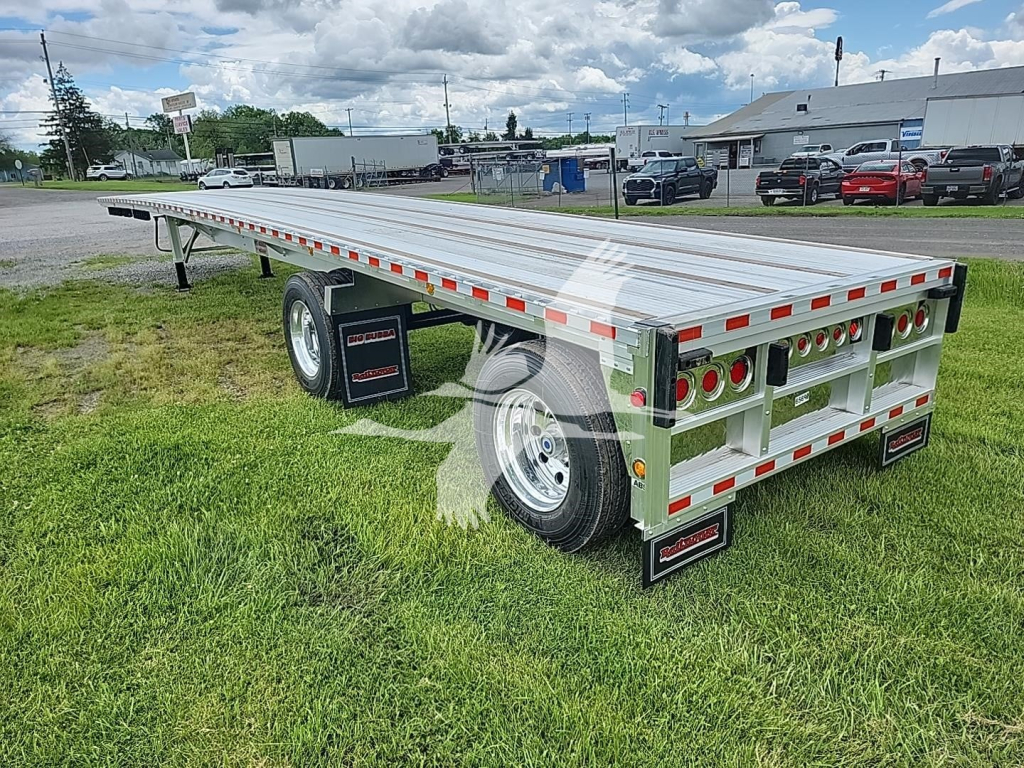
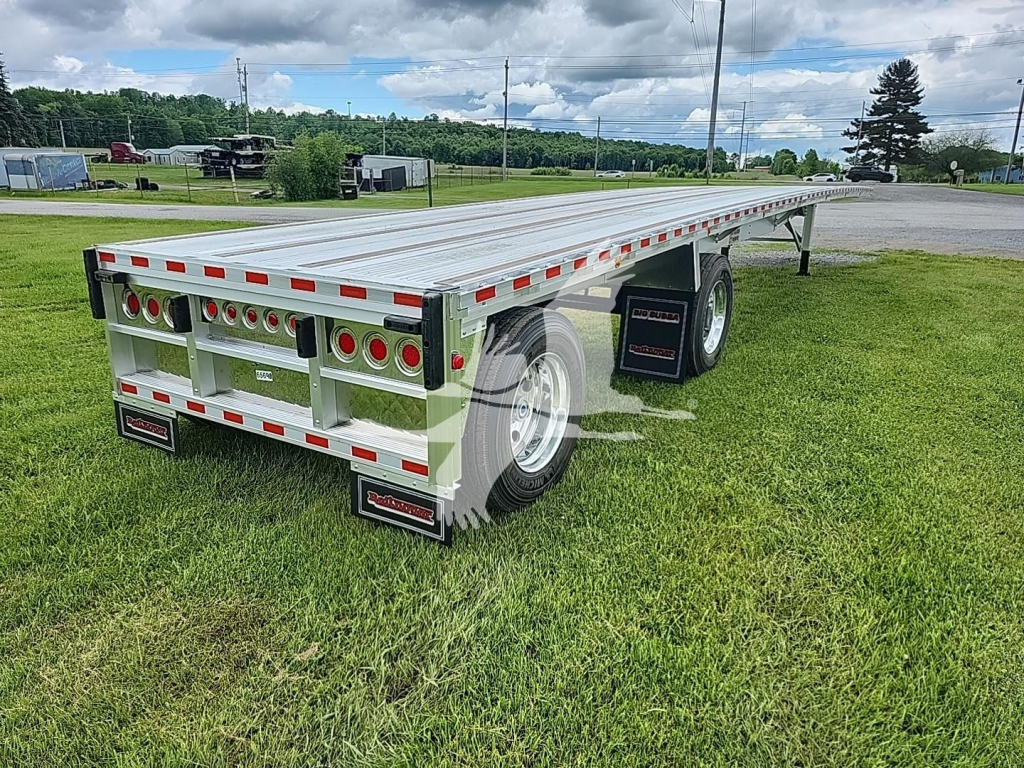
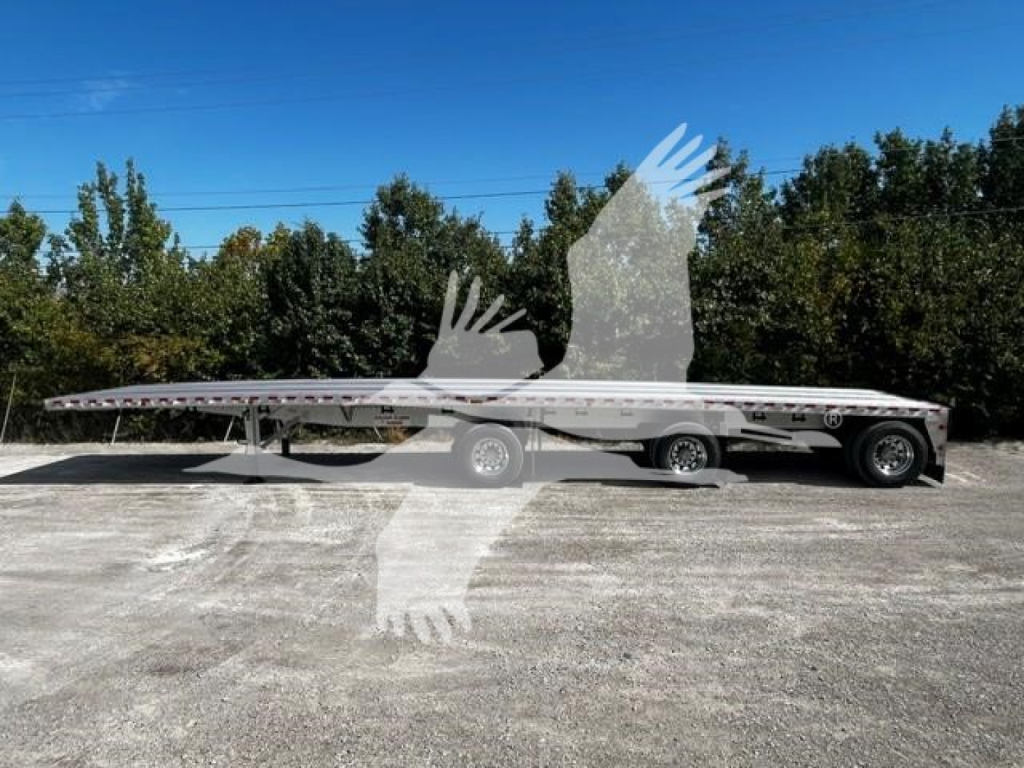
Selling a reitnouer trailer? List your reitnouer trailer for sale and reach thousands of commercial buyers.
Reitnouer Trailers in Ohio
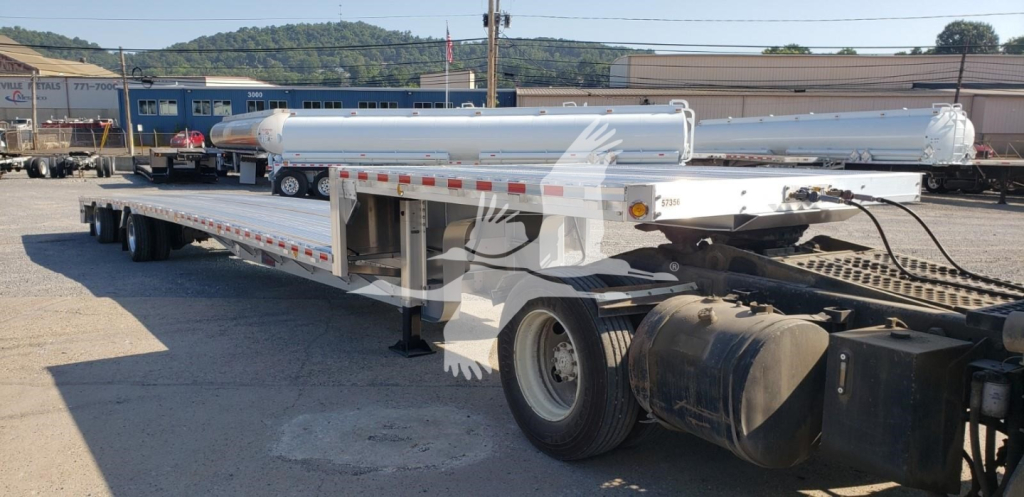
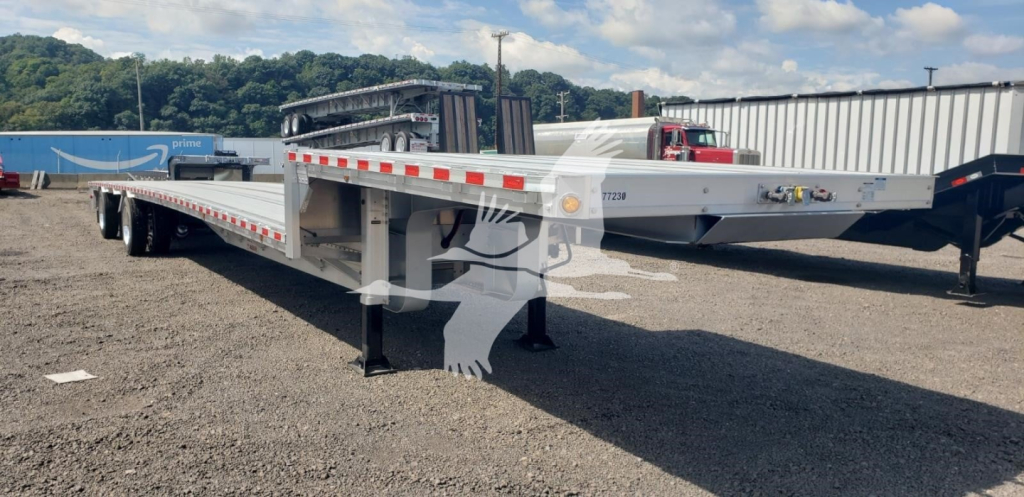
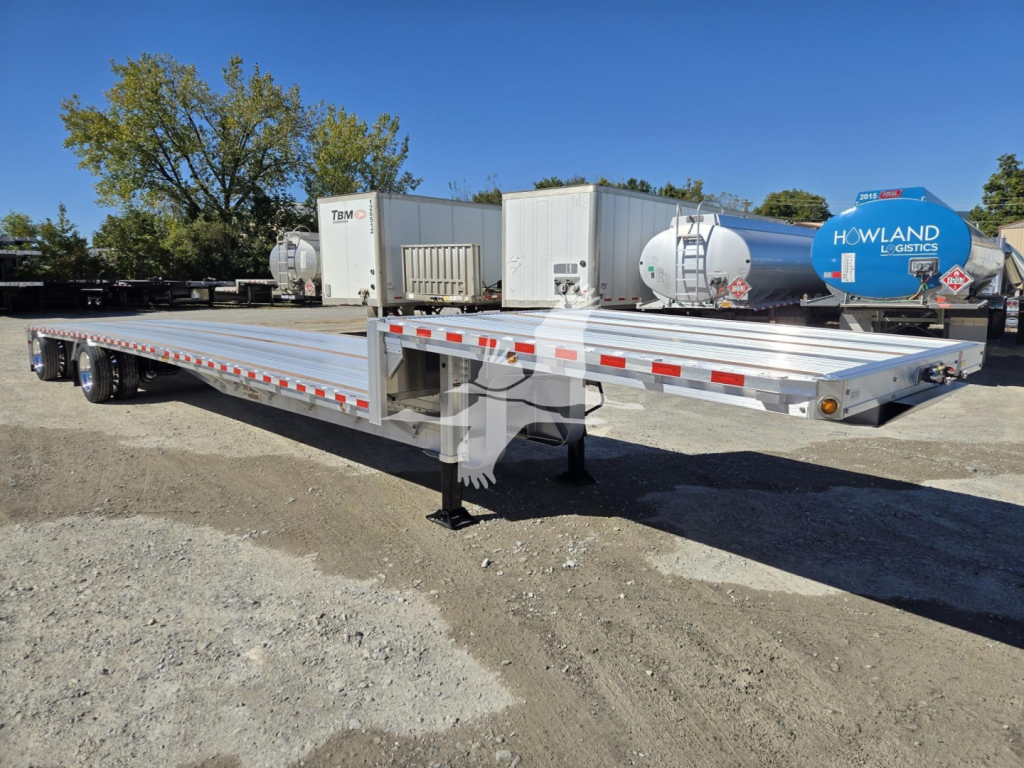
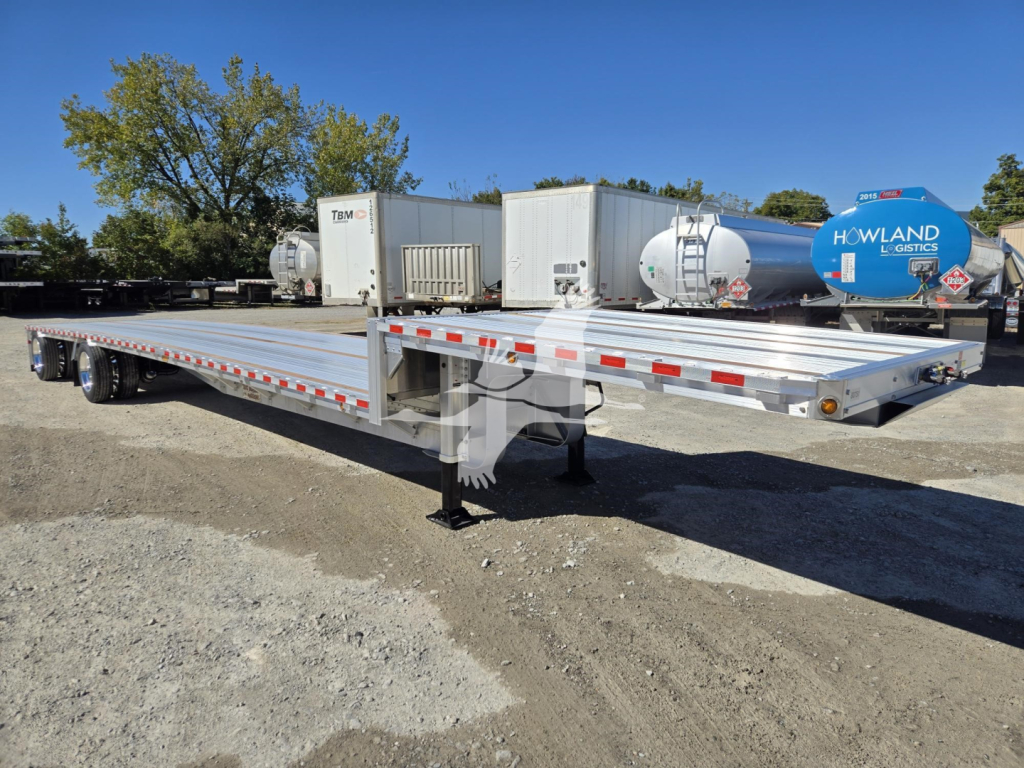
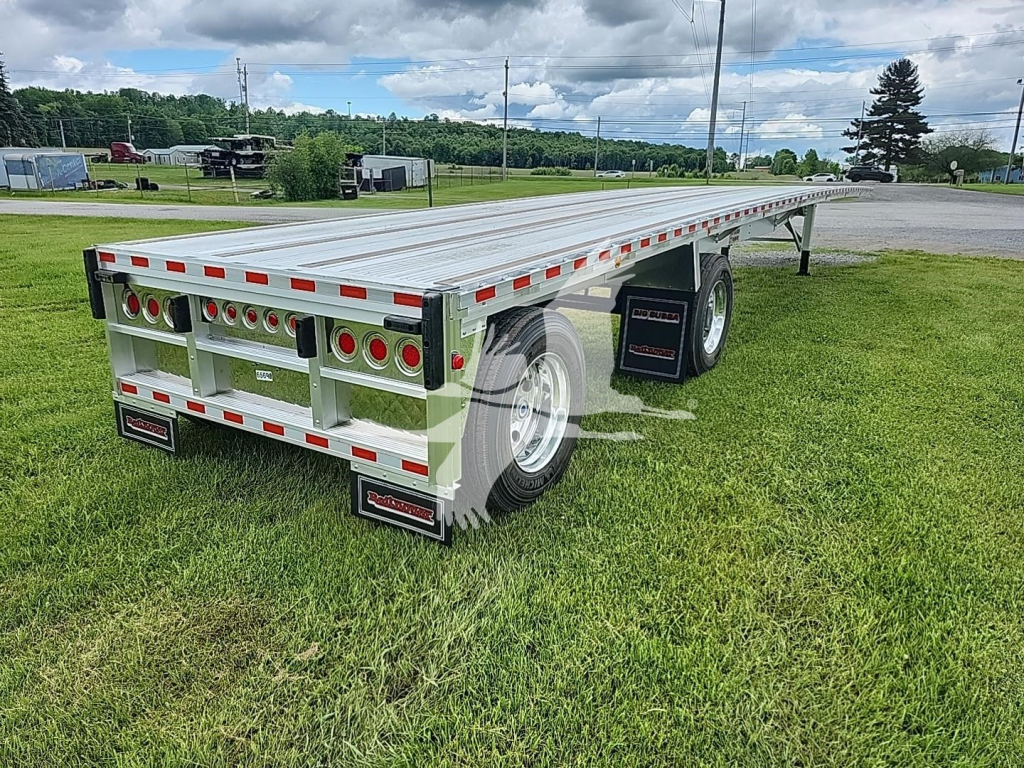
A typical Reitnouer flatbed trailer in this class is 48 or 53 feet long, 102 inches wide, tandem axle, and equipped with air ride suspension. Many are spec'd with Hendrickson suspensions, Jost two-speed landing gear, sliding winches, winch tracks on both sides, stake pockets, pipe spools, nailing strips, and mini coil packages with extra crossmembers. Reitnouer drop deck trailers often come with a 10-foot-plus top deck and a main deck around 37 feet, making them a strong fit for taller freight that still needs legal height. Bulkheads, disc brakes, tire inflation systems, dump valves, and mixed aluminum-steel wheel setups are also common depending on the application and fleet spec.
The main buying question is usually not just flatbed versus drop deck, but how the trailer was configured for freight density and securement. For steel and concentrated loads, look closely at crossmember spacing, coil package details, side rail condition, and published weight ratings such as 60,000 pounds in 10 feet or 50,000 pounds in 4 feet. For general freight, pay attention to winch count, sliding versus fixed axle setup, axle spread, kingpin setting, and deck layout. A 48-foot fixed-spread aluminum flatbed can be a straightforward regional workhorse, while a 53-foot sliding axle configuration may offer more flexibility for bridge law, state compliance, and varying load plans.
Condition still matters more than age on a used Reitnouer trailer. Buyers should inspect the aluminum floor for gouging and repairs, check side rails and stake pockets for distortion, confirm suspension and brake spec, and review axle alignment, disc brake wear, and tire inflation system operation if equipped. On drop decks, inspect the transition area, bulkhead, and deck straightness. On flatbeds, look for signs of concentrated coil loading or forklift damage around the rear half of the deck. Reitnouer has a strong reputation in the open-deck market because the trailers stay light and practical, but the right trailer is the one whose deck spec, axle arrangement, and securement package match the freight you haul every week.
Frequently Asked Questions about Reitnouer Trailers in Ohio
What are Reitnouer trailers known for?
Reitnouer trailers are known primarily for lightweight aluminum construction in open-deck applications. That lighter tare weight can help increase legal payload compared with heavier trailer designs, which is a major advantage for operators hauling steel, building materials, machinery, or other freight where every pound counts. The brand is especially well known in flatbed and drop deck segments, with specs that commonly include aluminum floors, air ride suspension, sliding winches, stake pockets, pipe spools, and coil packages.
What is the difference between a Reitnouer MaxMiser and a Reitnouer DropMiser?
The Reitnouer MaxMiser is a flatbed trailer, while the Reitnouer DropMiser is a drop deck, also called a step deck trailer. A MaxMiser is better suited for standard-height freight loaded on a continuous deck. A DropMiser gives you a lower main deck, which helps haul taller cargo while staying within legal height limits. Buyers choosing between the two should base the decision on freight profile, loading method, securement needs, and whether legal deck height is a frequent issue.
Are aluminum Reitnouer trailers strong enough for steel and coil hauling?
Yes, when they are properly spec'd. Many Reitnouer trailers used in steel service are equipped with mini coil packages, extra crossmembers, and published concentrated load ratings. The important factor is not simply that the trailer is aluminum, but how it was built for the intended work. Buyers hauling dense freight should verify crossmember spacing, deck condition, side rail integrity, weight ratings over specified distances, and any signs of repeated concentrated loading damage.
What should I inspect on a used Reitnouer trailer?
Start with the structural and wear items that affect serviceability. Inspect the aluminum floor for cracks, patches, gouges, and forklift damage. Check side rails, stake pockets, pipe spools, and winch tracks for bends or pulled weld areas. Review suspension condition, axle alignment, brake type and wear, wheel condition, and tire age and tread. If the trailer has disc brakes, tire inflation systems, dump valves, or lift axles, confirm those systems are operating correctly. On drop decks, pay special attention to the neck, transition, and bulkhead areas.
What trailer length and axle setup is most common on Reitnouer trailers?
Common Reitnouer configurations include 48-foot and 53-foot trailers in 102-inch width with tandem axles and air ride suspension. Flatbeds are often seen in both fixed-spread and sliding axle setups, while drop decks commonly use tandem air ride configurations with spread settings that vary by state and application. The best setup depends on how you balance payload, bridge compliance, maneuverability, and the type of freight you haul on a regular basis.