
XL Specialized Trailers For Sale in Ohio
Shop XL Specialized trailers for heavy haul work, including lowboy and detachable gooseneck models with flip axle capability and low deck heights.
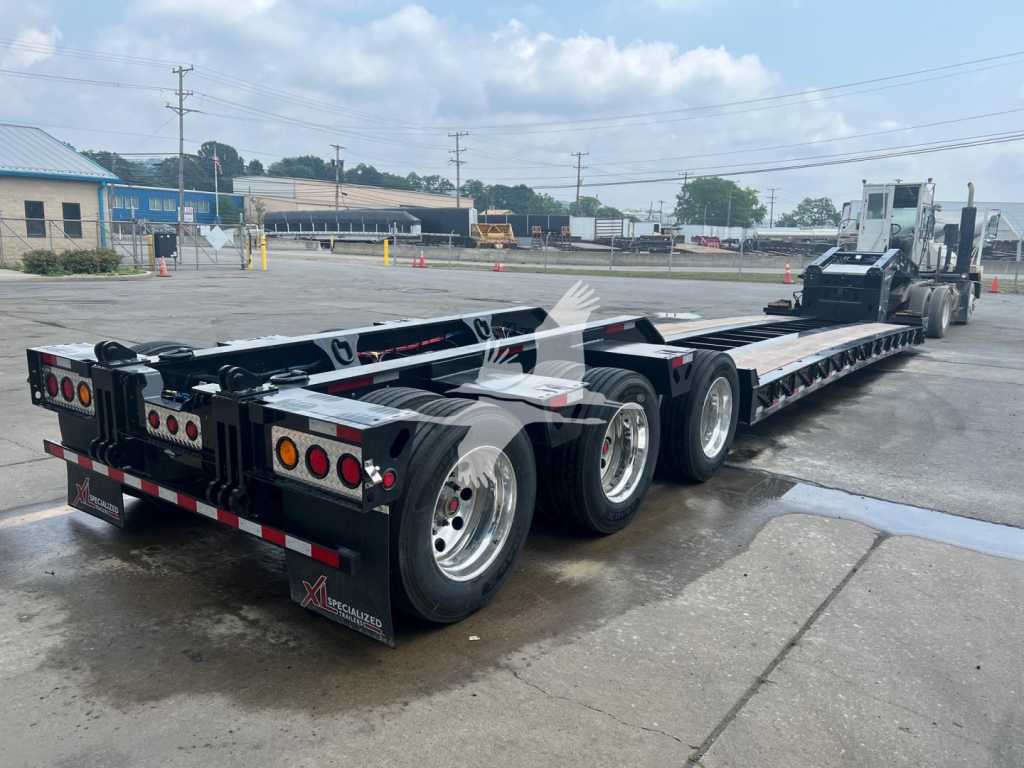
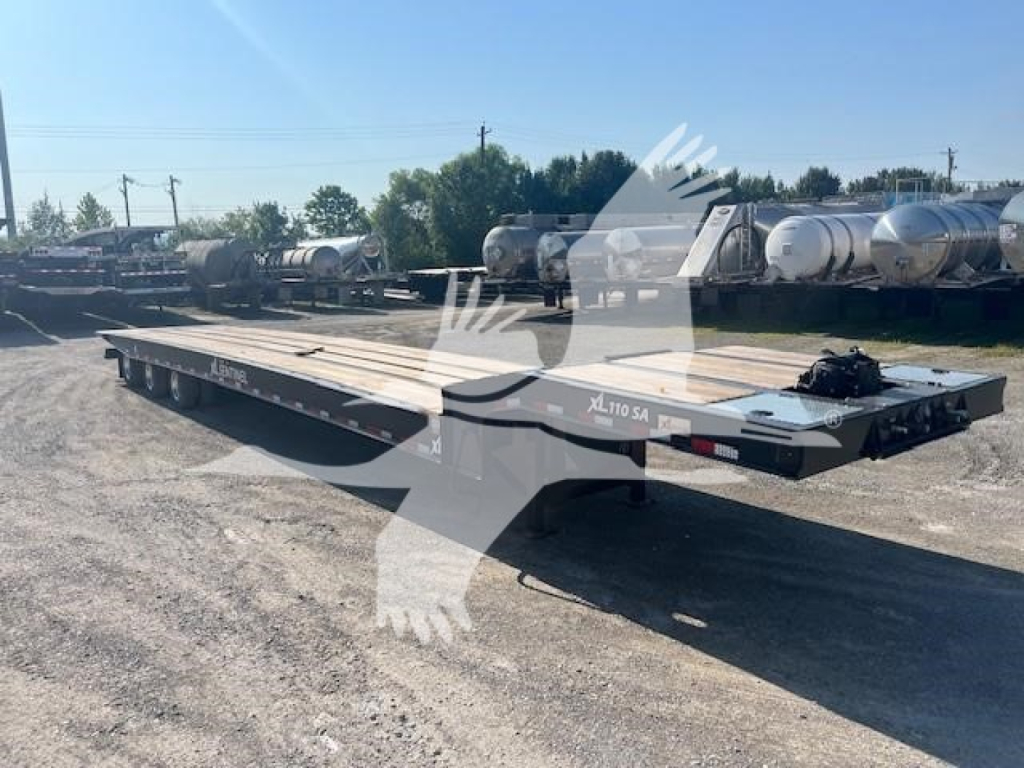
Selling a xl specialized trailer? List your xl specialized trailer for sale and reach thousands of commercial buyers.
XL Specialized Trailers in Ohio
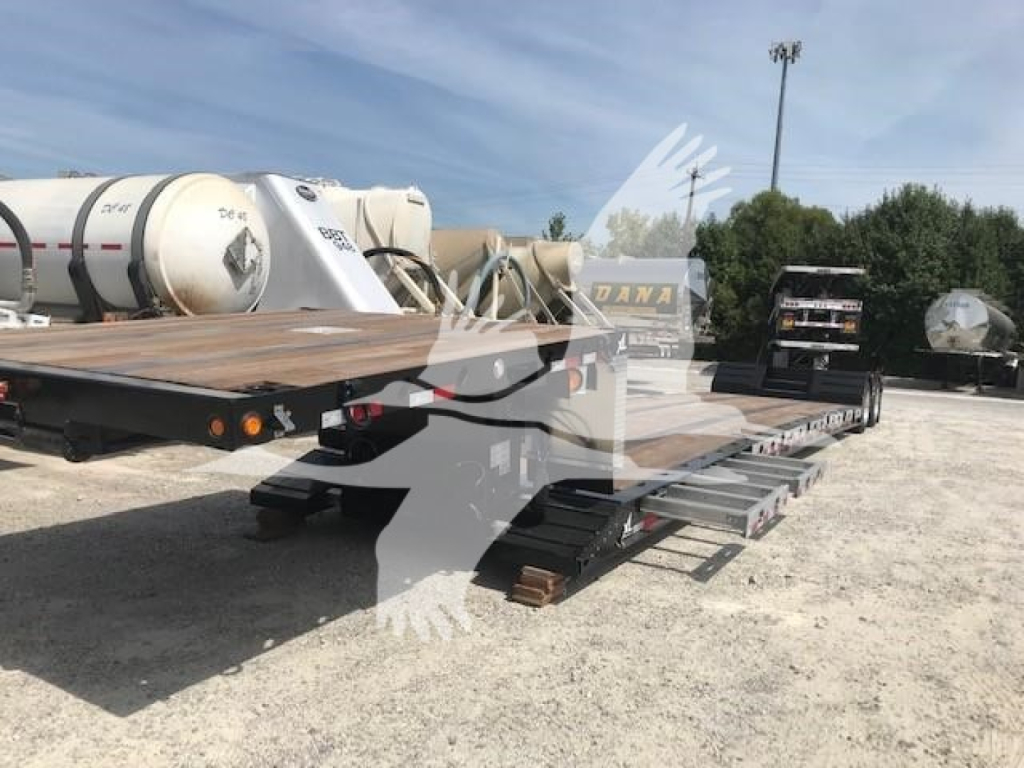
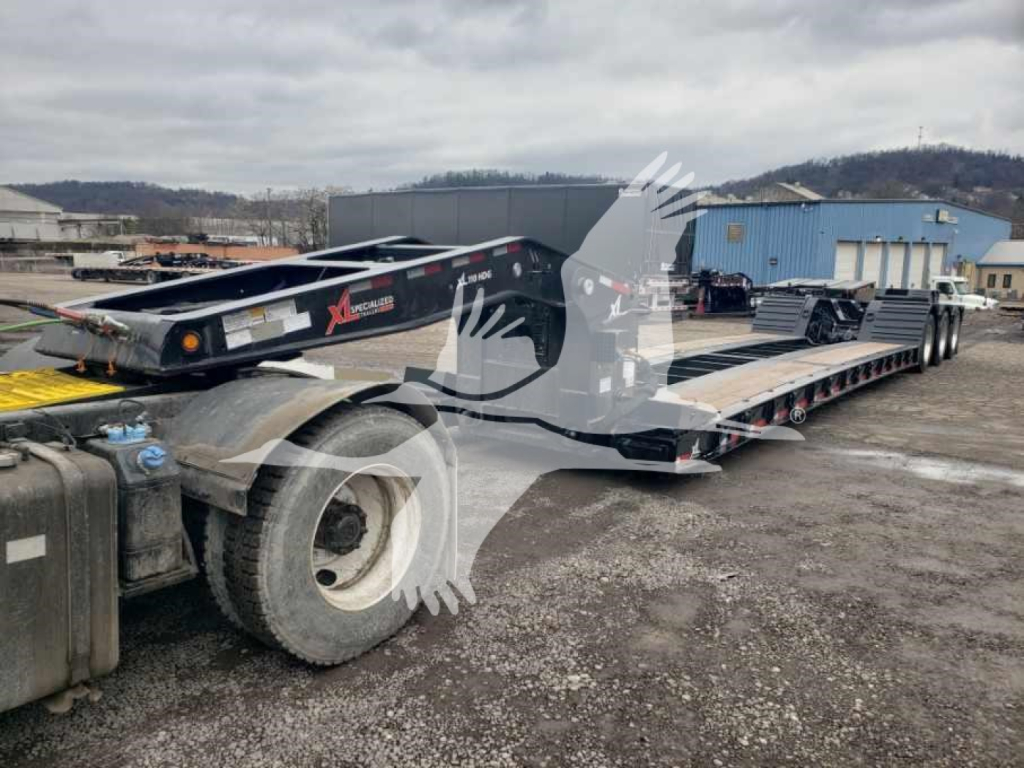
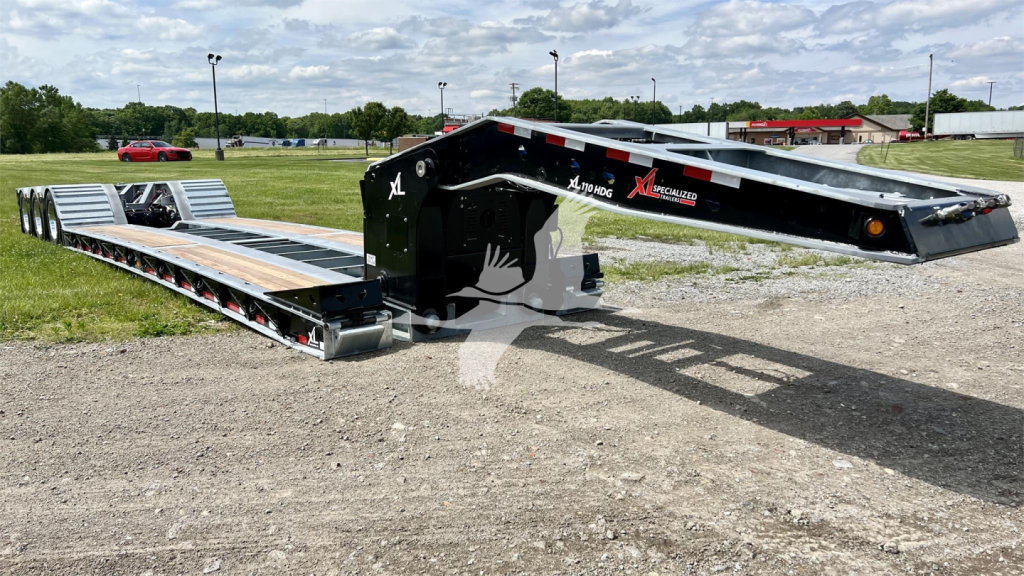
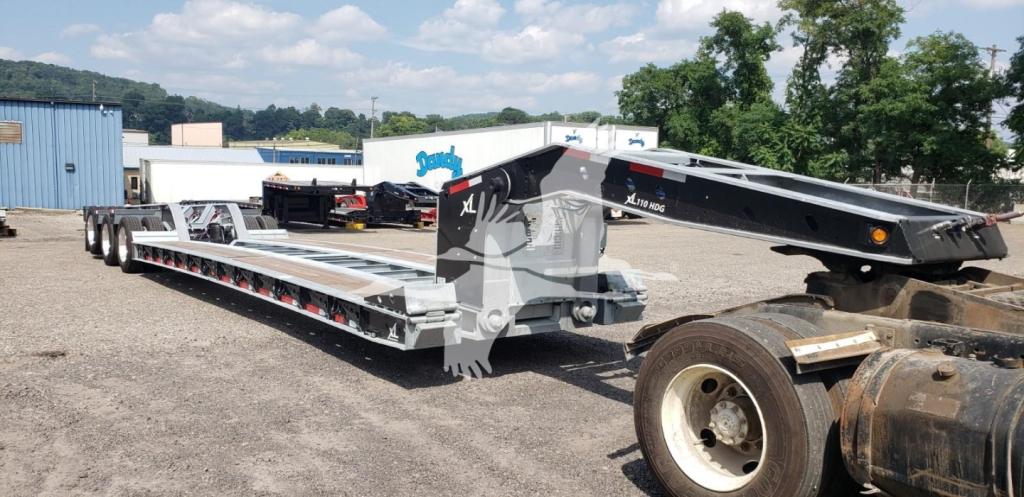
A key buying point on an XL Specialized lowboy is loaded deck height. Many heavy haul operators target a 15-inch loaded deck height because it helps maximize legal overall loaded height while still giving practical ground clearance, often around 4.5 inches depending on setup and load. Main deck lengths in the mid-20-foot range are common, paired with top decks around 13 feet and rear decks around 14 feet. Hydraulic detachable goosenecks, non-ground bearing neck designs, ride height adjustment, and multiple kingpin setting positions matter if the trailer will be matched to different tractors or used across varying state bridge and weight rules. Flip axle connections at the rear are also important for carriers that need flexibility to scale heavier loads.
XL Specialized trailers are also known for tie-down versatility and heavy haul details that save time in the field. Common features include swing-out outriggers, multiple D-ring pairs, keyhole chain drops, boom troughs, bucket wells, front ramps, toolboxes, flag holders, and work lights on the neck. Air ride suspensions from suppliers such as Hendrickson, 54-inch to 54.5-inch axle spacing, lift axles, dump valves, and mechanical ride height controls are all familiar specs in this category. Tire packages often use 275/70R22.5 rubber on aluminum outer and steel inner wheel combinations, a common setup for balancing durability, serviceability, and weight.
For Ohio buyers, trailer specification should be matched to the freight mix and permit environment, not just the published ton rating. A 55-ton rating in a 12-foot concentrated area does not mean every machine will load the same way, so deck distribution, axle group configuration, swing clearance, and attachment points deserve close attention. It also makes sense to evaluate whether you need the core trailer only or a complete heavy haul system with compatible flip axles, stingers, and neck accessories. XL Specialized has a strong reputation in specialized transport because these trailers are designed around real loading conditions, permit compliance, and long-term structural durability rather than just headline capacity numbers.
Frequently Asked Questions about XL Specialized Trailers in Ohio
What are XL Specialized trailers commonly used for?
XL Specialized trailers are commonly used in heavy haul and specialized transport applications, especially for moving excavators, dozers, loaders, cranes, paving equipment, and other tall or concentrated-weight machinery. Their lowboy and detachable gooseneck designs help operators load self-propelled equipment efficiently while keeping loaded height as low as possible for legal and permitted moves.
Why is deck height so important on an XL Specialized lowboy?
Deck height directly affects how much machine height you can carry before running into route or permit restrictions. A lower loaded deck height, such as 15 inches on many heavy haul models, gives more room for taller equipment while still maintaining usable ground clearance. For buyers hauling construction and agricultural equipment, deck height can be as important as ton rating because it determines real-world loadability.
What should I look for in an XL Specialized detachable gooseneck trailer?
The most important considerations are rated capacity, neck style, main deck length, axle count, and compatibility with flip axles or other rear attachments. Buyers should also review kingpin settings, ride height adjustment, swing clearance, tie-down layout, boom trough or bucket well options, and whether the trailer uses a non-ground bearing hydraulic neck. These details affect tractor compatibility, loading approach angle, permit flexibility, and how well the trailer fits the freight you actually move.
Are flip axles important on XL Specialized heavy haul trailers?
Flip axles are important if you need to increase flexibility for heavier payloads or change axle configuration for permitting and bridge compliance. On many XL Specialized trailers, rear flip axle connections allow the trailer to be adapted for higher-capacity applications without changing the base trailer. Buyers planning to haul varying machine weights should pay close attention to whether the trailer is already configured for a compatible flip axle system.
What flooring and suspension setups are common on XL Specialized trailers?
Apitong wood flooring is a common choice because it holds up well under repeated equipment loading and offers good durability in heavy service. Air ride suspension is also common, often with Hendrickson components, because it helps protect both trailer and cargo while allowing ride height management. Combined with lift axles, dump valves, and proper axle spacing, this setup supports better load distribution and day-to-day heavy haul usability.