
2026 XL Specialized Trailers For Sale in Ohio
Browse 2026 XL Specialized trailers for sale, including lowboy and traveling axle models built for heavy haul, construction, and equipment transport.
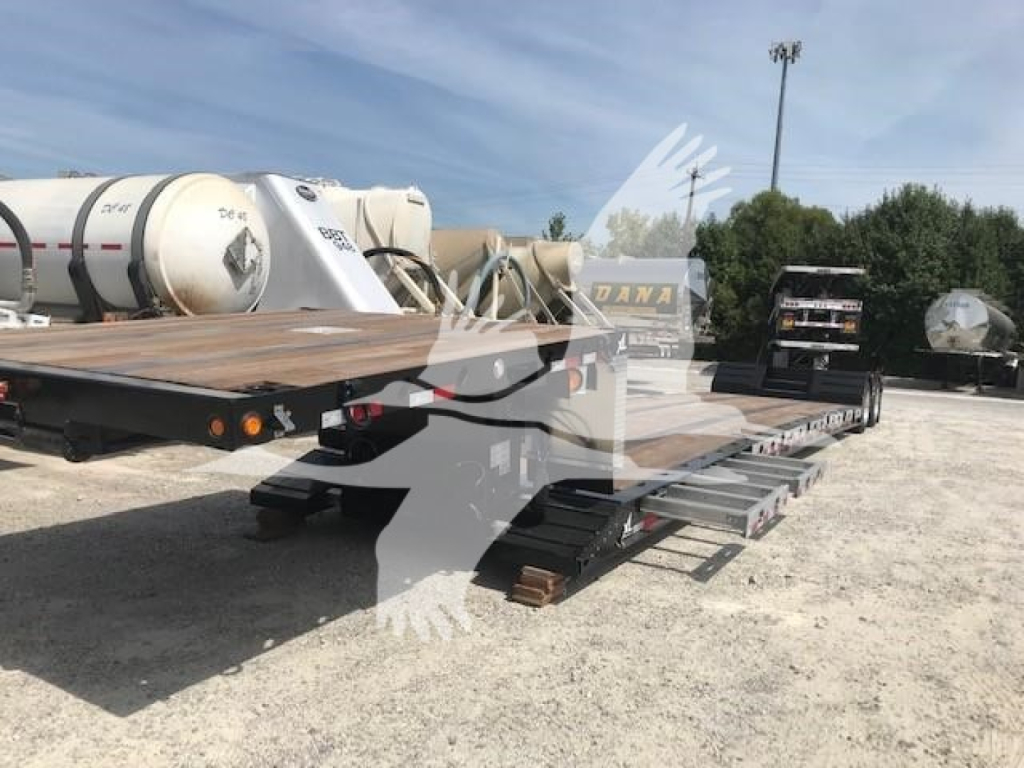
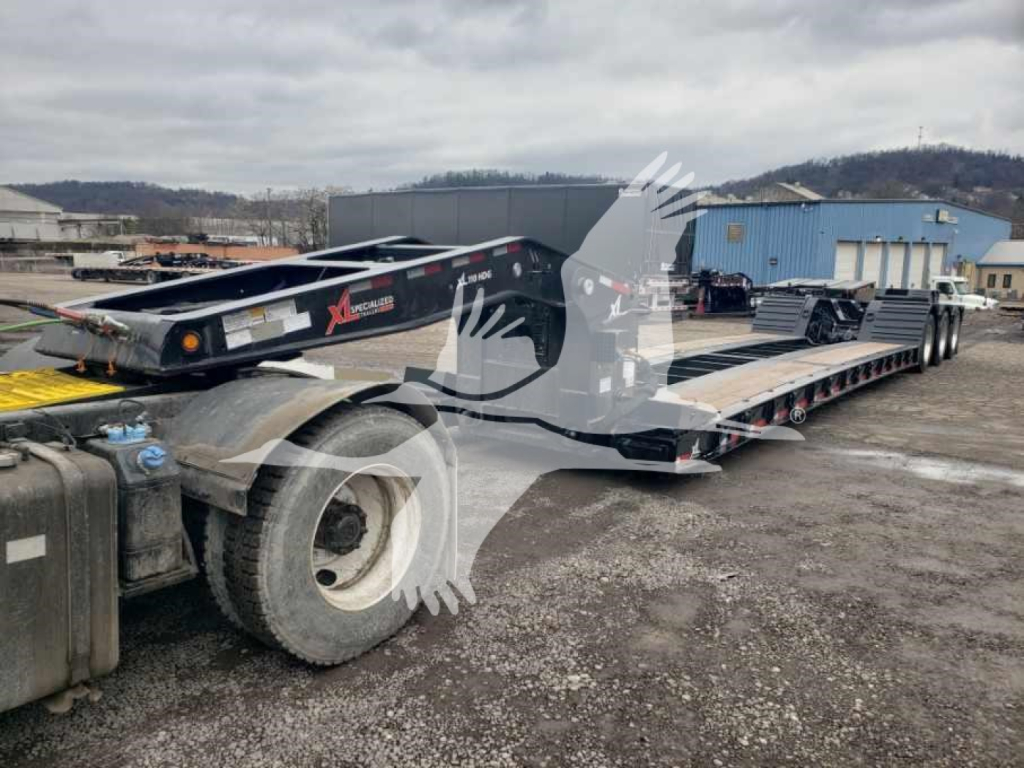
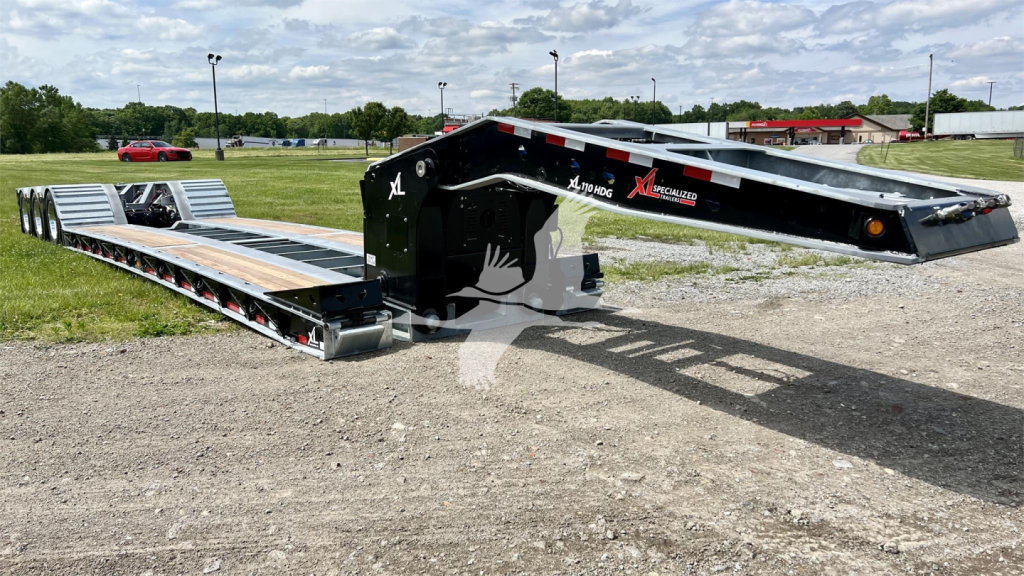
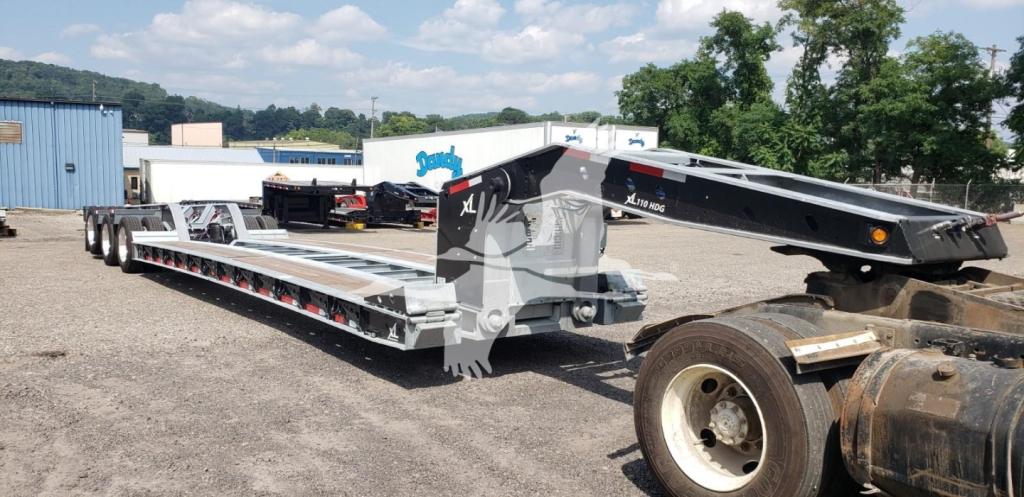
Selling a 2026 xl specialized trailer? List your 2026 xl specialized trailer for sale and reach thousands of commercial buyers.
2026 XL Specialized Trailers in Ohio
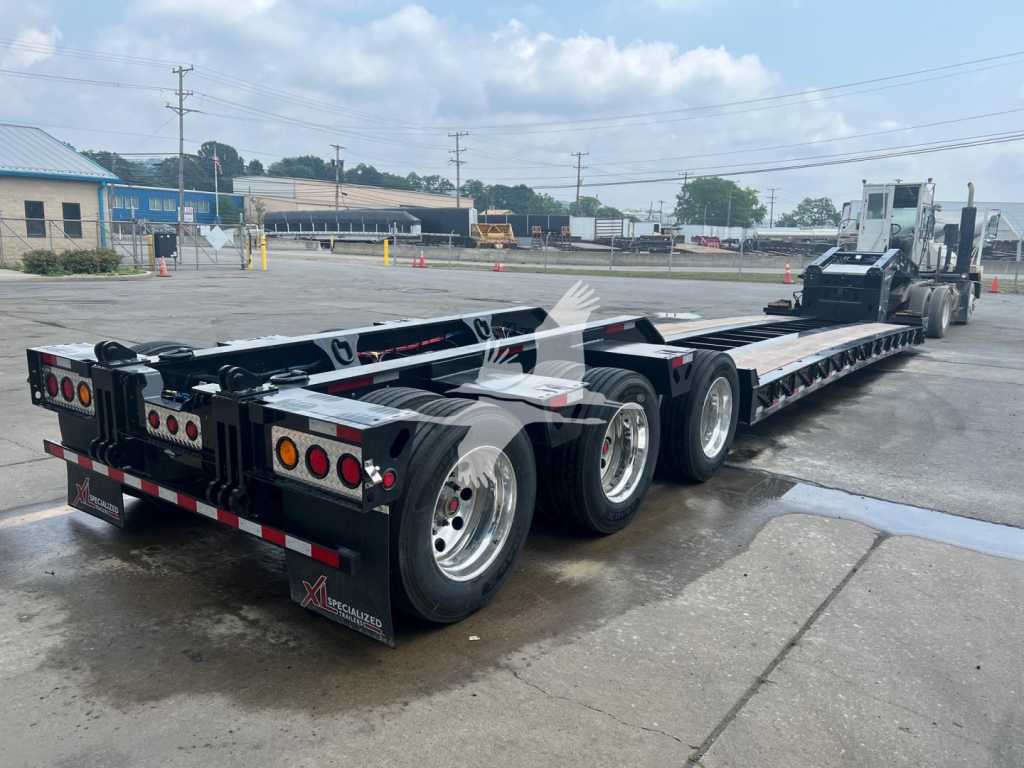
A lot of buying decisions in this category come down to trailer style. Hydraulic detachable gooseneck lowboys, also called RGN lowboy trailers, are a common choice when you need low loaded deck height and easier loading for tracked equipment. Typical specs in this class include 53-foot overall length, 102-inch width, 3-axle air ride suspensions, and load ratings ranging from 40 ton up to 55 ton and beyond depending on deck length and concentration. Common features include Apitong flooring, 12-inch fabricated beams or perimeter frame construction, flip axle connections, ride height control, air lift axles, and multiple kingpin settings. Buyers should pay close attention to loaded fifth wheel height, main deck height, ground clearance, axle spacing, and swing clearance, since those details affect both permit compliance and real-world usability with taller or longer machinery.
Securement and deck layout are just as important as ton rating. Many XL Specialized trailers are equipped with chain drops on regular centers, bent D-rings, pan style D-rings, outriggers or aluminum pullouts, bucket wells, boom troughs, and rear receptacles for lights or flip axle wiring. Those details improve versatility when hauling mixed equipment instead of one dedicated machine. Apitong decking remains popular because it handles repeated track loading well and is serviceable over time. Air ride suspensions from brands like Hendrickson are common in this segment, and buyers often prefer lift axle and manual dump valve setups for better maneuverability, loading angle control, and axle management on uneven jobsites.
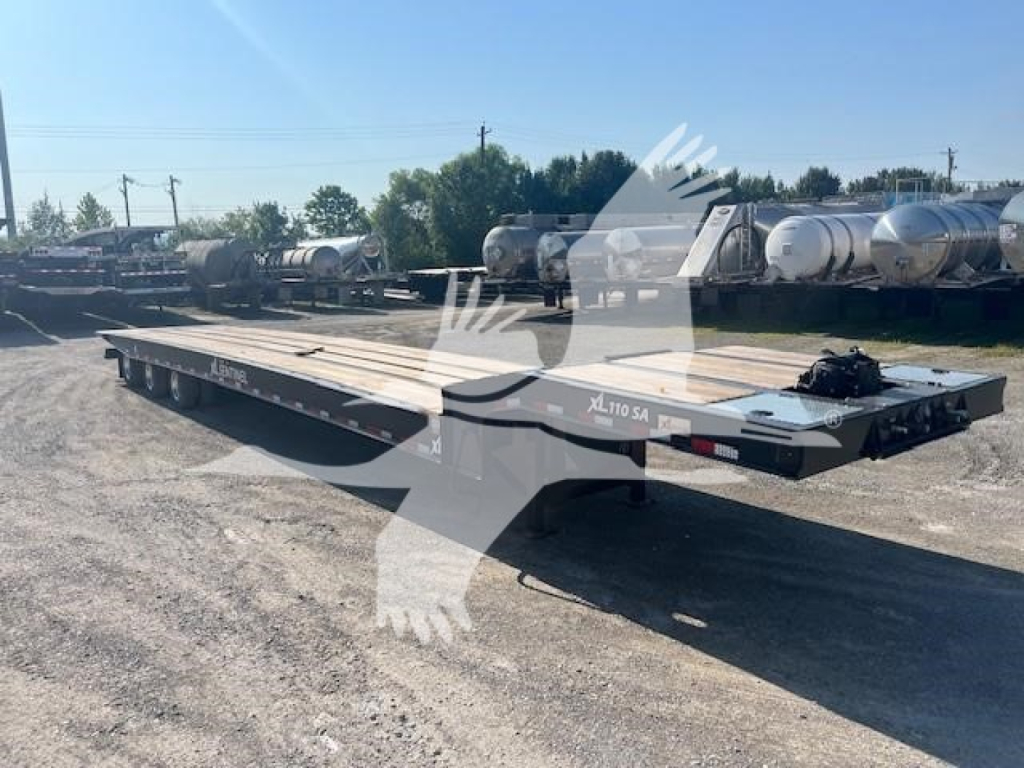
Traveling axle trailers are another important XL Specialized option for buyers handling self-propelled equipment that benefits from a shallow load angle. These are often chosen for pavers, rollers, compactors, and other machines that need easy drive-on loading without a detachable neck. Specs in this category often include long main decks, hydraulic winches, chain slots on center, and distributed weight ratings suited for heavy equipment with varied axle placement. When comparing 2026 XL Specialized trailers, look beyond published capacity and focus on how the trailer is configured for your freight. Deck length, concentrated load rating, axle count, future flip axle compatibility, securement pattern, and hydraulic setup will tell you more about day-to-day value than the model badge alone.
Frequently Asked Questions about 2026 XL Specialized Trailers in Ohio
What are XL Specialized trailers known for in the heavy-haul market?
XL Specialized trailers are known for purpose-built heavy-haul designs, especially lowboy, hydraulic detachable gooseneck, and traveling axle configurations. Buyers generally value the brand for strong frame construction, practical deck layouts, dependable hydraulic neck systems, and securement options that fit real equipment hauling. In the field, that translates to trailers that are commonly spec'd for construction, aggregate, utility, paving, and machinery transport where concentrated load ratings and low deck height are critical.
What is the difference between an XL Specialized lowboy and a traveling axle trailer?
An XL Specialized lowboy, often an RGN or hydraulic detachable gooseneck trailer, is designed to carry taller and heavier equipment at a lower loaded deck height. That makes it a strong fit for excavators, dozers, and other machines that create height concerns. A traveling axle trailer keeps the deck higher but offers a shallow loading angle and easy drive-on access, which is often preferred for pavers, rollers, and other self-propelled equipment. The best choice depends on machine height, weight concentration, loading method, and permit requirements.
What specs matter most when comparing heavy-haul XL Specialized trailers?
The most important specs are the trailer's concentrated load rating, overall axle configuration, main deck length, loaded deck height, ground clearance, and gooseneck style. Buyers should also review kingpin settings, axle spacing, swing clearance, flip axle compatibility, and suspension type because those details affect bridge law compliance, turning clearance, and future flexibility. Securement layout is equally important, especially chain drops, D-rings, outriggers, bucket wells, and boom troughs if the trailer will handle different equipment types.
Why is Apitong flooring common on XL Specialized trailers?
Apitong is widely used on heavy equipment trailers because it offers good durability under repeated track loading and holds up well in tough hauling environments. It provides solid traction for loading equipment, resists wear better than many softer wood options, and can be repaired or replaced in sections as the trailer ages. For buyers comparing specialized trailers, deck condition and flooring thickness are important because they affect both safety and long-term maintenance cost.
Are flip axle connections important on an XL Specialized lowboy?
Yes, flip axle connections can be very important if the trailer may need additional capacity or different axle group configurations later. A trailer built to accept a flip axle or spreader bar gives the operator more flexibility for heavier loads, different state bridge formulas, and changing permit needs. Even if a flip axle is not used immediately, having the trailer prepped for future expansion can improve resale value and make the trailer more adaptable as hauling requirements change.