
2026 XL Specialized Trailers For Sale
Shop 2026 XL Specialized trailers for heavy haul, lowboy, traveling axle, and specialized transport applications.
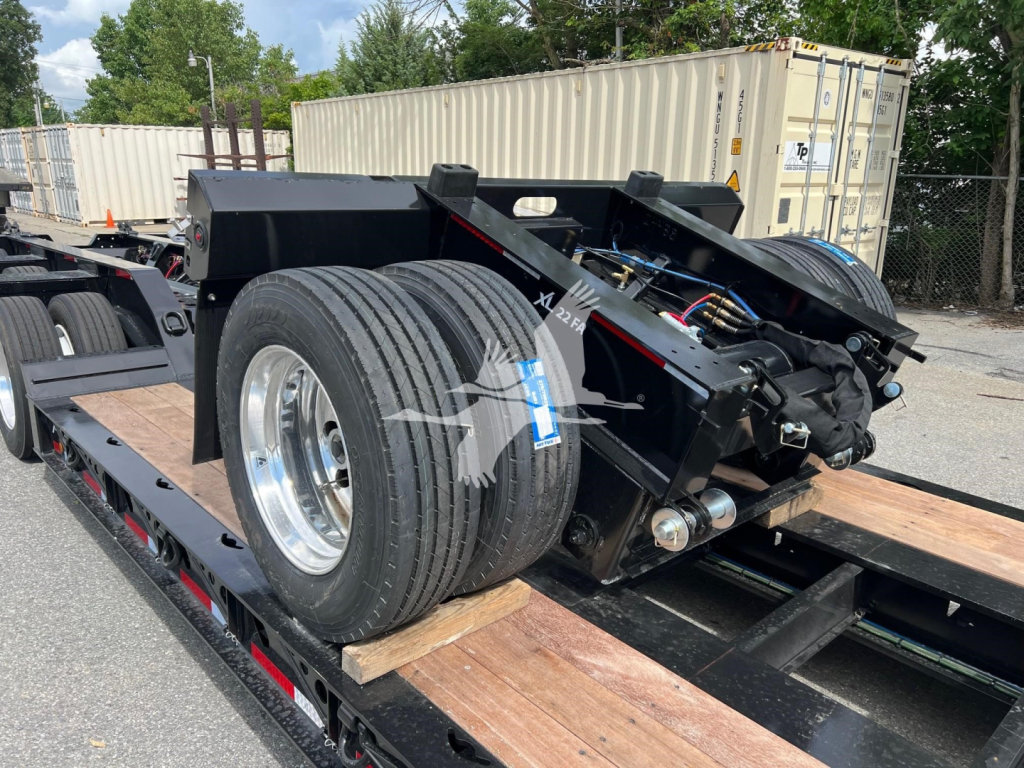
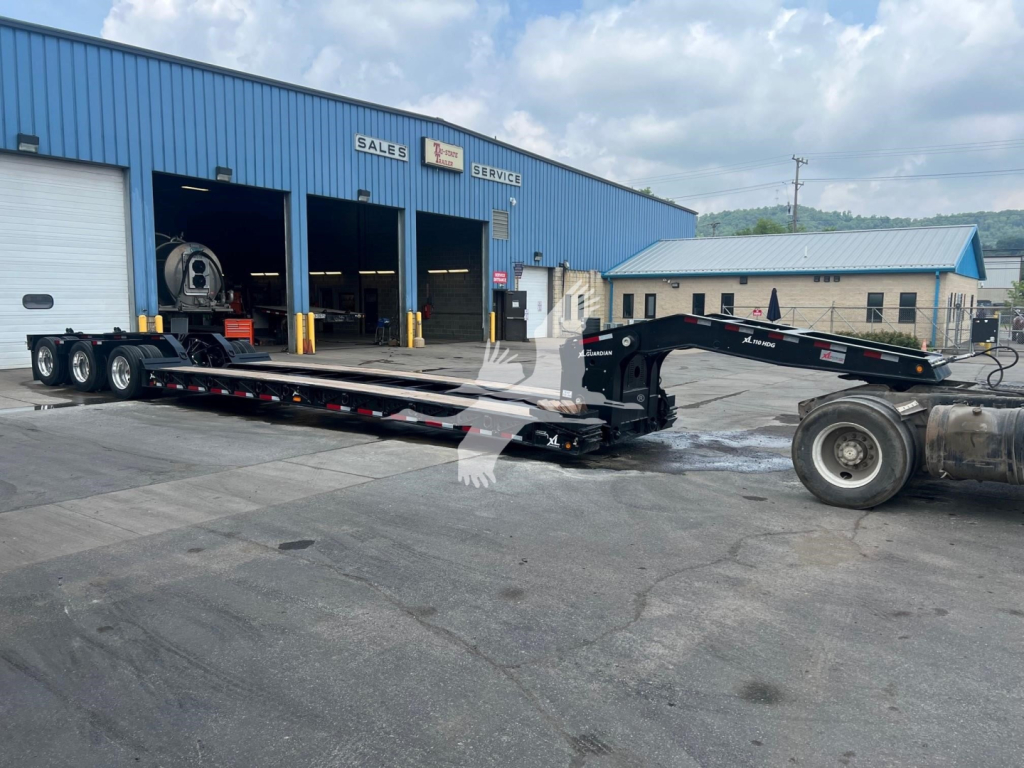
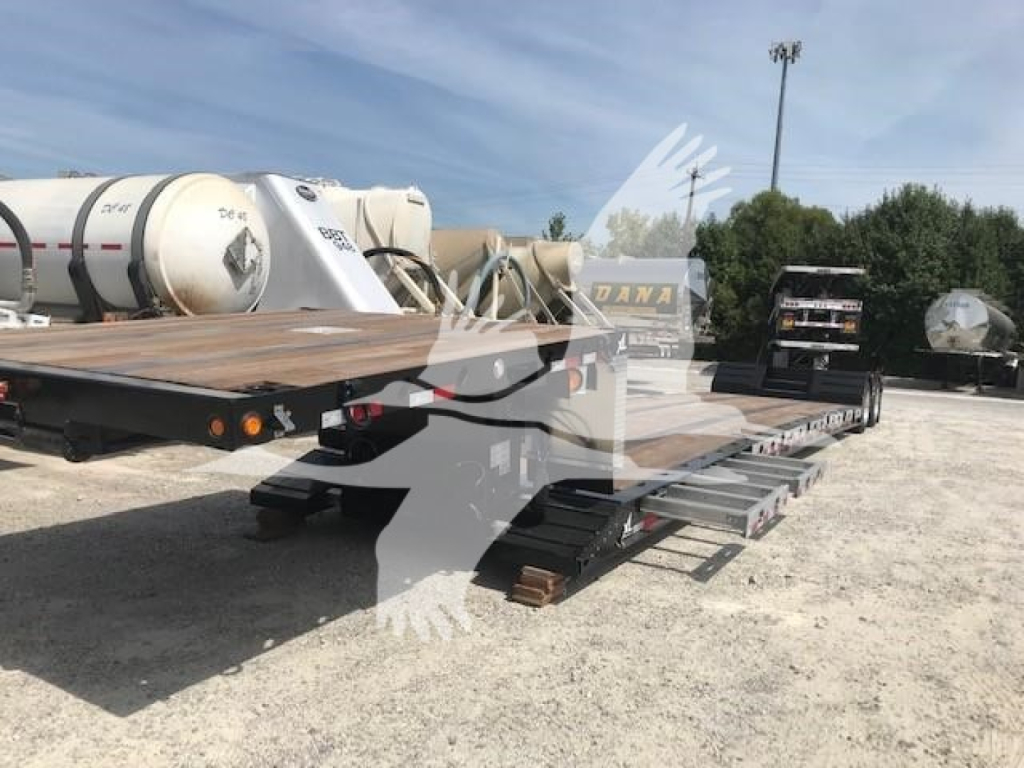
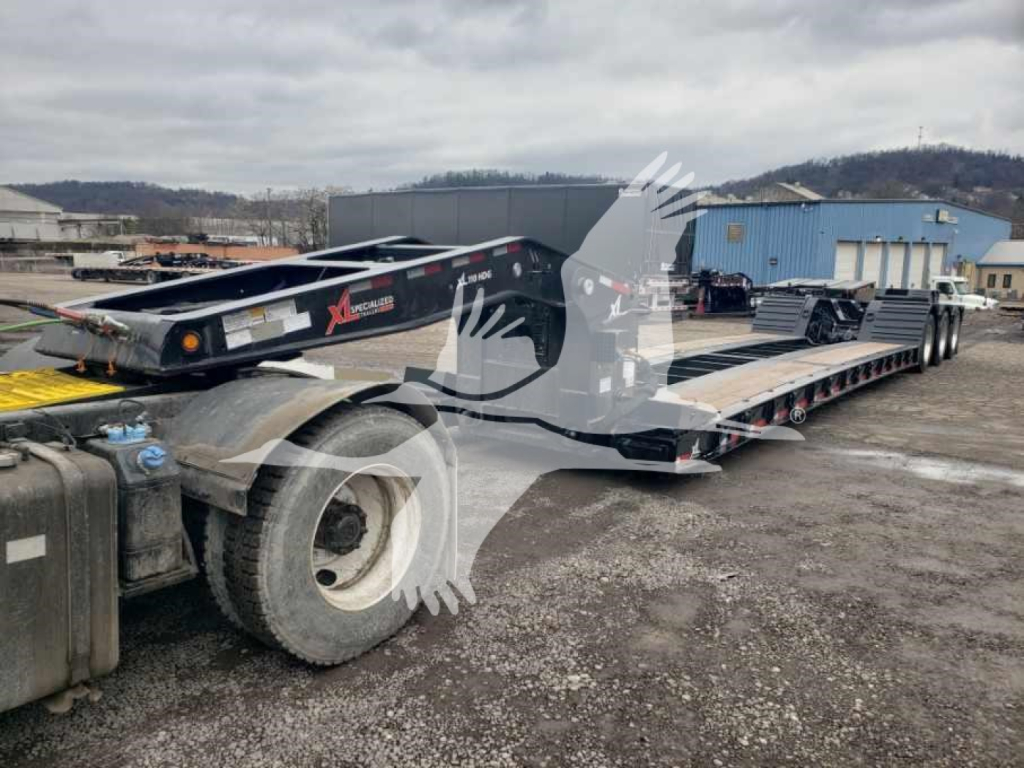
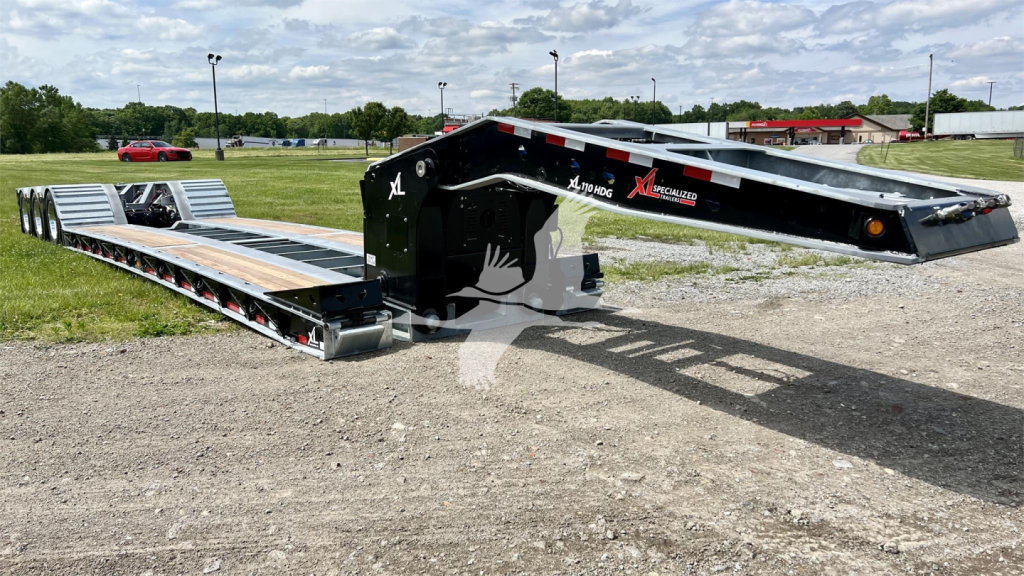
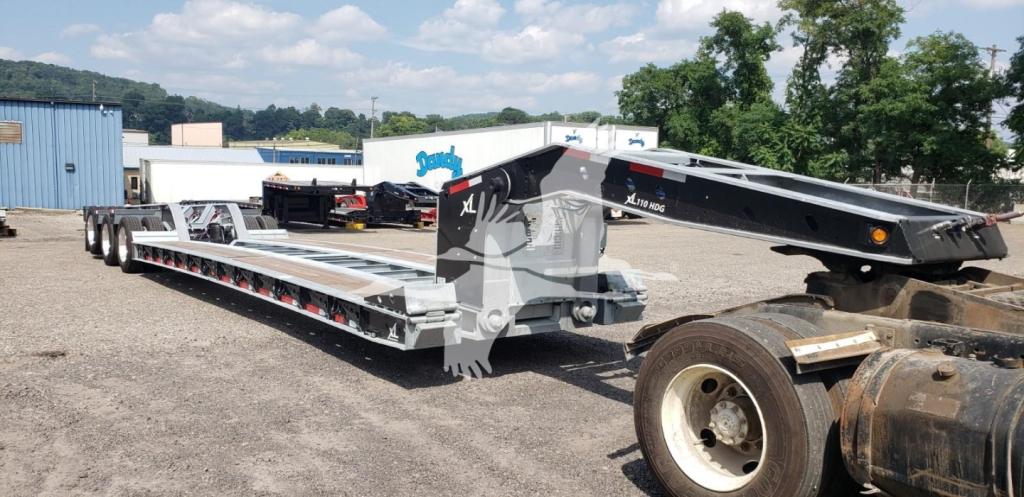
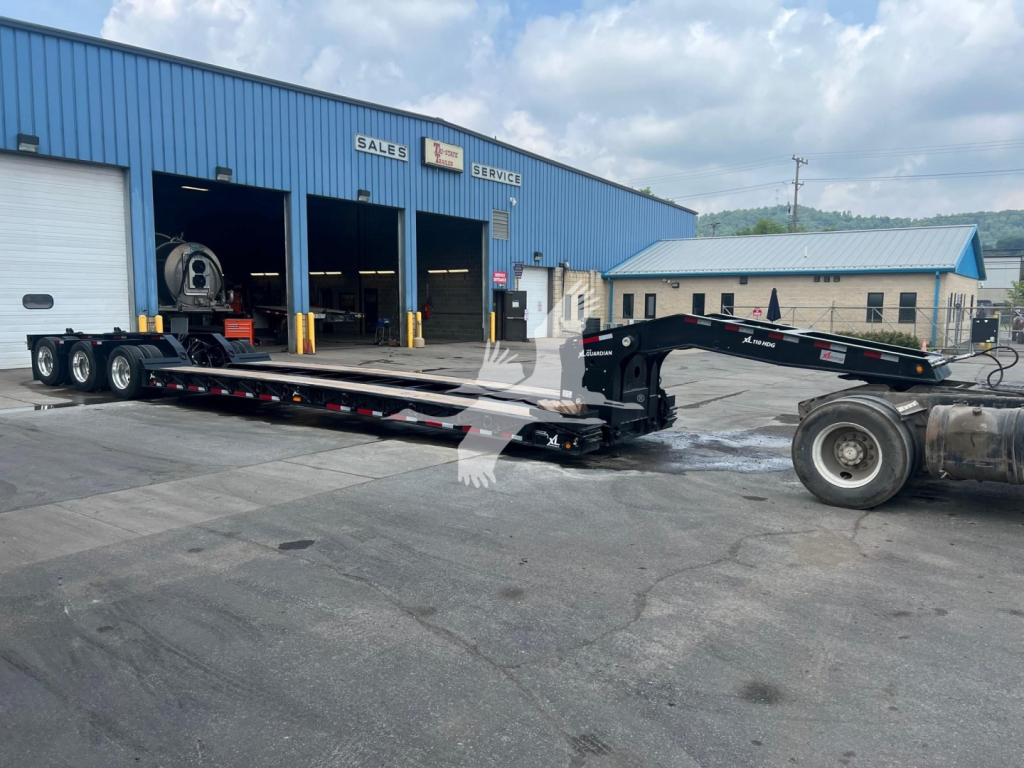
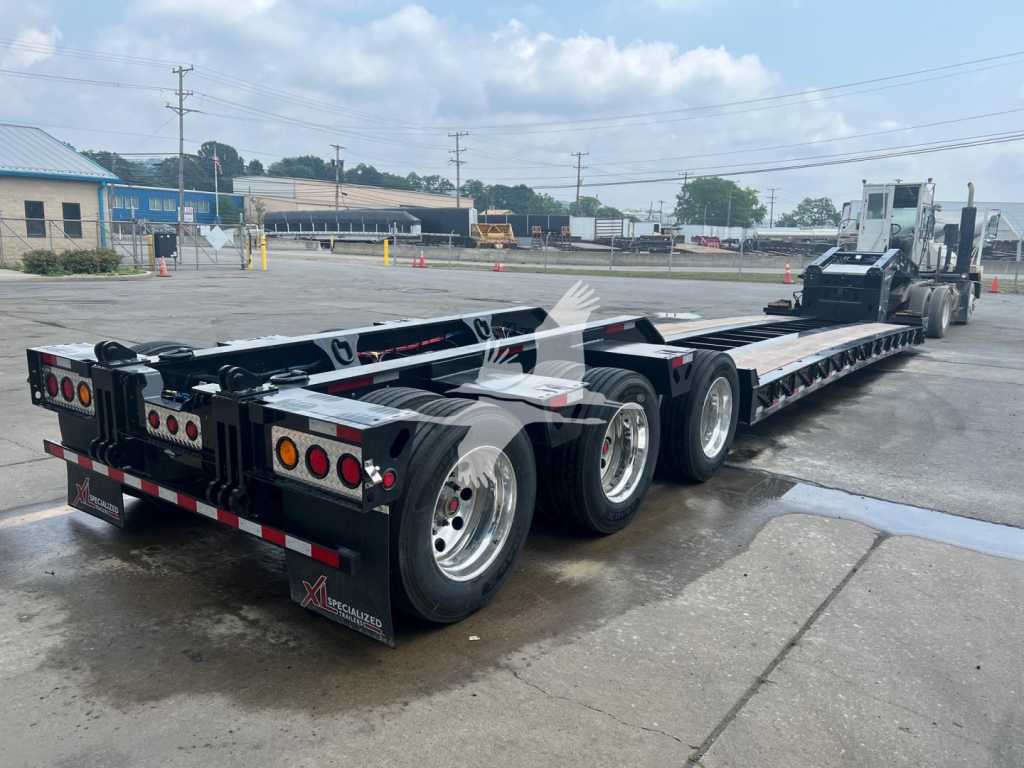
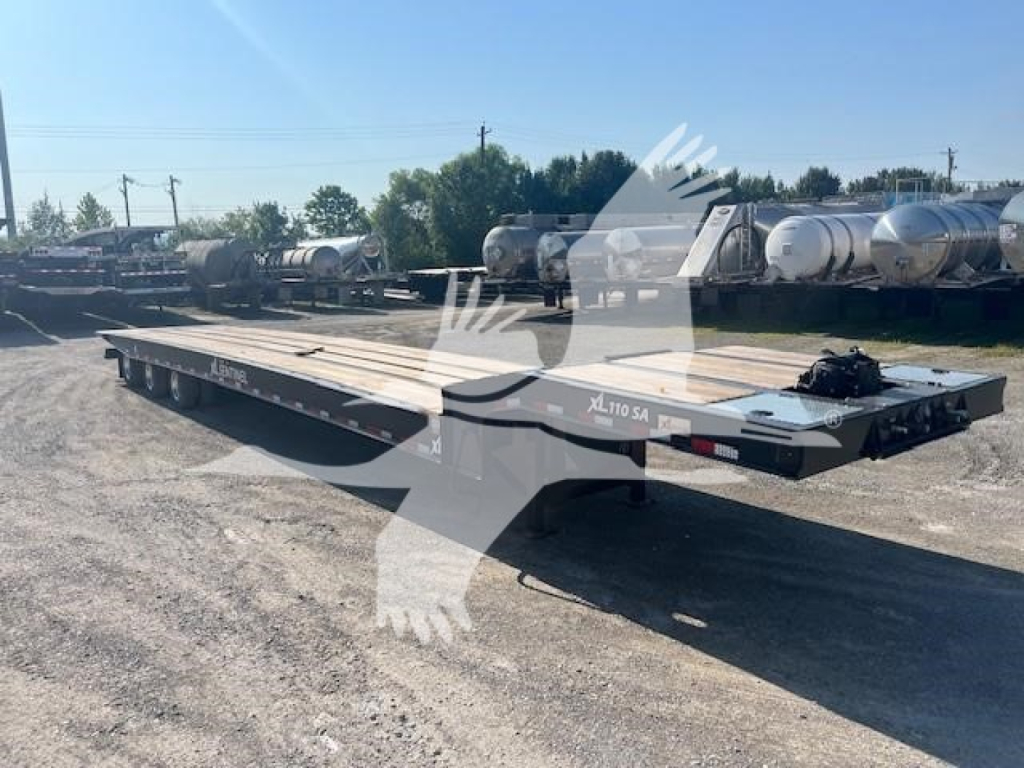
Selling a 2026 xl specialized trailer? List your 2026 xl specialized trailer for sale and reach thousands of commercial buyers.
2026 XL Specialized Trailers
In XL Specialized lowboy and detachable trailer designs, common decision points include hydraulic versus mechanical detach systems, non-ground-bearing versus ground-bearing necks, tri-axle or tandem layouts, and flip axle compatibility for added capacity. Many units in this class run 102-inch width, Apitong flooring, air ride suspension, swing-out outriggers on 24-inch centers, and multiple D-ring or chain-drop tie-down points. Main deck lengths and loaded deck heights vary by model, but buyers hauling excavators, dozers, pavers, or articulated machines should pay close attention to deck length, swing clearance, kingpin settings, and the rating in a specific span such as 10 feet or 12 feet, not just gross trailer capacity. A 55-ton or 80,000-pound class trailer can perform very differently depending on axle group, bridge formula requirements, and whether a flip axle or spreader bar is part of the setup.
Traveling axle and mini deck versions from XL Specialized fill a different niche than a traditional lowboy. A traveling axle trailer can offer a shallow load angle and easy loading for rollers, pavers, or lower-clearance equipment, especially when paired with a hydraulic winch and wet kit operation. Mini deck and double drop expandable designs are better suited for tall freight or machines that need extremely low deck height and additional well space. In those applications, details like loaded deck height, ground clearance, extension range, rear deck design, and pony motor setup can have a direct effect on daily usability. Buyers moving freight across multiple states should also verify California-legal dimensions, axle spacing, and ride height adjustment features before narrowing down a trailer.
For any 2026 XL Specialized trailer, the smart comparison is between frame construction, suspension spec, securement layout, and upgrade path. Look for crossmember spacing, perimeter beam or fabricated I-beam rail design, bucket well or boom well provisions, lift axle function, tire size, and aluminum versus steel wheel setup. If the trailer is intended for severe service, inspect how the deck is reinforced around the main beams and whether the neck and rear frame are already plumbed or configured for future flip axles, jeep combinations, or specialty attachments. XL Specialized has a strong reputation in the heavy haul market because these trailers are typically engineered around real freight categories, not generic payload numbers. That makes spec discipline critical. The right trailer is the one whose deck geometry, axle package, and legal load path match the equipment you move every week.
Frequently Asked Questions about 2026 XL Specialized Trailers
What types of trailers are included in the 2026 XL Specialized trailer category?
This category can include lowboy trailers, hydraulic detachable gooseneck trailers, traveling axle trailers, mini decks, and double drop expandable trailers. XL Specialized is primarily associated with specialized heavy haul equipment, so most buyers will be comparing trailers built for machinery transport, concentrated loads, and over-dimensional freight rather than general flatbed work. The exact trailer type should be chosen based on machine height, loading angle, required deck length, and legal axle configuration.
What should I look at first when comparing XL Specialized lowboy trailers?
Start with the main deck height, deck length, axle count, and the trailer's rating in a defined area such as 10 feet or 12 feet. Those specs tell you far more than overall GVWR alone. After that, check whether the gooseneck is hydraulic detachable, whether the trailer accepts a flip axle, what the kingpin settings are, and how the securement system is laid out. Swing-out outriggers, chain drops, D-rings, and bucket well or boom well features can all matter depending on the equipment being hauled.
Why does flip axle compatibility matter on an XL Specialized trailer?
Flip axle compatibility gives the trailer room to grow with heavier or more permit-sensitive loads. A trailer designed to accept a rear flip axle, spreader bar, or other modular axle additions can improve bridge compliance and increase usable payload in the right application. Even if a buyer does not need the extra axle immediately, having the trailer pre-configured for it can reduce retrofit costs and improve resale appeal in the heavy haul market.
Are traveling axle and mini deck trailers better than a standard lowboy for some loads?
Yes. Traveling axle trailers are often preferred for equipment that benefits from a shallow loading angle and easy drive-on loading, such as pavers, rollers, and some compact machinery. Mini deck and double drop styles are often the better fit for taller freight or machines that need a very low loaded deck height. A standard lowboy remains the common choice for excavators, dozers, and heavier construction equipment, but the best trailer depends on machine dimensions, weight distribution, and how the load is loaded and secured.
What construction features are common on XL Specialized trailers?
Common features in this category include steel frame construction, Apitong decking, air ride suspension, hydraulic detachable necks, adjustable ride height, multiple tie-down points, and heavy-duty side rail designs such as fabricated I-beams or perimeter beams. Many trailers also include swing-out outriggers, lift axles, liquid-filled gauges, aluminum outer and steel inner wheel combinations, and lighting packages set up for oversize work. Those details are important because they affect loading efficiency, load securement flexibility, and long-term durability in severe service.