
2026 XL Specialized Trailers For Sale in Pennsylvania
Shop 2026 XL Specialized trailers for sale in Pennsylvania. Compare lowboy and heavy haul specs, deck layouts, axle options, and capacity details.
Looking for the easiest place to sell your 2026 xl specialized trailer? List it here to reach thousands of buyers.
2026 XL Specialized Trailers in Pennsylvania
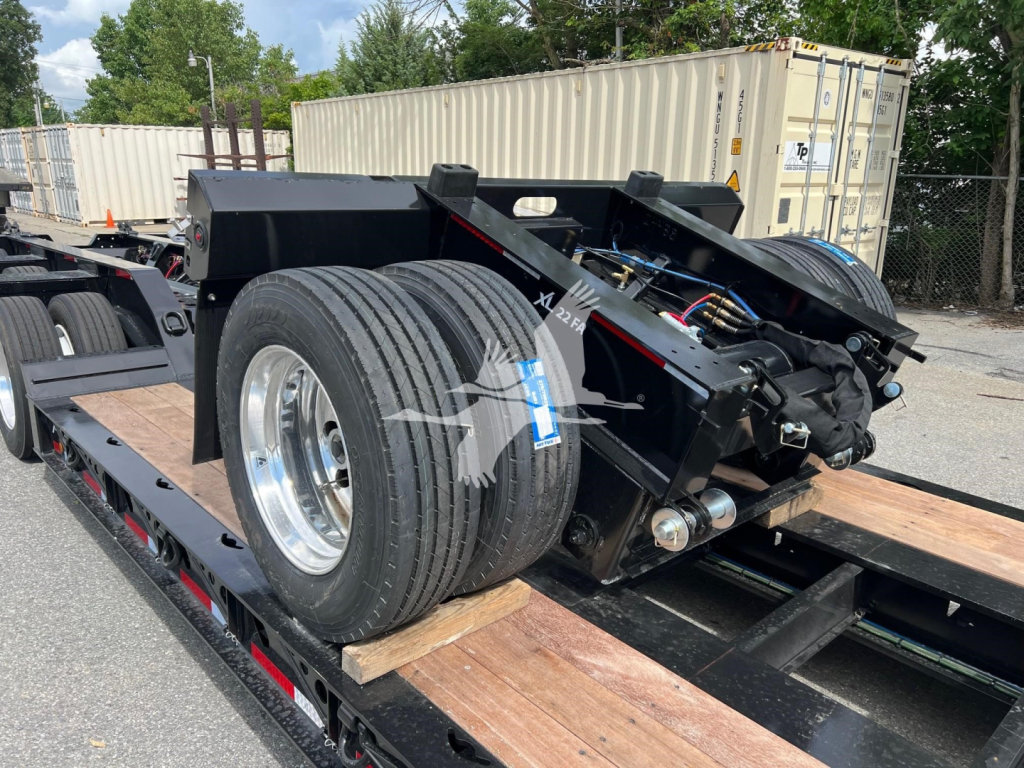
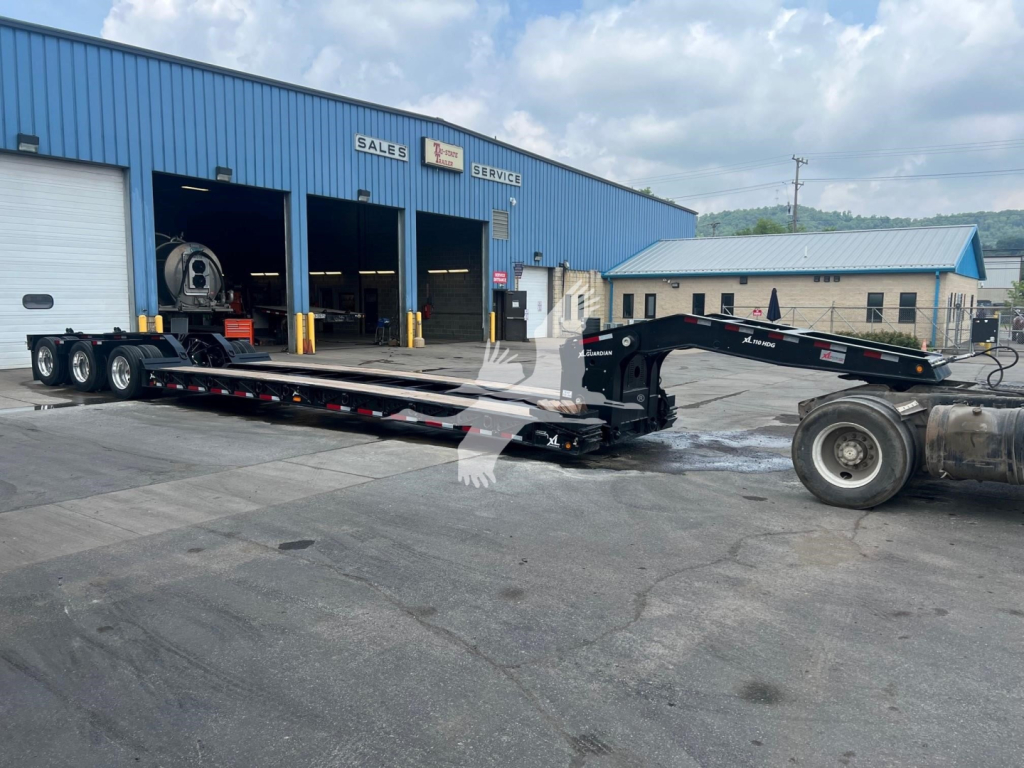
A lot of the buying decision comes down to deck design and capacity rating. Common XL Specialized setups in this segment include hydraulic detachable goosenecks, non-ground bearing necks, 53-foot overall lengths, 102-inch widths, and main deck heights around 18 to 20 inches. Buyers should pay close attention to concentrated load ratings such as 55-ton in 12 feet or 80,000 pounds distributed, because that matters more than advertised gross capacity when you are hauling tracked equipment. Apitong flooring, raised center-open decks, bucket wells, front flip ramps, and rear transition details all affect how easily a machine loads and how well the trailer handles uneven weight distribution.
Axle group and suspension specs are just as important as deck dimensions. Many XL Specialized lowboys use Hendrickson air ride with 54-inch to 54.5-inch axle spacing, raise-and-lower controls, dump valves, and lift axle provisions or flip axle compatibility. If your work involves varying machine weights, bridge law planning, or occasional over 100,000-pound gross combinations, look closely at whether the trailer is prepped for a 4th axle, spreader bar, or flip axle. Kingpin settings, loaded fifth-wheel height positions, and swing clearance numbers also deserve attention, since they affect tractor match, turning clearance, and how well the trailer works with different neck and jeep combinations.
Securement and day-to-day durability are where XL trailers often stand out. Features commonly seen include fabricated I-beam side rails, outriggers or pullouts on close centers, multiple bent D-rings, chain drops, stake pockets for wide-load signs, liquid-filled gauges, LED lighting, and heavy-duty toolboxes mounted in the neck or ahead of the deck. For buyers comparing listings, the smart move is to match the trailer to the actual machines being hauled, not just the maximum rating on paper. Deck length between the neck and rear axles, rear deck layout, loaded deck height, and future axle expandability will usually matter more over the long term than a small difference in tare weight.
Frequently Asked Questions about 2026 XL Specialized Trailers in Pennsylvania
What type of XL Specialized trailers are most common in this category?
The most common units in this category are lowboy trailers, including hydraulic detachable gooseneck models used for heavy equipment hauling. Many are designed with low main deck heights, concentrated load ratings, and provisions for flip axles or additional axle configurations. These trailers are typically chosen for hauling construction and aggregate equipment that would sit too tall or load poorly on a standard flatbed.
What specs matter most when buying an XL Specialized lowboy?
The most important specs are the actual load rating in a stated deck length, main deck height, overall deck length, axle count, axle spacing, and gooseneck style. Buyers should also review kingpin settings, swing clearance, floor type, and securement layout. A trailer that is rated correctly but lacks the right deck length or axle expandability can become limiting very quickly in real heavy haul work.
Why is flip axle or 4th axle compatibility important?
Flip axle or 4th axle compatibility gives a buyer more flexibility for heavier and more specialized loads. It can help with bridge compliance, improve weight distribution, and expand the range of machines the trailer can legally move. Even if a trailer will be run as a tandem or tri-axle most of the time, built-in compatibility can add long-term value and make the trailer easier to adapt as hauling needs change.
Are XL Specialized trailers a good fit for equipment hauling in Pennsylvania?
Yes. Pennsylvania operators often need trailers that balance low deck height, tight loading geometry, and durability for regional construction, paving, utility, and quarry work. XL Specialized trailers are commonly spec'd for those demands, especially when buyers need detachable goosenecks, air ride suspensions, strong securement points, and layouts that can handle excavators, dozers, and other high-profile equipment within permit limits.
What is the advantage of a hydraulic detachable gooseneck on a lowboy trailer?
A hydraulic detachable gooseneck allows self-loading from the front, which is a major advantage for tracked and wheeled equipment. It reduces the need for loading docks or external ramps and can improve safety and speed at the jobsite. On heavy haul applications, the detachable neck also makes it easier to manage low approach angles and load machines that would be difficult to place on a fixed-neck trailer.