
Dorsey Trailers For Sale in Ohio
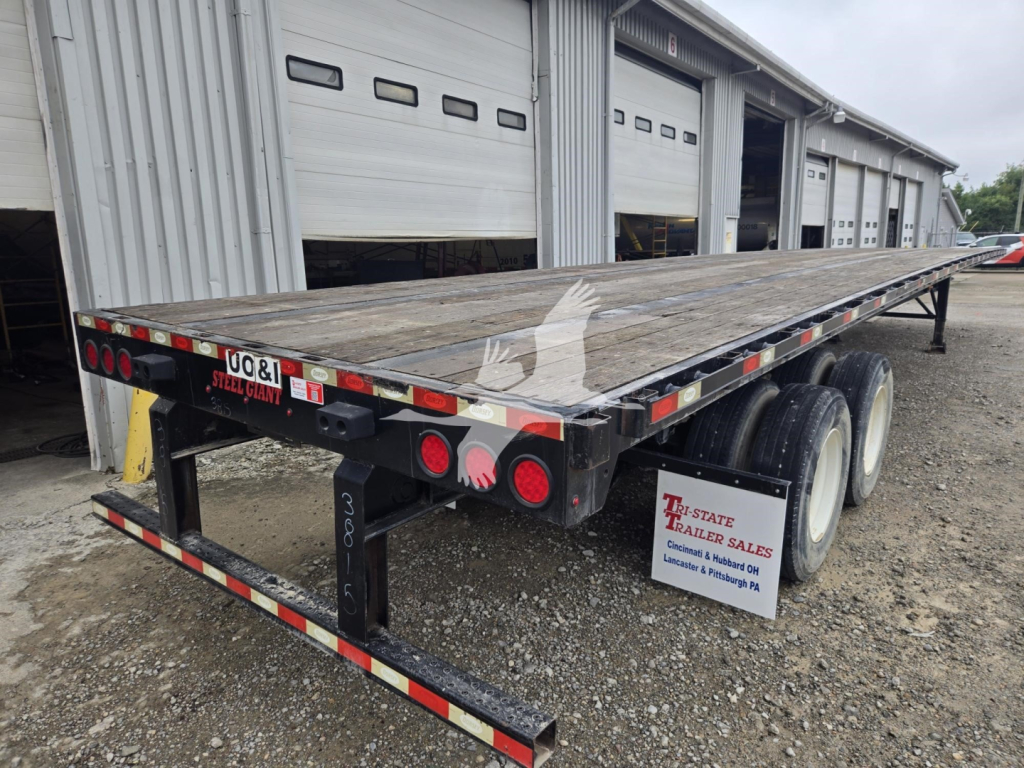
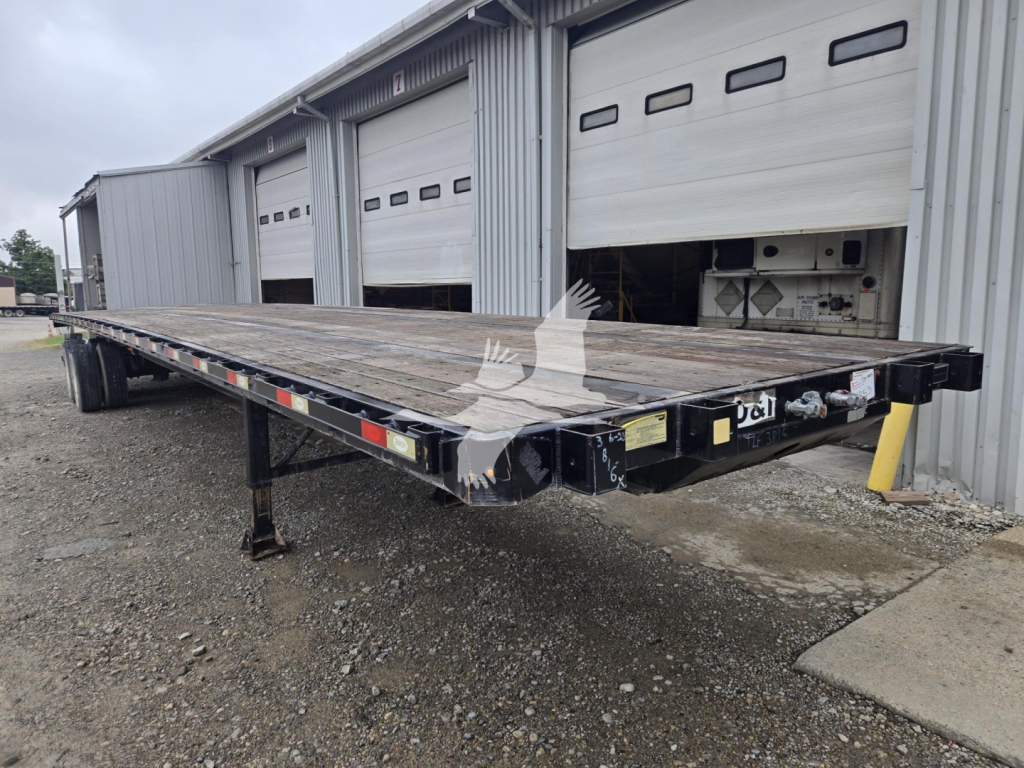
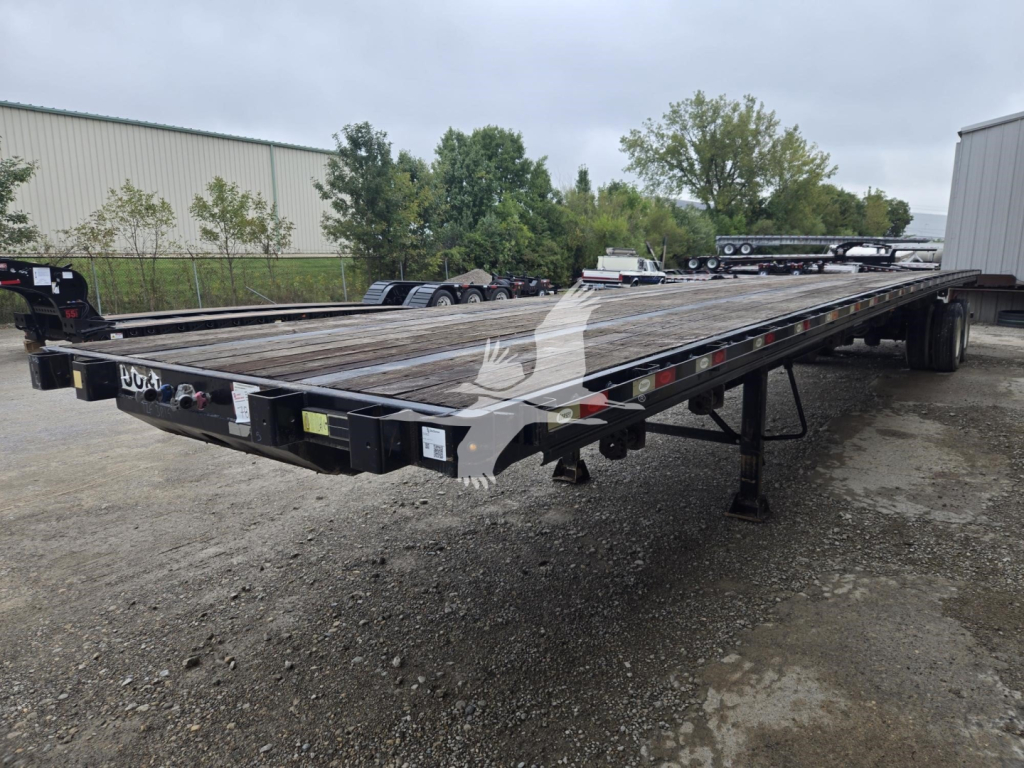
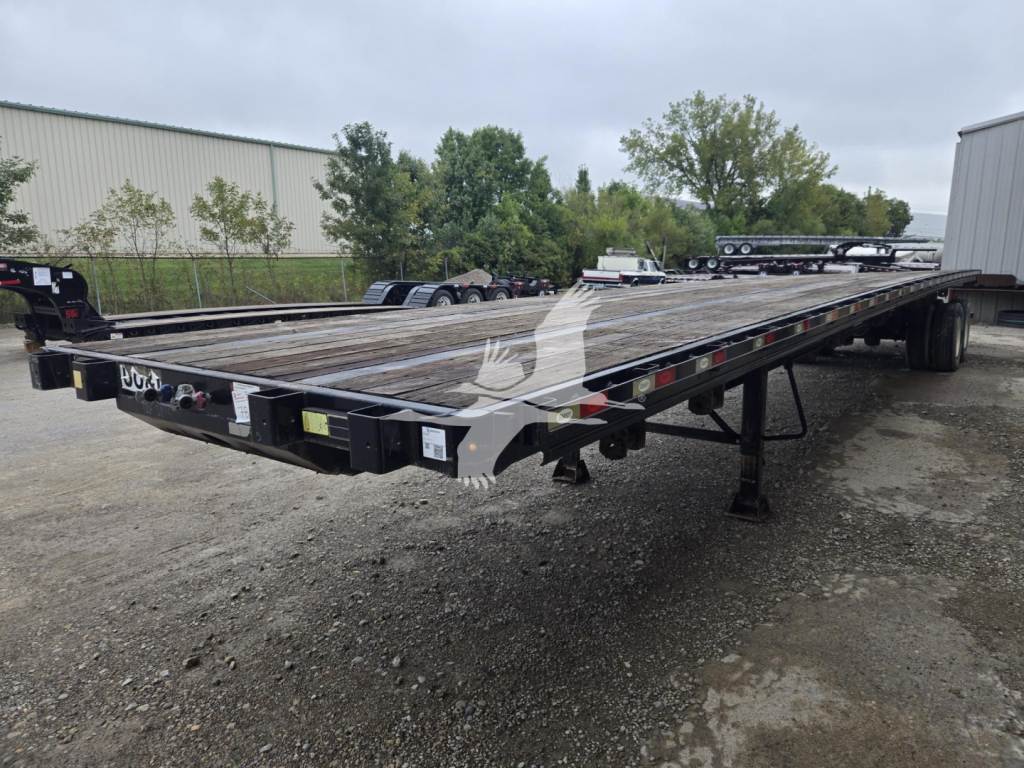
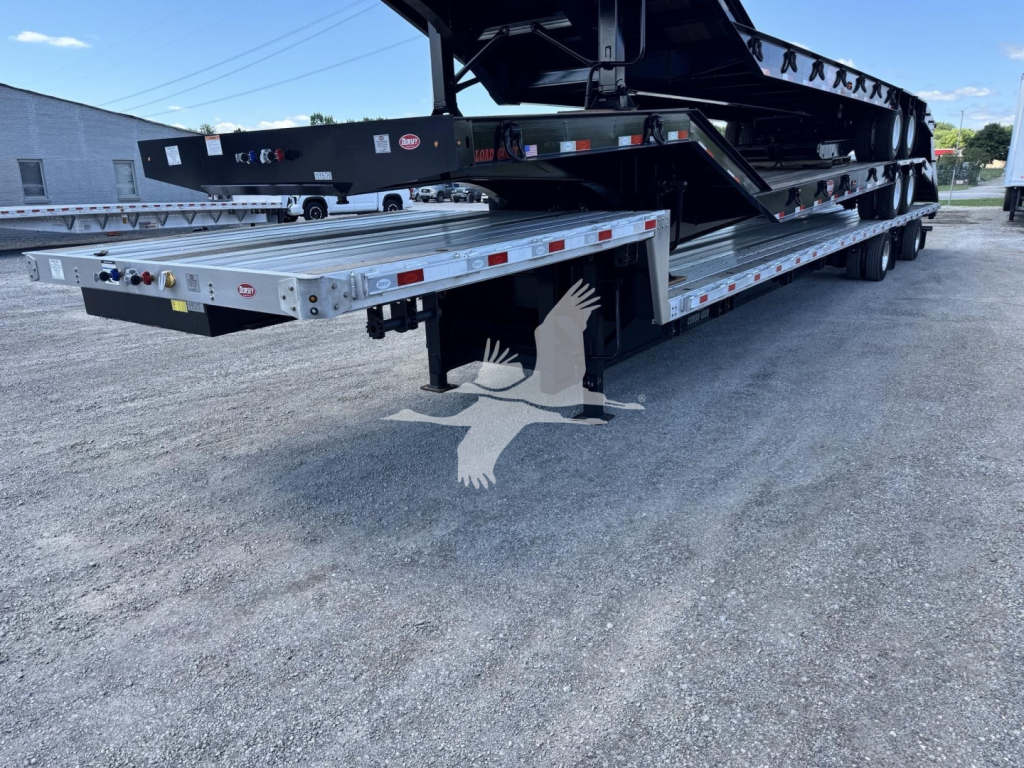
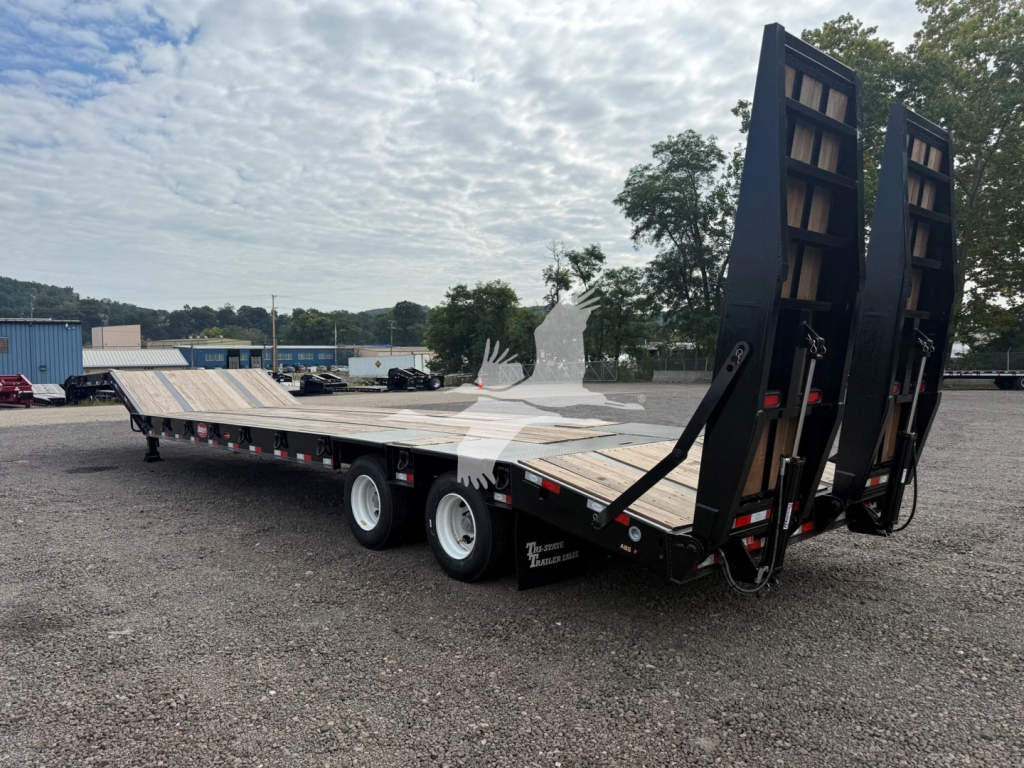
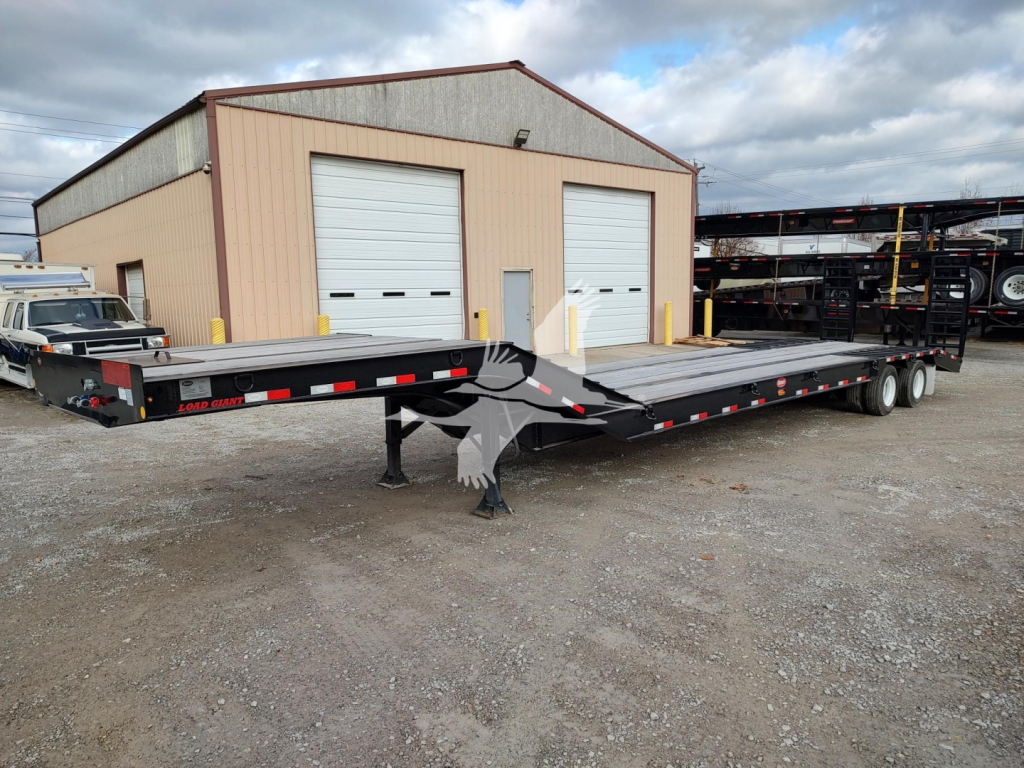
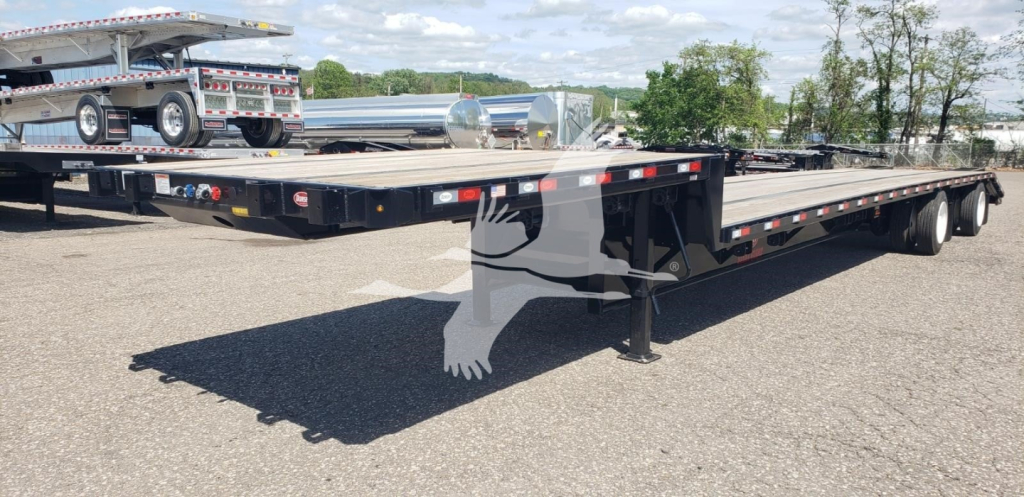
Shop Dorsey trailers for sale in Ohio, including flatbed and drop deck models with steel construction, Apitong floors, air ride suspensions.
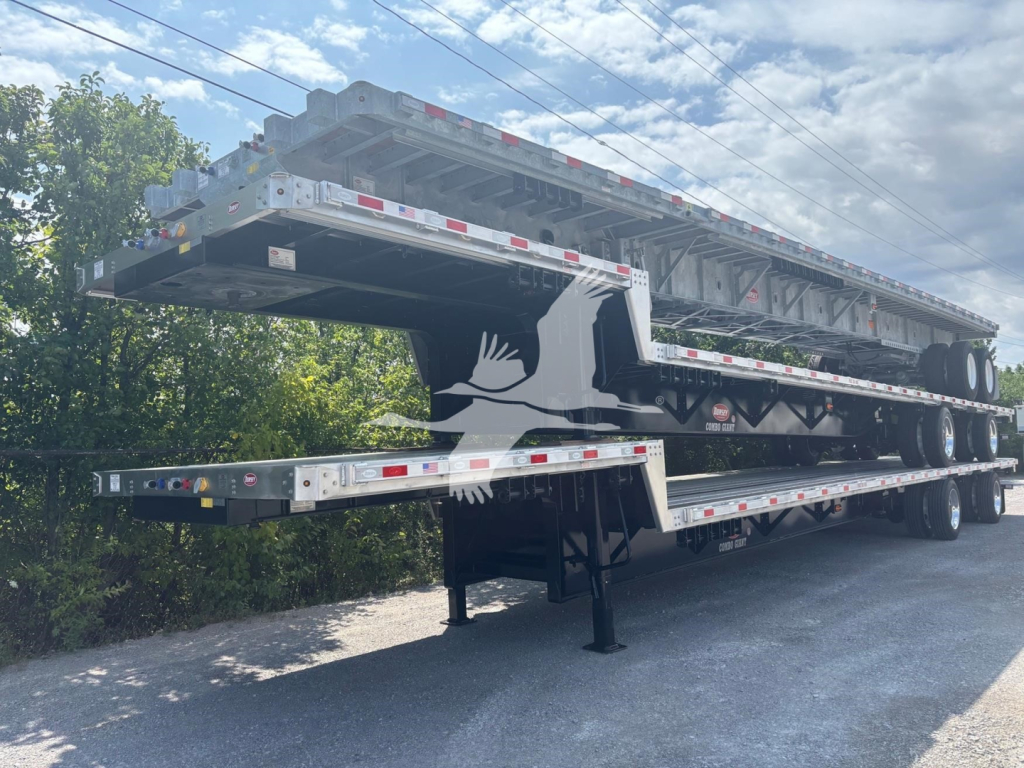
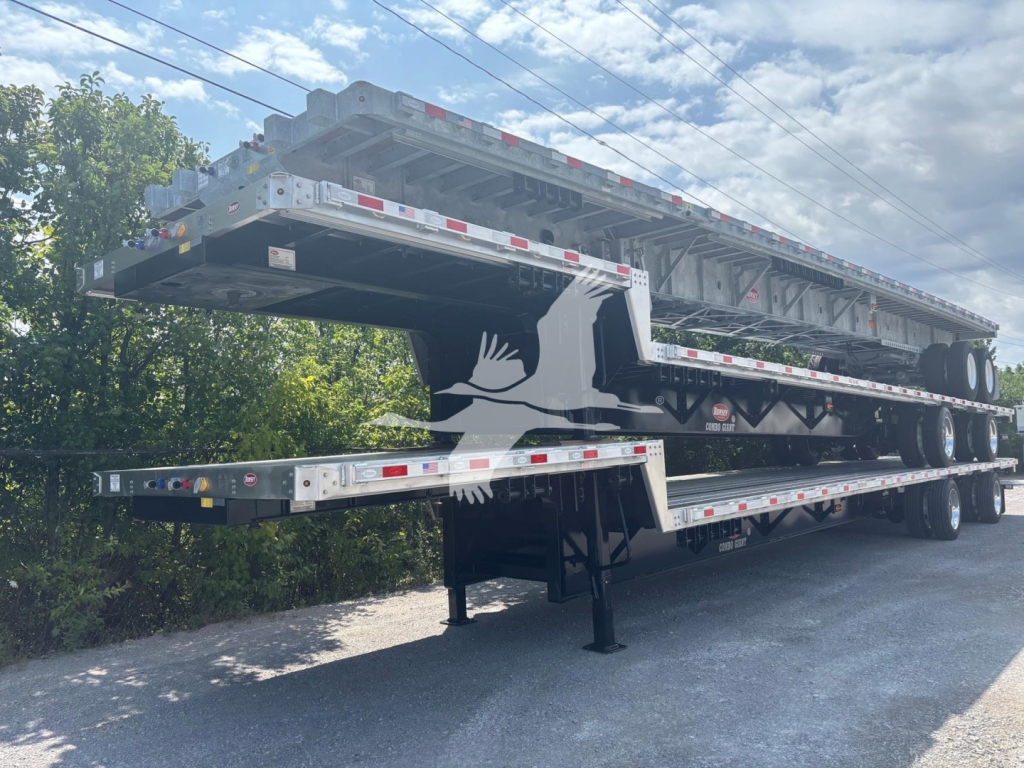
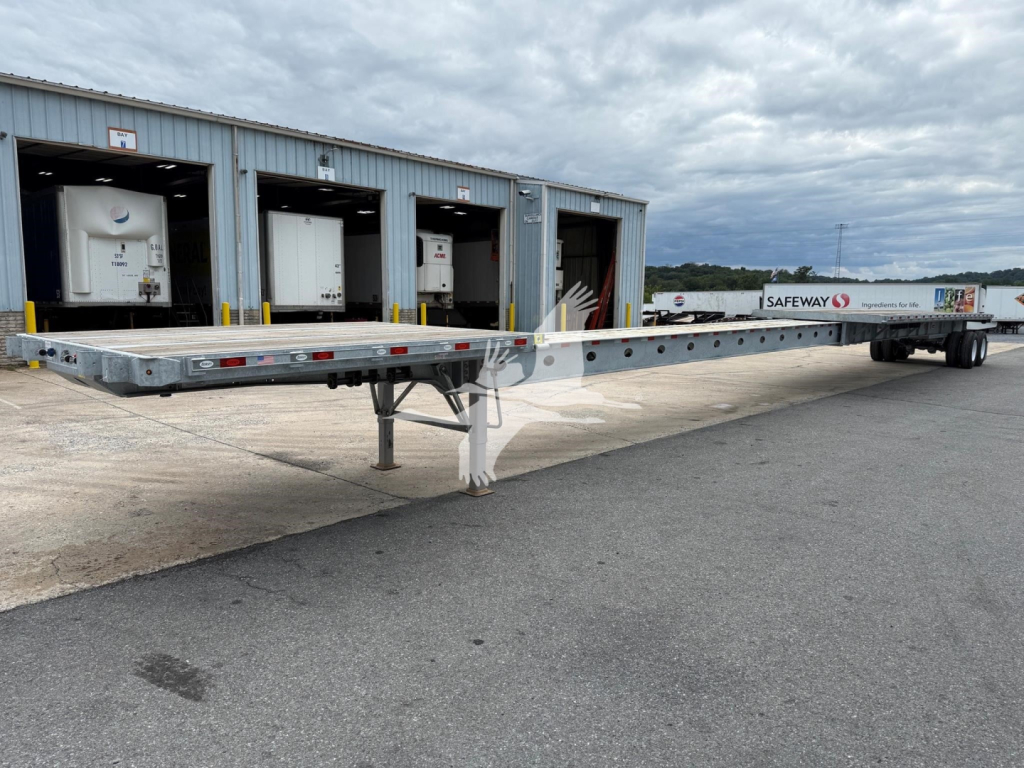
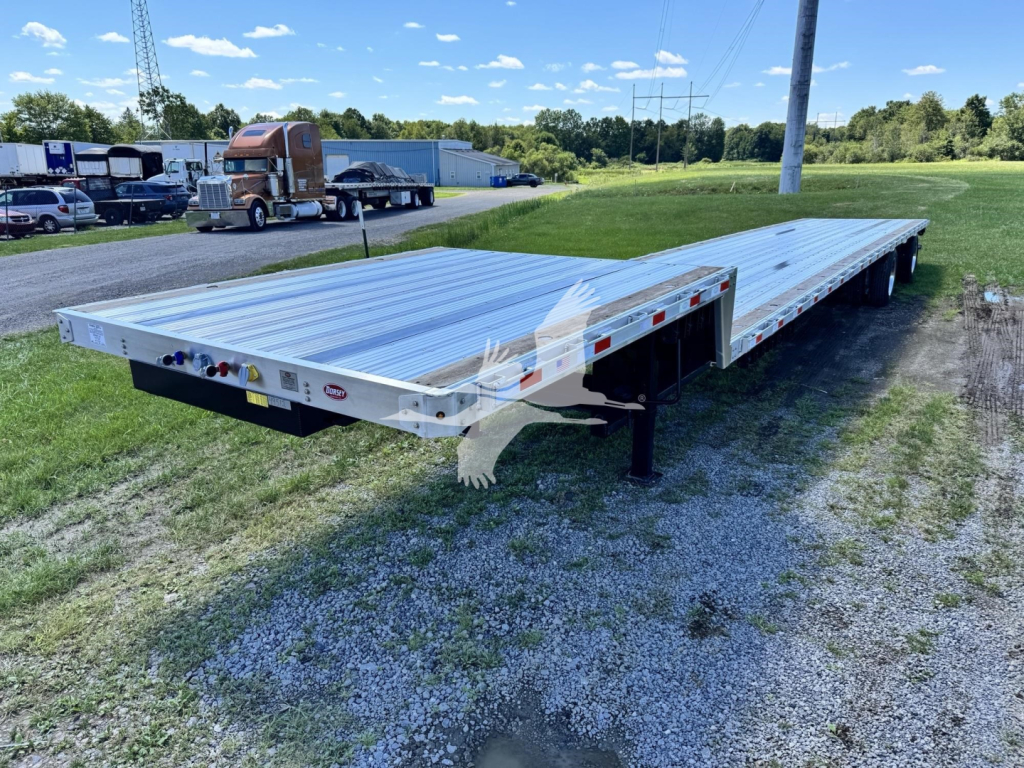
Selling a dorsey trailer? List your dorsey trailer for sale and reach thousands of commercial buyers.
Dorsey Trailers in Ohio
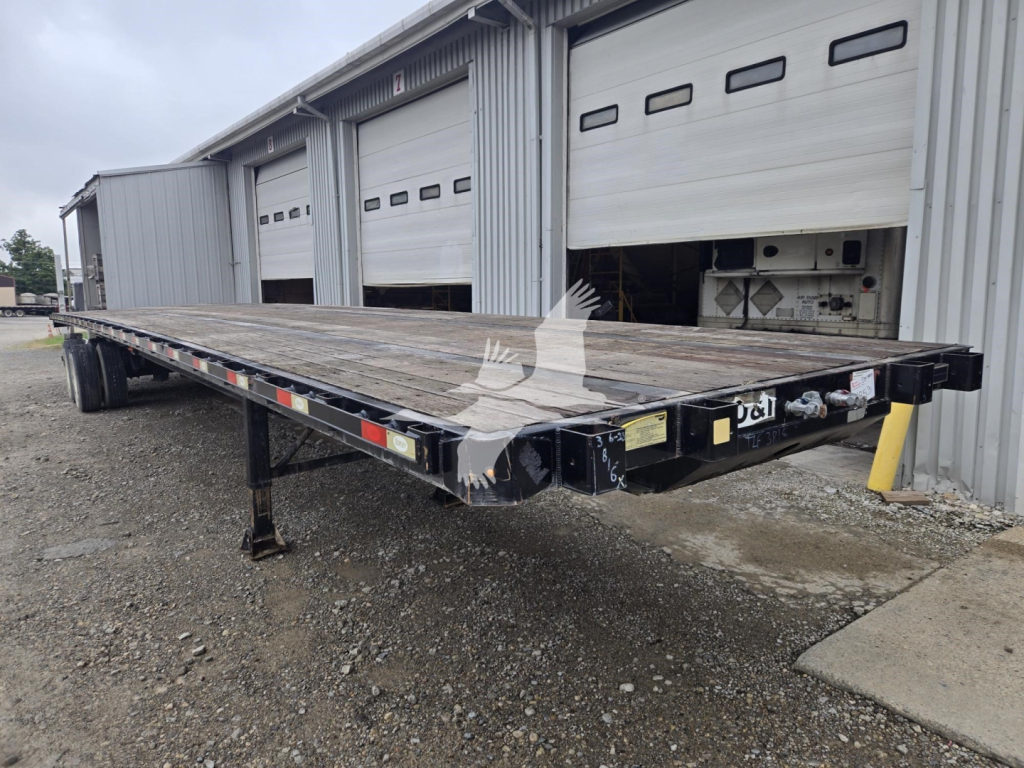
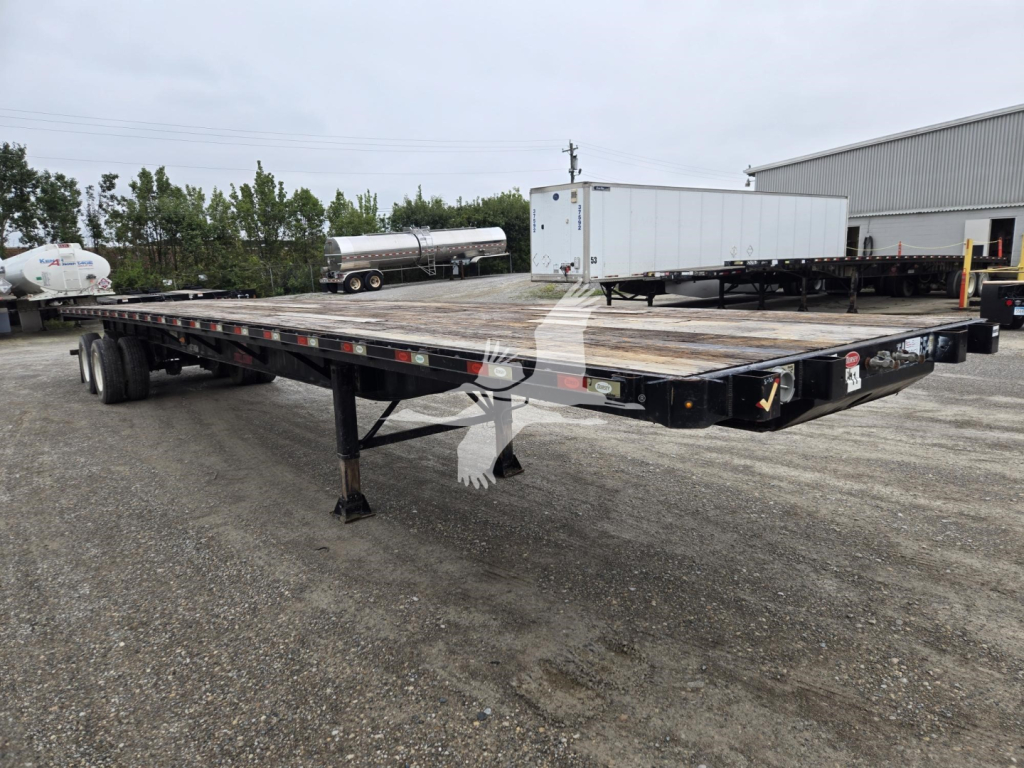
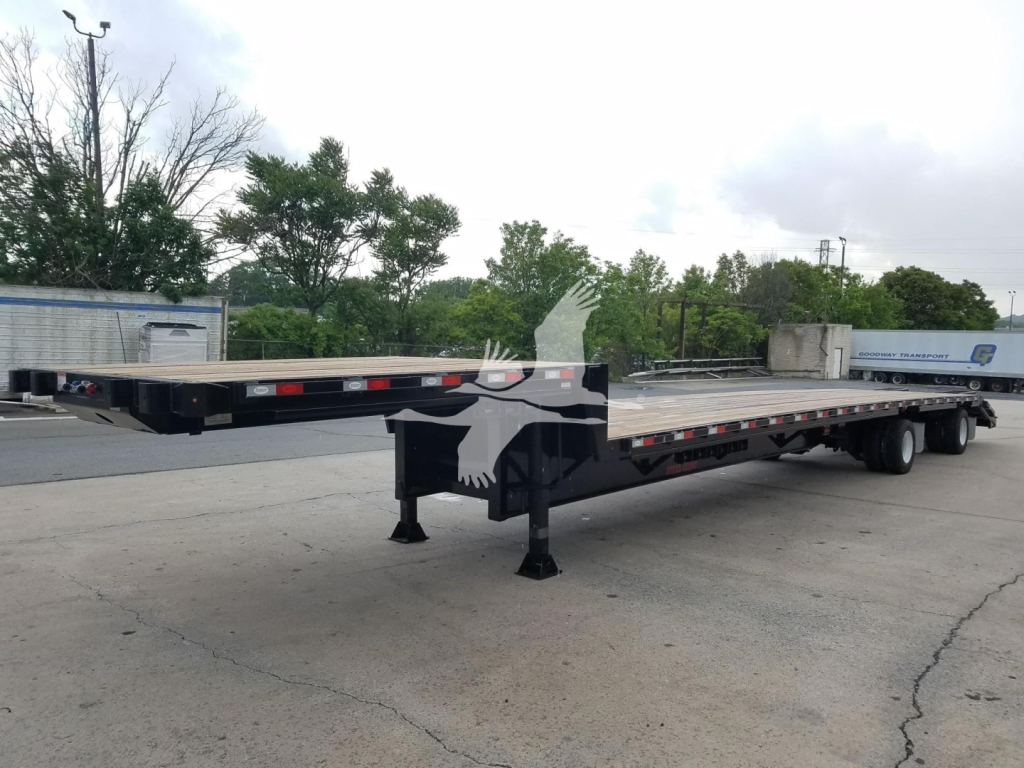
On Dorsey flatbeds, the common setup is a steel frame with an Apitong wood floor, stake pockets, pipe spools, and a roadside winch track with sliding winches. That combination makes them a practical fit for shippers hauling steel, lumber, crated freight, and general open-deck cargo. Crossmember spacing, side rail strength, and kingpin setting are worth checking closely, especially if the trailer will see concentrated loads like coil racks, bundled steel, or dense machinery. A spread slider tandem can add flexibility for bridge compliance and axle adjustment, while air ride suspension helps protect more sensitive freight and improves ride quality compared with spring ride setups.
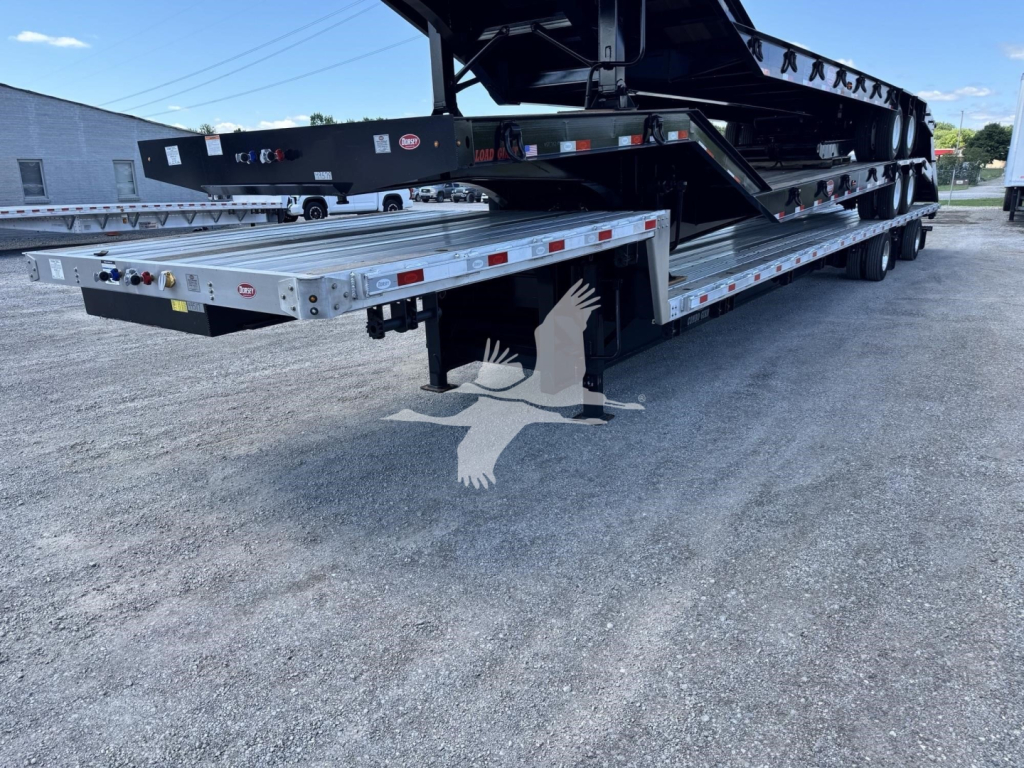
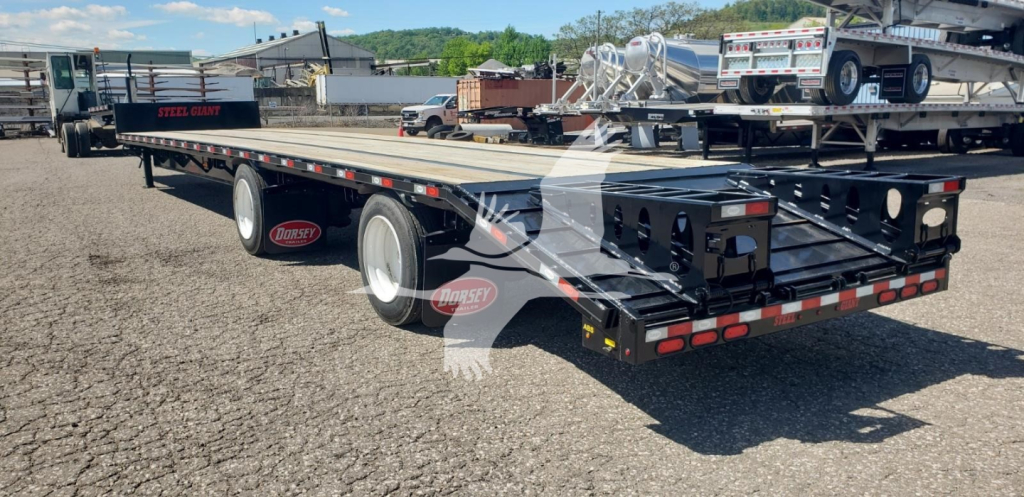
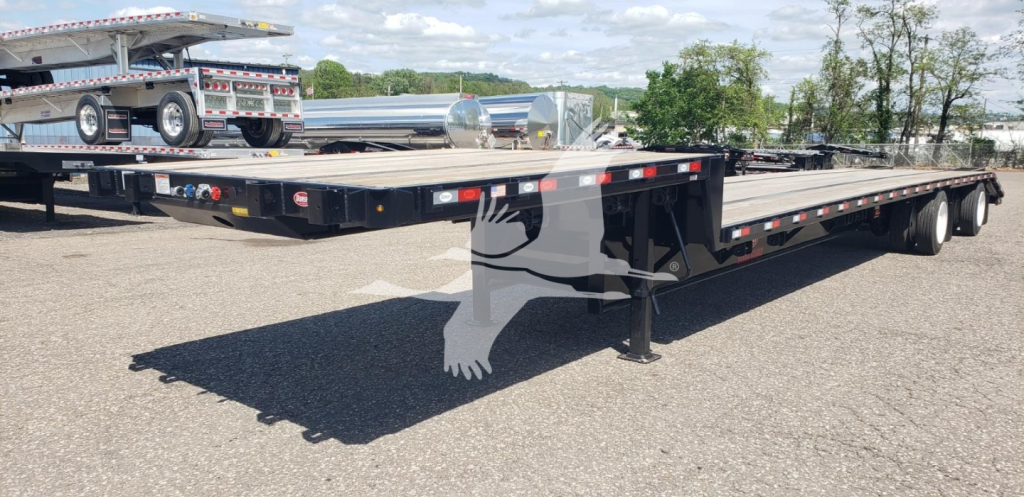
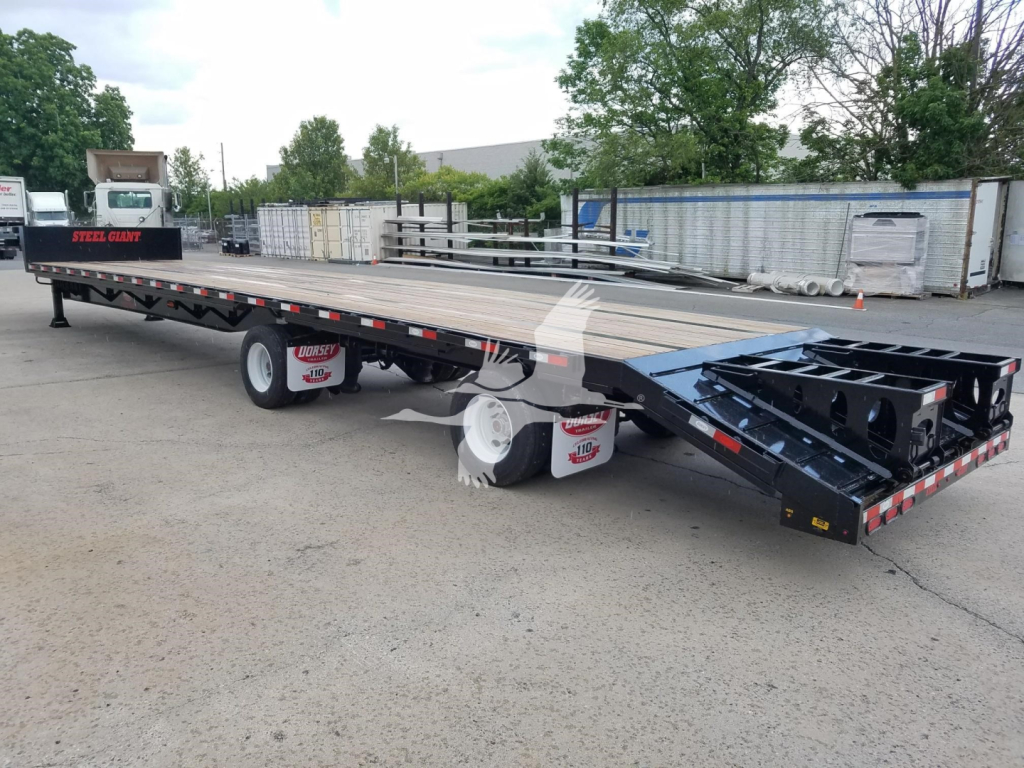
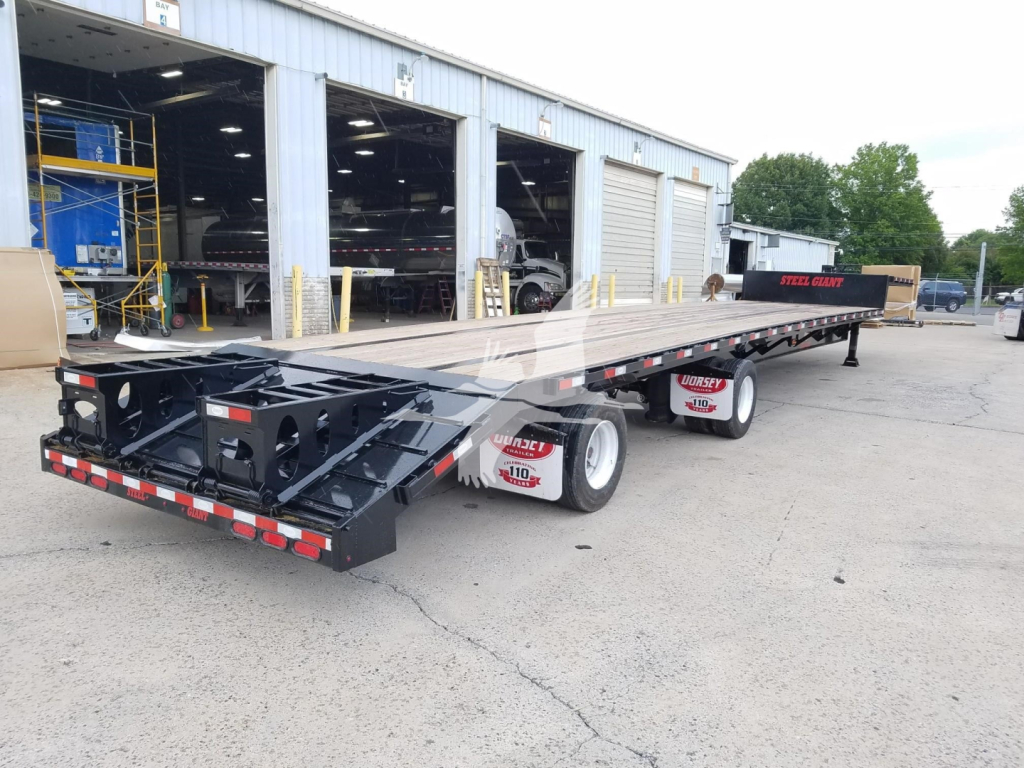
Dorsey drop deck and beavertail trailers add another layer of utility for taller freight and self-loading equipment. A typical 53-foot steel drop deck may include a 10-foot-plus top deck, a main deck just over 38 feet, and a steel beavertail with traction bars and spring-assisted ramps. Main deck height is a key buying point. Even a few inches matter when you are trying to stay legal on overall loaded height with tractors, compact equipment, or taller fabricated freight. Buyers should also look at ramp length, beavertail angle, suspension setting, and tire size because those details affect loading angle, deck height, and how easily wheeled or tracked equipment transitions onto the trailer.
For buyers in Ohio, corrosion exposure, seasonal road conditions, and serviceability should be part of the decision. Steel trailers are tough and repairable, but they reward regular attention to paint, flooring, crossmembers, and suspension wear points. On a used Dorsey trailer, inspect the frame rails, side rails, landing gear mounts, ramp pivots, winch track, and the area around the kingpin and upper coupler for signs of fatigue or repairs. On newer models, it is smart to compare tire size, dump valve setup, lighting, mud flap placement, and securement layout to match the freight you haul most often. Dorsey trailers tend to appeal to fleets and owner-operators who want a conventional open-deck trailer with familiar parts, workable tare weight, and a spec that is easy to put to work in steel, construction, equipment, and regional over-the-road service.
Frequently Asked Questions about Dorsey Trailers in Ohio
What types of Dorsey trailers are most common?
The most common Dorsey trailers in this category are steel flatbeds and steel drop deck trailers, including beavertail configurations. Flatbeds are typically chosen for general open-deck freight such as lumber, steel, brick, pipe, and palletized materials. Drop decks are preferred when lower deck height is needed for taller freight or when hauling equipment that benefits from a rear beavertail and ramps.
What should I check first when buying a Dorsey flatbed or drop deck?
Start with the core working specs: overall length, deck height, empty weight, axle setup, suspension type, and securement package. After that, inspect the structure closely, including frame rails, crossmembers, side rails, upper coupler, kingpin area, and landing gear mounts. On beavertail models, pay extra attention to ramp operation, hinge points, traction bars, and any signs of twisting or damage from repeated equipment loading.
Are Dorsey steel trailers good for heavy freight?
Dorsey steel trailers are commonly spec'd for demanding freight because steel construction provides frame strength and long-term repairability. Many units use 12-inch crossmember spacing in the main deck and robust side rail designs that support frequent securement and concentrated loading. The tradeoff is that a steel trailer usually weighs more than an aluminum trailer, so buyers need to balance durability against payload requirements.
Why does deck height matter on a Dorsey drop deck?
Deck height directly affects legal loaded height and equipment loading geometry. A lower main deck gives more room for taller freight under common height limits, while also making some equipment easier to load and transport. Buyers should compare main deck height, top deck length, tire size, and suspension configuration together because each one influences how low the trailer sits and how useful it will be for the freight being hauled.
What features are important for securement on a Dorsey trailer?
Most buyers look for stake pockets, pipe spools, winch tracks, and sliding winches because those features determine how easily the trailer can be adapted to different loads. An Apitong floor is also important because it holds up well under repeated loading and gives securement equipment a dependable deck surface. The best securement package depends on the freight mix, so a trailer hauling machinery may need a different layout than one pulling building products or structural steel.