
2026 Dorsey Trailers For Sale in Ohio
Shop 2026 Dorsey trailers for sale, including drop deck and beavertail designs with specs, hauling applications, and buyer-focused insights.
Selling a 2026 dorsey trailer? List your 2026 dorsey trailer for sale and reach thousands of commercial buyers.
2026 Dorsey Trailers in Ohio
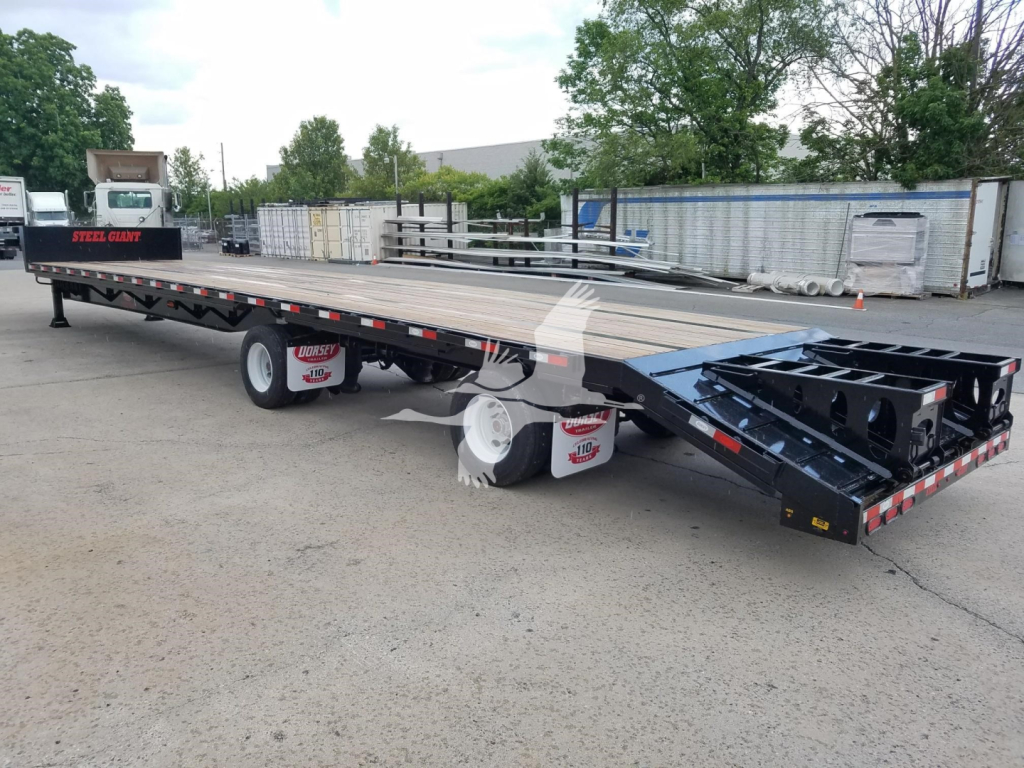
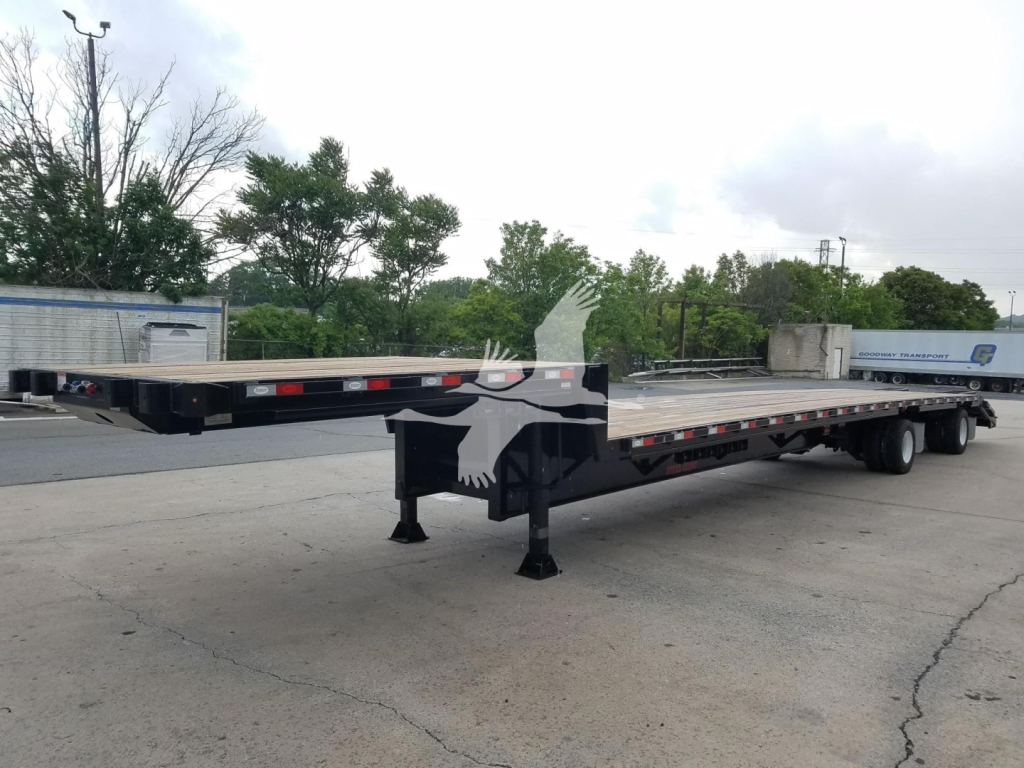
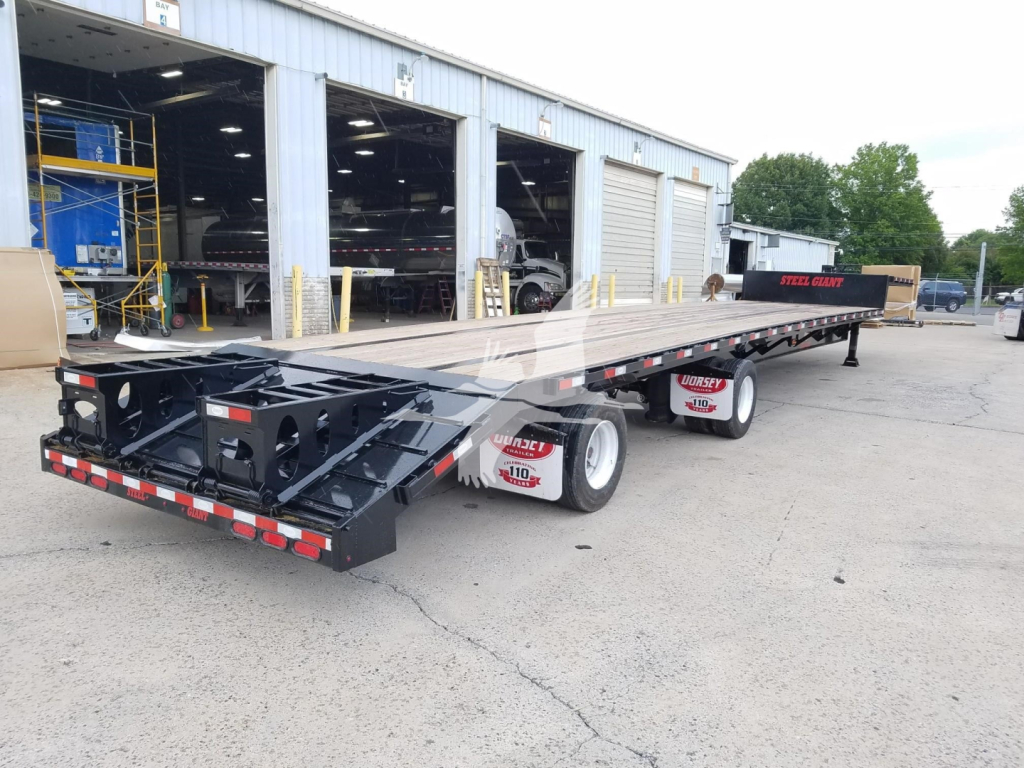
For many buyers, the main decision starts with deck layout and loading angle. A typical Dorsey beavertail drop deck in this class runs 53 feet overall, 102 inches wide, with about a 10-foot 6-inch top deck and roughly 38 feet of main deck space. Main deck height often lands in the high-30-inch to low-40-inch range depending on tires and suspension spec, and that matters if you are chasing legal loaded height on taller freight. Features commonly seen on newer Dorsey step decks include a steel beavertail with traction bars, spring-assisted ramps, Apitong flooring, steel side rails, pipe spools, roadside winch track, and sliding winches. Crossmember spacing, kingpin setting, and suspension setting are worth checking closely because they affect load placement, ride quality, and how easily the trailer fits your freight mix.
Suspension and tire package can change how the trailer performs more than many buyers expect. Air ride setups such as Hendrickson Intraax are common on newer Dorsey trailers and are a strong fit for freight that needs better ride protection or easier dock and loading management. A manual dump valve can also help during loading and unloading. Pay attention to axle count, axle capacity, and concentrated load rating, especially if you haul equipment with heavy point loads. In this segment, buyers will often see 80,000-pound GVWR layouts with concentrated ratings such as 60,000 pounds in 10 feet. Tire size differences, including 17.5-inch and 22.5-inch wheel-end packages, can affect loaded deck height, replacement cost, and tire availability in your lane.
In Ohio and the surrounding Midwest, Dorsey drop decks are a practical fit for regional construction freight, steel products, agricultural equipment, and industrial machinery. Buyers should look past headline length and focus on real operating details such as ramp length, deck height under load, hook compatibility on the side rail, winch track style, and whether the trailer is already set up for future ramp additions or specialized securement. Dorsey has long been a recognized name in platform trailers, and the appeal of a newer 2026 unit is usually simple: current-spec components, clean structural condition, and a configuration built for legal height, quick loading, and versatile freight coverage.
Frequently Asked Questions about 2026 Dorsey Trailers in Ohio
What is the most common 2026 Dorsey trailer configuration in this category?
The most common configuration shown here is a 53-foot Dorsey drop deck with a beavertail and ramps. This type of trailer, also called a step deck, is built for freight that is too tall for a standard flatbed or needs drive-on loading. The beavertail reduces loading angle, and the ramps make it suitable for compact equipment, palletized machinery, and mixed open-deck freight.
Why does deck height matter on a Dorsey drop deck trailer?
Deck height directly affects legal loaded height and determines what freight you can move without permit issues. A lower main deck gives you more room for taller equipment or crated freight while staying under bridge and route restrictions. Buyers comparing Dorsey trailers should verify unloaded and loaded deck height, because tire size, suspension spec, and floor construction can all change the final number.
What specs should buyers check first on a 2026 Dorsey beavertail trailer?
Start with overall length, top deck length, main deck length, main deck height, axle capacity, and concentrated load rating. After that, review the beavertail design, ramp length, floor material, winch track layout, sliding winch count, crossmember spacing, kingpin setting, and suspension brand. These details determine how well the trailer handles your freight, how easy it is to secure loads, and how efficiently it loads equipment in the field.
Is air ride suspension worth it on a Dorsey step deck?
For many operations, yes. Air ride suspension helps reduce shock transfer to the load, which is important for machinery, fabricated components, and other cargo that does not respond well to a rough ride. It can also improve loading control and trailer handling. If your lanes include uneven job sites, mixed freight, or higher-value cargo, air ride is often a better long-term fit than a basic mechanical suspension.
What types of freight are best suited for a Dorsey beavertail drop deck?
A Dorsey beavertail drop deck is best suited for freight that benefits from lower deck height and rear loading access. Common examples include skid steers, mini excavators, forklifts, utility tractors, scissor lifts, pipe, bundled material, and industrial equipment. It is a flexible trailer type for fleets that need one platform to cover both traditional open-deck freight and occasional wheeled or tracked equipment.