
2026 Dorsey Drop Deck Trailers For Sale in Ohio
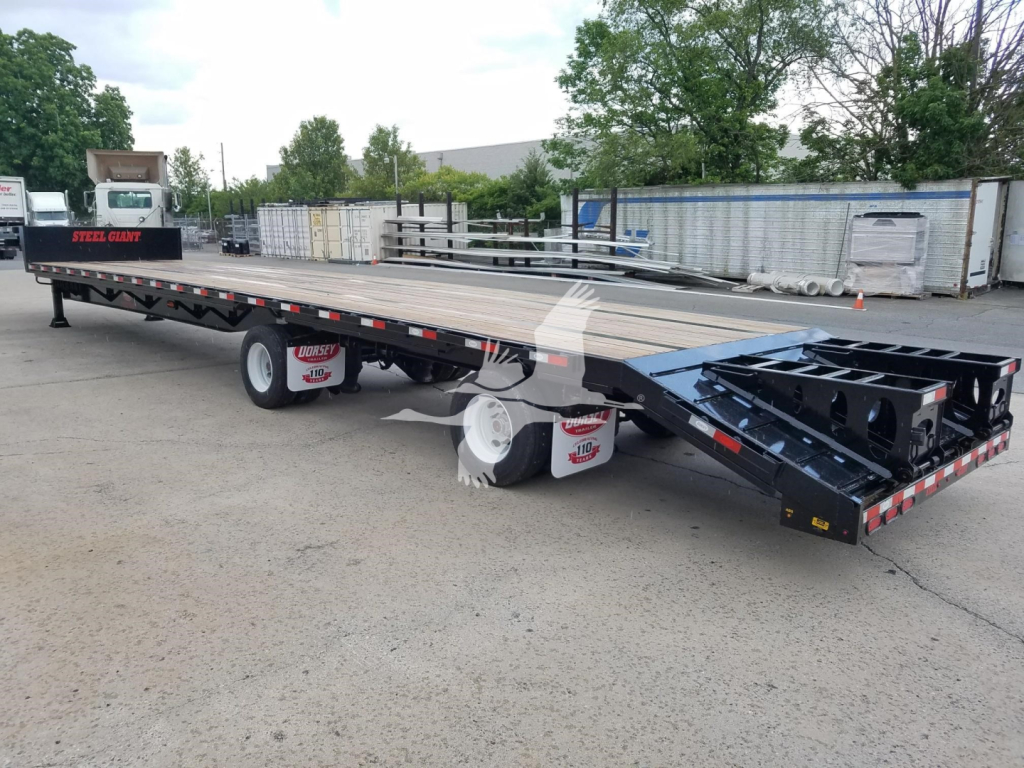
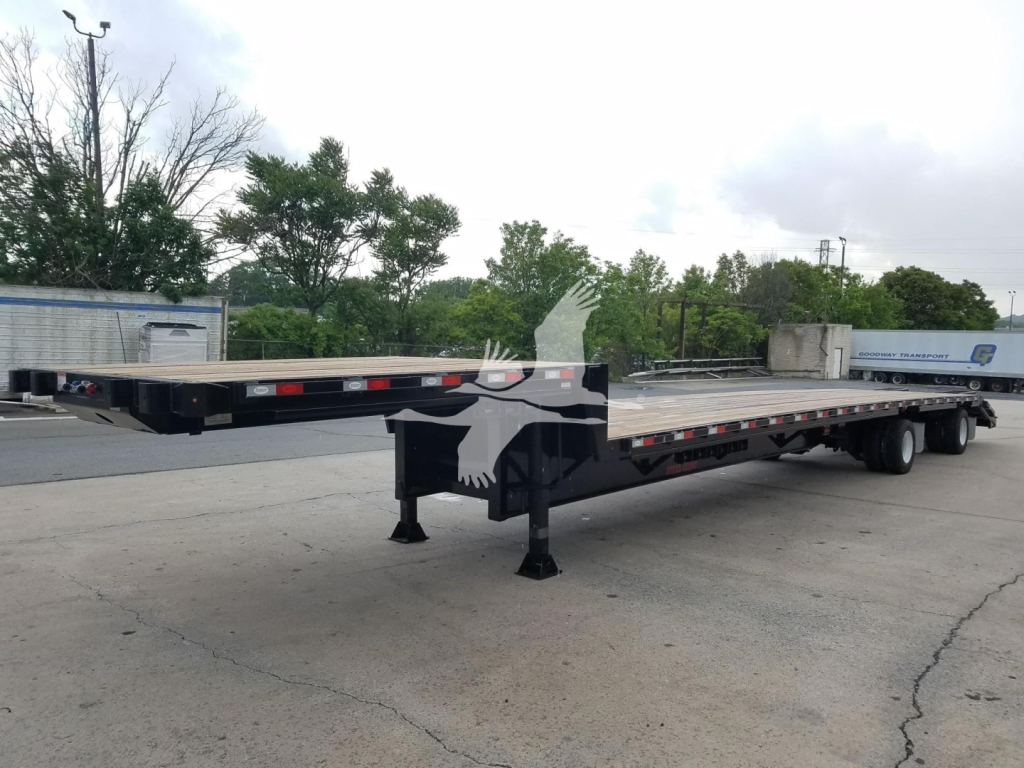
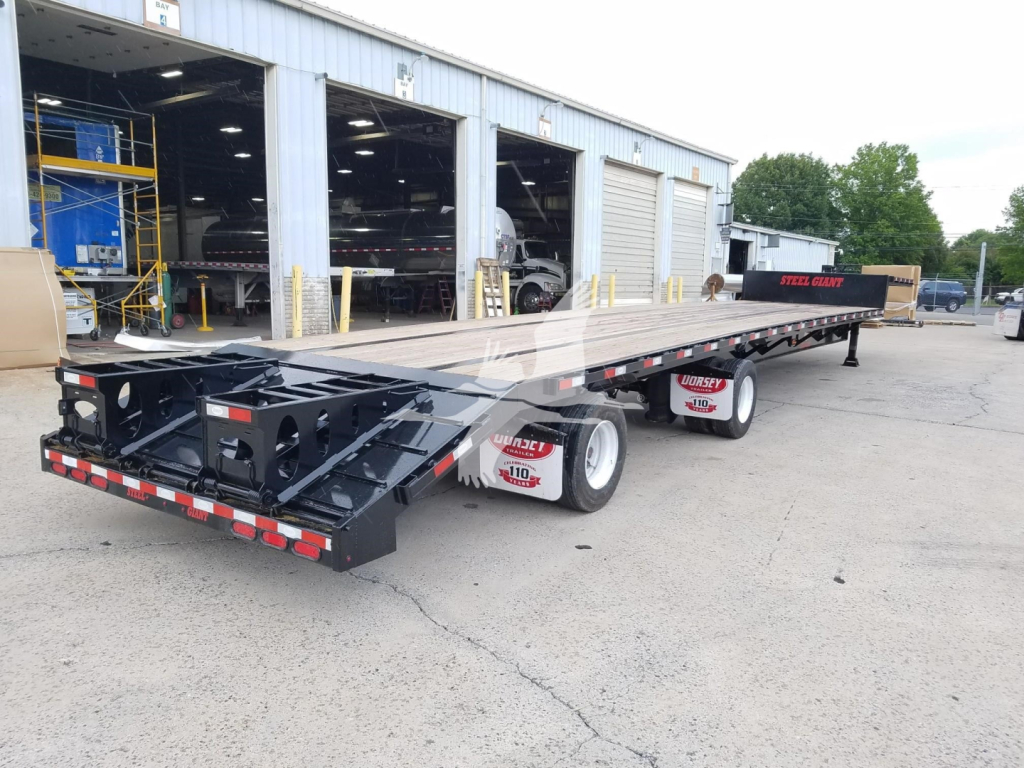
Shop 2026 Dorsey drop deck trailers for sale, including beavertail configurations with ramps, air ride suspension, Apitong flooring, and 53' length.
Selling a 2026 dorsey drop deck trailer? List your 2026 dorsey drop deck trailer for sale and reach thousands of commercial buyers.
2026 Dorsey Drop Deck Trailers in Ohio
On Dorsey units in this class, a buyer should pay close attention to deck layout and loaded height. Common specs include a 10-foot 6-inch top deck, roughly 38-foot main deck length, 102-inch width, and a main deck height in the upper-30-inch to low-40-inch range depending on tire size and suspension setup. A beavertail section around 53 inches with traction bars and two spring-assisted ramps adds loading flexibility for wheeled or tracked equipment. Flooring matters too. A 1 1/8-inch Apitong wood floor is a proven choice for durability, traction, and repairability. Crossmember spacing, often tighter on the main deck, is worth reviewing if the trailer will regularly handle concentrated equipment weight or frequent loading over ramps.
Securement and running gear are just as important as dimensions. Many Dorsey drop deck trailers in this group are spec'd with steel side rails, pipe spools, roadside winch track, and sliding winches, which helps for strap and chain versatility across general freight and equipment loads. A kingpin setting around 24 inches and axle spacing near 10 feet 2 inches are common numbers that affect weight distribution and tractor compatibility. Tandem air ride suspension, often with Hendrickson Intraax 23K components, is a strong fit for operators who want a better ride for sensitive cargo and less shock transfer into the deck. Manual dump valves, two-speed landing gear, LED lighting, and steel wheels are all practical features that support daily use and easier maintenance.
For Ohio buyers, a Dorsey drop deck with a beavertail can be a good match for regional construction, industrial, agricultural, and rental fleet work where loading speed and legal deck height are more important than maximizing payload on paper. The main tradeoff with a beavertail and ramp package is tare weight versus loading convenience, so it helps to match the trailer to the freight mix. If most loads are machines that can be driven on, the beavertail setup saves time and reduces dependence on docks or external loading equipment. If the focus is strictly palletized or crane-loaded freight, deck height, tire size, floor condition, suspension spec, and securement layout may matter more than ramp hardware. Buyers comparing listings should look closely at deck height, GVWR, weight concentrated in 10 feet, tire and wheel package, and whether the side rail and winch track design fit their preferred securement methods.
Frequently Asked Questions about 2026 Dorsey Drop Deck Trailers in Ohio
What is the advantage of a Dorsey drop deck trailer compared with a standard flatbed?
A drop deck trailer gives you a lower main deck height, which allows taller freight to move legally without stepping up to a specialized lowboy. That makes it a strong choice for machinery, building materials, crated equipment, and other open-deck freight that would ride too high on a conventional flatbed. A Dorsey drop deck with a beavertail also adds easier drive-on loading for smaller equipment, which can improve turnaround time on jobs that do not have a dock or loading ramp available.
What specs matter most when buying a 2026 Dorsey drop deck trailer?
The key specs are overall length, top deck length, main deck length, main deck height, axle and suspension setup, flooring, and securement layout. Buyers should also review beavertail length, ramp design, kingpin setting, crossmember spacing, tire size, and the trailer's concentrated load rating in 10 feet. Those details affect legal load height, equipment loading angle, weight distribution, durability under point loads, and how efficiently the trailer handles the freight you move most often.
Is a beavertail drop deck better for equipment hauling?
For many operators, yes. A beavertail drop deck is especially useful when hauling forklifts, skid steers, scissor lifts, and other wheeled or tracked machines that can be loaded from the rear. The beavertail reduces the loading angle compared with a straight deck, and spring-assisted ramps make loading faster and safer in the field. The tradeoff is added trailer weight and less completely flat deck space, so it is best suited to operations where self-loading equipment is a regular part of the freight mix.
Why does deck height matter on a step deck trailer?
Deck height directly affects the maximum legal load height you can run without permit issues. A lower main deck gives you more vertical room for tall freight while staying within legal height limits. Even a few inches can make a meaningful difference, so buyers should compare loaded deck height, tire size, and suspension spec carefully. Lower deck height can also improve stability on taller loads, but it needs to be balanced against ground clearance and the type of roads and job sites the trailer will see.
What flooring and securement features are common on Dorsey drop deck trailers?
Many Dorsey drop deck trailers use 1 1/8-inch Apitong flooring because it holds up well under equipment traffic, provides good traction, and is easier to service than some alternative materials. Common securement features include steel side rails, pipe spools, C-channel or similar winch track, and sliding winches for strap placement flexibility. Buyers hauling mixed freight should verify that the side rail depth, spool placement, and winch track design match their usual chains, straps, hooks, and binders so the trailer works efficiently from day one.