
2026 Dorsey Trailers For Sale
Browse 2026 Dorsey trailers for sale, including flatbeds and specialty trailers built for payload, durability, and demanding freight work.
Selling a 2026 dorsey trailer? List your 2026 dorsey trailer for sale and reach thousands of commercial buyers.
2026 Dorsey Trailers
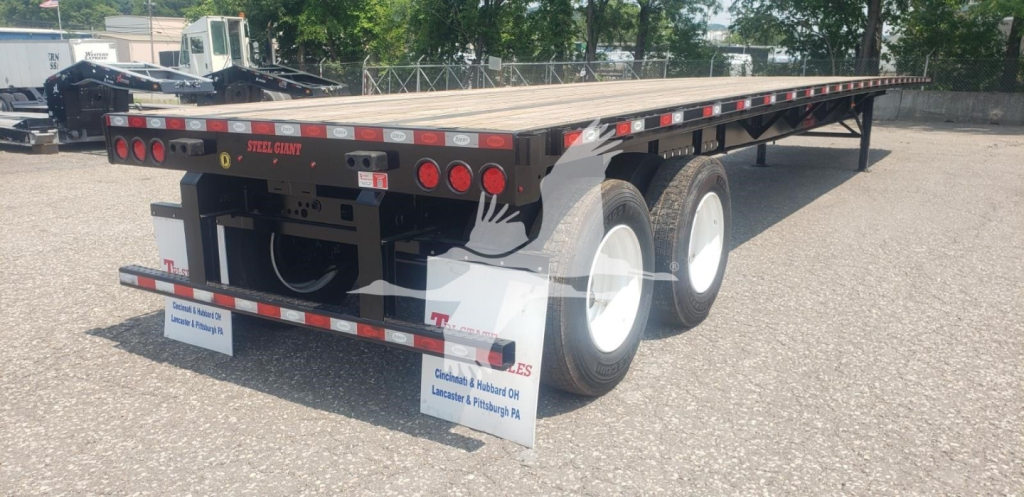
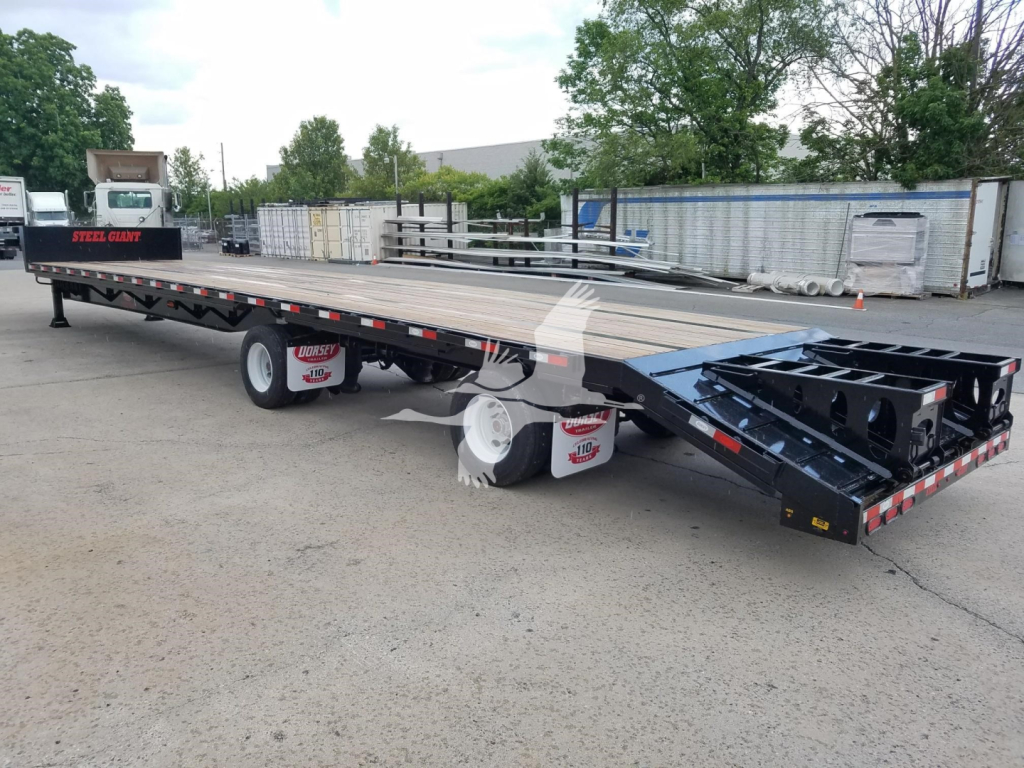
For flatbed buyers, the main decisions usually come down to weight versus durability. Steel Dorsey flatbeds tend to appeal to operations that prioritize ruggedness, repairability, and hard use in construction, steel hauling, and mixed commodity service. All-aluminum versions are aimed at payload-sensitive freight where every pound matters. Common features across the category include 102-inch width, Apitong or aluminum flooring, roadside winch tracks, sliding winches, stake pockets, pipe spools, Jost two-speed landing gear, and kingpin settings around 30 inches depending on the build. Suspension choices such as air ride or spring ride also matter, especially if the trailer will see a mix of highway miles, rough yards, or delicate freight.
Axle configuration is a major buying point on Dorsey trailers. Sliding tandems remain popular for operational flexibility and dock positioning, while spread-axle combinations can improve load distribution and legal payload in many applications. Buyers should also look closely at crossmember spacing, side rail construction, floor thickness, tire size, wheel material, and GVWR. A lighter trailer can increase revenue-producing payload, but frame design, side rail strength, and underframe layout often matter more if the work involves concentrated loads, forklifts, coils, machinery, or frequent loading cycles. On open-deck trailers, details like full-length winch tracks, dump valves, LED lighting, and suspension brand can have a real effect on daily usability and maintenance costs.
Dorsey also appears in specialty trailer segments such as live floor and moving-floor units, which are used for bulk materials that need controlled unloading without tipping. In those applications, trailer height, wall construction, floor system brand, rear door setup, tarp design, and suspension spec become especially important. Across the broader Dorsey trailer category, the brand generally attracts buyers looking for practical trailers that are easy to put to work, easy to maintain, and available in specs suited to flatbed freight, long material hauling, and bulk commodity transport.
Frequently Asked Questions about 2026 Dorsey Trailers
What are the most common types of 2026 Dorsey trailers buyers look for?
The most common 2026 Dorsey trailers on the market are flatbeds, including steel flatbeds, aluminum flatbeds, and some extendable models for longer freight. Dorsey is also found in specialty applications such as live floor trailers. For most buyers, the strongest interest is in open-deck trailers used for lumber, steel, building products, machinery, and other freight that requires side loading or overhead loading.
Should I choose a steel or aluminum Dorsey flatbed trailer?
A steel Dorsey flatbed is usually the better fit when durability, repairability, and resistance to hard-use jobsite conditions matter most. An aluminum Dorsey flatbed is more attractive when payload is critical because the lighter empty weight can allow more legal cargo. The right choice depends on freight type, loading practices, route density, and how much value your operation places on tare weight versus long-term structural toughness.
What axle setup is best on a Dorsey trailer?
The best axle setup depends on how the trailer will run and what regulations apply in your lanes. Sliding tandem axles offer flexibility for weight distribution, fifth wheel adjustment, and dock approach. Spread axles can improve load distribution and are common on flatbeds hauling heavier or longer commodities, but they may scrub tires more in tight turns. Buyers should match the axle layout to their freight profile, state bridge laws, and yard conditions.
What specs matter most when comparing Dorsey flatbed trailers?
The most important flatbed specs are trailer length, frame material, floor type, suspension, axle spread or slider arrangement, empty weight, crossmember spacing, and side rail strength. Buyers should also check for practical equipment such as winch tracks, sliding winches, stake pockets, pipe spools, landing gear brand, tire size, and lighting. These details affect how easily the trailer can be loaded, secured, maintained, and matched to your freight.
Are Dorsey trailers a good fit for specialized hauling?
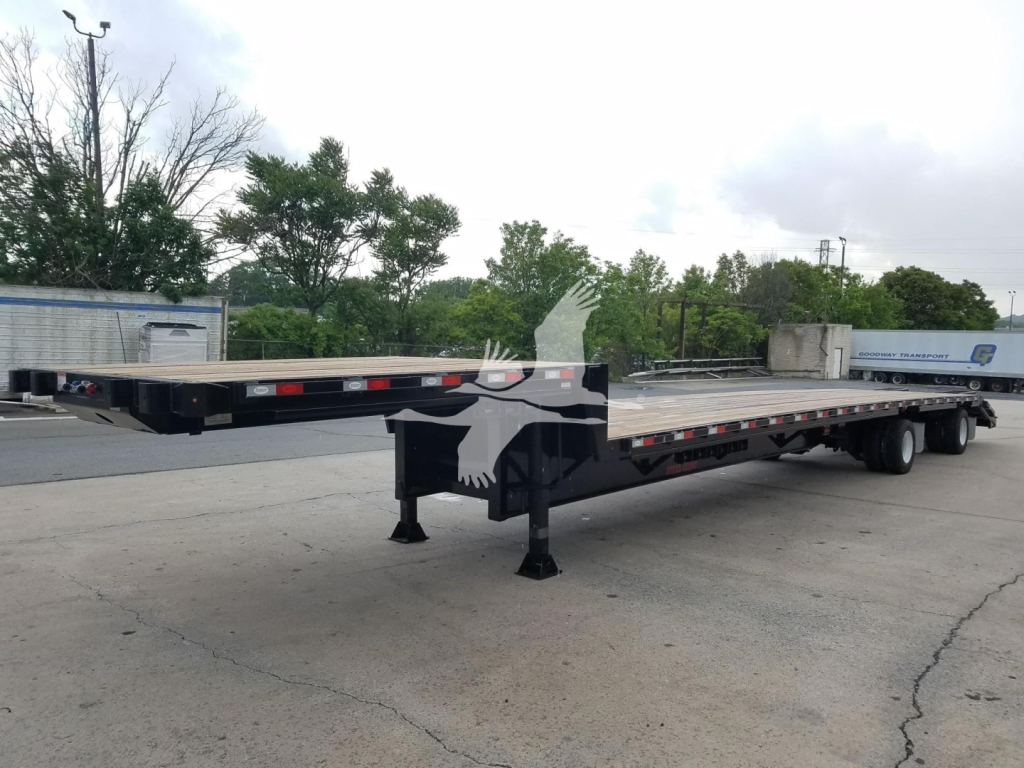
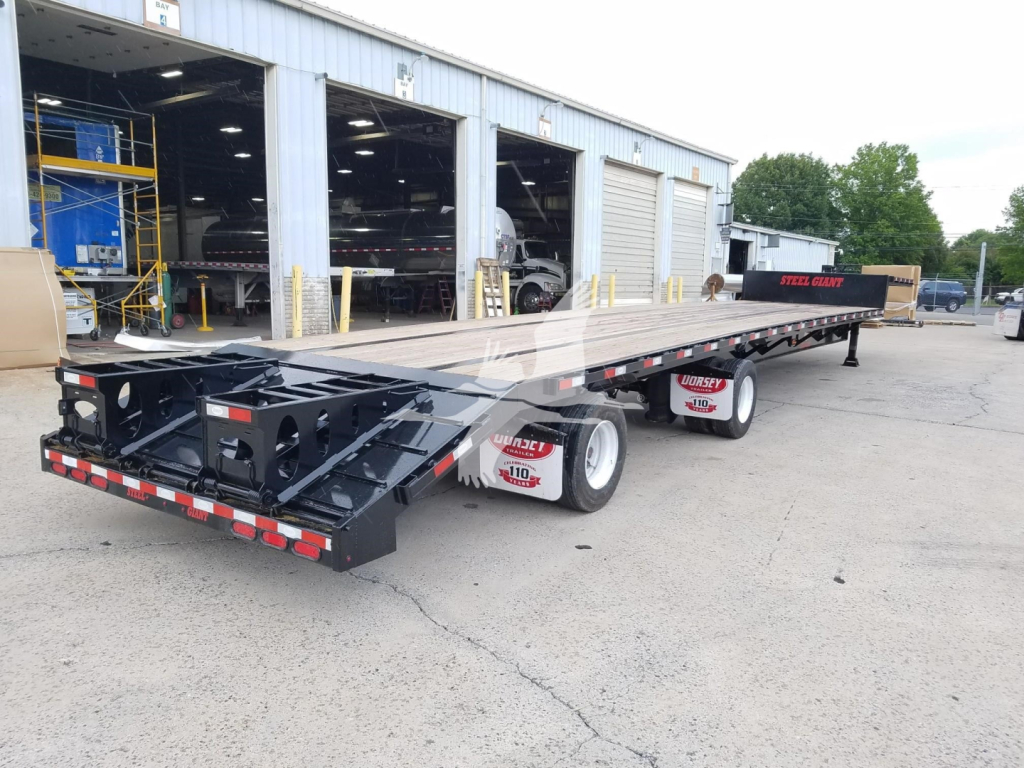
Yes, Dorsey trailers can be a strong fit for specialized hauling when the spec is matched to the job. Extendable flatbeds are used for long steel, pipe, and construction components, while live floor models are suited for bulk material handling where unloading by walking floor system is preferred over tipping. The key is to evaluate deck length, floor construction, suspension, axle placement, and load securement features against the actual freight you plan to move.