
2027 Dorsey Trailers For Sale in Ohio
Shop 2027 Dorsey trailers for sale in Ohio, including flatbed, drop deck, live floor, and specialty trailer configurations.
Selling a 2027 dorsey trailer? List your 2027 dorsey trailer for sale and reach thousands of commercial buyers.
2027 Dorsey Trailers in Ohio
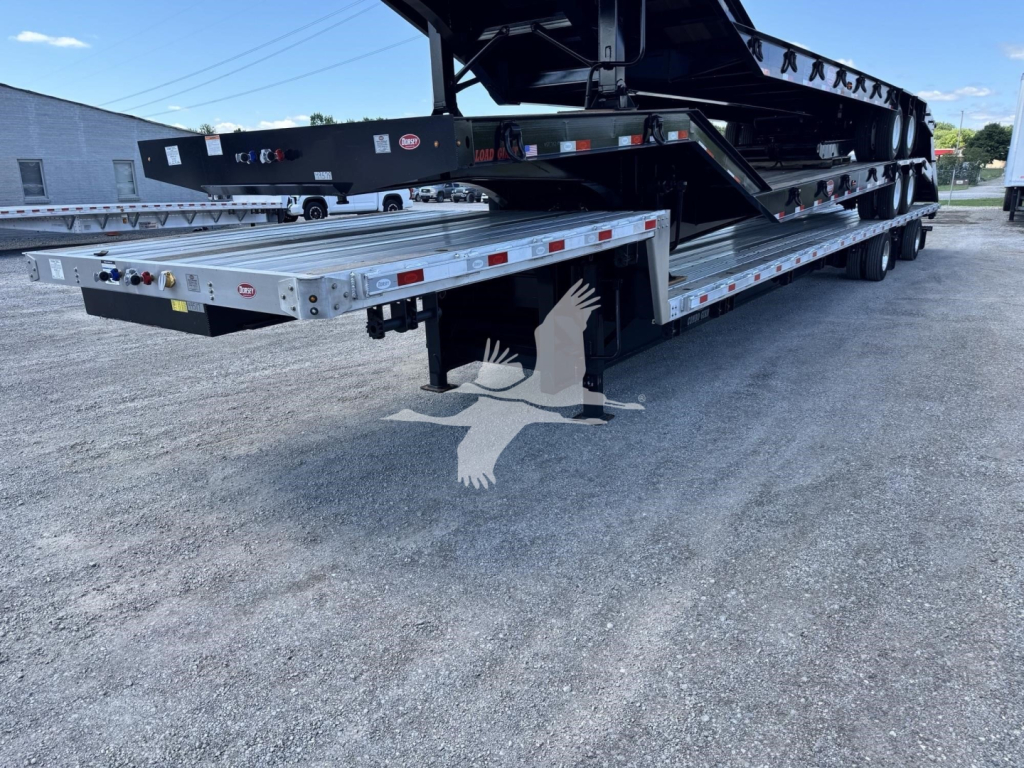
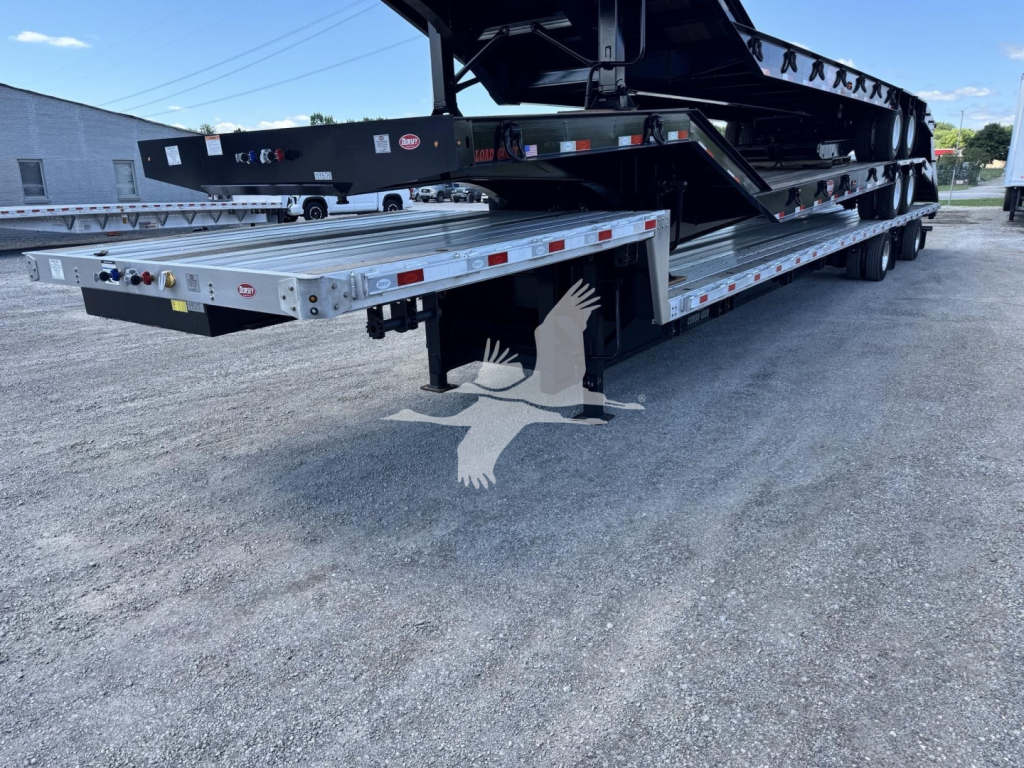
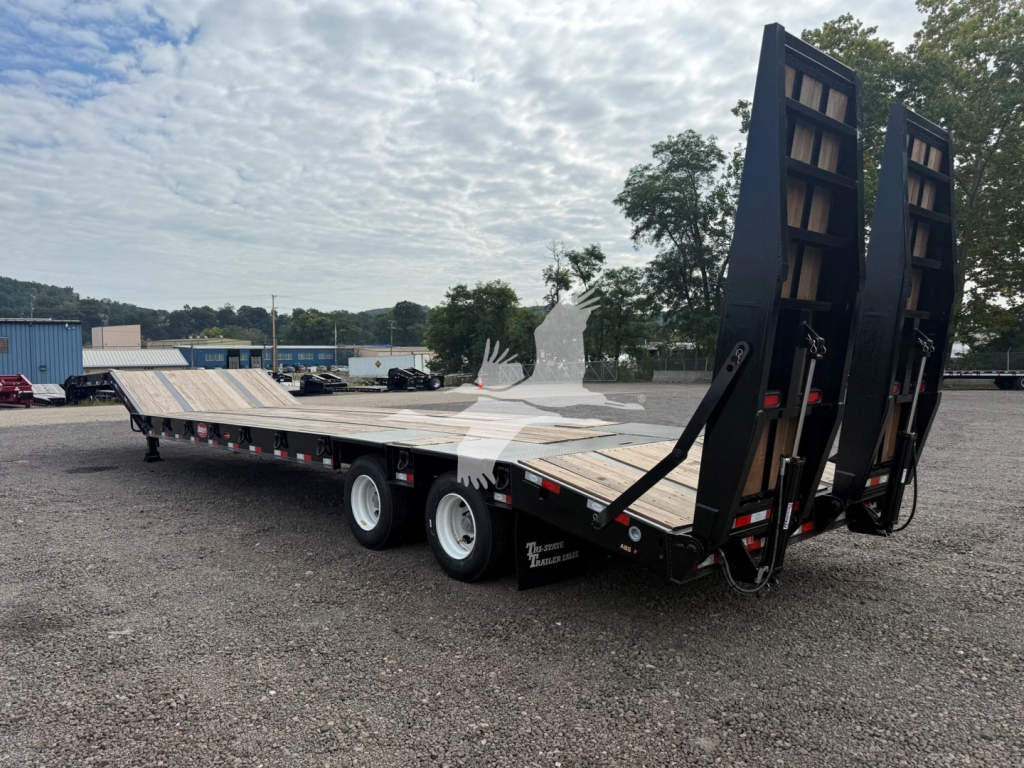
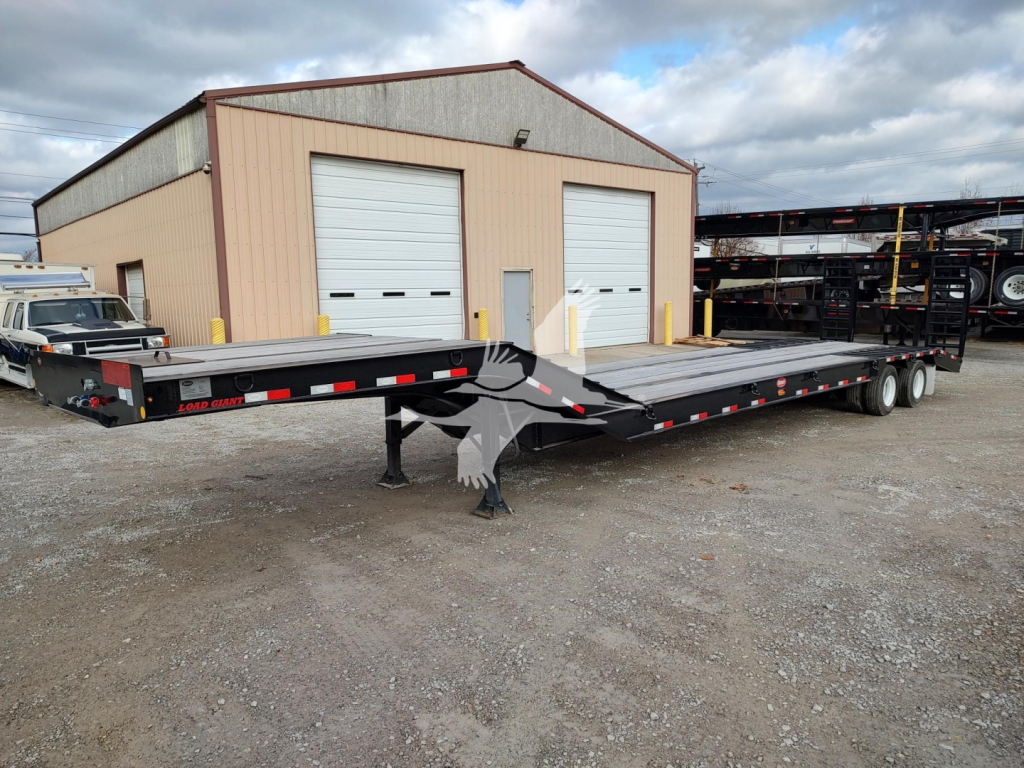
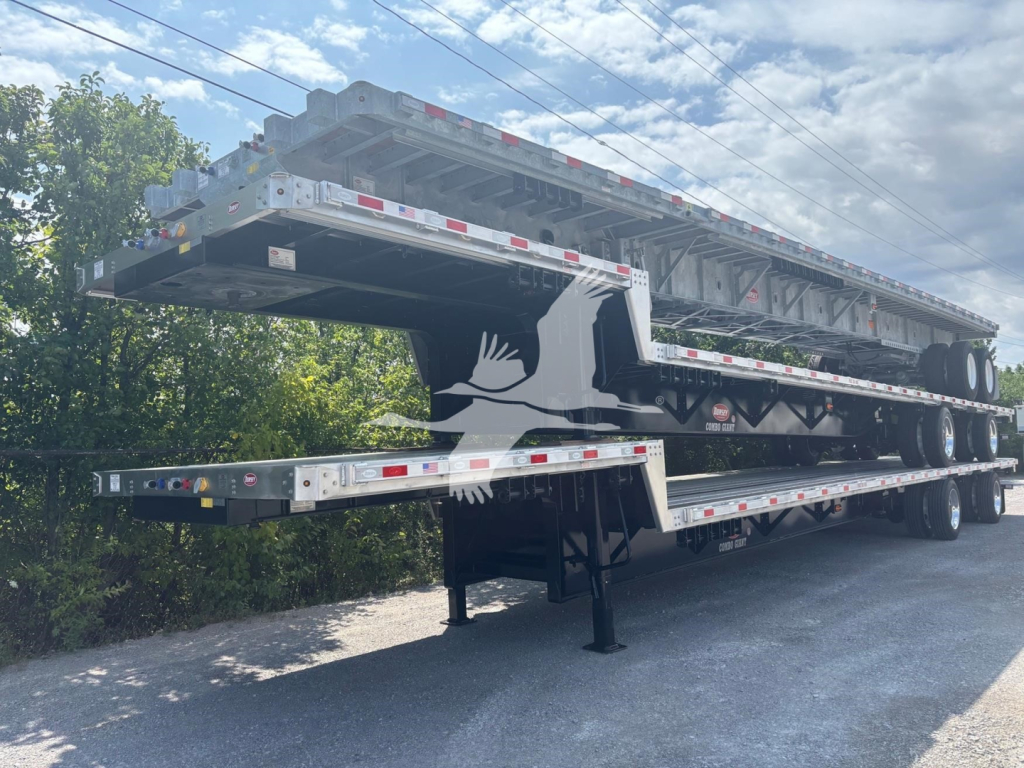
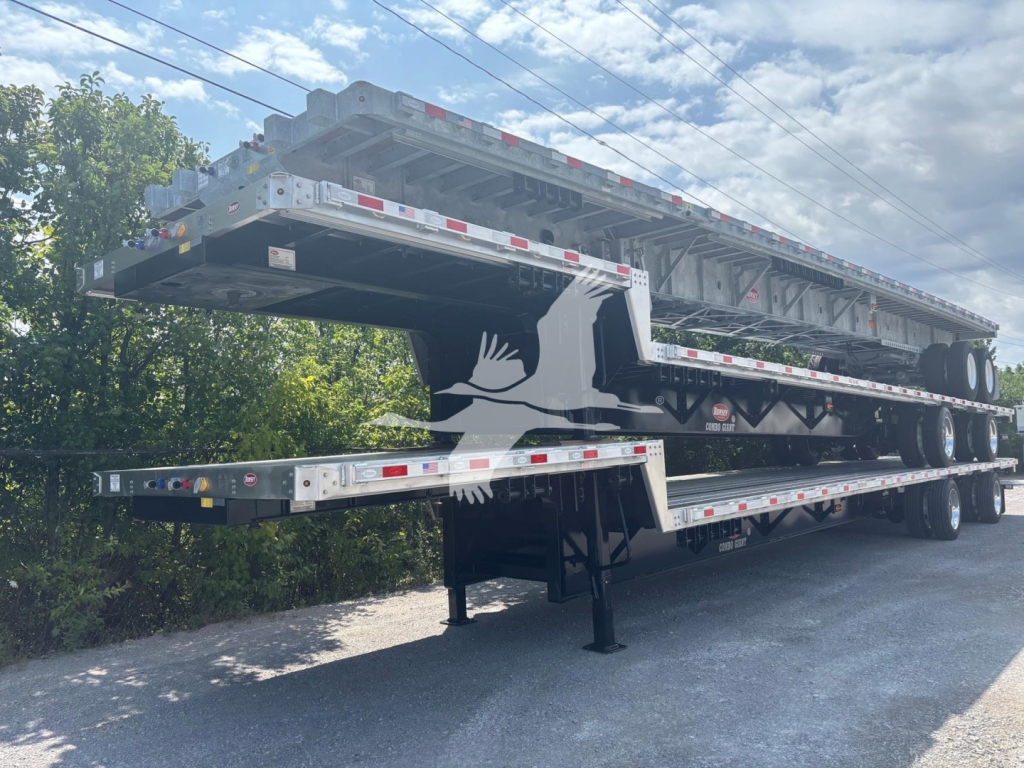
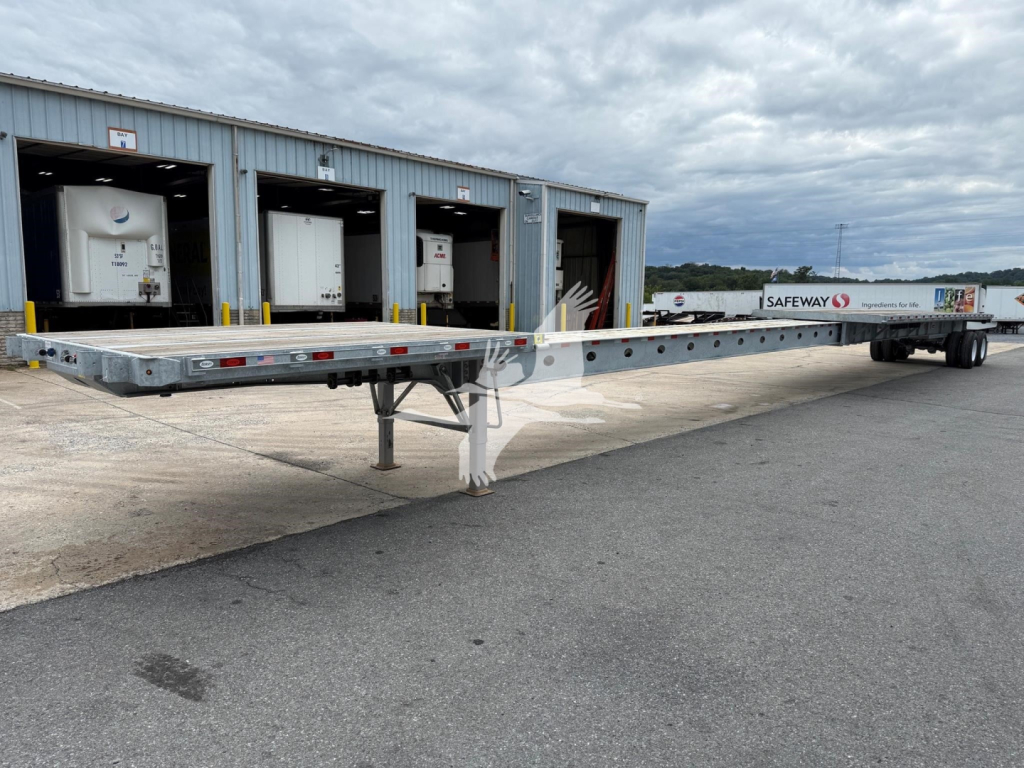
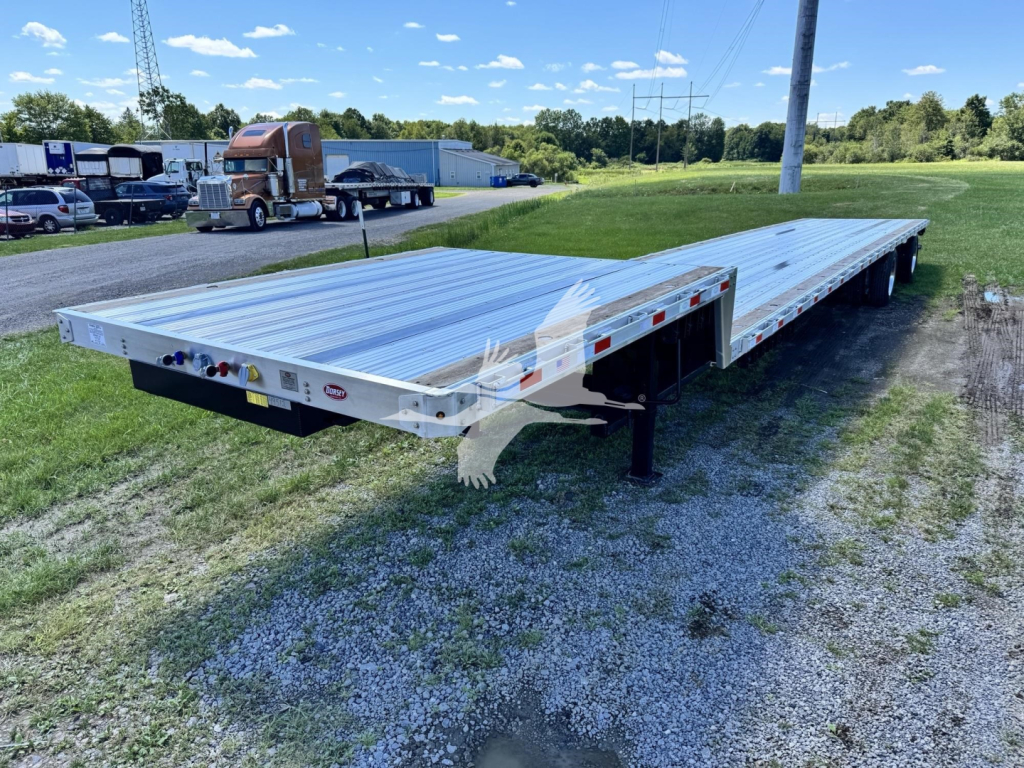
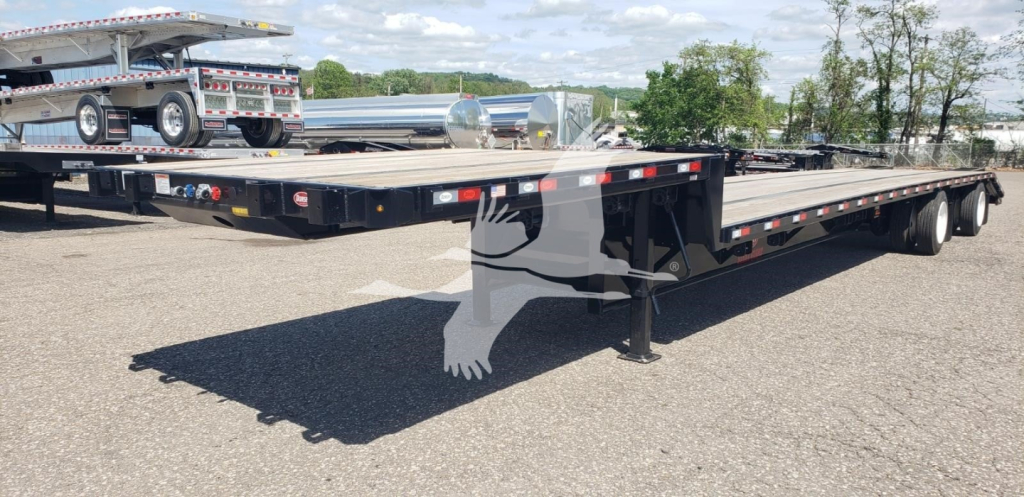
On platform trailers, pay close attention to deck construction, crossmember spacing, winch track design, and axle setting. Dorsey flatbeds and drop decks are often spec'd with 1 1/8-inch Apitong flooring, steel front and rear members, two-speed landing gear, and tandem air ride suspension such as Hendrickson Intraax. Drop deck and beavertail versions commonly feature a 10-foot-plus upper deck, a lower deck optimized for taller freight, and spring-assisted ramps for self-loading compact equipment. Details like kingpin setting, loaded deck height, side rail depth, pipe spools, and the number of sliding winches matter if the trailer will see mixed freight, machinery, or steel products. In Ohio and surrounding freight lanes, deck height and securement flexibility can make a noticeable difference in what loads a trailer can legally and efficiently handle.
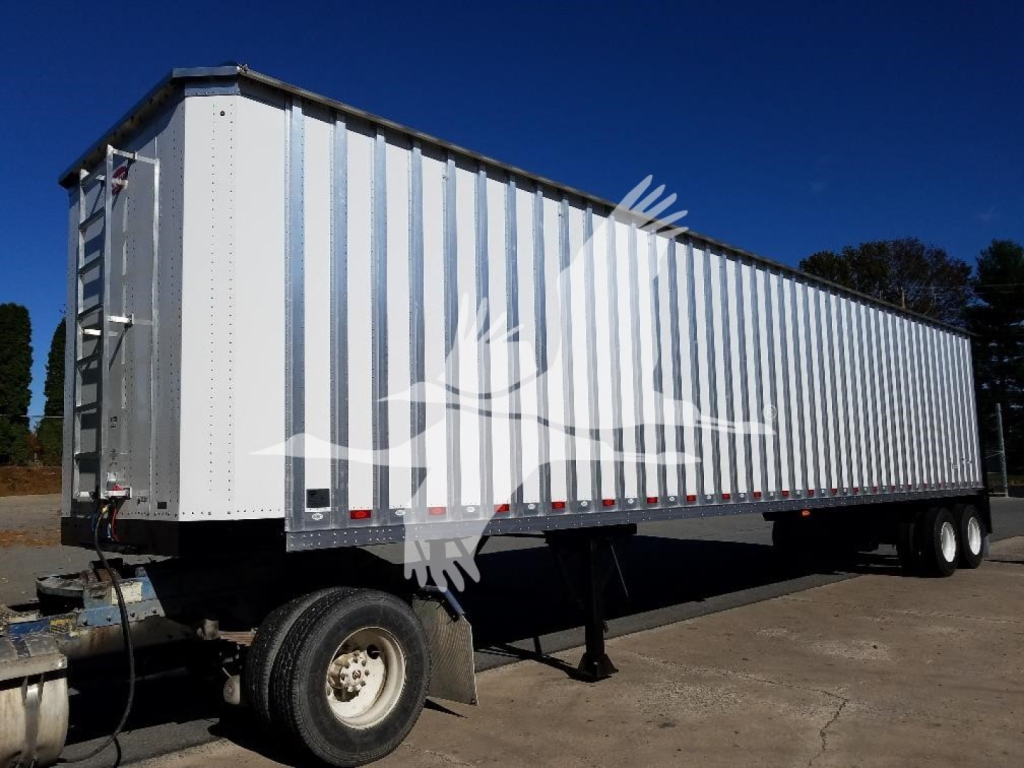
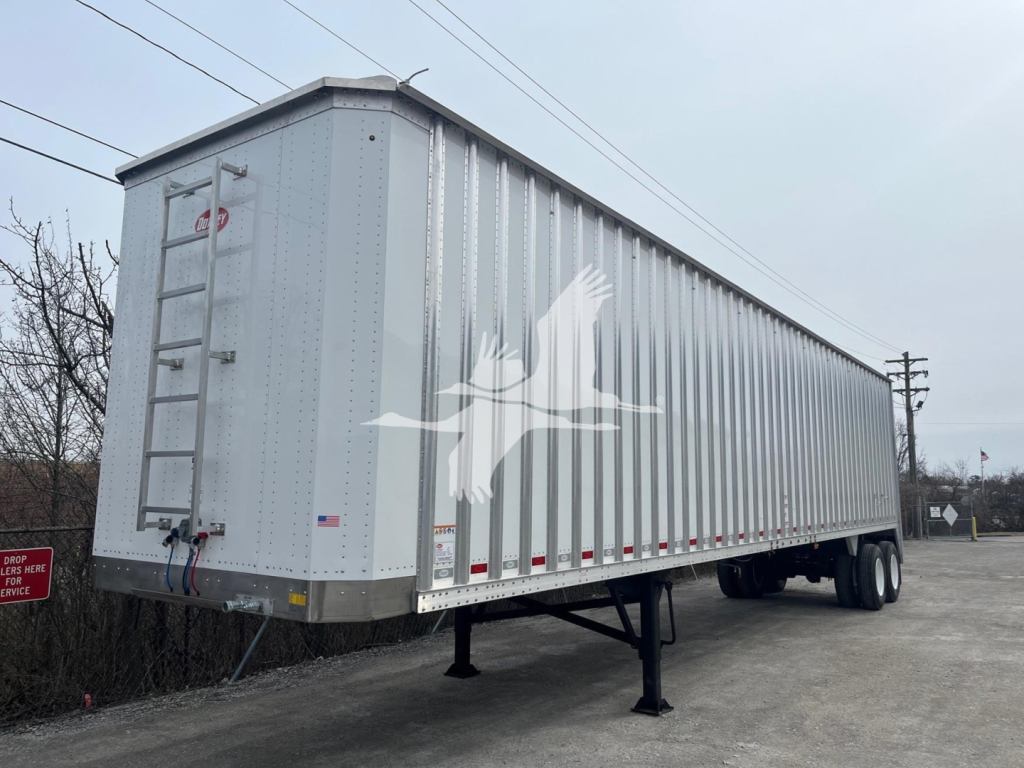
If the trailer is built for bulk handling, Dorsey live floor and chip-style trailers bring a different set of priorities. Buyers usually focus on body material, wall thickness, floor system brand, hydraulic requirements, rear door configuration, and tarp system. Common specs include smooth aluminum sides, rear swing or top-hinged doors, heavy-duty push bumpers, and floor systems such as Keith Walking Floor. A live floor trailer is designed to unload without tipping, which is valuable for mulch, compost, recyclables, wood waste, feed ingredients, and other materials where overhead clearance, stability, or site conditions make a dump trailer less practical. Spring ride suspensions, rear axle settings, and kingpin placement also affect how these trailers balance payload and maneuverability.
A good Dorsey trailer spec is usually one that matches the freight, not just the price tag. Check GVWR, concentrated load rating, axle spread or slider arrangement, tire size, wheel material, and brake and suspension components against the lanes and customers the trailer will serve. Newer trailers may include practical details like LED lighting, galvanized finishes, manual dump valves, deep side rails that accept flat hooks, and tarp systems built for regular cycling. Buyers in seasonal Midwest service should also weigh corrosion resistance, floor durability, and parts commonality, especially if the trailer will run year-round in snow, road salt, and uneven yard conditions.
Frequently Asked Questions about 2027 Dorsey Trailers in Ohio
What types of trailers does Dorsey commonly build?
Dorsey is widely associated with platform and vocational trailer segments, including flatbeds, drop decks, beavertail trailers, live floor trailers, chip vans, and other specialty hauling configurations. The exact build depends on the intended freight, but many Dorsey trailers share practical fleet-oriented specs such as tandem axles, 102-inch width, steel or aluminum structural components, and common suspension packages that are familiar to service shops and owner-operators alike.
What should I look for when buying a Dorsey drop deck or flatbed trailer?
Start with deck height, deck length, flooring material, crossmember spacing, and the securement package. Apitong flooring, winch tracks, sliding winches, pipe spools, and side rail construction all affect the trailer's usefulness on general freight and machinery loads. Suspension type, kingpin setting, axle spread or slider position, and concentrated load rating are also critical because they influence bridge compliance, ride quality, and how well the trailer can handle heavier point loads.
How is a Dorsey live floor trailer different from a dump trailer?
A live floor trailer uses a moving floor system to unload material horizontally rather than raising the body to dump. That makes it a strong fit for facilities with low overhead clearance, uneven ground, or safety restrictions where tipping a trailer is not ideal. Live floor trailers are commonly used for mulch, biomass, scrap, agricultural products, and other bulk materials that need controlled unloading and steady feed-out.
Are Dorsey trailers a good fit for Midwest and Ohio service?
They can be a good fit if the spec matches year-round operating conditions. In Ohio and the surrounding Midwest, buyers often prioritize corrosion resistance, durable flooring, dependable suspension components, LED lighting, and readily available replacement parts. Galvanized finishes, aluminum bodies where appropriate, and common tire and suspension specs can help reduce downtime and make maintenance easier in road salt and mixed on-road and yard service.
Which specs have the biggest impact on resale and long-term usability?
The most important factors are usually trailer type, structural condition, deck or floor material, suspension brand, axle configuration, and how versatile the securement or unloading system is. Fleet-friendly specs such as common tire sizes, standard landing gear, recognized floor systems, and mainstream suspension components tend to hold broader market appeal. Buyers also pay close attention to deck height, kingpin setting, GVWR, and overall trailer weight because those numbers directly affect payload and legal load planning.