
2027 Dorsey Trailers For Sale
Shop 2027 Dorsey trailers for sale, including flatbed and drop deck designs built for heavy-duty hauling, securement flexibility, and durability.
Selling a 2027 dorsey trailer? List your 2027 dorsey trailer for sale and reach thousands of commercial buyers.
2027 Dorsey Trailers
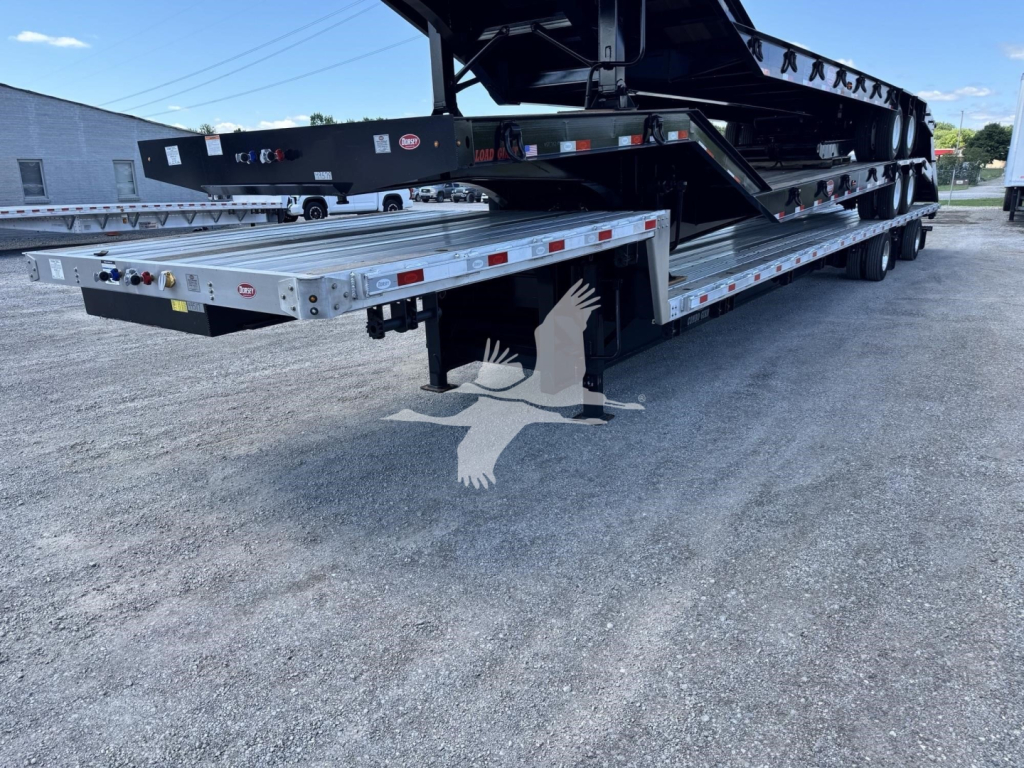
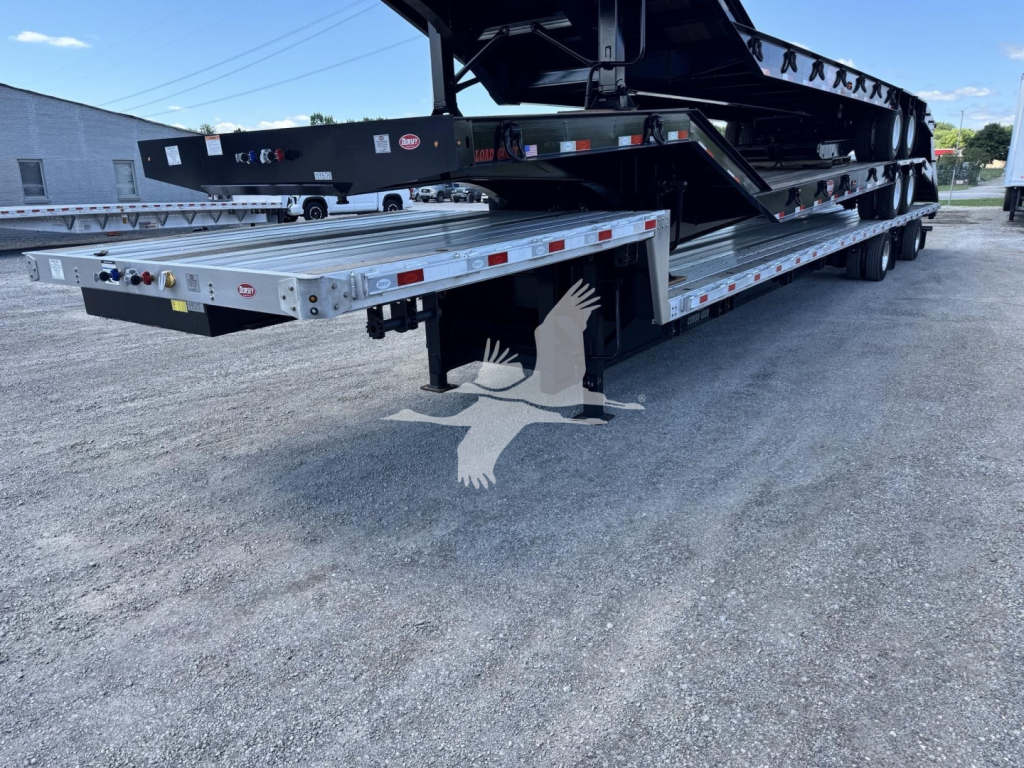
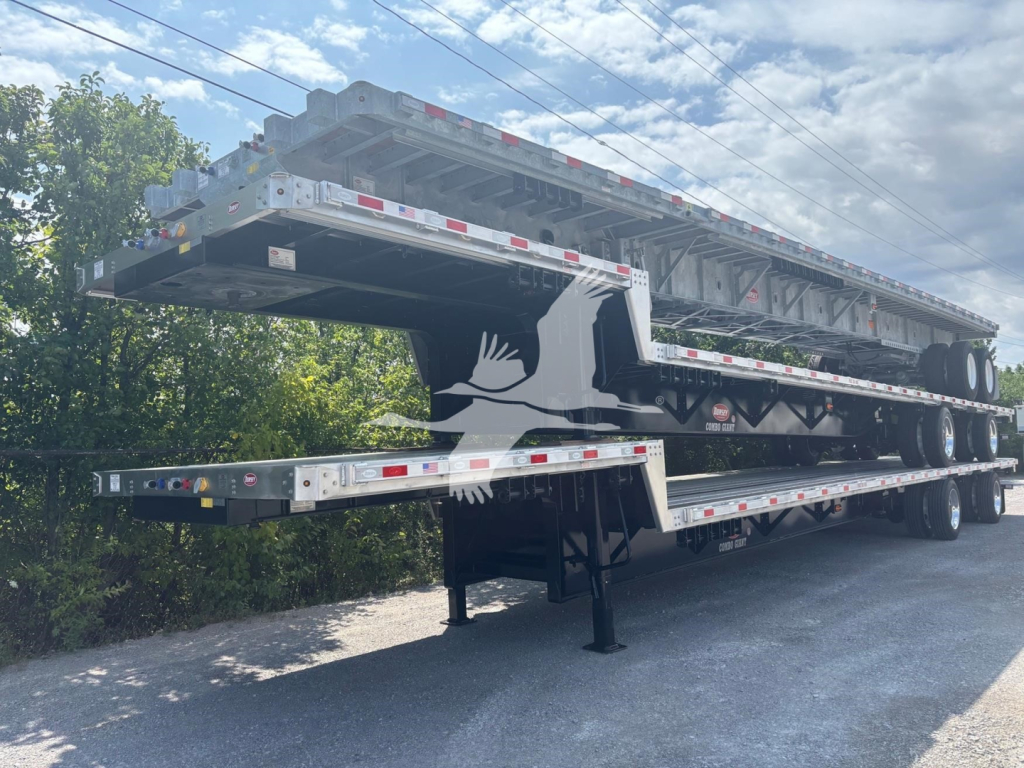
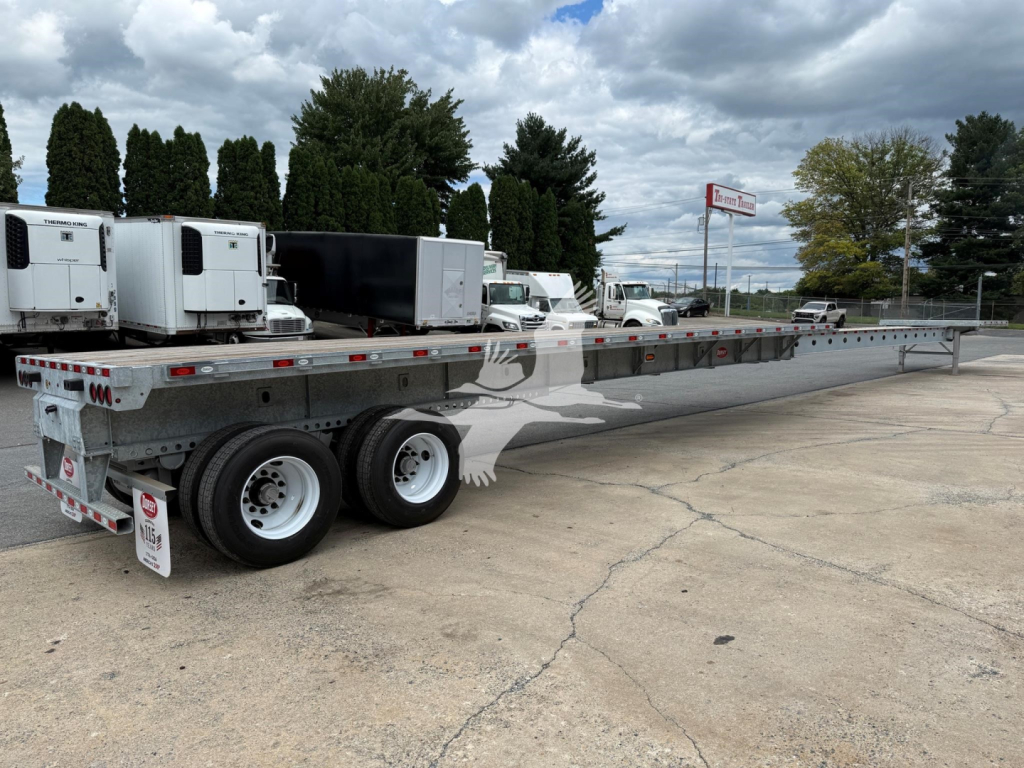
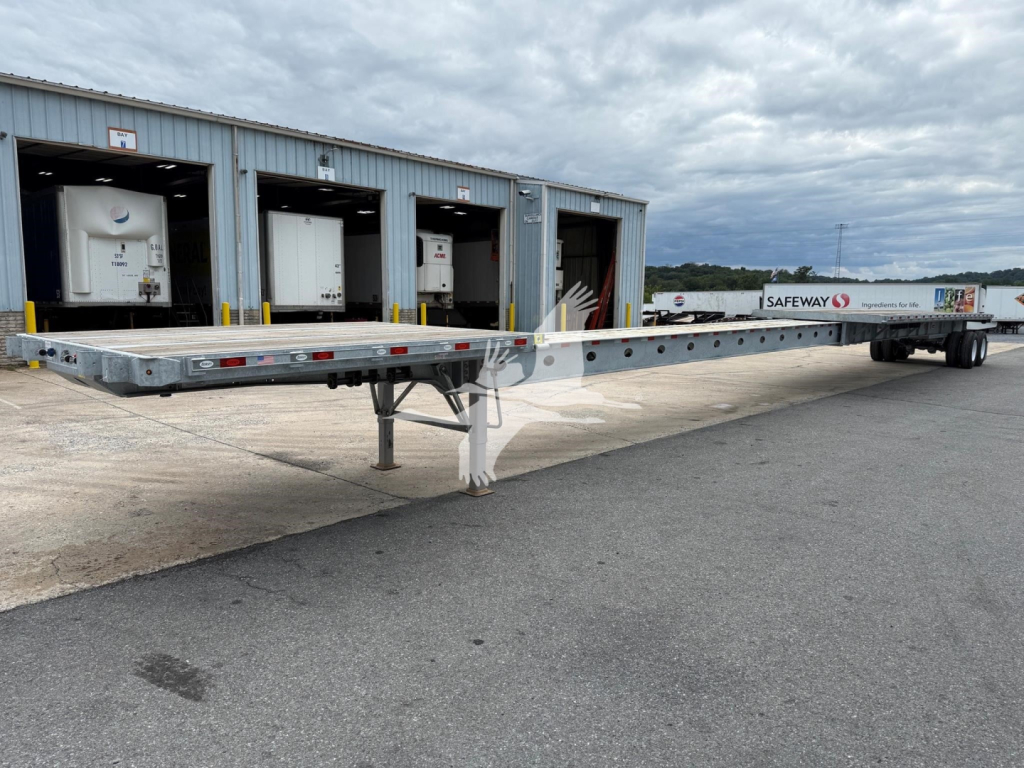
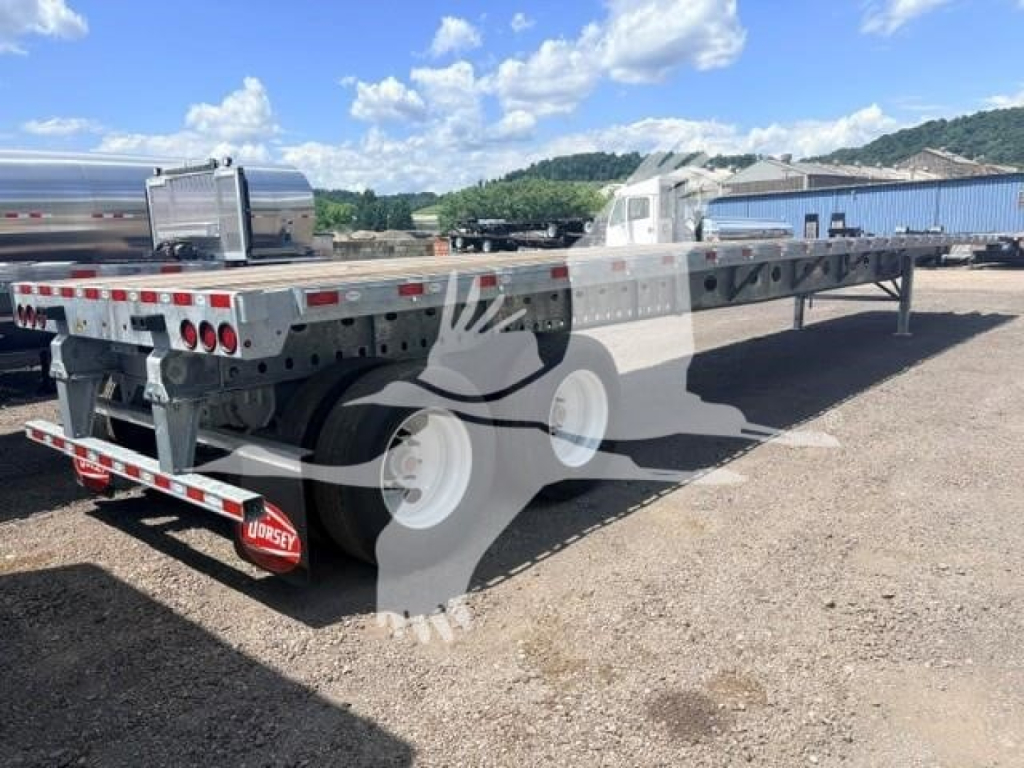
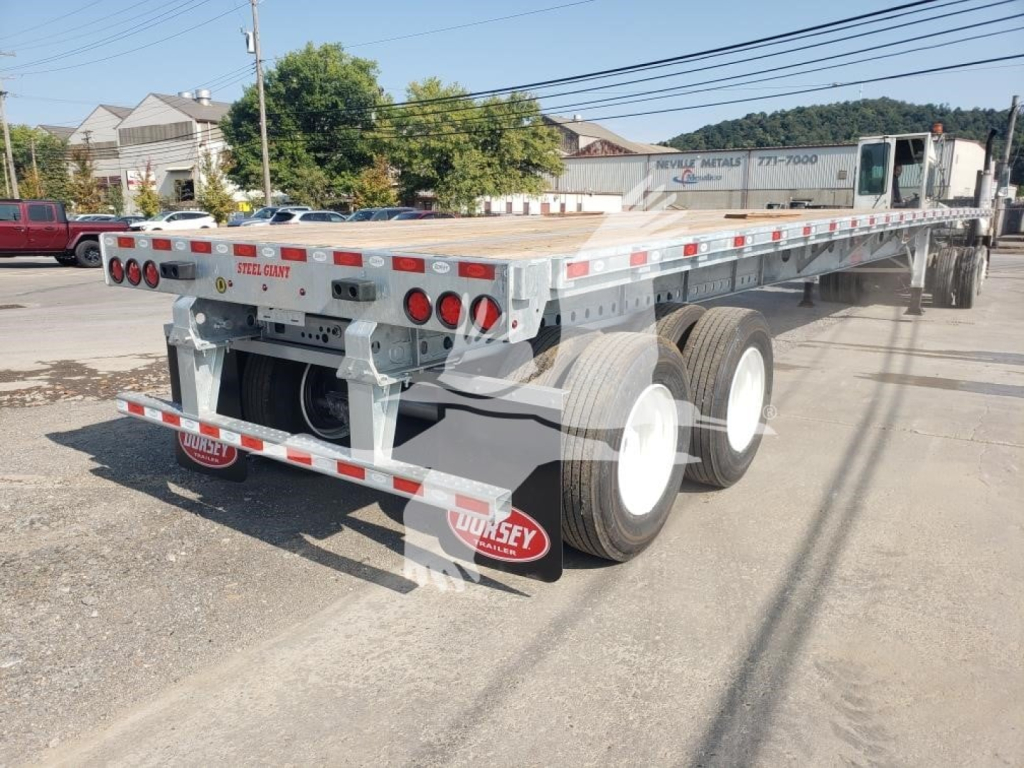
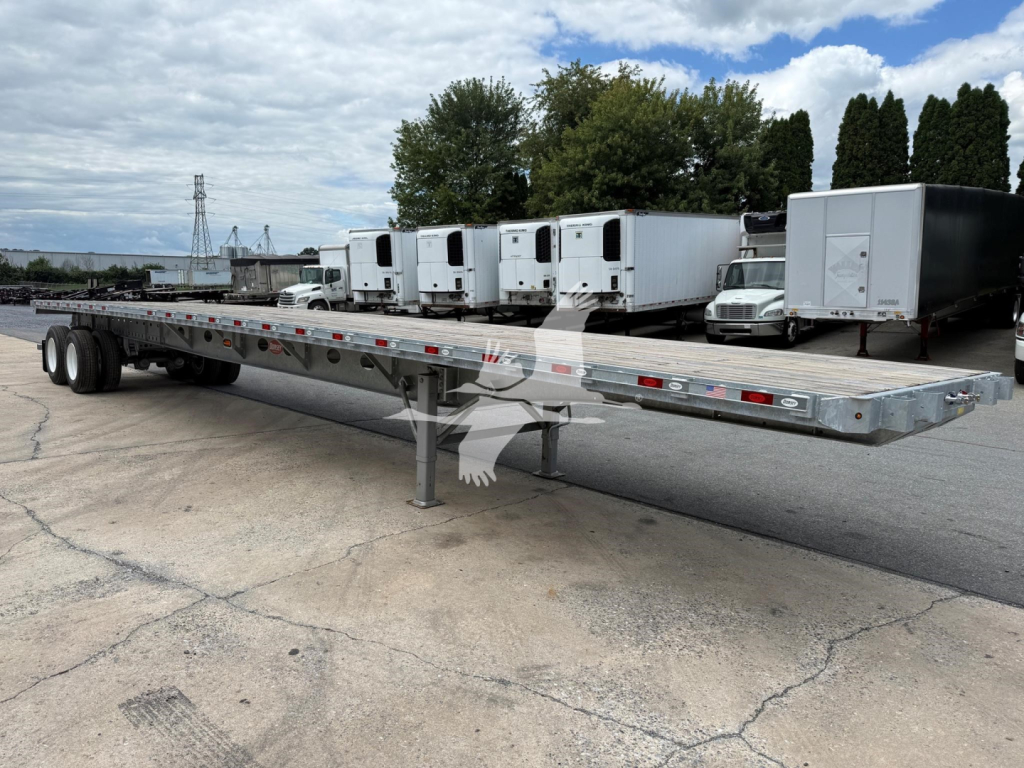
For flatbed buyers, the key decisions are overall length, axle spread or slider setup, floor type, and side rail construction. Many Dorsey flatbeds use 48-foot by 102-inch dimensions, steel construction, and 1 1/8-inch Apitong flooring, which remains a preferred choice for durability and repairability. Features like roadside winch tracks, sliding winches, double pipe spools, stake pockets, and structural channel side rails matter if the trailer will handle mixed freight and frequent strap or chain securement. A sliding tandem or spread setup can also make a difference in bridge compliance and weight distribution, especially for operators running multiple states with changing axle laws.
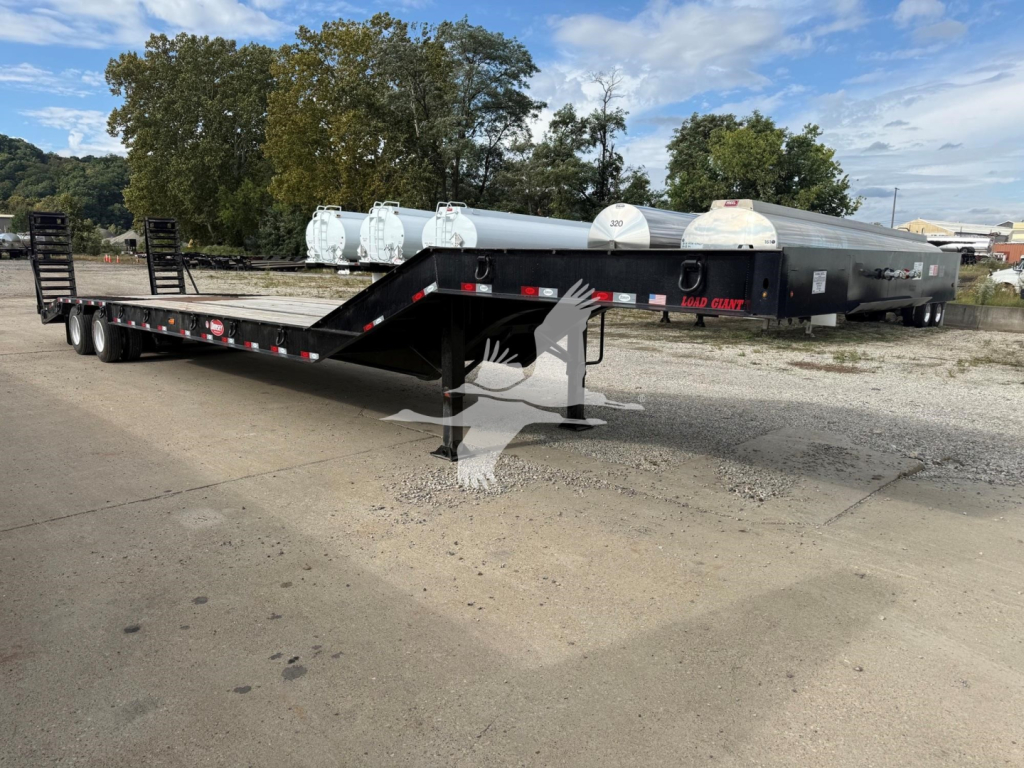
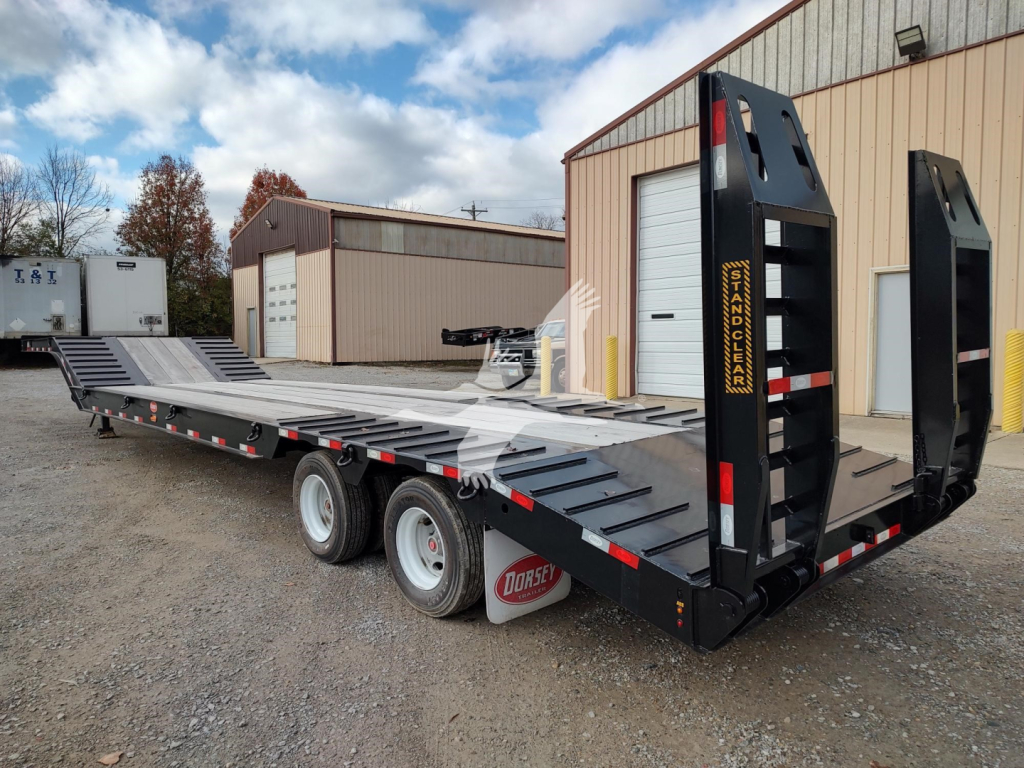
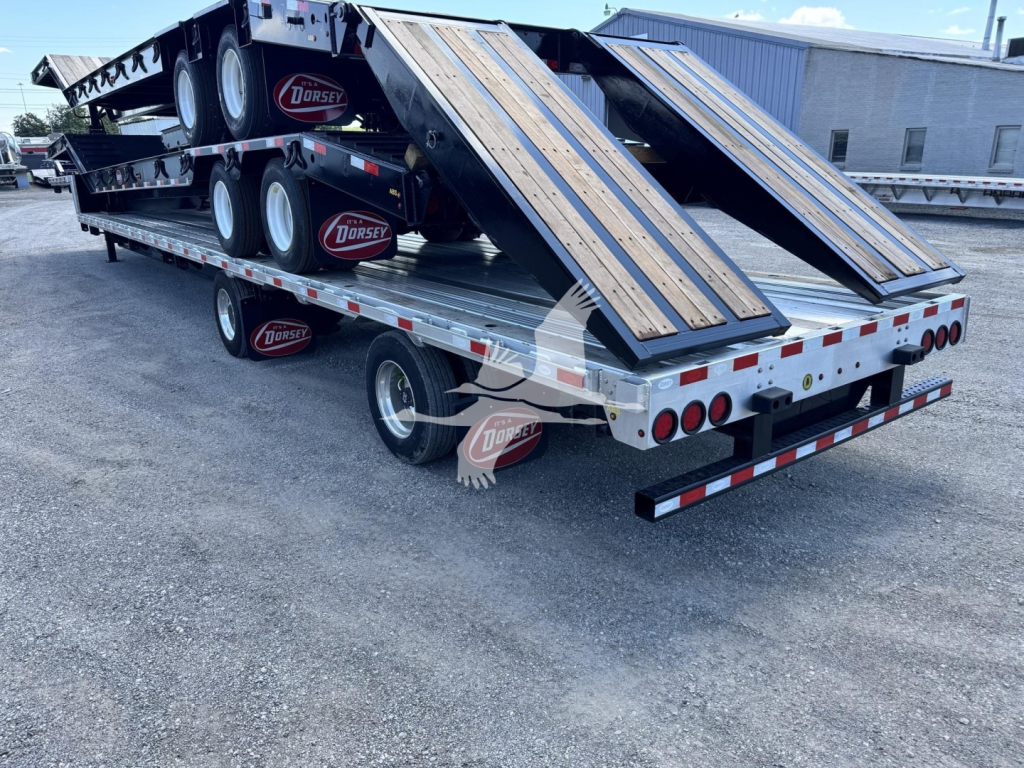
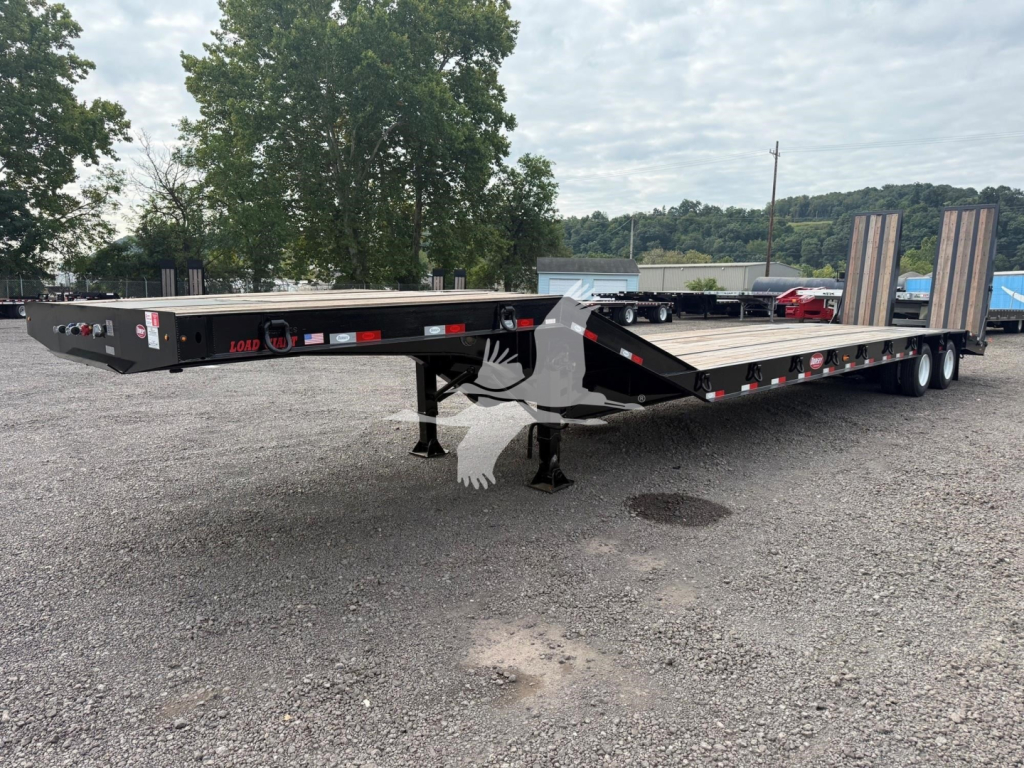
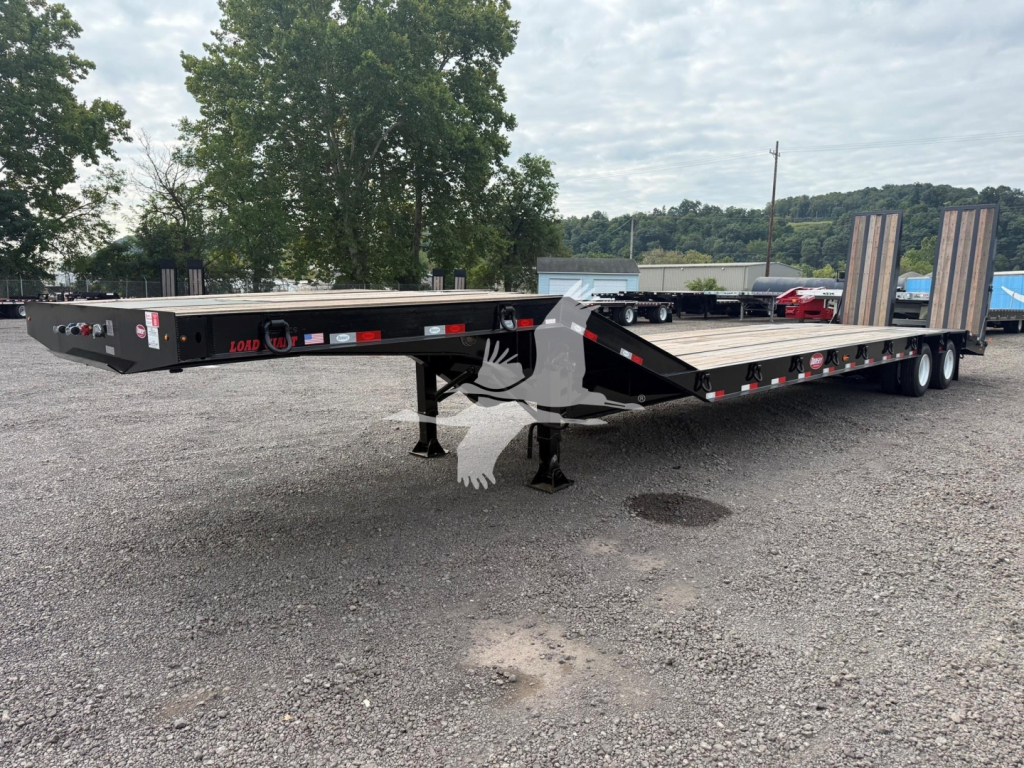
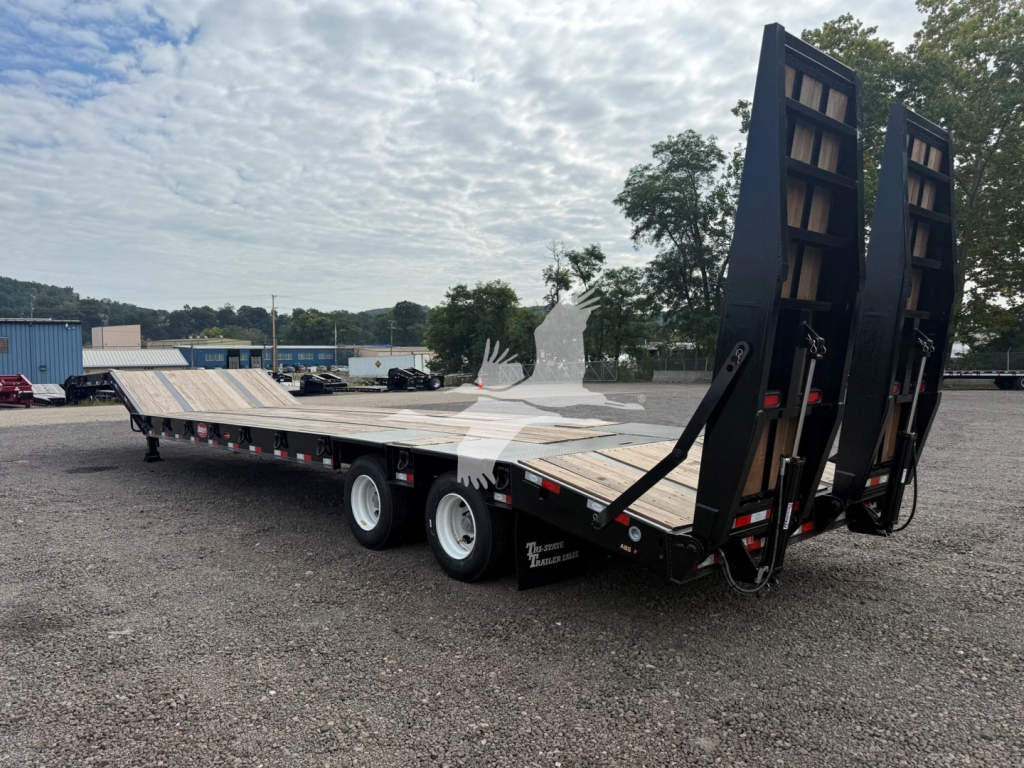
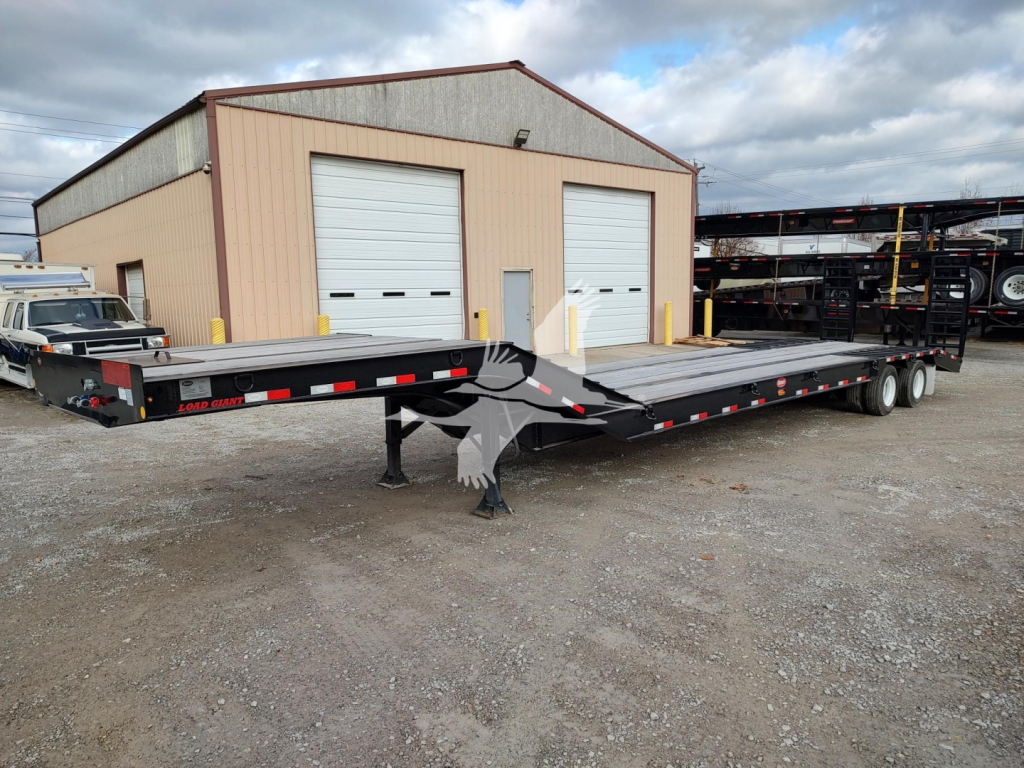
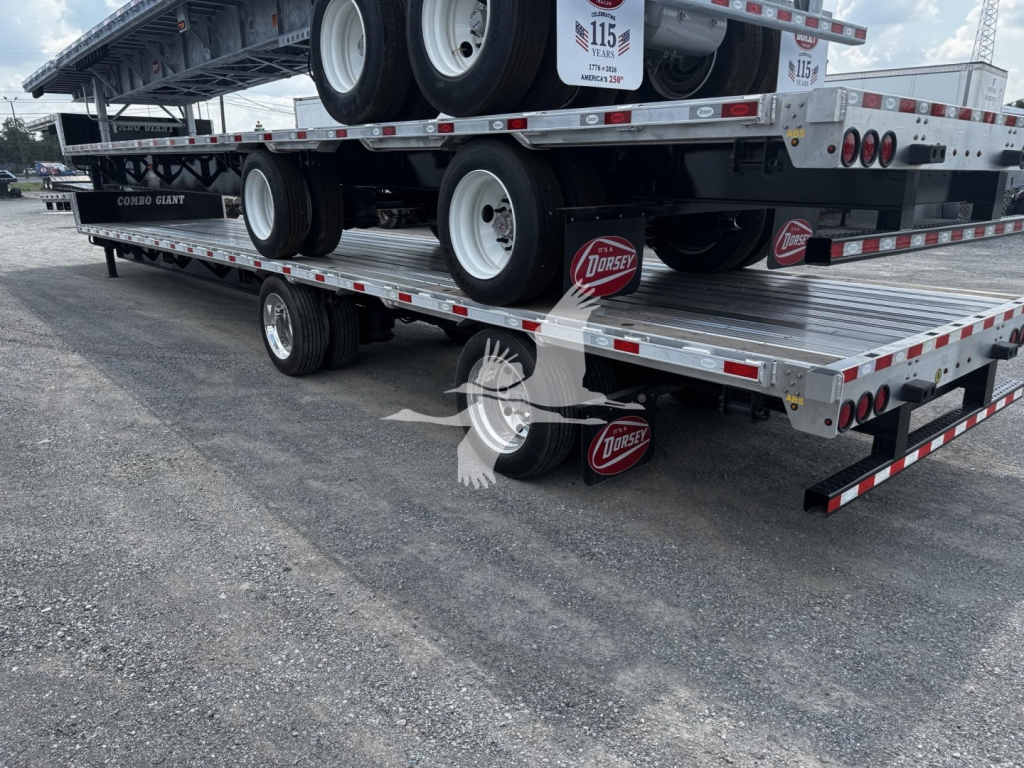
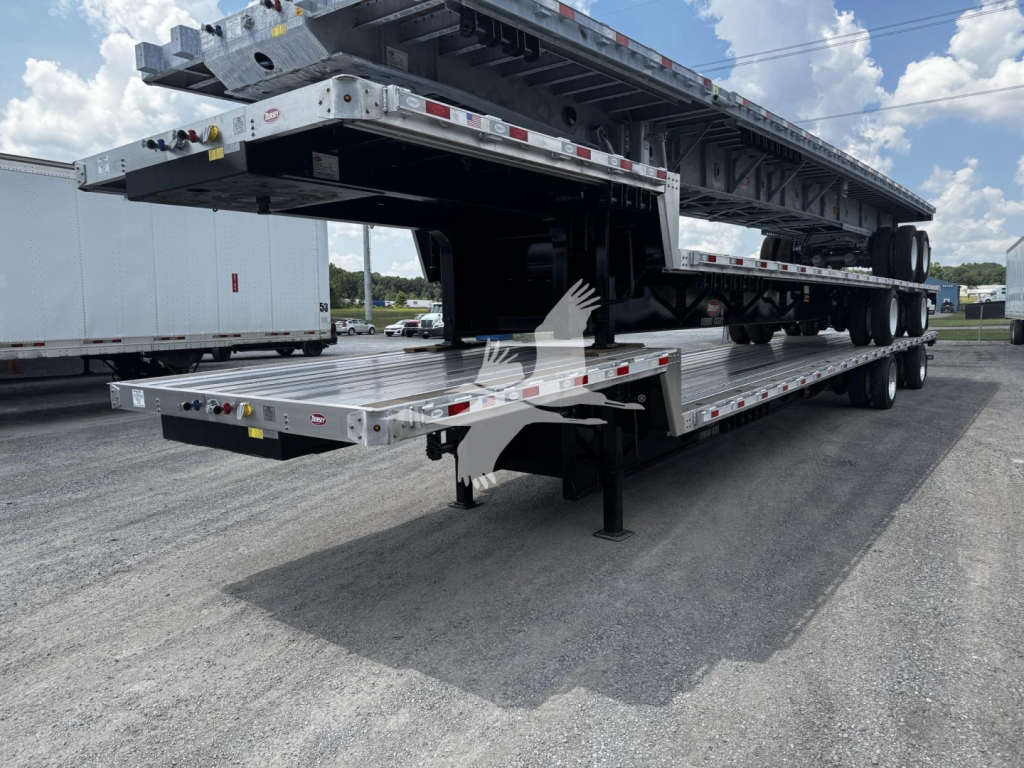
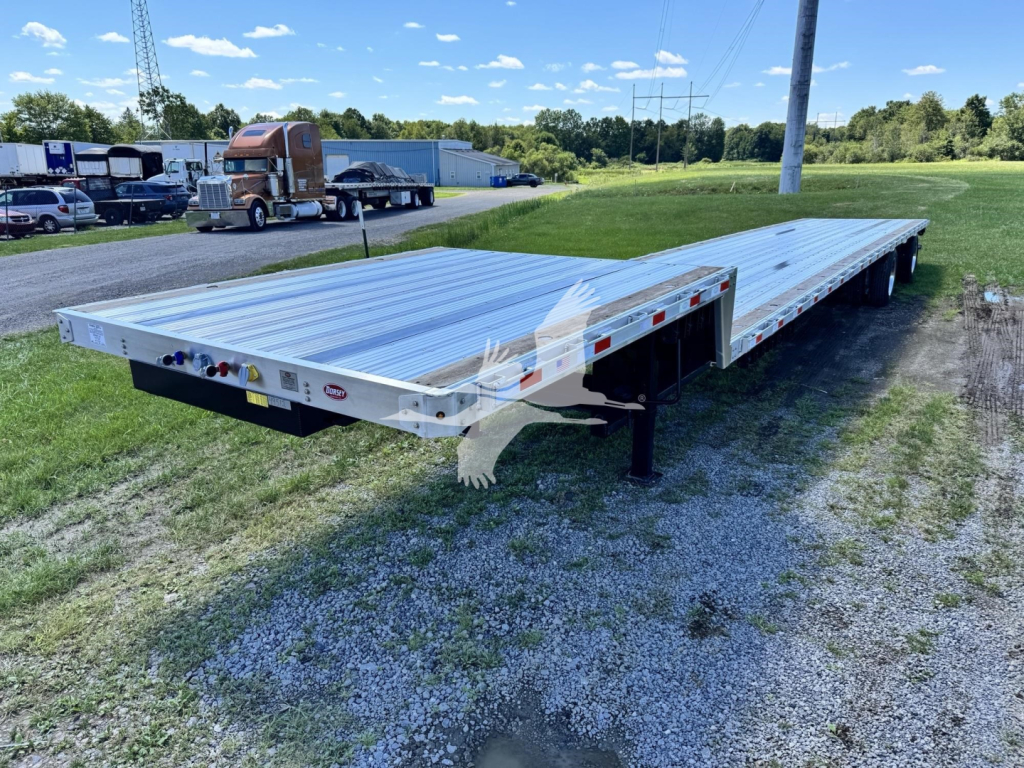
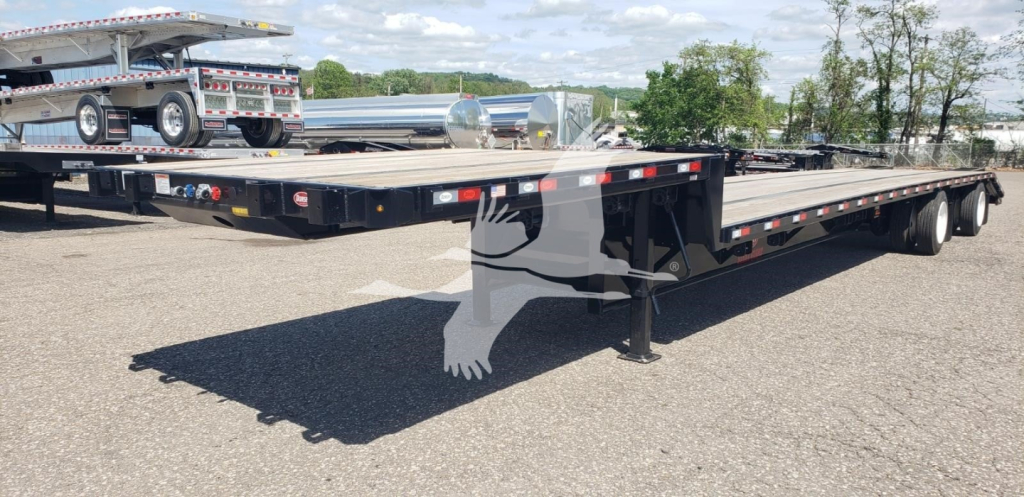
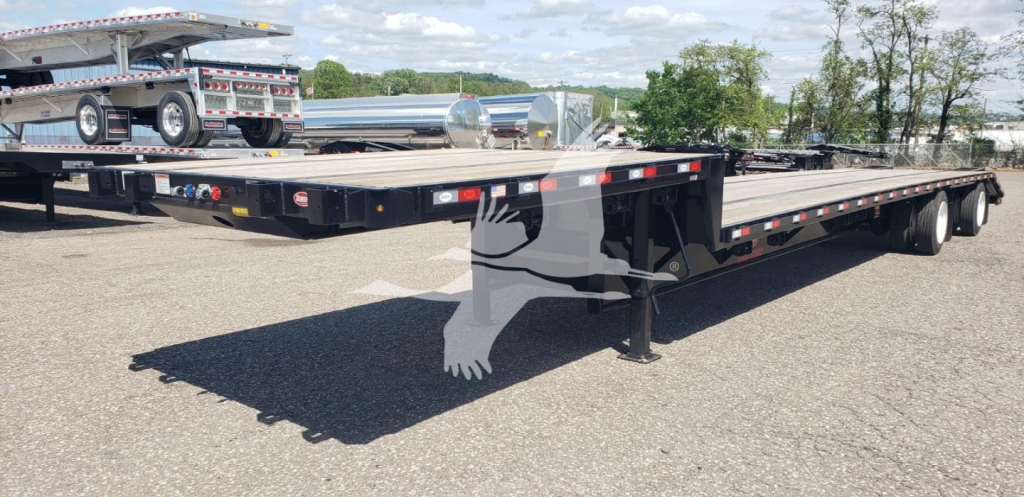
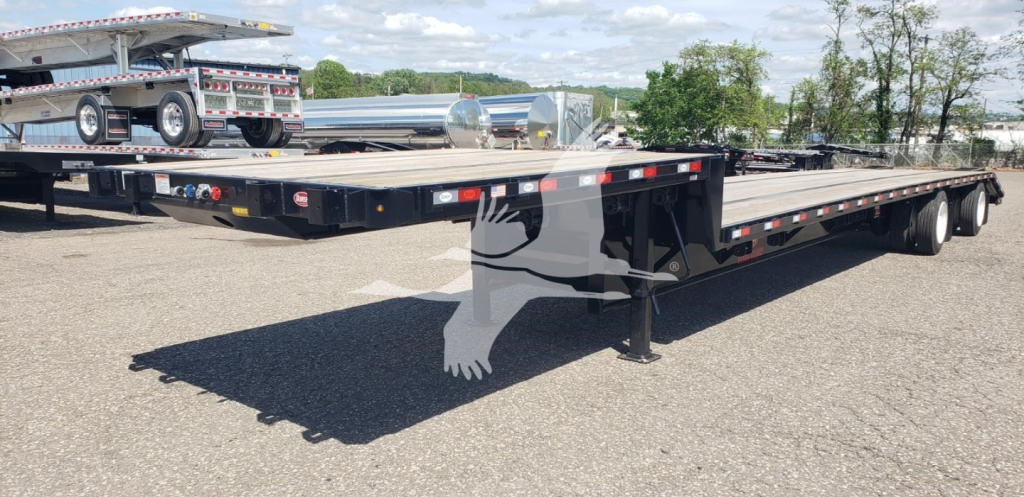
On Dorsey drop deck and beavertail trailers, deck height and transition design are often the deciding factors. A typical setup may include a 10-foot plus upper deck, a main deck around 38 feet, and a loaded deck height designed to carry taller freight than a standard flatbed can legally handle. Beavertail models add rear slope and spring-assisted ramps, making them a practical fit for forklifts, small construction equipment, lifts, and other wheeled units that need easier loading without stepping up to a detachable lowboy. Buyers should pay attention to main deck crossmember spacing, kingpin setting, suspension brand, dump valve setup, and tire size, because those details affect ride quality, turning clearance, serviceability, and how the trailer performs under concentrated loads.
A newer Dorsey trailer is often evaluated on long-term durability as much as base spec. Steel frames, air ride suspensions, LED lighting, two-speed landing gear, and standard 80,000-pound GVWR ratings are common features in this class, but the real value is in how the trailer is outfitted for the freight it will actually haul. If the work is general commodity freight, a flatbed with a strong securement package may be the right fit. If the freight includes taller machines or loaded pallets that benefit from lower deck height, a drop deck makes more sense. If loading angle is a recurring issue, a beavertail with traction-bar ramps can save time and reduce loading headaches. The best 2027 Dorsey trailer for sale is usually the one whose deck layout, axle configuration, and securement hardware already match the lane and freight profile.
Frequently Asked Questions about 2027 Dorsey Trailers
What types of trailers are most common from Dorsey in this model year range?
The most common Dorsey trailer types in this range are flatbeds, drop deck trailers, and beavertail drop decks. Flatbeds are used for general open-deck freight, while drop decks are preferred for taller cargo that needs lower deck height. Beavertail models add a sloped rear deck and ramps, which helps with loading forklifts, scissor lifts, and smaller equipment.
What should I look for when buying a Dorsey flatbed trailer?
The most important items are trailer weight, axle configuration, floor condition, side rail design, and securement equipment. Many buyers also check for Apitong flooring, sliding winches, stake pockets, pipe spools, and winch tracks because those features directly affect how versatile the trailer is in day-to-day freight service. Suspension type, kingpin setting, and crossmember spacing also matter for maintenance, ride quality, and load support.
Why choose a Dorsey drop deck instead of a standard flatbed?
A drop deck trailer gives you lower main deck height, which allows taller freight to move legally without requiring the same permits that a taller overall load on a flatbed might need. That makes drop decks a strong choice for machinery, crated equipment, and taller palletized freight. A beavertail version adds loading convenience for wheeled or tracked equipment that can be driven or rolled onto the deck.
Are Dorsey trailers typically built with steel or aluminum construction?
Many Dorsey trailers in heavy-duty vocational and open-deck applications are steel-focused designs. Steel construction is often preferred by buyers who prioritize frame strength, durability, and repair familiarity over the lighter tare weight of aluminum-focused designs. The tradeoff is usually more empty weight, but many operators accept that in exchange for long service life in rough freight environments.
What common specs affect payload and load planning on a Dorsey trailer?
The main specs are trailer empty weight, overall length, deck height, axle spread or slider position, tire size, kingpin setting, and GVWR. On drop decks, upper deck length and main deck length are also critical because they determine where freight can be placed and how axle weights can be managed. Securement layout, including winch count, stake pockets, and side rail depth, also affects how efficiently different cargo can be loaded and tied down.