
2027 Dorsey Trailers For Sale in Pennsylvania
Shop 2027 Dorsey trailers in Pennsylvania, including flatbed and walking floor designs with specs buyers compare for payload, suspension, and duty cycle.
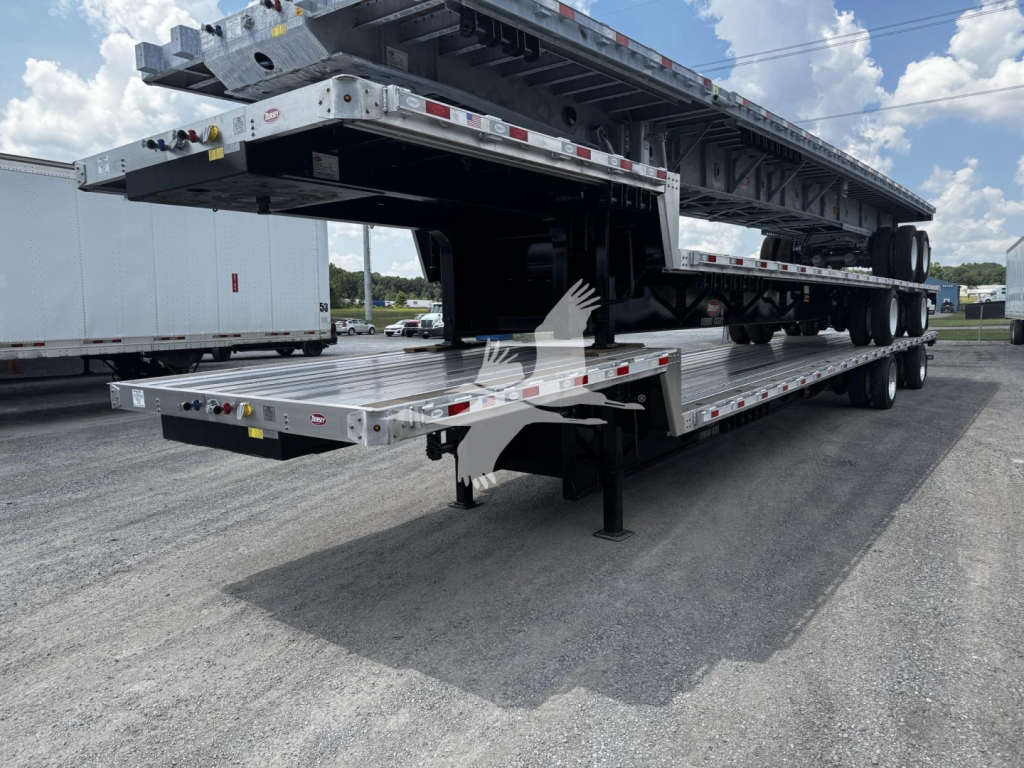
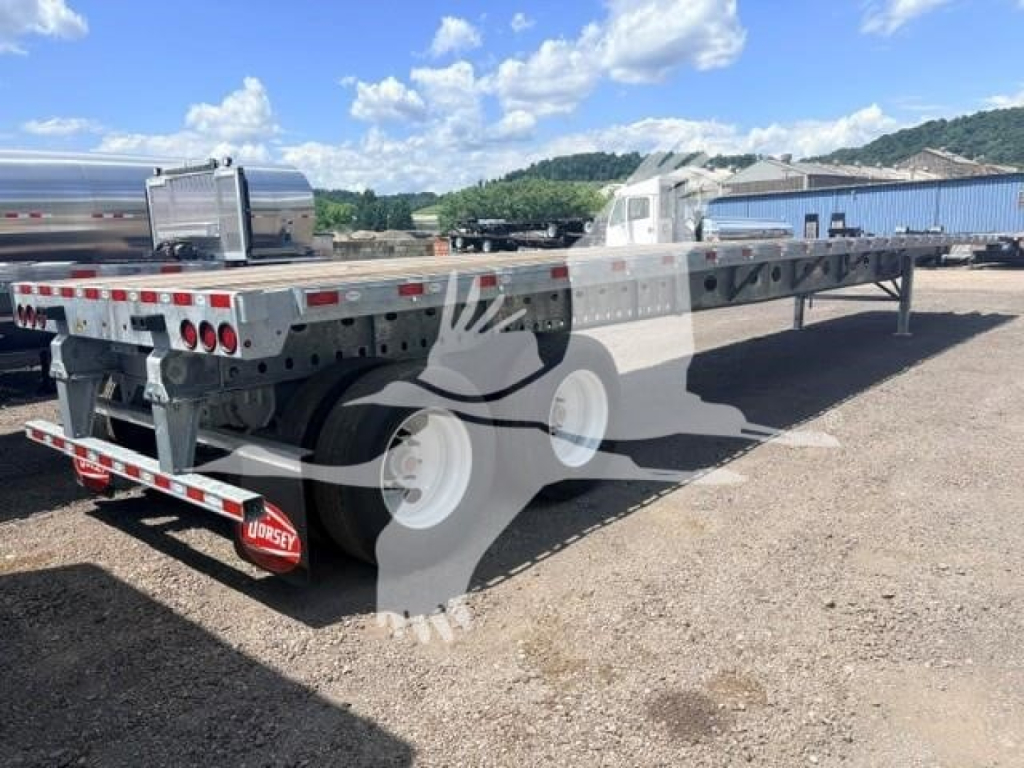
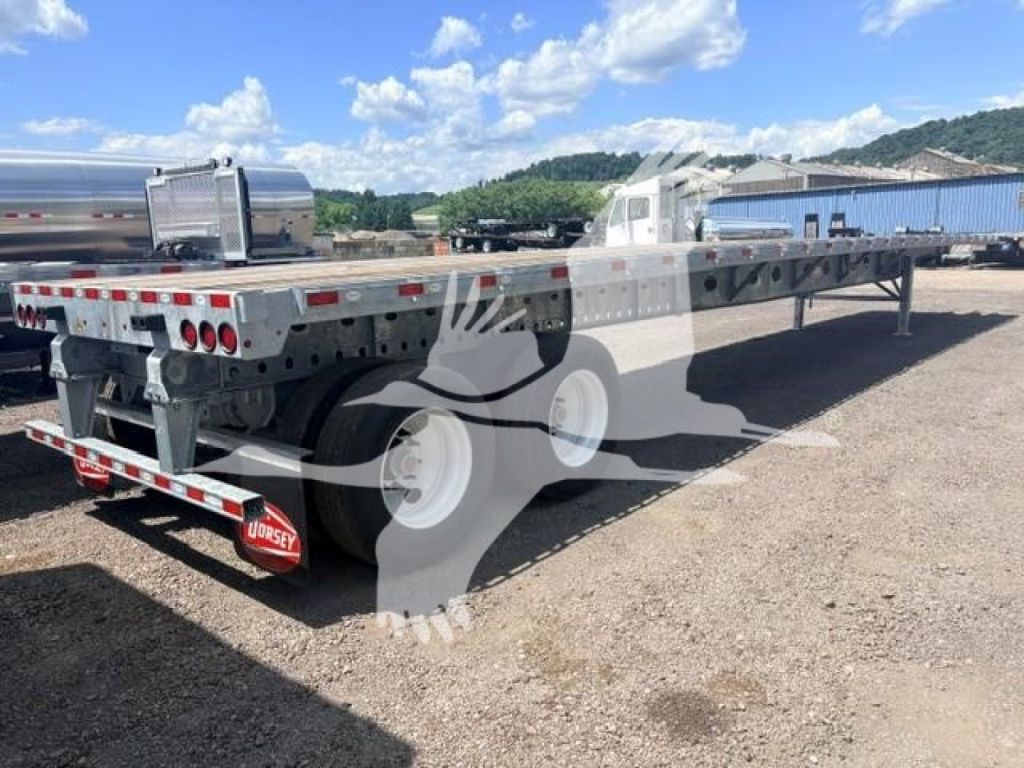
Selling a 2027 dorsey trailer? List your 2027 dorsey trailer for sale and reach thousands of commercial buyers.
2027 Dorsey Trailers in Pennsylvania
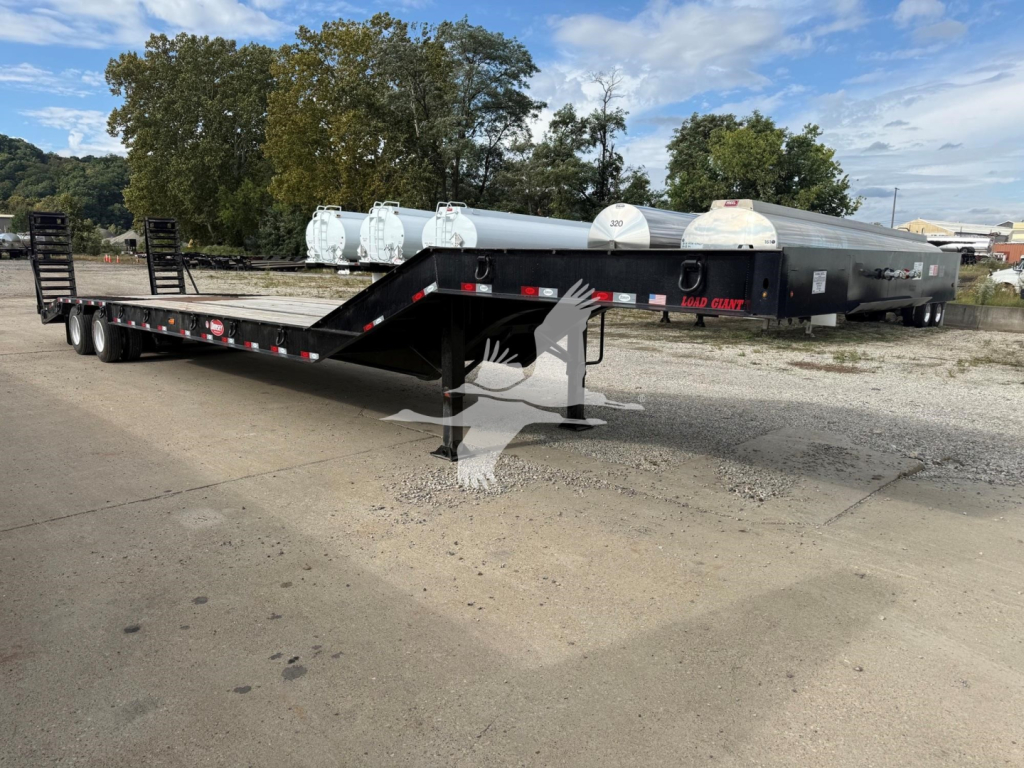
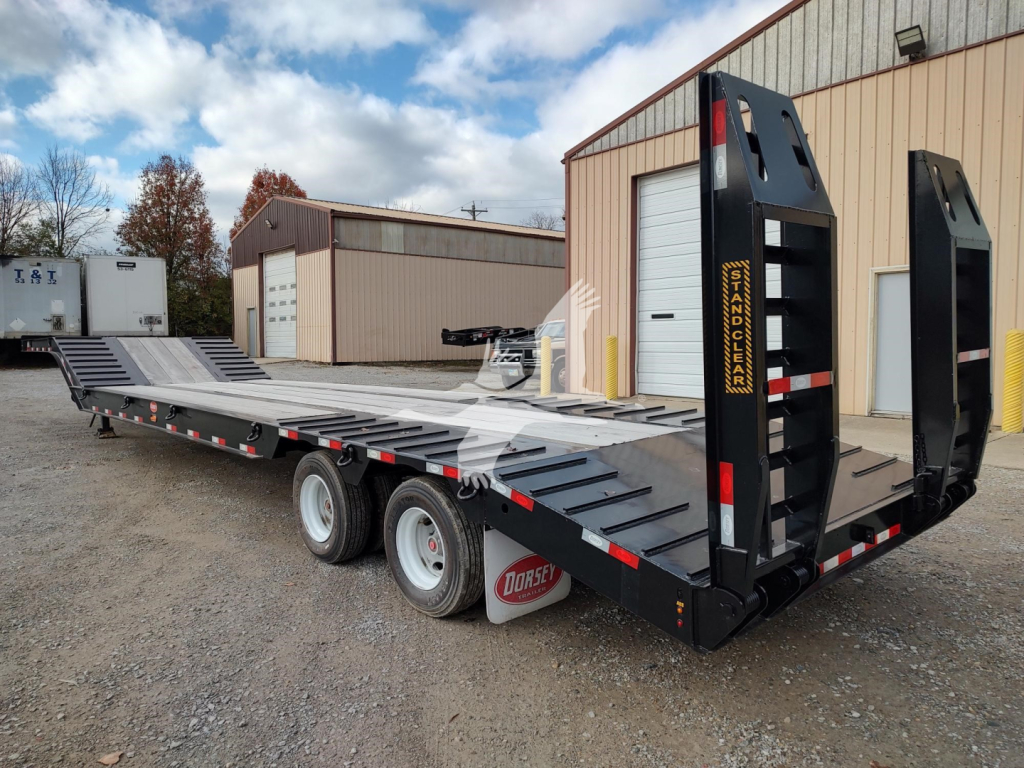
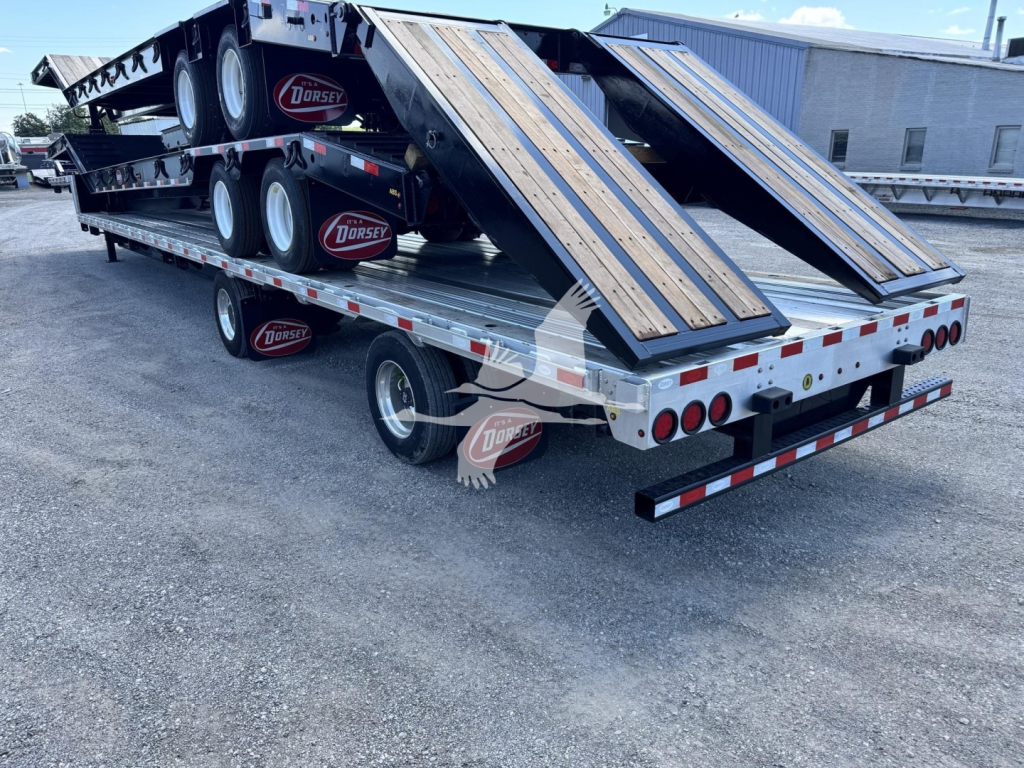
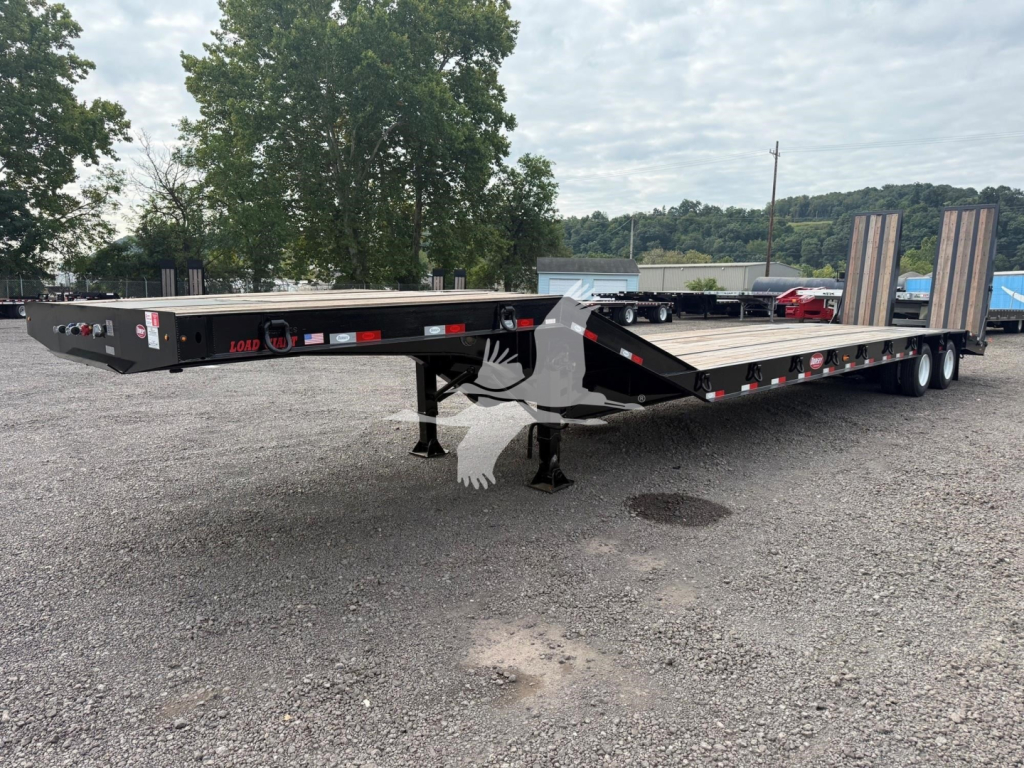
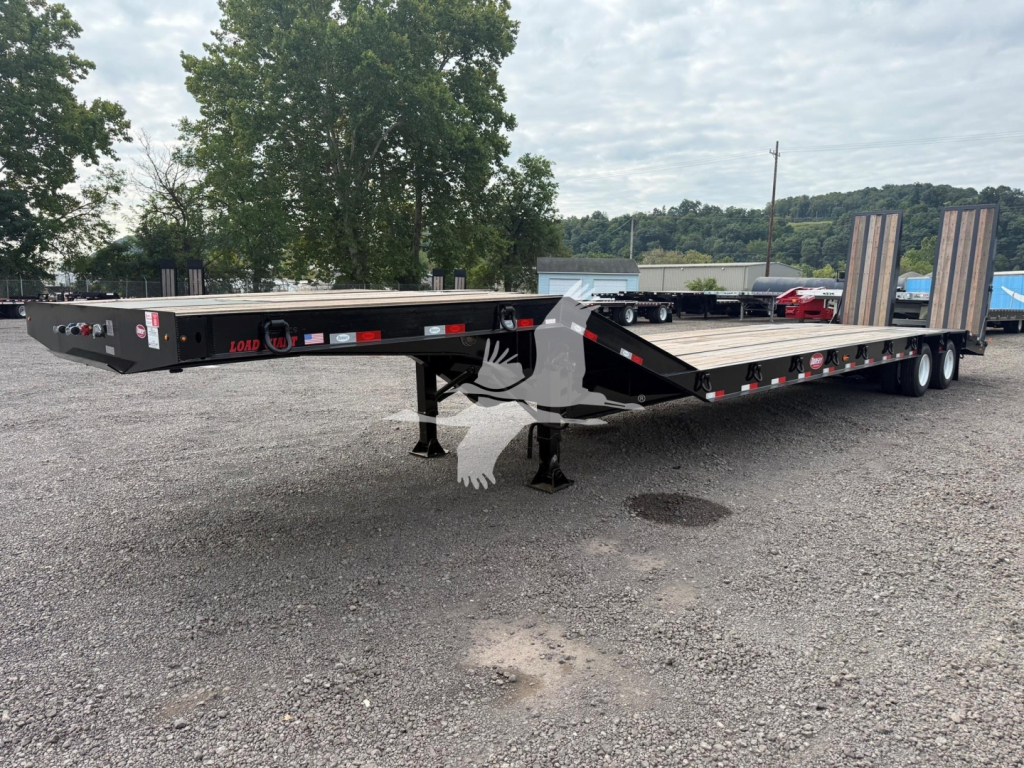
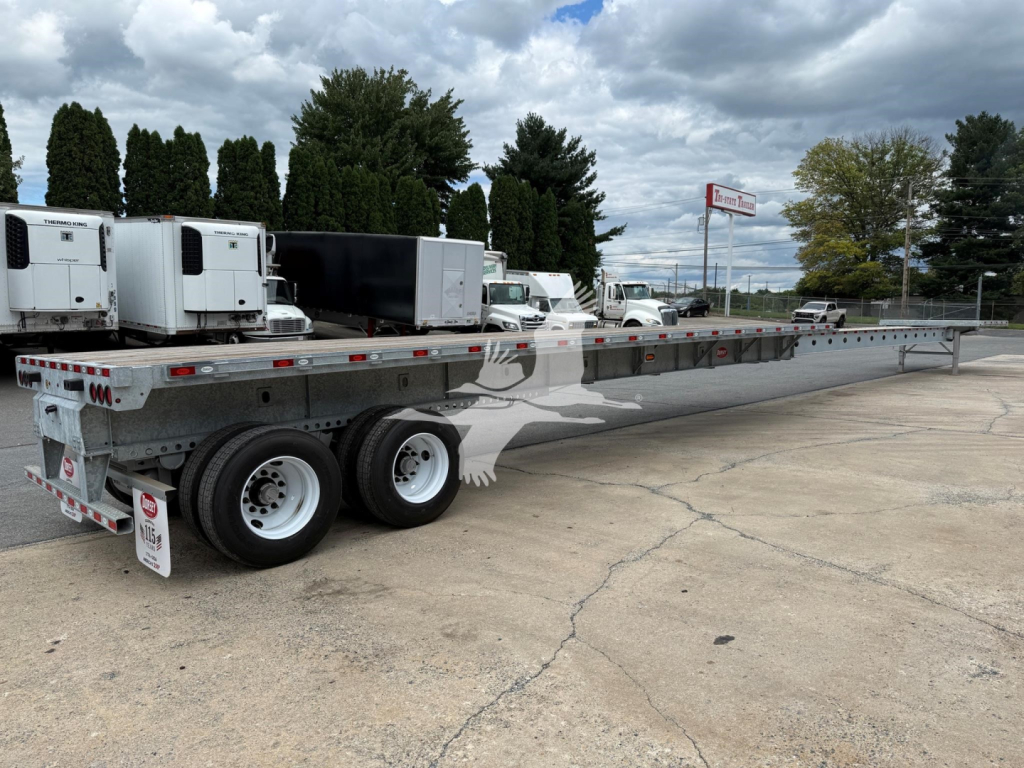
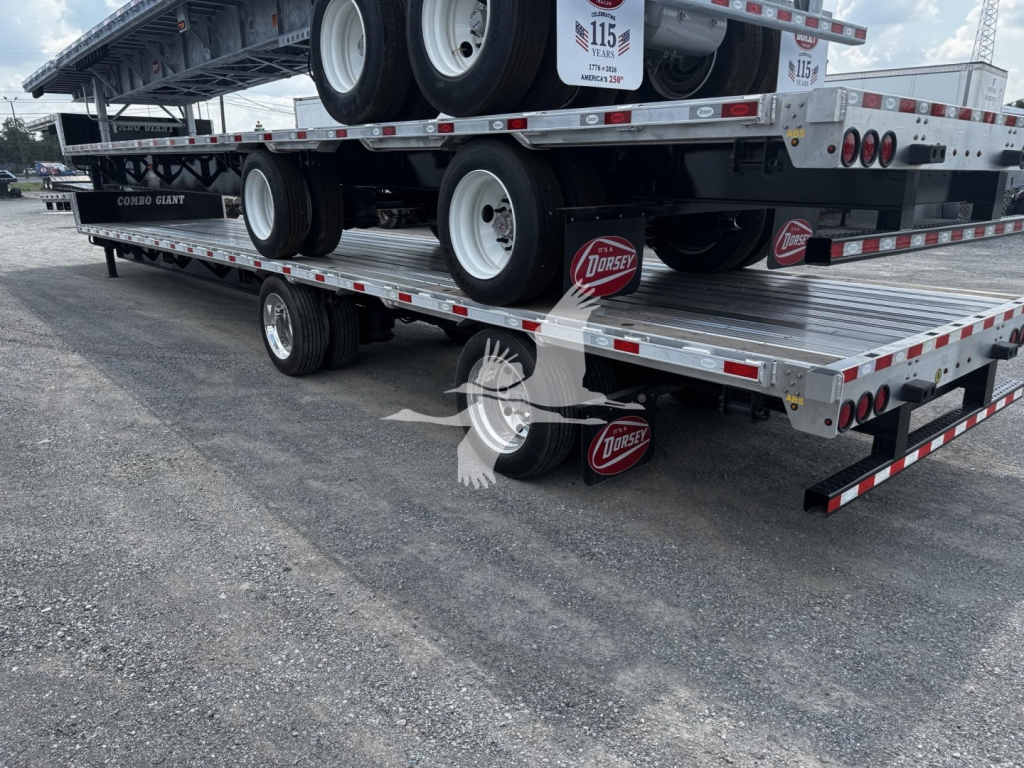
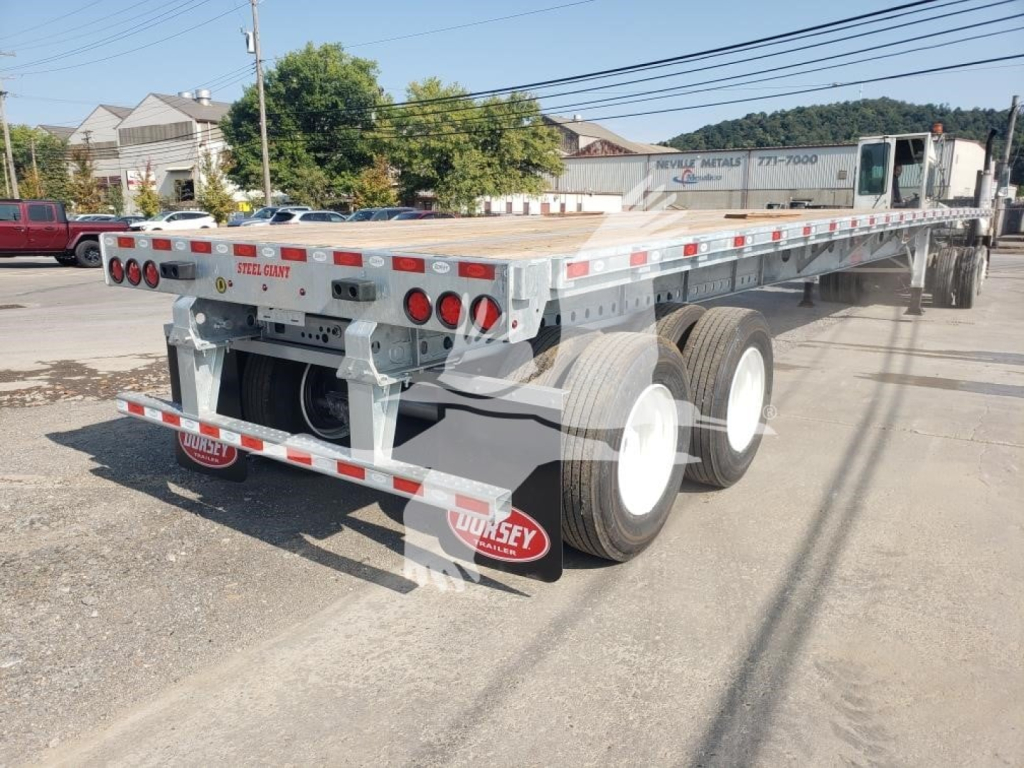
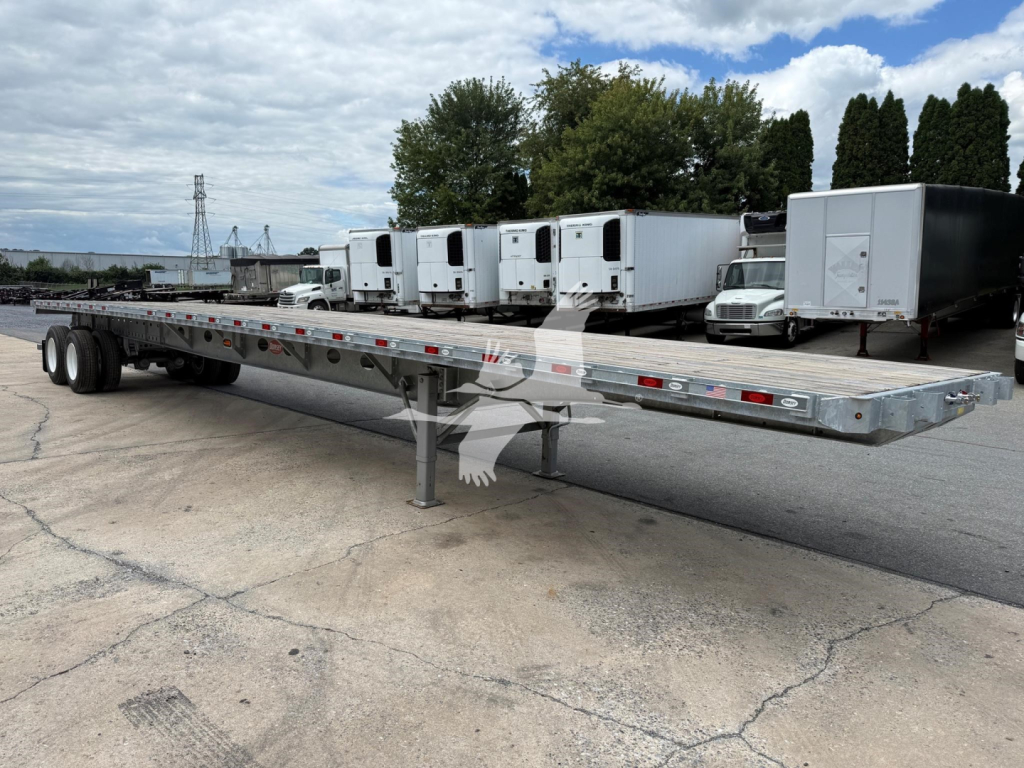
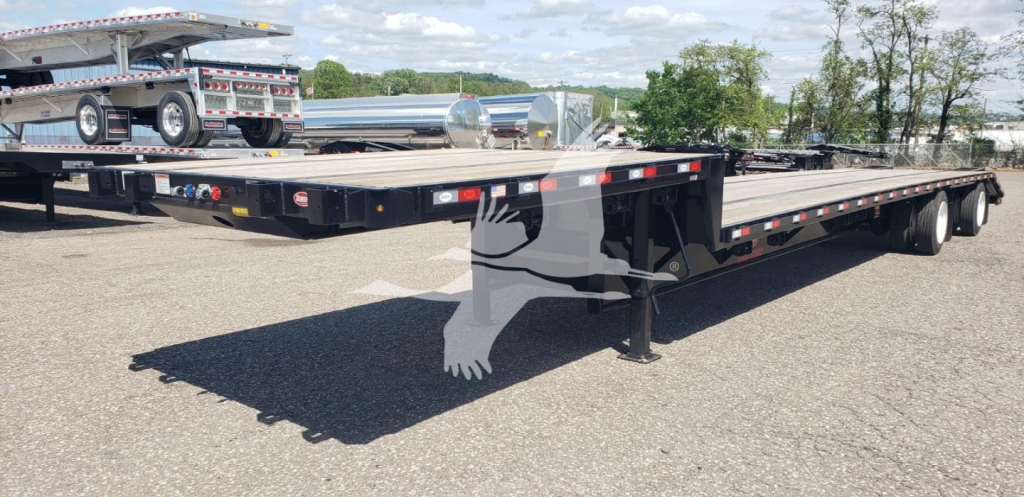
On flatbeds, key buying points are deck length, tare weight, axle configuration, suspension, and securement layout. Common specs include 48-foot or 53-foot lengths, 102-inch width, tandem axles, and either air ride or spring ride suspension. Buyers often look closely at kingpin setting, sliding tandem position, and weight distribution because those details affect bridge law compliance and how easily the trailer can be matched to the tractor. Construction details matter too. Apitong flooring, structural channel side rails, steel crossmembers on 12-inch centers, pipe spools, roadside winch tracks, and sliding winches are all common on Dorsey steel flatbeds. In Pennsylvania and surrounding states, that combination fits regional steel hauling, construction supply delivery, and mixed freight lanes where durability matters more than shaving every pound of tare weight.
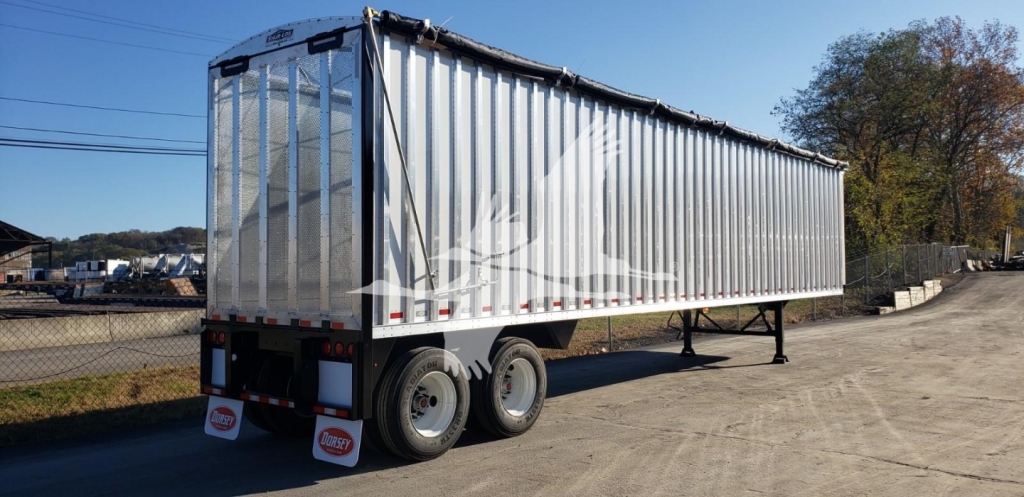
A 2027 Dorsey walking floor serves a different operation entirely. These trailers are designed for fast unloading without tipping, which is a major advantage in sites with low overhead clearance, uneven ground, or strict safety rules. Buyers should focus on floor system brand, body material, trailer length, suspension type, door configuration, tarp system, and coupler design. Aluminum side construction helps with payload, while the live floor system itself is the core of the trailer's productivity and maintenance profile. Keith Walking Floor systems are widely recognized in the market, and buyers typically evaluate deck thickness, subframe design, and how the trailer is set up for the material being hauled. Rear swing doors, heavy-duty bumpers, and a properly spec'd tarp system are especially important for refuse, ag, biomass, and recycling work.
For Pennsylvania buyers, corrosion exposure, road conditions, and axle spread rules should all be part of the decision. Air ride can offer better cargo protection and ride quality on flatbeds, while spring ride still appeals to fleets that prioritize simplicity and lower maintenance in certain applications. Tire size, wheel type, landing gear brand, and lighting package are smaller details that still affect uptime and serviceability. When comparing 2027 Dorsey trailers for sale, the best approach is to match the trailer to the freight, loading method, and route demands first, then compare structural specs and running gear that will influence payload, maintenance cost, and legal weight performance over the long term.
Frequently Asked Questions about 2027 Dorsey Trailers in Pennsylvania
What types of 2027 Dorsey trailers are most common on the market?
The most common 2027 Dorsey trailers buyers tend to compare are flatbed trailers and walking floor trailers. Dorsey flatbeds are used for open-deck freight such as steel, lumber, and machinery. Dorsey walking floor trailers, also called live floor trailers, are built for bulk materials that need self-unloading without a dump angle, such as mulch, waste, scrap, and agricultural products.
What should I look for on a Dorsey flatbed trailer?
Start with length, axle setup, suspension type, and tare weight because those specs directly affect payload and routing flexibility. Then review deck construction, including flooring material, crossmember spacing, side rail design, winch track layout, and the number of sliding winches. Kingpin setting and sliding tandem configuration also matter because they affect bridge compliance, tractor compatibility, and weight distribution across the combination.
Why choose a walking floor trailer instead of a dump trailer?
A walking floor trailer unloads by moving the cargo out through the rear using a hydraulic floor system, so it does not need to raise the trailer body. That makes it a strong choice for sites with low ceilings, soft ground, or safety restrictions that make tipping risky. It also allows more controlled unloading, which is valuable for lightweight bulk material, recyclables, and operations that need to meter material out gradually.
Is air ride or spring ride better on a Dorsey trailer?
Air ride is often preferred when cargo protection, ride quality, and reduced shock transfer are priorities, especially on flatbed applications hauling sensitive building products or machinery. Spring ride remains popular for buyers who want a simpler suspension with fewer air system components to maintain. The better choice depends on freight type, terrain, maintenance practices, and how the trailer fits into the rest of the fleet.
Are Dorsey trailers a good fit for Pennsylvania hauling conditions?
Dorsey trailers are commonly spec'd in ways that suit Pennsylvania freight lanes, including heavy regional hauling, industrial freight, and bulk commodity work. Buyers in the state should pay particular attention to corrosion resistance, suspension durability, lighting, and axle settings because of winter road treatment, mixed road surfaces, and legal weight considerations. Matching the trailer's construction and running gear to local operating conditions is usually more important than focusing on model year alone.