
2027 Dorsey Flatbed Trailers For Sale in Pennsylvania
Shop 2027 Dorsey flatbed trailers with specs buyers want: 48' to 53' decks, combo or steel construction, sliding tandems, winch tracks, and coil-ready options.
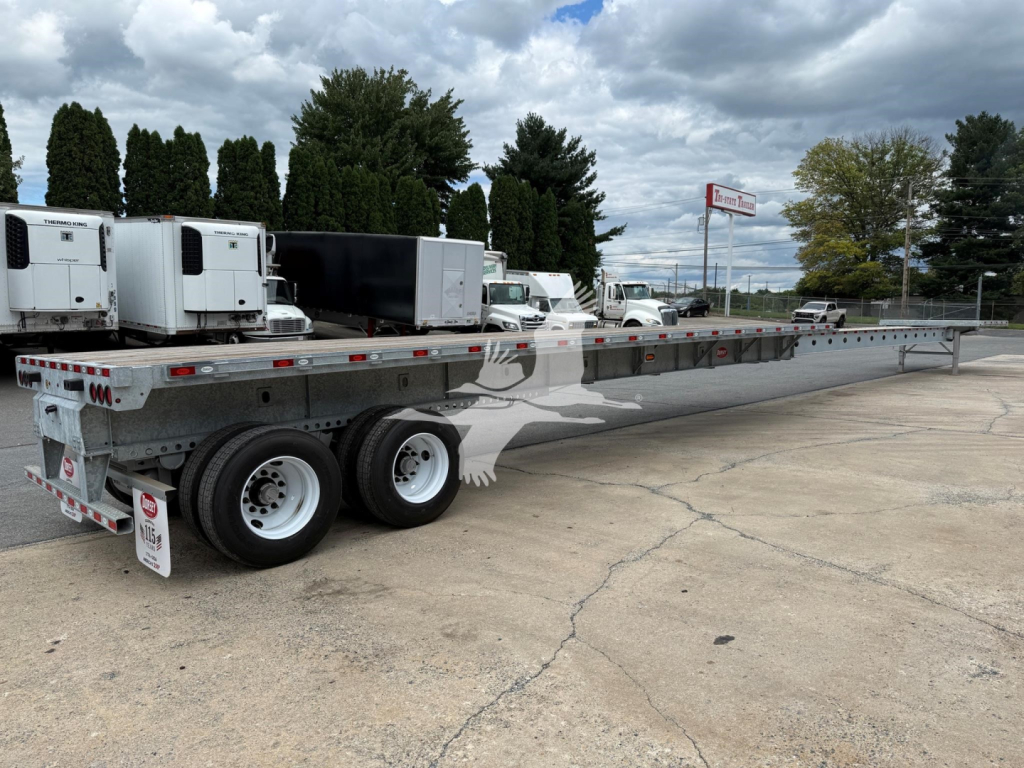
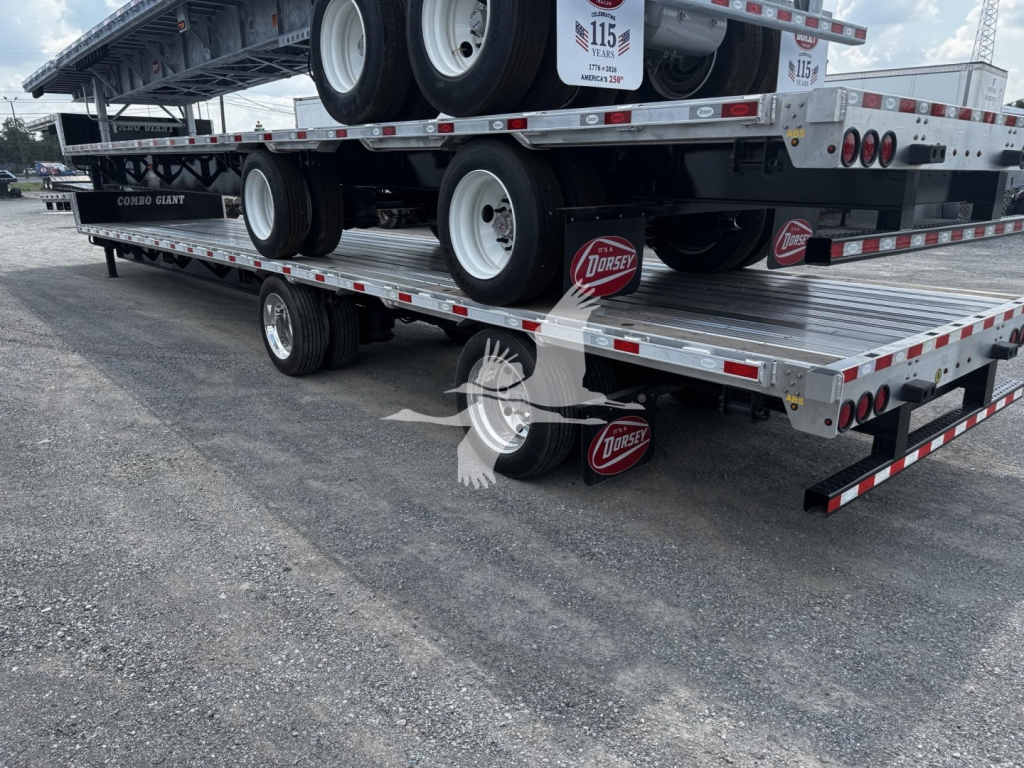
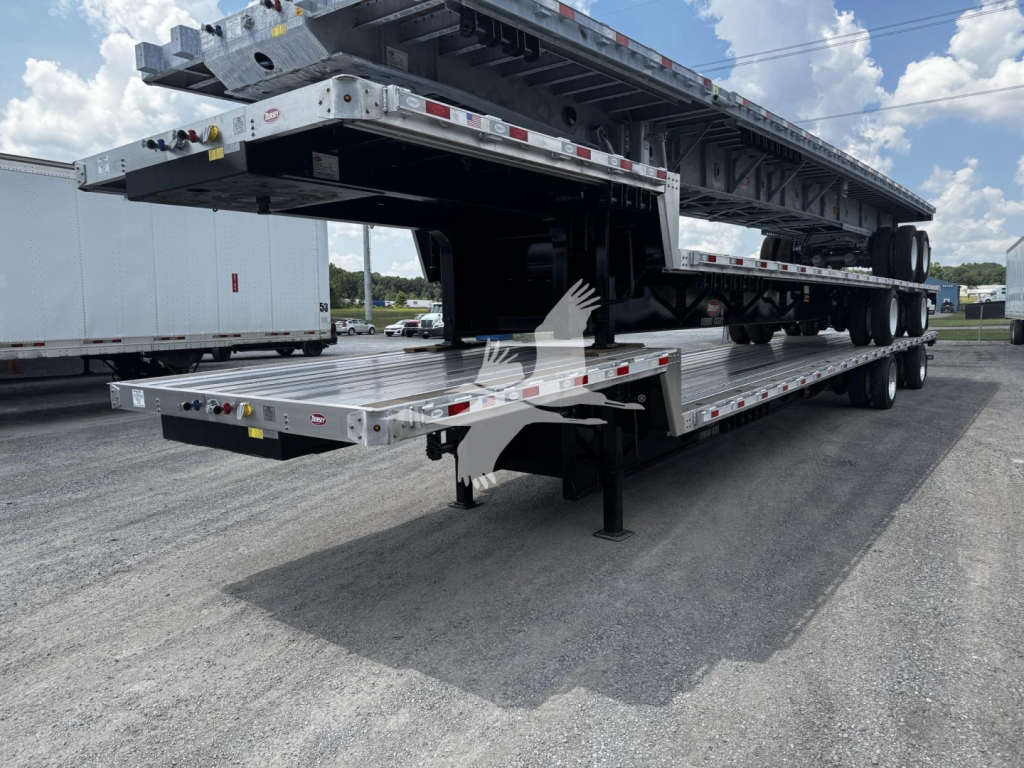
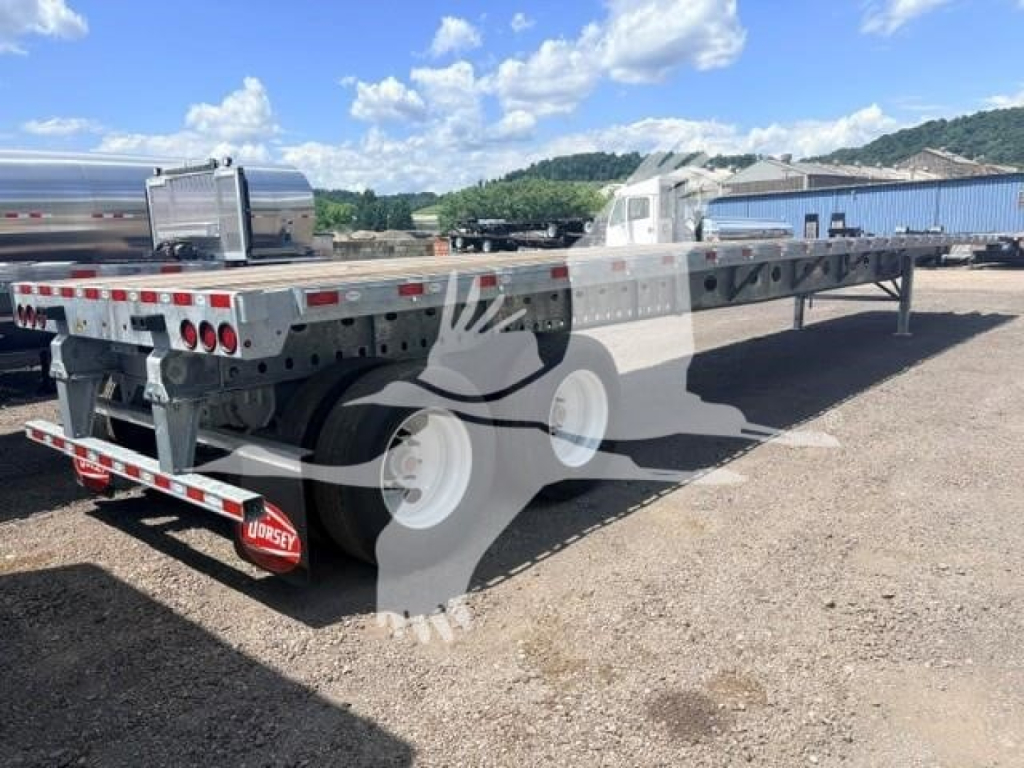
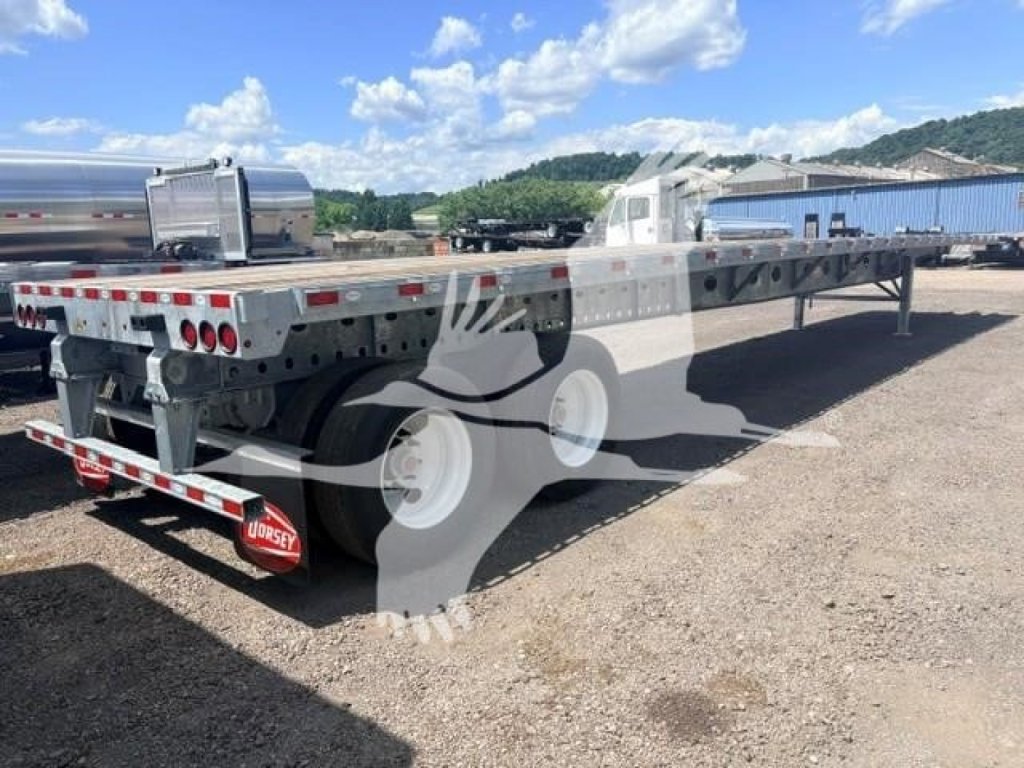
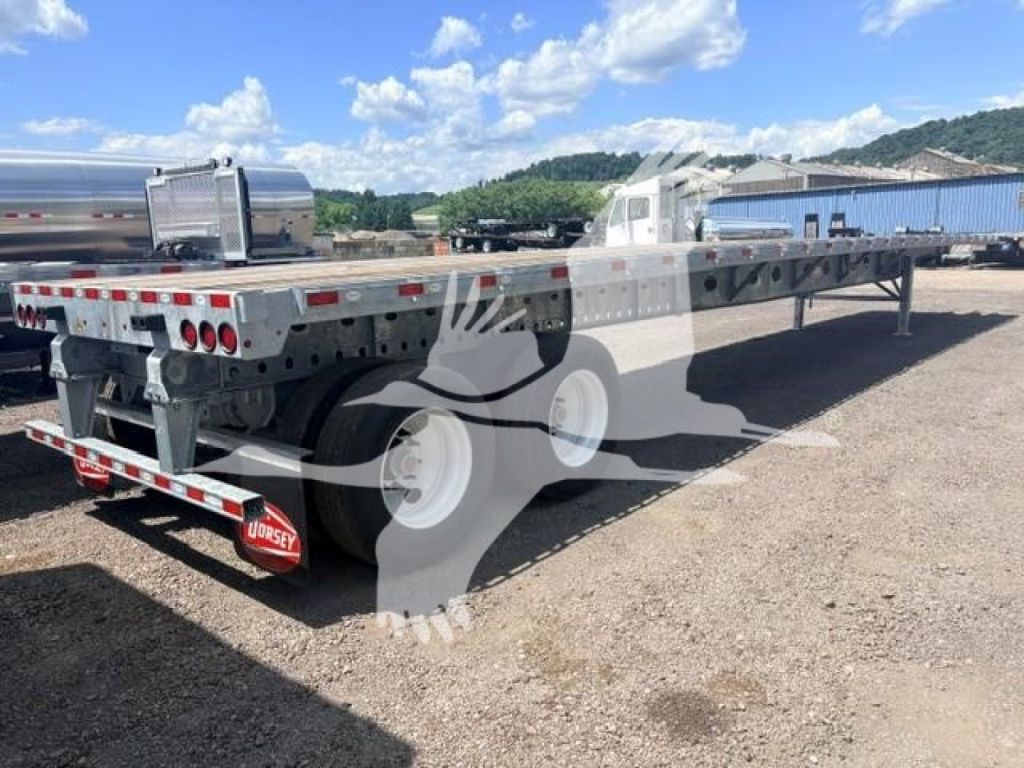
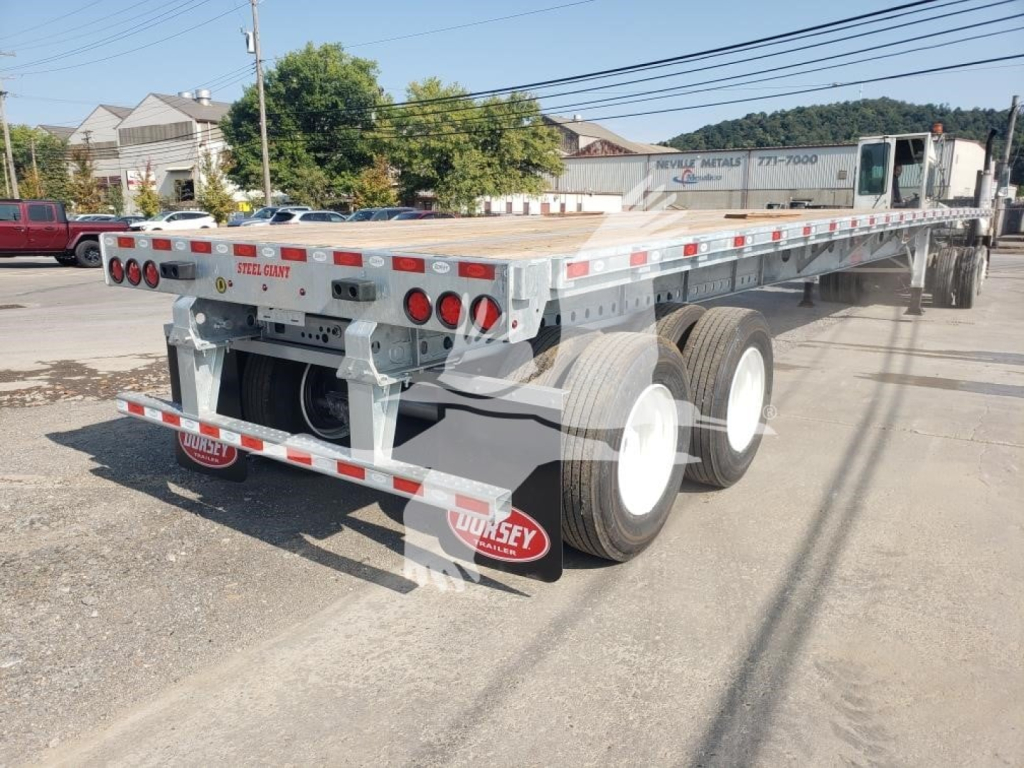
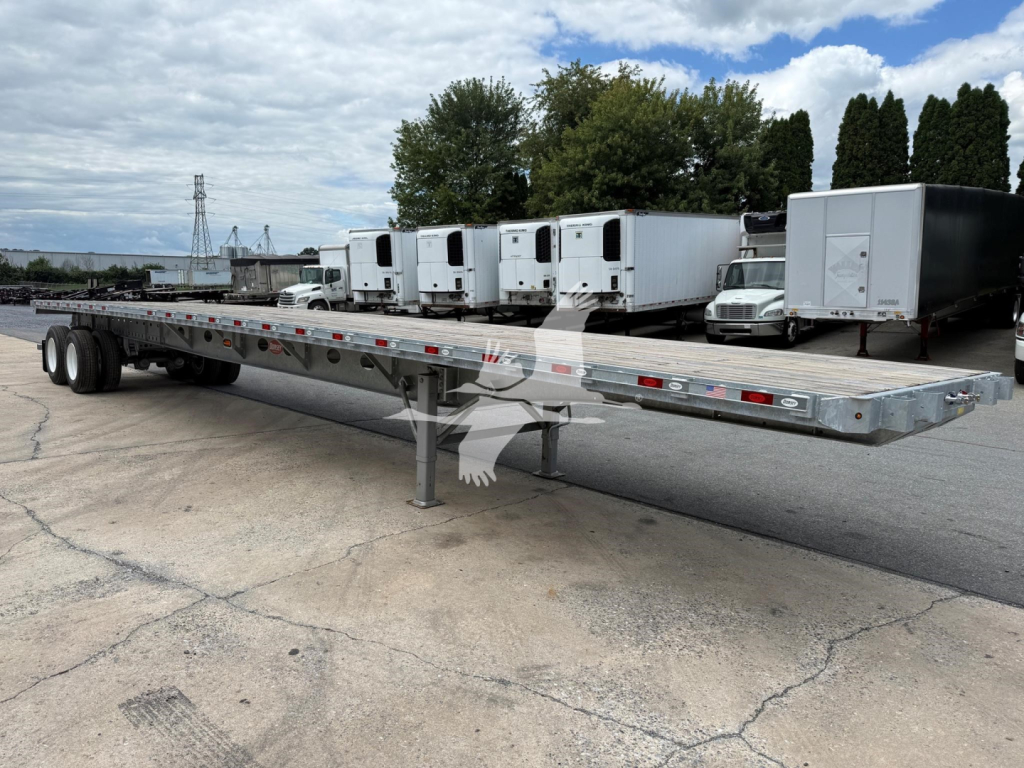
Selling a 2027 dorsey flatbed trailer? List your 2027 dorsey flatbed trailer for sale and reach thousands of commercial buyers.
2027 Dorsey Flatbed Trailers in Pennsylvania
Pay close attention to floor and securement layout because those details drive day-to-day usability. Common Dorsey specs include Apitong wood floors or aluminum floors, full or partial winch tracks, sliding winches, chain tie-down pairs, pipe spools, and coil package provisions with stub crossmembers. Crossmember spacing matters if the trailer will regularly see concentrated forklift traffic or dense steel loads. Many buyers also look for a 30-inch kingpin setting on standard flats, tandem slide settings that help with bridge law compliance, and a side rail design that gives enough strength for frequent strap and chain work. If your freight mix includes coils, lumber, or machinery, securement hardware and deck configuration should be considered before tare weight.
Suspension choice is another major buying point. Spring ride is still valued for simplicity, lower upfront cost, and durability in rugged service, while air ride is preferred for more sensitive freight and better ride quality. On Dorsey flats, sliding tandems around the 49-inch range and tandem spreads configured for 10-foot or similar settings are common, depending on trailer type and intended operating region. Typical GVWR is 80,000 pounds, but what matters in practice is the trailer's empty weight, axle rating, and how the spec supports legal payload in your lanes. Tire size, wheel material, landing gear brand, and lighting package may sound secondary, but they affect uptime, serviceability, and long-term operating cost.
Some buyers shopping this category are also comparing standard flatbeds to combo drop decks from the same manufacturer. A flatbed keeps the deck simple and versatile for freight that does not require lower deck height, while a drop deck helps with taller loads and different loading angles. For a standard Dorsey flatbed, focus on frame material, floor type, suspension, tandem slide, coil capability, and winch track layout. Those are the specs that most directly affect payload, cargo securement speed, and how well the trailer matches your freight profile in Pennsylvania and across multi-state lanes.
Frequently Asked Questions about 2027 Dorsey Flatbed Trailers in Pennsylvania
What is the difference between a Dorsey steel flatbed and a Dorsey combo flatbed?
A steel flatbed uses more steel in the frame and structure, which generally increases durability in severe service but also adds tare weight. A combo flatbed blends steel and aluminum components to reduce empty weight and improve payload capacity while still maintaining structural strength where it is needed most. Buyers hauling dense freight every day often compare the tradeoff between maximum durability and lower operating weight.
What deck length is most common for a Dorsey flatbed trailer?
The most common flatbed lengths in this category are 48 feet and 53 feet, with 102-inch overall width as the standard. A 48-foot deck is common in regional and steel-related applications, while a 53-foot flatbed is often chosen for maximizing deck space and accommodating more varied freight. The right length depends on your lane requirements, customer dock practices, and state bridge considerations.
Is spring ride or air ride better on a flatbed trailer?
Spring ride is valued for simplicity, durability, and lower maintenance complexity, especially in harder loading environments. Air ride provides a smoother ride and can be a better fit for freight that is more sensitive to shock and vibration. The better choice depends on the cargo, the roads you run, and how much priority you place on ride quality versus simplicity and repair cost.
What securement features should buyers look for on a Dorsey flatbed?
Important securement features include the winch track layout, number of sliding winches, chain tie-down pairs, pipe spools, side rail strength, and whether the trailer has a coil package. Buyers hauling mixed freight often benefit from full-length or dual-side winch track configurations because they give more flexibility for strap placement. If steel coils or concentrated loads are part of the work, stub crossmembers and coil package specs deserve close attention.
Why does tandem slide and kingpin setting matter on a flatbed trailer?
Tandem slide range and kingpin setting affect axle weight distribution, bridge law compliance, and how easily the trailer can be adjusted for different loads. A common kingpin setting on standard flatbeds is around 30 inches, and many trailers use a sliding tandem to help place weight correctly across the tractor and trailer axles. These dimensions matter because they directly affect legal loading, turning behavior, and compatibility with your tractor setup.