
2027 Dorsey Flatbed Trailers For Sale
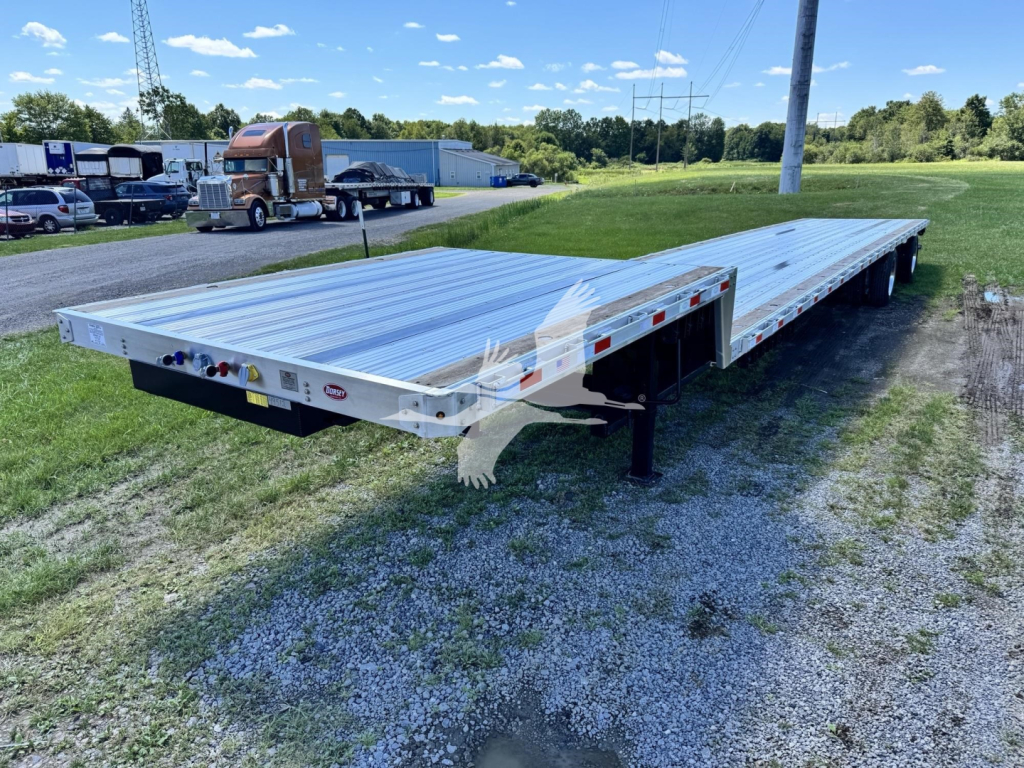
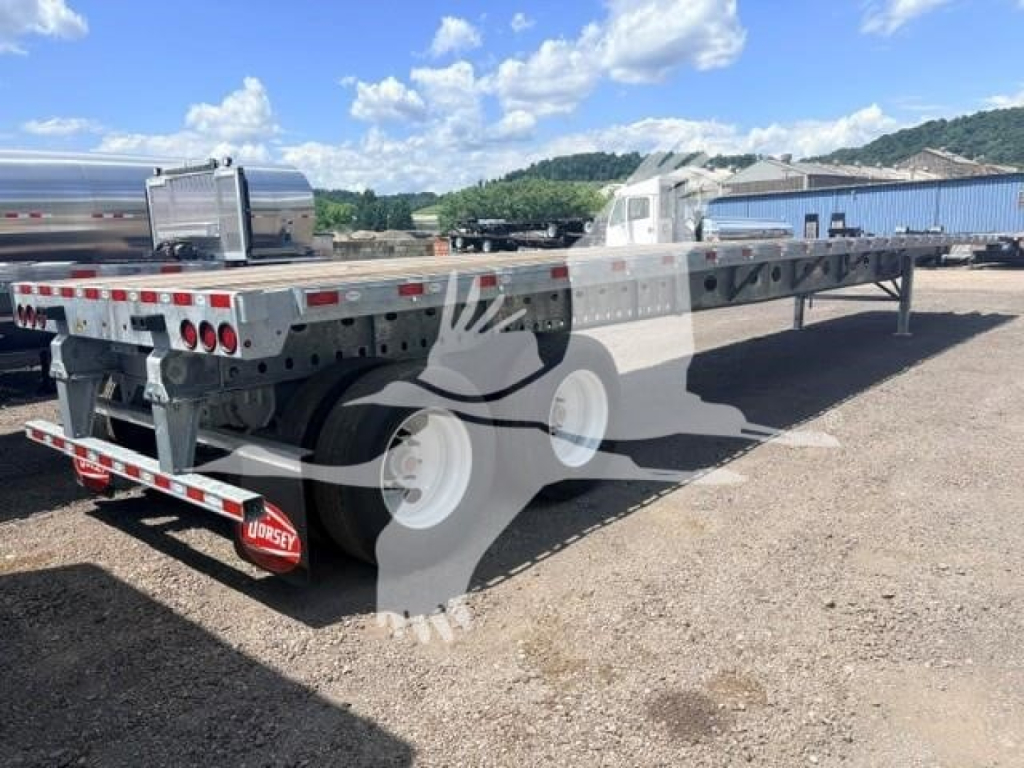
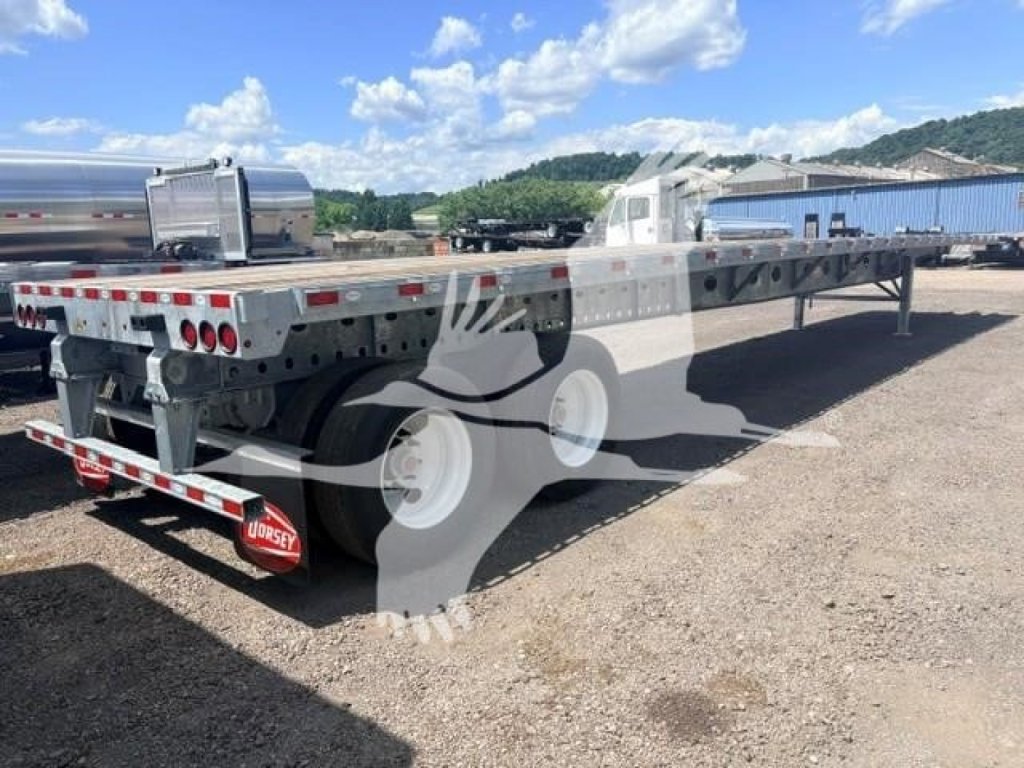
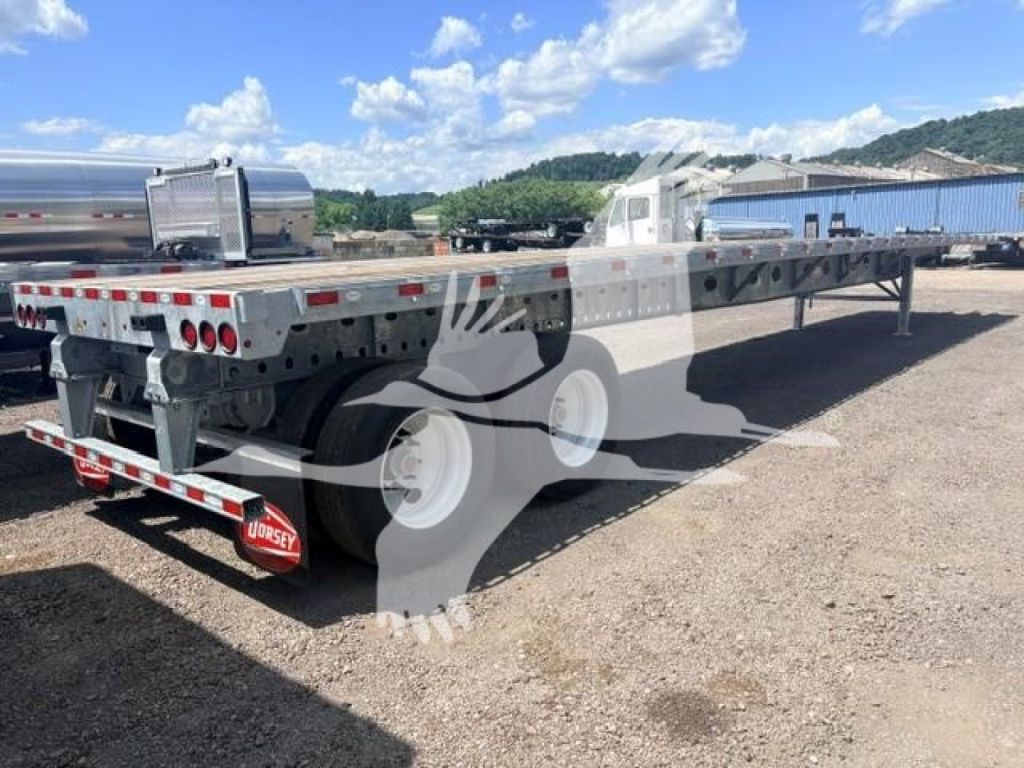
Shop 2027 Dorsey flatbed trailers with specs buyers want, including galvanized steel construction, Apitong floors, sliding tandems, and 80,000 GVWR.
Selling a 2027 dorsey flatbed trailer? List your 2027 dorsey flatbed trailer for sale and reach thousands of commercial buyers.
2027 Dorsey Flatbed Trailers
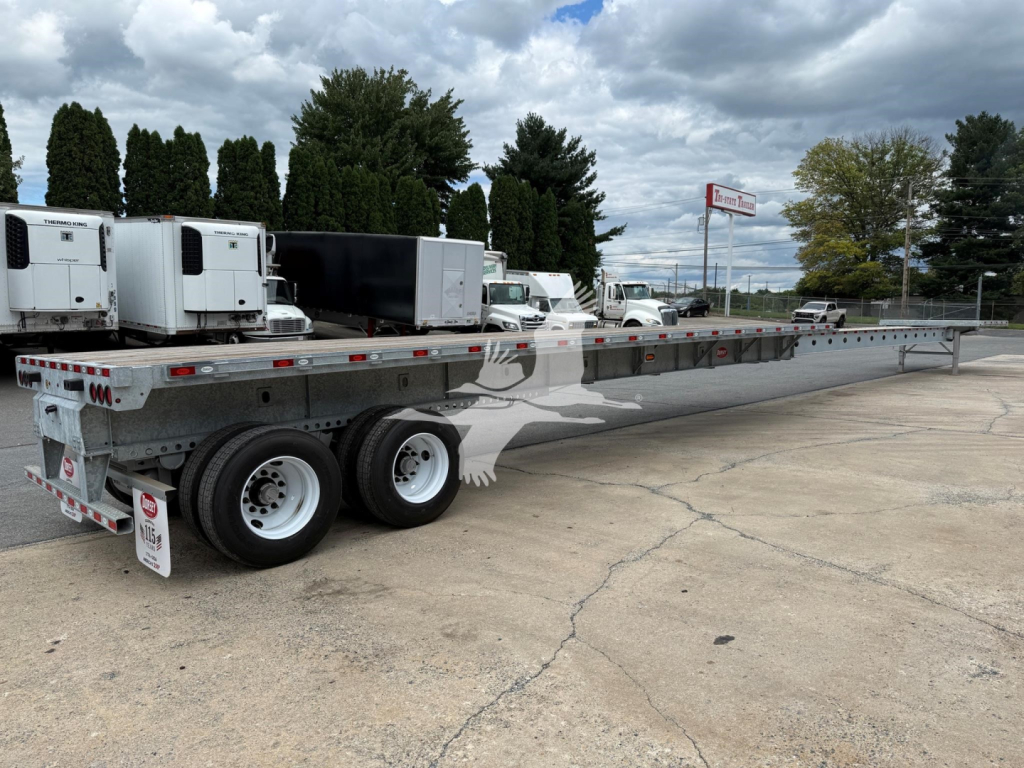
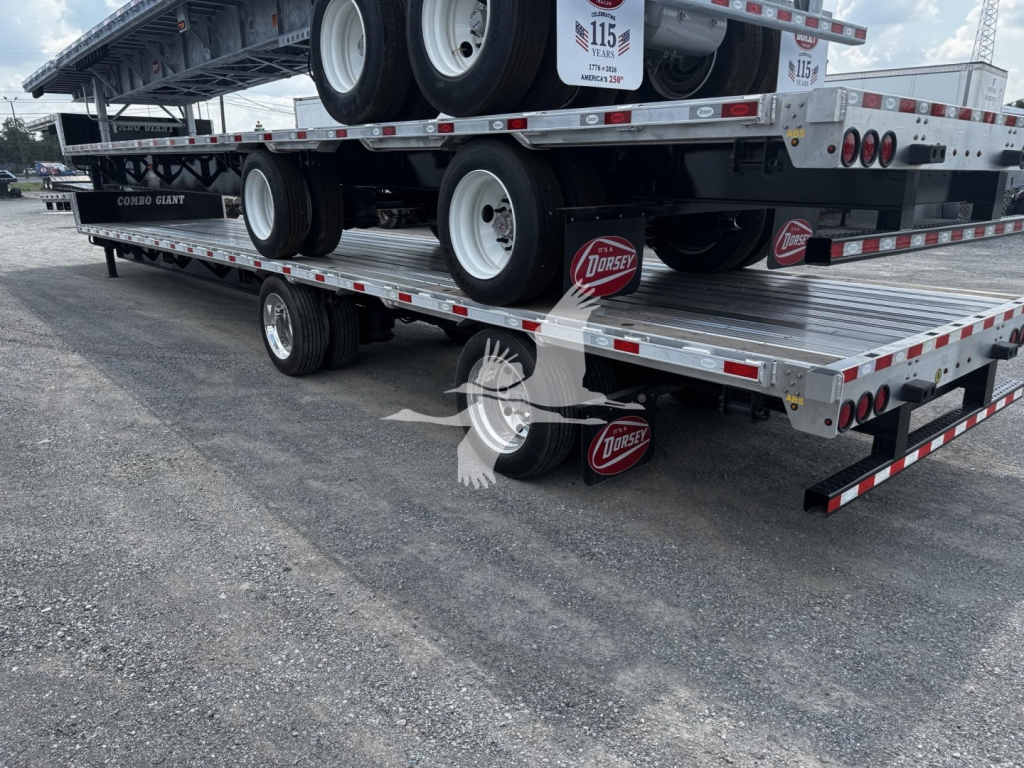
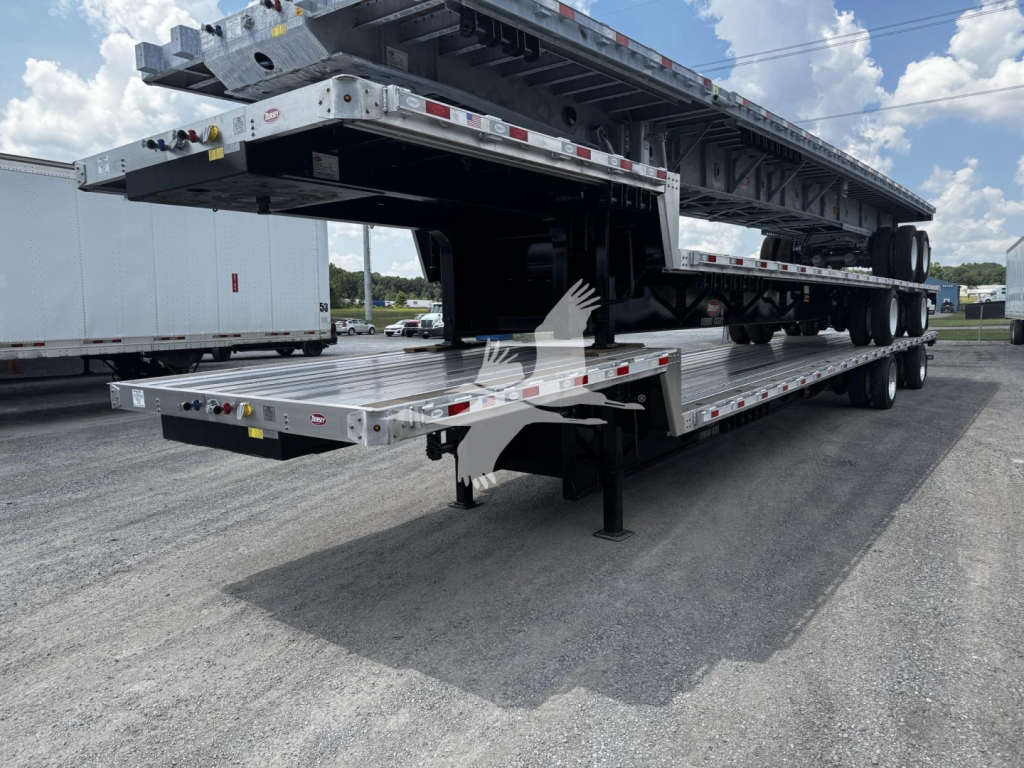
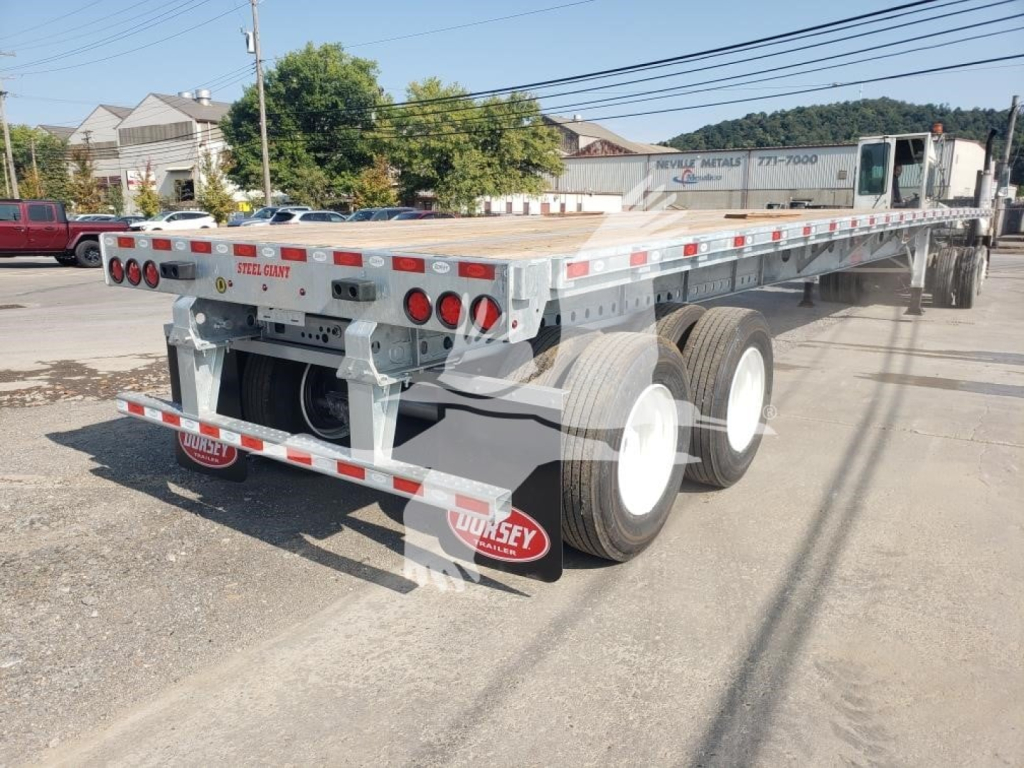
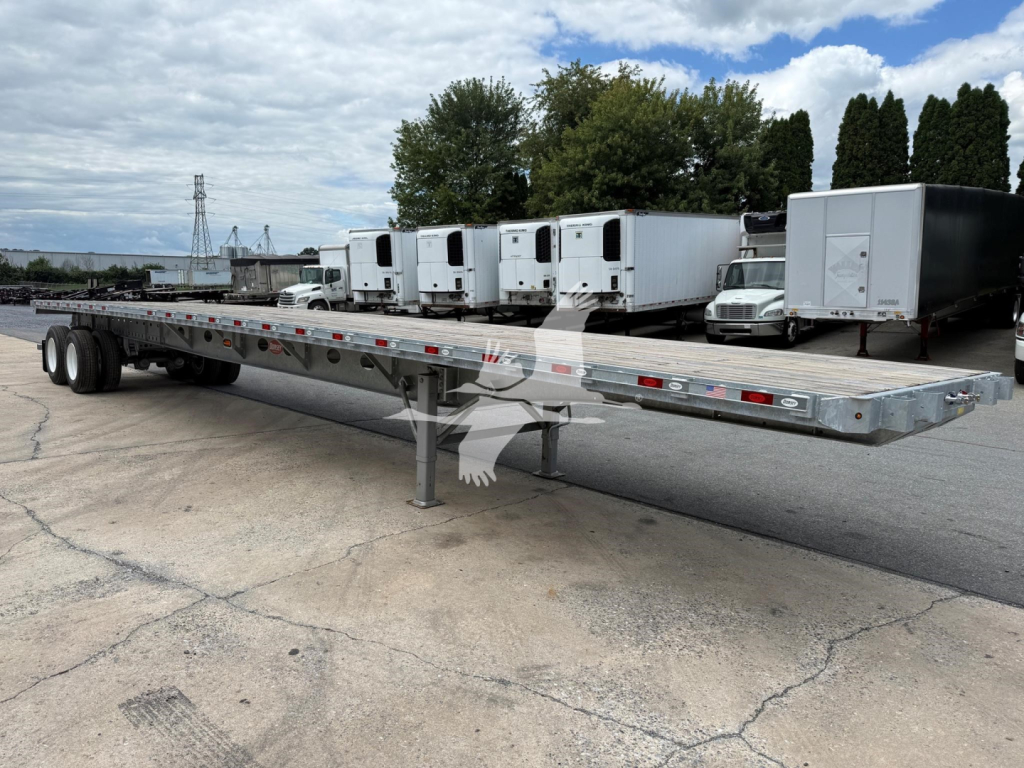
On many Dorsey flatbed trailers, the working spec centers on a steel or galvanized steel frame with an Apitong wood floor, often 1-1/8-inch to 1-5/16-inch thick. Galvanized front and rear members, galvanized side rails, and galvanized crossmembers can be a major advantage for operations running in corrosive climates or on winter-treated roads. Common details include double pipe spools, roadside winch tracks, sliding winches, Jost two-speed landing gear, and 12-inch crossmember spacing. That combination is well suited for steel, machinery, building products, palletized freight, and other open-deck loads that require frequent tie-down points and a floor that stands up to forklift traffic.
Suspension and running gear matter as much as the deck. Many Dorsey flatbeds in this class use spring ride suspensions, hub-piloted steel wheels, and 295/75R22.5 tires. A typical kingpin setting around 30 inches and an 80,000-pound GVWR with 60,000 pounds in 10 feet are common benchmark numbers buyers look for when matching the trailer to their freight mix. If payload is the priority, compare galvanized builds versus painted steel units, and pay attention to trailer weight, crossmember design, and floor thickness. If uptime is the priority, sealed harness systems, grease hubs, and standard service parts can make maintenance simpler across a mixed fleet.
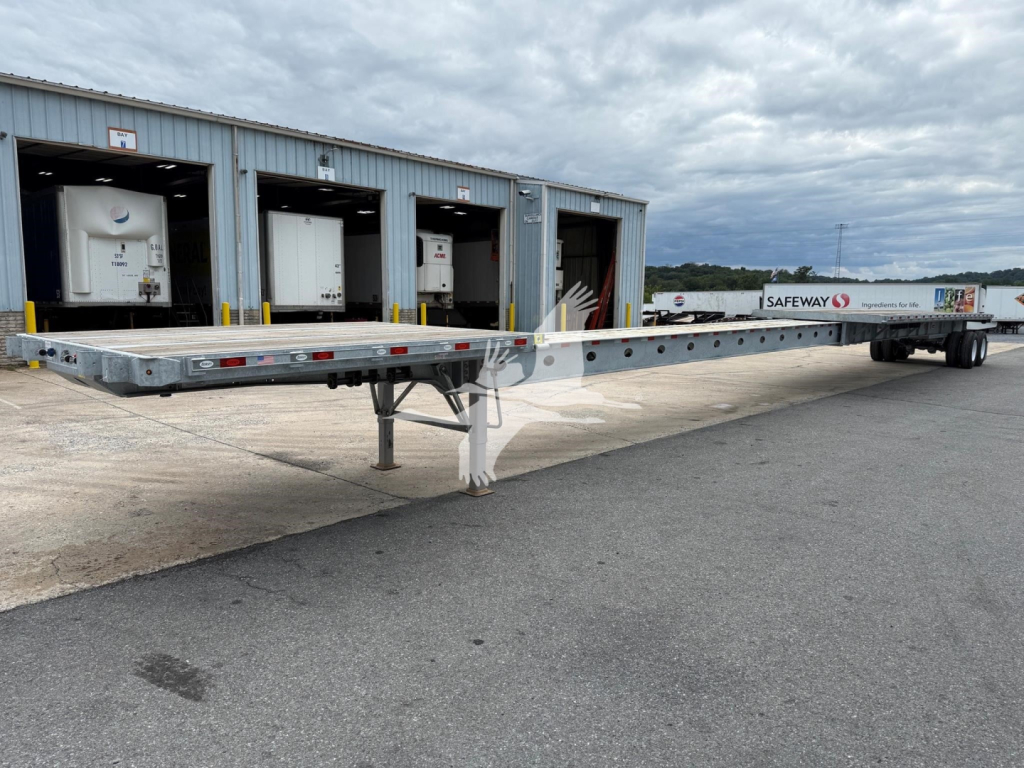
For most buyers, the decision comes down to application. A 48-foot Dorsey flatbed may fit regional or specialized hauling needs, while a 53-foot trailer is often preferred for general freight and maximizing deck space. Look closely at the number of sliding winches, whether the winch track runs full length, lighting layout, side rail construction, and mud flap bracket placement. Those details affect daily usability just as much as headline specs. Dorsey flatbed trailers remain a practical choice for operators who want a conventional open-deck trailer with familiar components, strong securement options, and configurations that are easy to put to work.
Frequently Asked Questions about 2027 Dorsey Flatbed Trailers
What are the most common specs on a 2027 Dorsey flatbed trailer?
Common specs include a 48-foot or 53-foot deck, 102-inch width, tandem axles, spring ride suspension, and a 49-inch sliding tandem. Many are built with Apitong flooring, steel or galvanized steel structural components, a roadside winch track, sliding winches, and an 80,000-pound GVWR. Exact configuration can vary, so buyers should verify deck length, tare weight, crossmember spacing, kingpin setting, and securement equipment against their freight requirements.
Why does galvanized construction matter on a flatbed trailer?
Galvanized steel helps resist corrosion better than painted steel alone, which can be important for fleets operating in northern states, coastal regions, or any area where trailers are exposed to road salt and moisture. On a flatbed, galvanized front and rear members, side rails, and crossmembers can help preserve structural condition and appearance over time. For buyers focused on lifecycle cost and resale value, galvanized components are often a meaningful advantage.
Is a spring ride Dorsey flatbed a good fit for general freight?
Yes. Spring ride remains a common and proven suspension choice for general flatbed work because it is durable, relatively simple to maintain, and widely understood by fleet shops and owner-operators. It is often used for hauling steel, lumber, machinery, and palletized loads. Buyers should still consider route conditions, cargo sensitivity, and maintenance preferences when comparing spring ride to air ride alternatives in the broader flatbed market.
What should buyers check on the securement setup of a Dorsey flatbed?
The securement setup should match the freight you haul most often. Important items include whether the trailer has a full-length roadside winch track, how many sliding winches are installed, the presence of double pipe spools, side rail strength, and overall deck condition. These details affect how quickly a driver can secure different load sizes and shapes, and they can reduce the need for aftermarket modifications after purchase.
How important is the sliding tandem on a flatbed trailer?
A sliding tandem is important because it allows the driver to shift axle position to help meet bridge laws, improve load distribution, and adapt to different state requirements. A 49-inch sliding tandem is a common spec on Dorsey flatbeds and gives buyers useful flexibility for legal scaling. For carriers hauling varied freight or running multi-state lanes, tandem adjustment is often a core feature rather than a minor option.