
Pneumatic - Dry Bulk Trailers For Sale in Ohio
Shop pneumatic dry bulk trailers for cement, lime, sand, and powder hauling. Compare capacities, hopper setups, aluminum builds, and specs.
Selling a pneumatic - dry bulk trailer? List your pneumatic - dry bulk trailer for sale and reach thousands of commercial buyers.
Pneumatic - Dry Bulk Trailers in Ohio
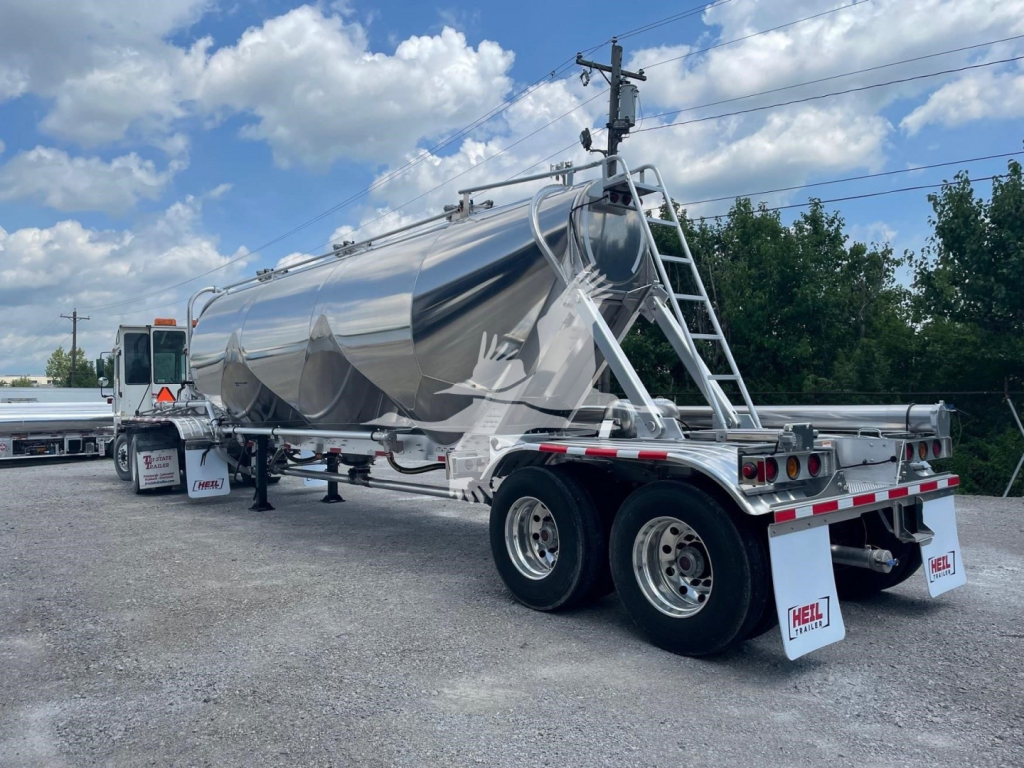
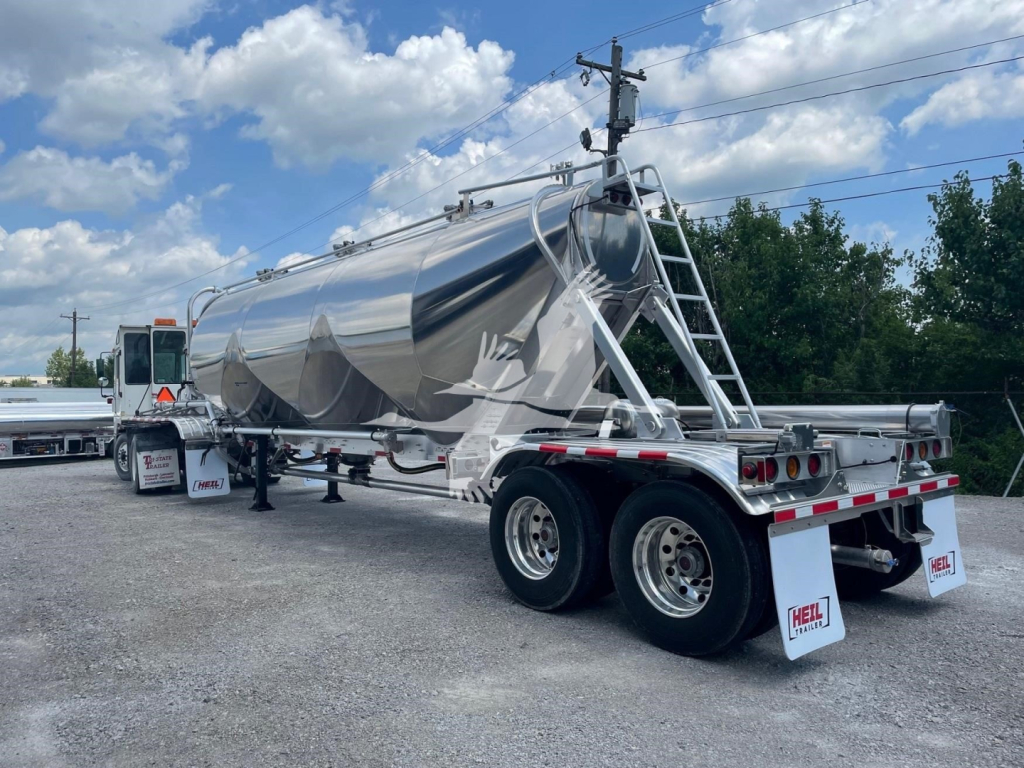
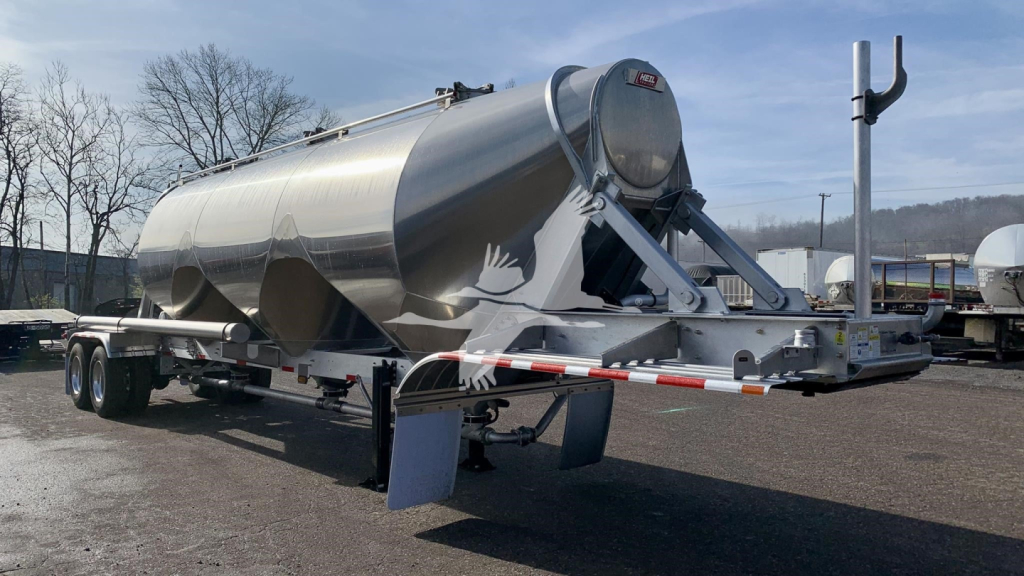
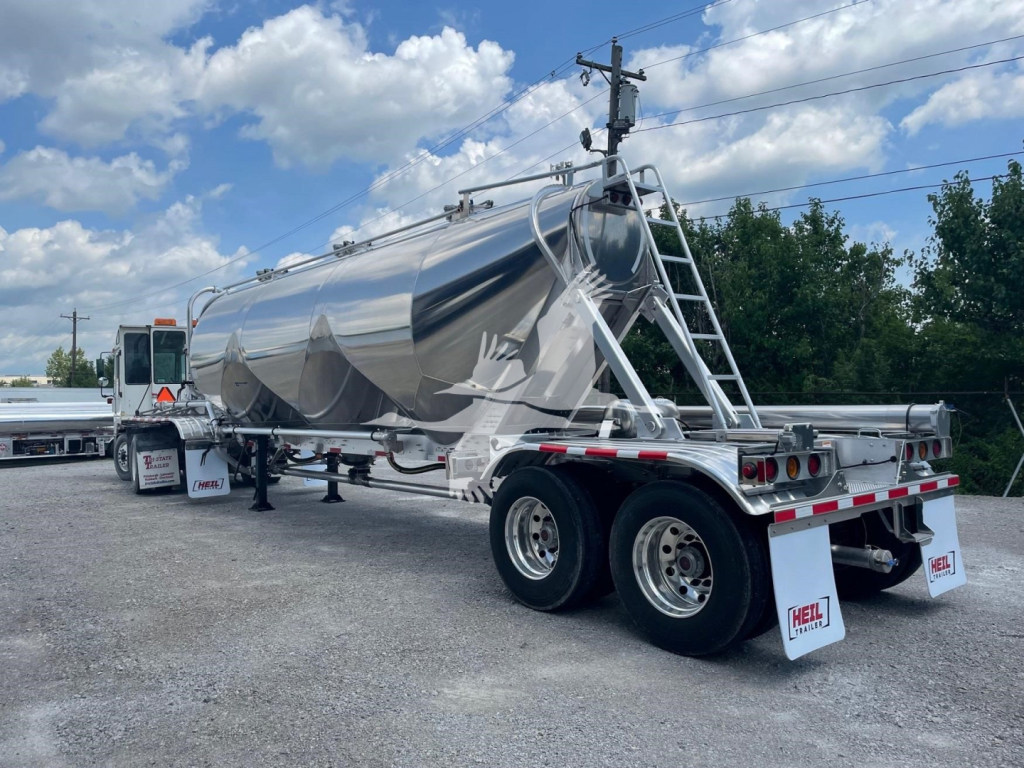
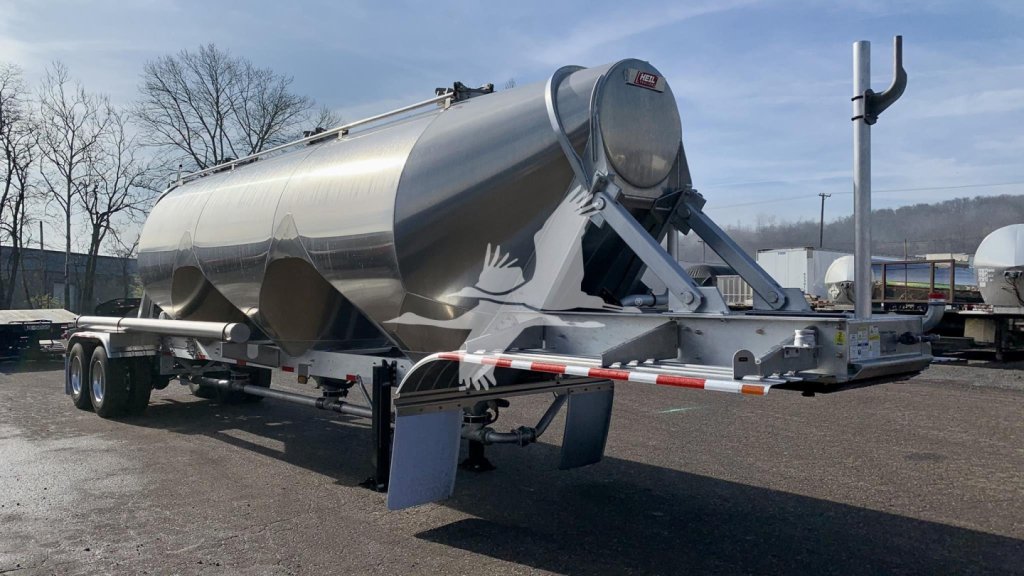
Construction details matter because they directly affect tare weight, corrosion resistance, and long-term maintenance. Aluminum barrel construction is common on dry bulk pneumatics because it helps maximize payload while resisting product-related corrosion. Buyers should still look closely at where steel may be used, including end frames, struts, discharge sections, hangers, and tees. Mixed-material trailers can be perfectly serviceable, but the discharge piping and valve area tend to see hard wear. A three-hopper layout with aeration cones or fluidizing pads is typical for cement service because it promotes product flow to the sump and helps maintain efficient unloading. Rear discharge under the axles is also a common setup, and 5-inch butterfly product valves are widely used for metered control at the outlet.
Suspension and axle configuration deserve as much attention as the tank itself. Tandem axle trailers with air ride suspension remain the standard for on-highway bulk hauling, and a 49-inch tandem setting is common. Raised center axle suspension packages can improve maneuverability and reduce tire scrub in certain operations. Tire size on this class is often 11R22.5, and wheel material can vary between aluminum and steel depending on weight targets and budget. Kingpin setting, landing gear condition, brake wear, and bushing life are especially important on used units, because bulk service puts repeated stress into the trailer during loading, unloading, and plant maneuvering.
A buyer should also evaluate the unloading system as carefully as the barrel. Piping material, tees, hose tube length, pressure rating, manhole count, and gauge placement all affect day-to-day use. Aeration design and airtight integrity are critical, since even a well-built pneumatic trailer will underperform if valves leak or the plumbing has excessive wear. In Ohio and across the Midwest, these trailers are commonly spec'd for construction materials and industrial powders, so cold-weather operation, plant access, and serviceability all matter. The right pneumatic dry bulk trailer is the one that matches your commodity density, unload method, route weights, and maintenance tolerance, not just the highest cubic foot number on the listing.
Frequently Asked Questions about Pneumatic - Dry Bulk Trailers in Ohio
What products are pneumatic dry bulk trailers designed to haul?
Pneumatic dry bulk trailers are designed for dry, flowable commodities that can be unloaded with compressed air. Common products include cement, fly ash, lime, sand, talc, flour, and plastic resin. The exact trailer spec should match the commodity, because product density, abrasiveness, and moisture sensitivity all affect the ideal barrel material, hopper design, aeration system, and discharge plumbing.
What is a common size for a cement pneumatic trailer?
A very common cement trailer size is around 1,000 to 1,040 cubic feet in a 42-foot tandem axle configuration. That size works well because cement is dense, so operators usually hit legal gross weight before they use every cubic foot of space. Larger capacity can be useful for lighter powders, but for cement and similar heavy materials, tare weight and legal payload often matter more than raw volume.
Why does aluminum construction matter on a dry bulk trailer?
Aluminum construction reduces trailer tare weight, which helps increase payload and improve corrosion resistance. On pneumatic dry bulk trailers, buyers often look for an aluminum barrel, aluminum piping, and aluminum tees to keep weight down and reduce rust-related maintenance. It is still important to inspect wear points closely, especially in the discharge area, because even aluminum systems can suffer abrasion from cement, sand, and other harsh materials.
What should I inspect first on a used pneumatic dry bulk trailer?
Start with the barrel, hoppers, discharge plumbing, and valves, because airtight unloading performance is the heart of the trailer. Check for worn tees, patched piping, leaking valves, compromised aeration components, and signs of barrel damage or repairs. After that, inspect suspension condition, axle alignment, brakes, tires, kingpin wear, landing gear, and the overall state of the frame and substructure. A trailer can look acceptable externally but still have costly unloading system issues.
How important is hopper and aeration design on a pneumatic trailer?
Hopper and aeration design are critical because they determine how completely and efficiently the product unloads. Three-hopper designs are common on cement trailers because they help channel material to the discharge point while fluidizing systems such as aeration cones assist product flow. Poor aeration performance can leave heel in the tank, lengthen unload time, and increase compressor demand, so this part of the spec has a direct effect on daily productivity.