
Heil Pneumatic - Dry Bulk Trailers For Sale in Ohio
Shop Heil pneumatic dry bulk trailers, including Cementer models built for cement, fly ash, lime, sand, and other dry bulk hauling jobs.
Selling a heil pneumatic - dry bulk trailer? List your heil pneumatic - dry bulk trailer for sale and reach thousands of commercial buyers.
Heil Pneumatic - Dry Bulk Trailers in Ohio
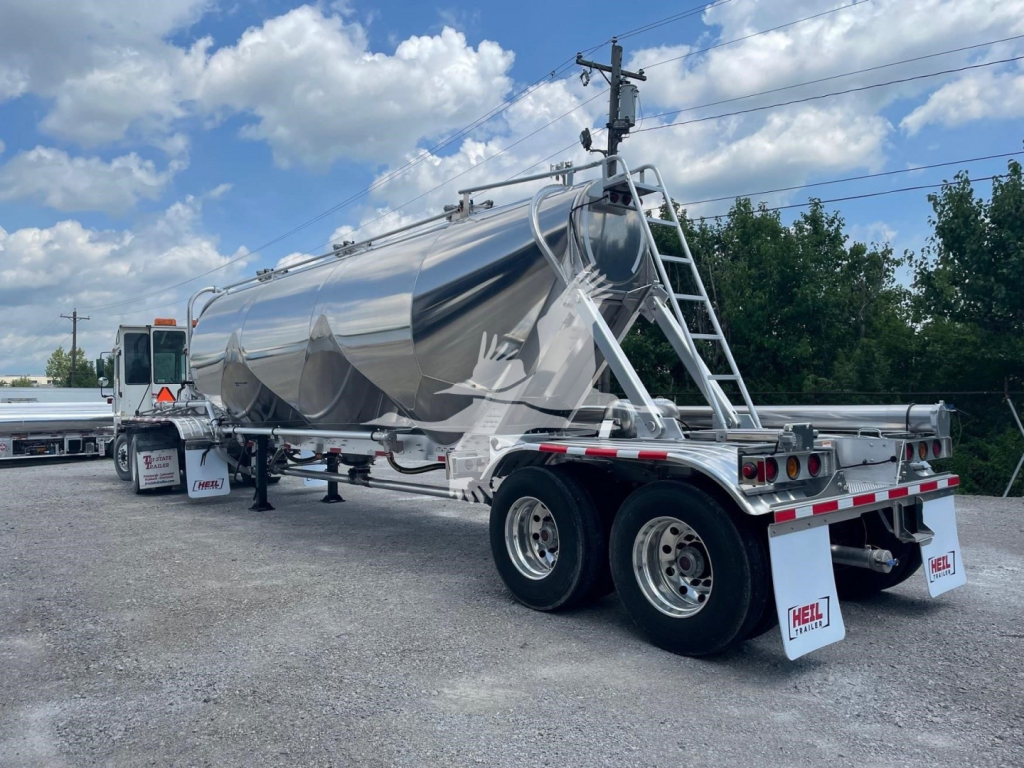
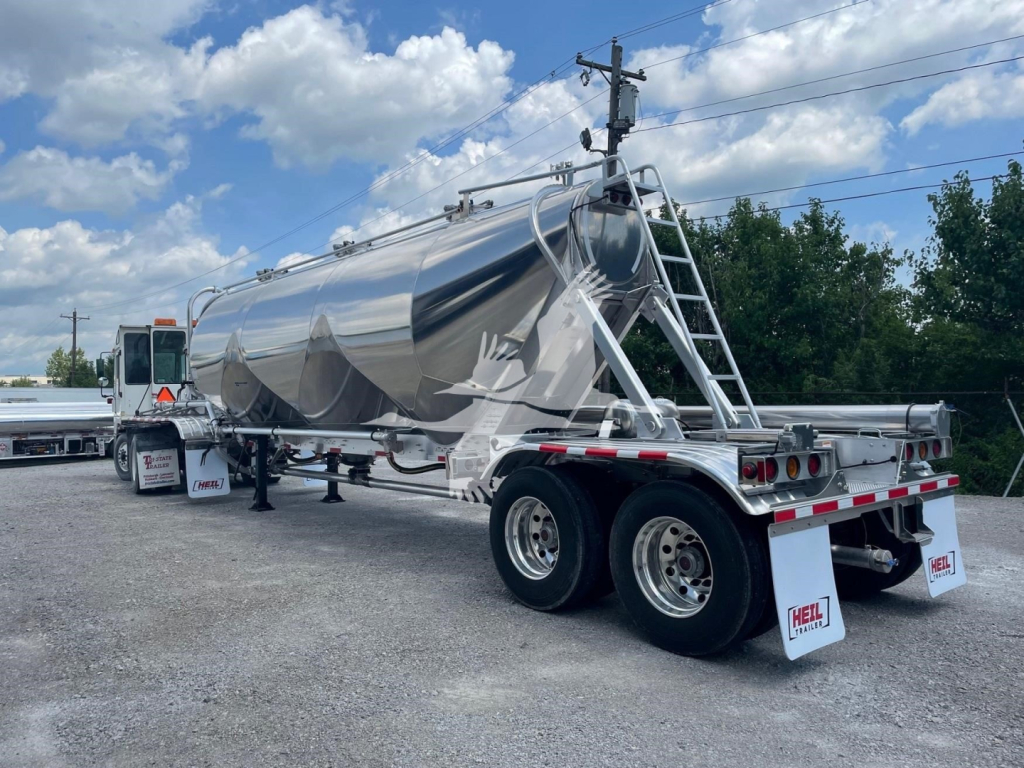
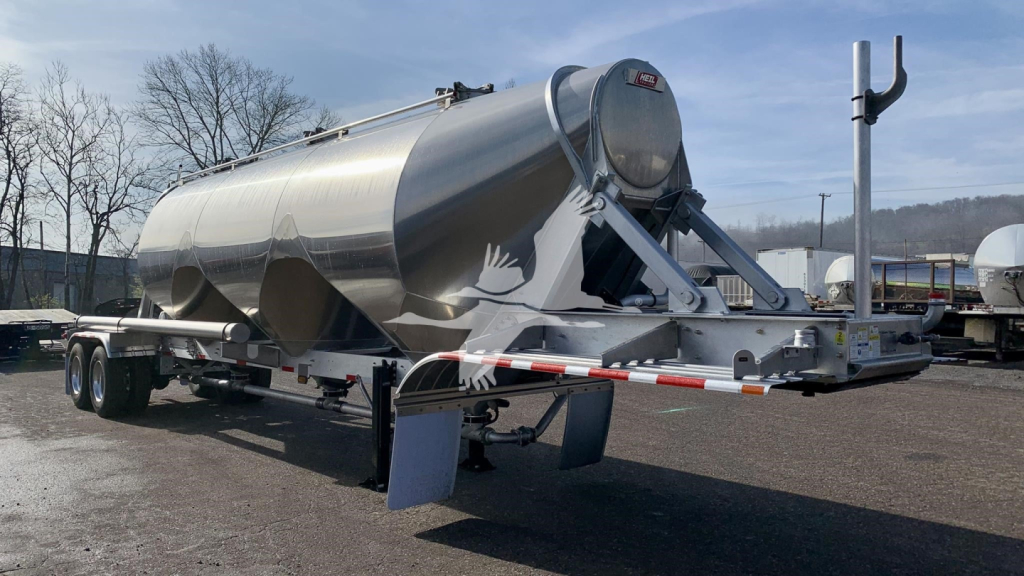
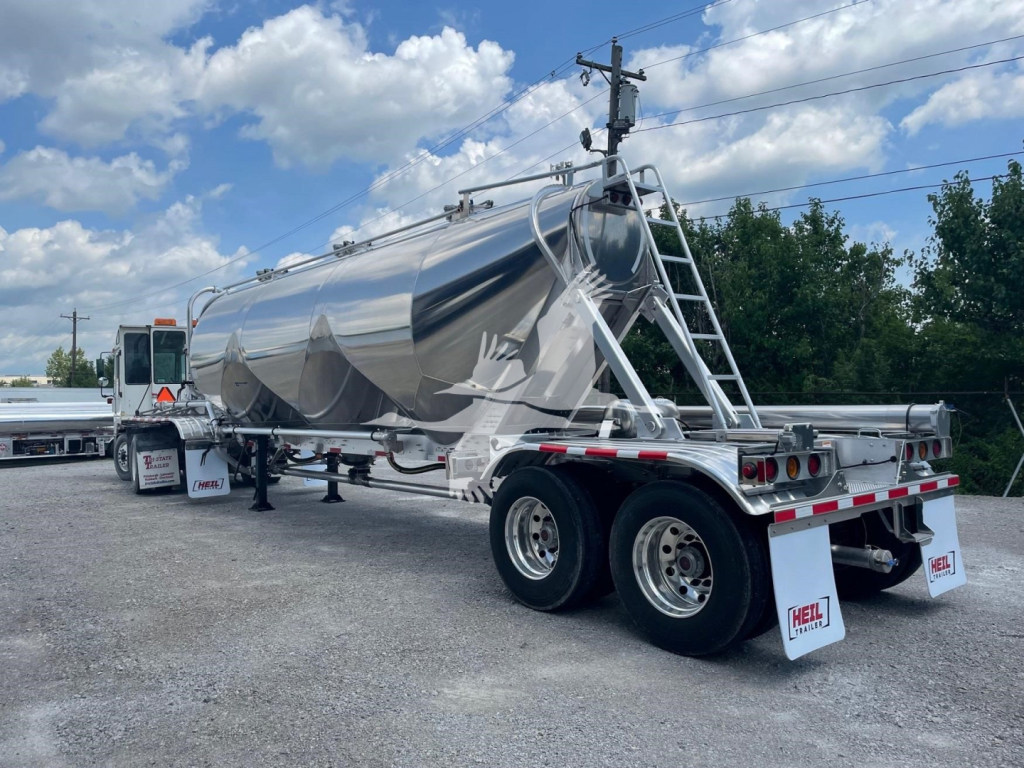
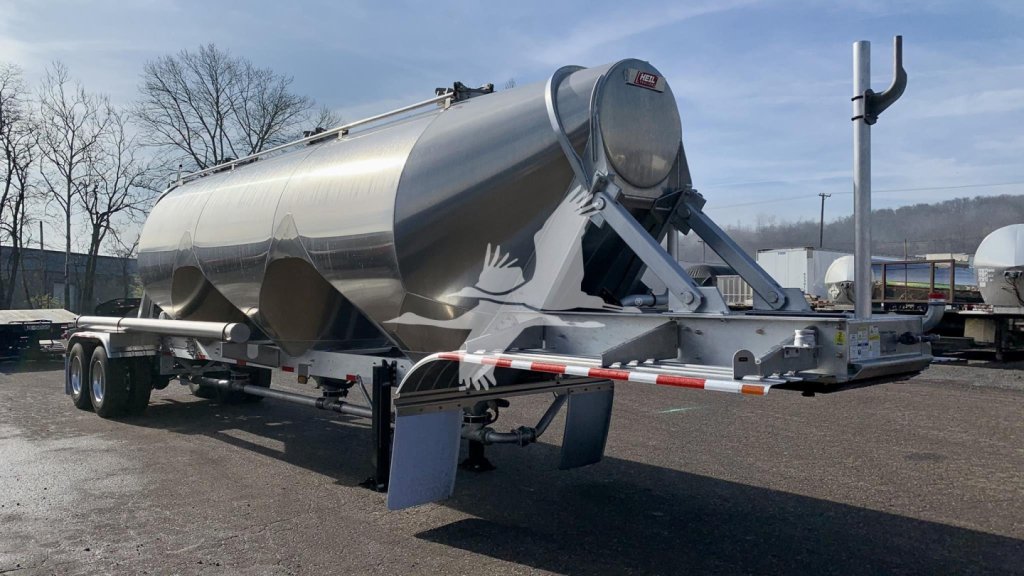
A typical Heil pneumatic trailer in this class uses an aluminum tank with multiple hoppers, commonly a three-hopper configuration, and capacities around the 1,000 cubic foot range. That setup fits many cement and construction-material applications because it balances payload with manageable overall length, often around 42 feet. Buyers should pay close attention to barrel material, hopper design, aeration system, and discharge plumbing. Features like Flo Cones, aluminum piping, quality butterfly valves, and a rear discharge arrangement under the axles all affect how smoothly the product unloads and how much maintenance the system will need over time. Manhole count, hose tube storage, and gauge placement also matter in daily use, especially when drivers are working tight plant yards or jobsite deliveries.
Running gear choices are just as important as tank spec. Tandem axle air ride suspension is common on Heil dry bulk trailers, often paired with a 49-inch tandem setting and 11R22.5 rubber. That combination is familiar, serviceable, and well suited for regional bulk work in states like Ohio where a trailer may see a mix of highway miles, plant traffic, and uneven jobsite access. Aluminum wheels, galvanized hangers, aluminum end frames, and aluminum fenders can all help with corrosion resistance and weight control. Buyers comparing listings should look closely at actual tare weight, suspension brand, landing gear, and whether the trailer has raised-center axle configuration, since those details affect payload, tire wear, and stability under varying load conditions.
The right Heil pneumatic dry bulk trailer depends on commodity, haul length, and unloading method. Cement and fly ash fleets often prioritize low weight, dependable aeration, and durable valve packages. Sand or heavier products may push buyers to focus more on capacity-to-weight ratio and structural durability. If the work involves frequent plant loading and multiple daily unloads, practical details like ladder location, work lights, cabinet access, and hose storage become more important than they look on paper. For most buyers, the best comparison points in this category are cubic capacity, hopper count, discharge configuration, suspension spec, and tare weight, because those are the details that directly affect payload, unload speed, and long-term operating cost.
Frequently Asked Questions about Heil Pneumatic - Dry Bulk Trailers in Ohio
What is a Heil pneumatic dry bulk trailer commonly used for?
A Heil pneumatic dry bulk trailer is commonly used to haul powdered and granular materials that unload with air pressure, such as cement, fly ash, lime, silica, and some sand products. These trailers are designed for closed-system unloading, which helps keep product clean and allows delivery into storage silos or pneumatic receiving systems. The exact commodity mix depends on the trailer’s cubic capacity, hopper design, and plumbing specification.
How do I choose the right cubic capacity for a pneumatic dry bulk trailer?
The right cubic capacity depends on the material’s density and the legal payload you want to carry. Dense products like cement usually call for a smaller cubic foot trailer than lighter materials because the load will gross out before the tank cubes out. A trailer around 1,000 to 1,040 cubic feet is a common choice for cement applications because it provides useful volume without giving up too much payload to excess trailer size.
Why does tare weight matter so much on a Heil Cementer trailer?
Tare weight directly affects payload, and payload is a major part of profitability in dry bulk hauling. A lighter aluminum barrel and aluminum components can allow more legal product weight on every trip, especially in dense commodity applications like cement and lime. Lower tare weight also helps fleets that run frequent short hauls where every additional ton delivered per load improves revenue and efficiency.
What should I inspect on a used pneumatic dry bulk trailer before buying?
A buyer should inspect the barrel, hopper welds, piping, aeration system, valves, manhole seals, suspension, landing gear, and discharge plumbing. Air leaks, worn valves, cracked welds, and damaged cones can create unloading problems and expensive downtime. It is also important to check for corrosion on steel support components, condition of hose tubes and cabinets, tire wear patterns, and any signs that the trailer has hauled abrasive products that may have accelerated internal wear.
Is a two-axle Heil pneumatic trailer a good fit for regional bulk hauling?
A two-axle Heil pneumatic trailer is a strong fit for many regional bulk operations because it keeps the chassis simpler, controls empty weight, and remains easy to maneuver in plants and jobsites. Tandem axle air ride setups are widely used and easy to service, which is a plus for fleets that need predictable maintenance. The best fit still depends on commodity density, state bridge laws, and how often the trailer will operate on rough access roads or tight delivery points.