
Wabash Trailers For Sale in Ohio
Shop Wabash trailers for sale in Ohio, including flatbed and combo designs with air ride suspension, axle slides, Apitong floors, and 53-foot specs.
Selling a wabash trailer? List your wabash trailer for sale and reach thousands of commercial buyers.
Wabash Trailers in Ohio
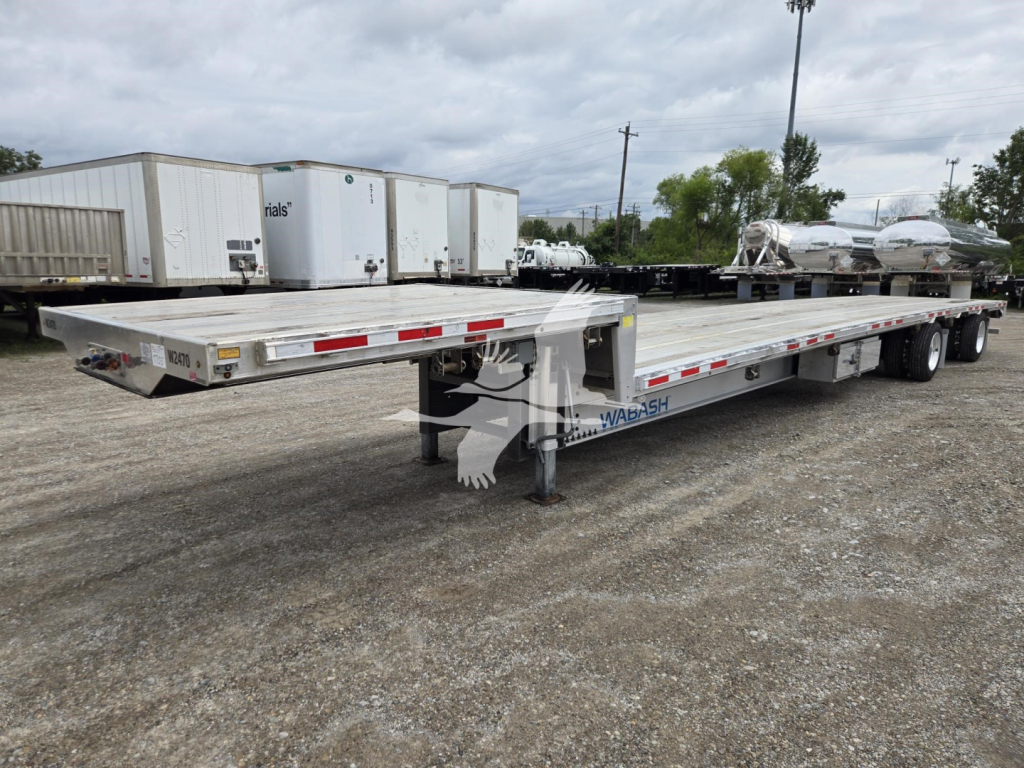
On flatbed models, one of the first buying decisions is all-steel versus combo construction. A steel flatbed usually gives you a rugged platform for concentrated loads and tougher jobsite conditions, but it carries more tare weight. A combo trailer, typically using aluminum components with steel in key structural areas, helps reduce trailer weight and increase legal payload while still holding up well in everyday freight service. Common specs in this class include 102-inch width, tandem axles, air ride suspension, 12-inch crossmember spacing, Jost two-speed landing gear, and 30-inch kingpin settings. Many Wabash flatbeds also show up with Apitong decking or aluminum floors with Apitong nail strips, plus integrated winch tracks, sliding winches, stake pockets, and double pipe spools for securement flexibility.
Axle configuration is another major factor. Buyers comparing Wabash trailers for sale often look closely at spread axle, sliding spread, and rear axle slide setups because bridge law, state compliance, and load placement all depend on it. Air ride suspensions such as Hendrickson INTRAAX are common on this trailer class because they help protect cargo, improve ride quality, and reduce wear in regular highway service. If your freight changes week to week, a sliding rear axle or spread configuration can add needed versatility for weight distribution and regional legal requirements. Tire size, wheel material, mud flap placement, lighting package, and dump valve setup also affect how a trailer performs in daily use and how easy it is to maintain.
For most buyers, the right Wabash trailer comes down to freight type, target payload, and how much flexibility is needed at the dock and on the road. A heavier steel deck may make sense for dense freight and repeated loading abuse. A lighter combo flatbed may pencil out better for carriers chasing every extra pound of payload. Look closely at floor construction, beam rating, securement layout, suspension spec, and axle adjustability before comparing price alone. On a Wabash, those details usually determine how useful the trailer will be over the long haul.
Frequently Asked Questions about Wabash Trailers in Ohio
What types of Wabash trailers are most common on the used and new market?
Wabash is best known for dry vans, refrigerated trailers, and flatbeds, but in many regional markets you will see a strong concentration of 53-foot flatbed and combo flatbed trailers. These trailers are commonly spec'd for general freight, steel, lumber, machinery, and building products. Buyers often find tandem axle layouts, air ride suspensions, Apitong or aluminum flooring, and securement packages with winch tracks, stake pockets, and sliding winches.
What is the difference between a Wabash steel flatbed and a Wabash combo flatbed?
A steel flatbed uses more steel in the trailer structure and is generally heavier, but it is often preferred for severe-duty use and concentrated loads. A combo flatbed mixes aluminum and steel to reduce tare weight while maintaining structural integrity in key stress areas. The lighter combo design can improve legal payload and fuel efficiency, while the steel design may be favored for rugged service and repeated heavy loading.
Why does axle slide configuration matter on a Wabash flatbed trailer?
Axle slide configuration directly affects bridge compliance, load placement, and the ability to adapt to different freight. A sliding spread or sliding rear axle gives the operator more flexibility to position weight legally and efficiently, especially when hauling mixed loads or operating across multiple states. This can be especially important for fleets that need one trailer to cover a wide range of applications instead of a narrow freight profile.
What specs should I check first when comparing Wabash trailers for sale?
Start with trailer length, construction type, axle configuration, suspension, floor material, and beam rating. Then look at crossmember spacing, kingpin setting, wheel and tire package, landing gear brand, and securement features such as winch tracks, pipe spools, and sliding winches. These details have a bigger impact on real-world usability than cosmetic condition alone, especially if the trailer will see regular over-the-road or jobsite work.
Are Wabash trailers a good fit for Ohio freight operations?
Wabash trailers are a practical fit for Ohio operations because they are commonly spec'd for the kind of freight seen across the Midwest, including steel, manufacturing freight, construction materials, and general commodity hauling. Their broad dealer and service familiarity also helps with parts access and maintenance planning. For buyers running regional lanes, a properly spec'd Wabash flatbed with air ride and an adjustable axle setup can be a strong match for both local and interstate work.