
Eager Beaver Trailers For Sale in Ohio
Browse Eager Beaver trailers for sale, including tag and equipment trailers with 20 to 25 ton ratings, beavertails, ramps, and heavy-duty frames.
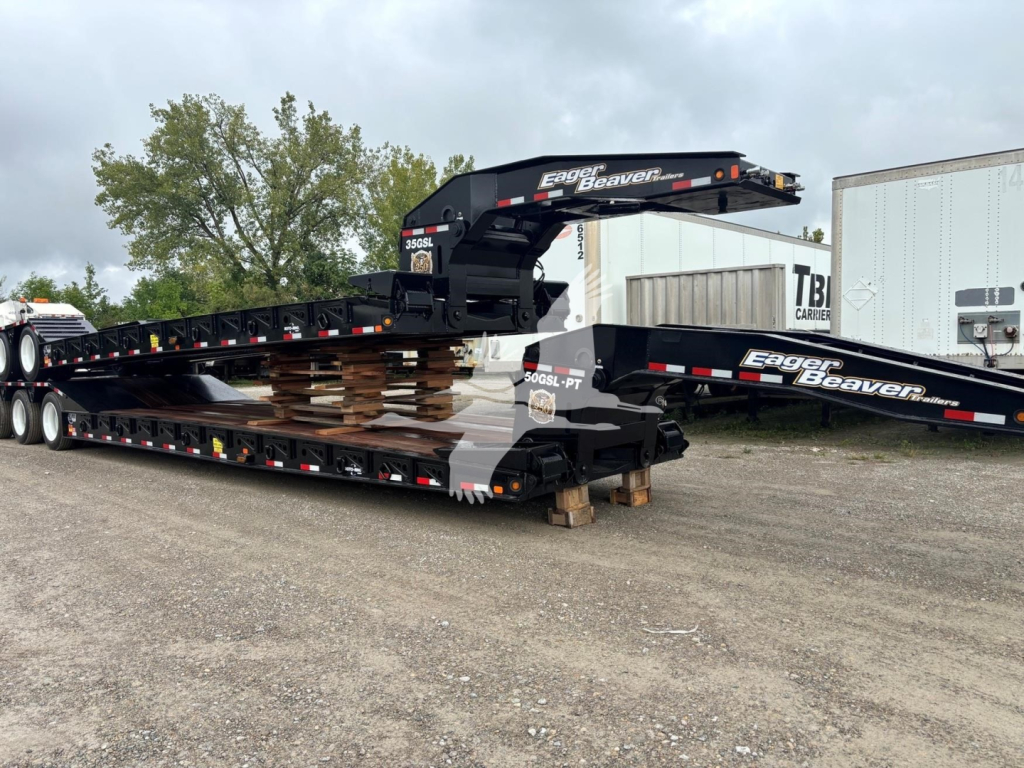
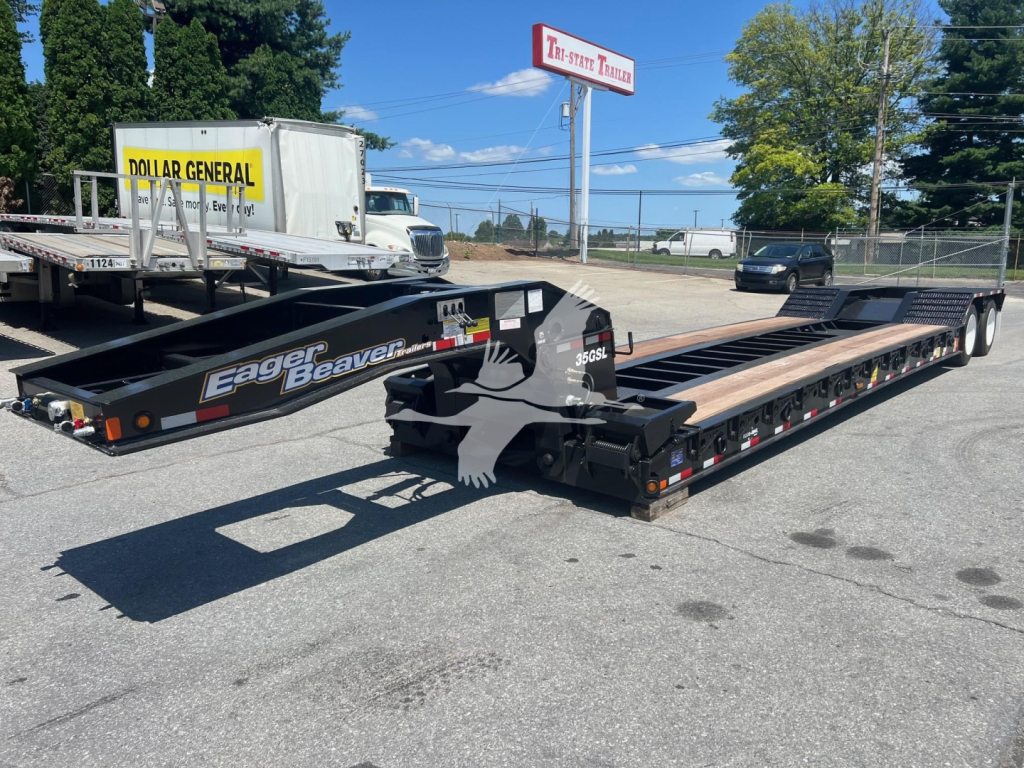
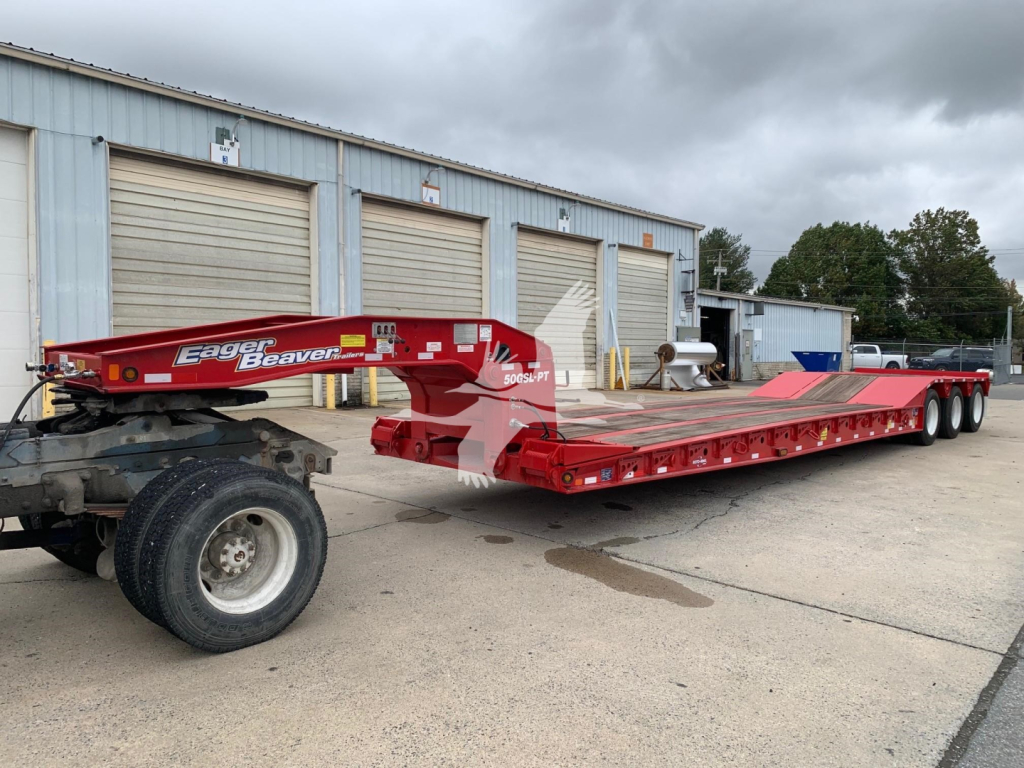
Selling a eager beaver trailer? List your eager beaver trailer for sale and reach thousands of commercial buyers.
Eager Beaver Trailers in Ohio
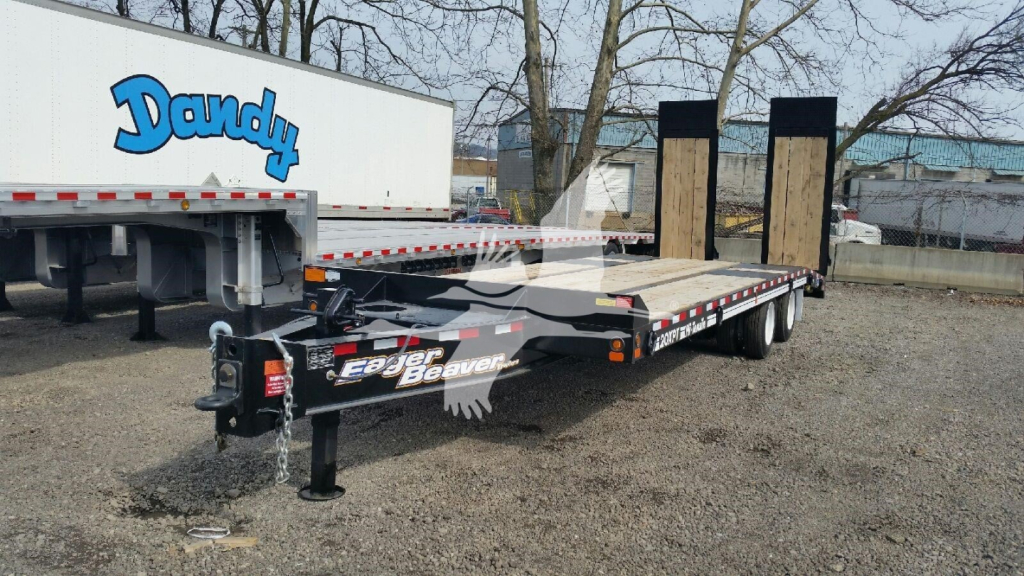
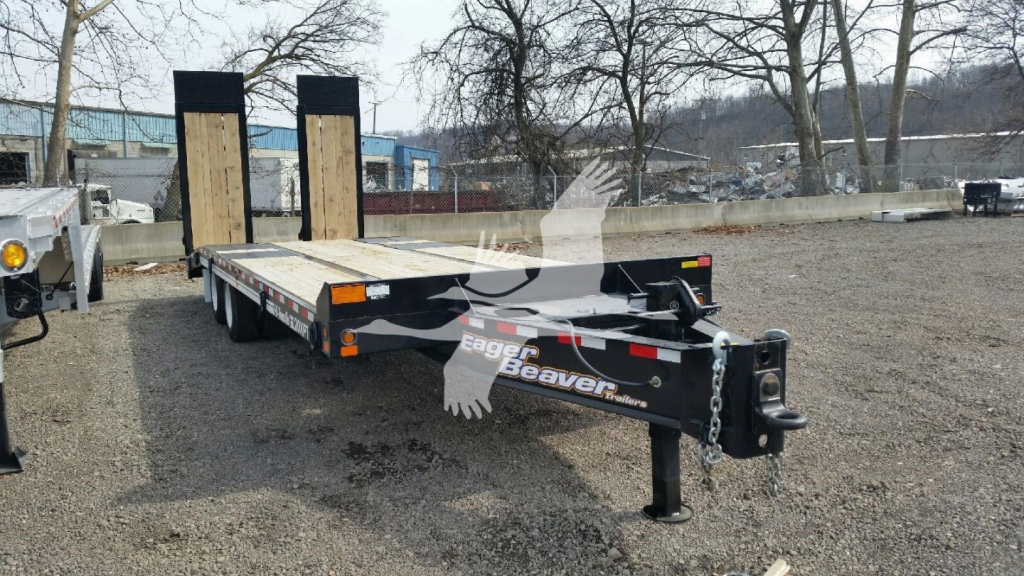
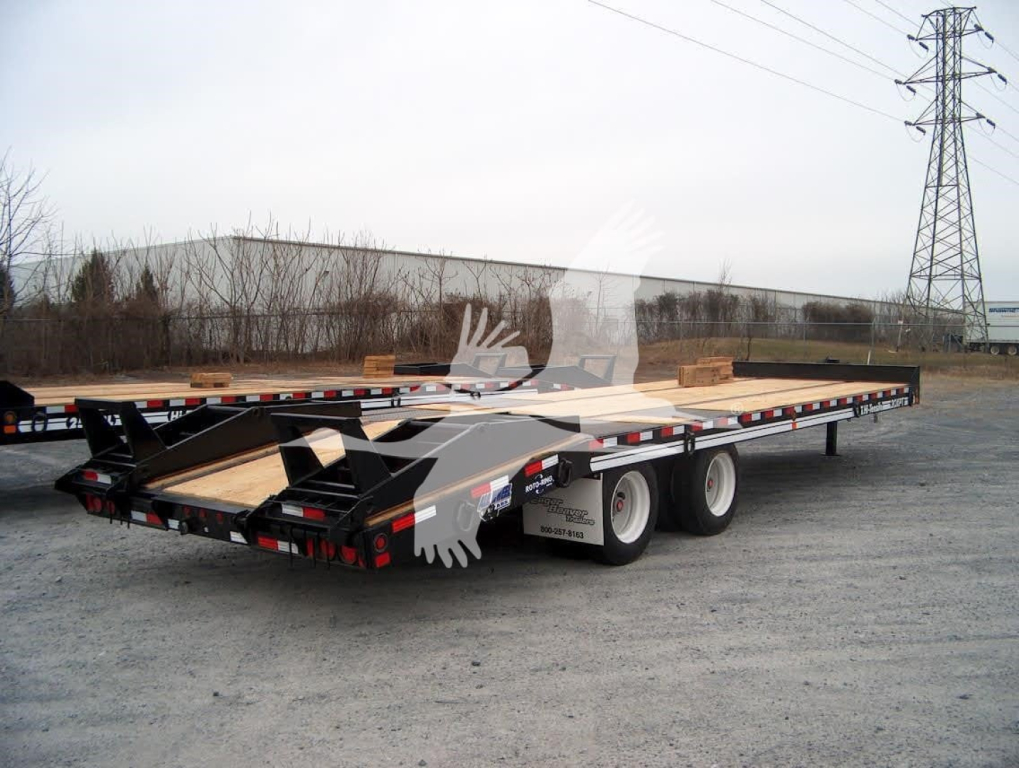
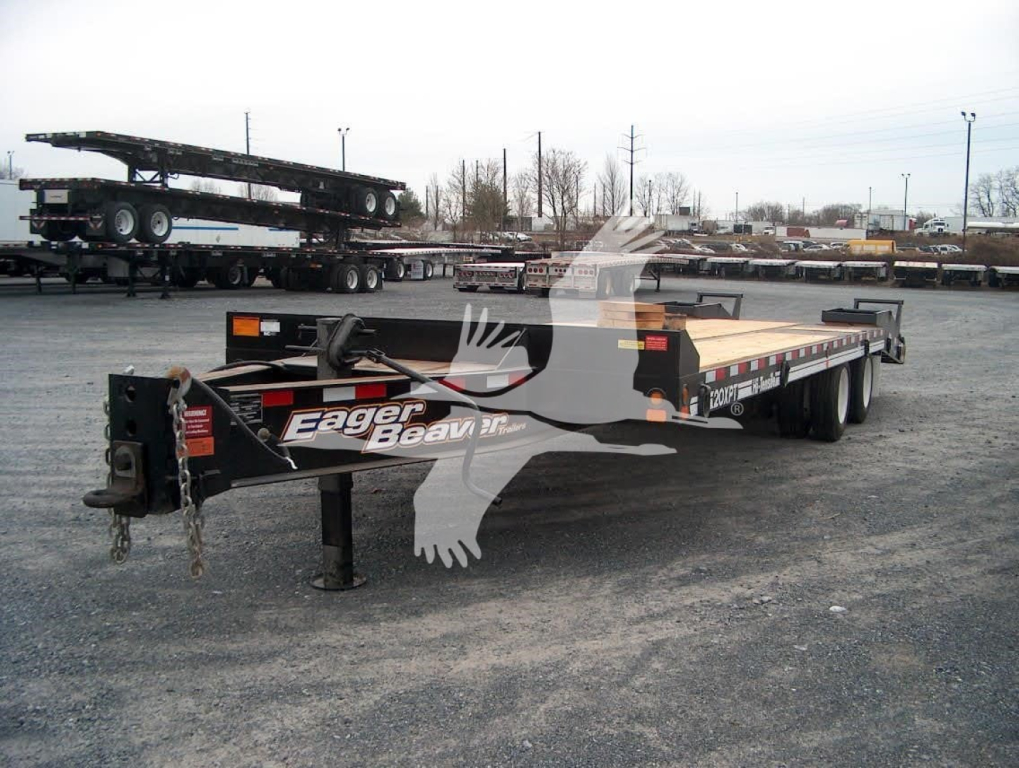
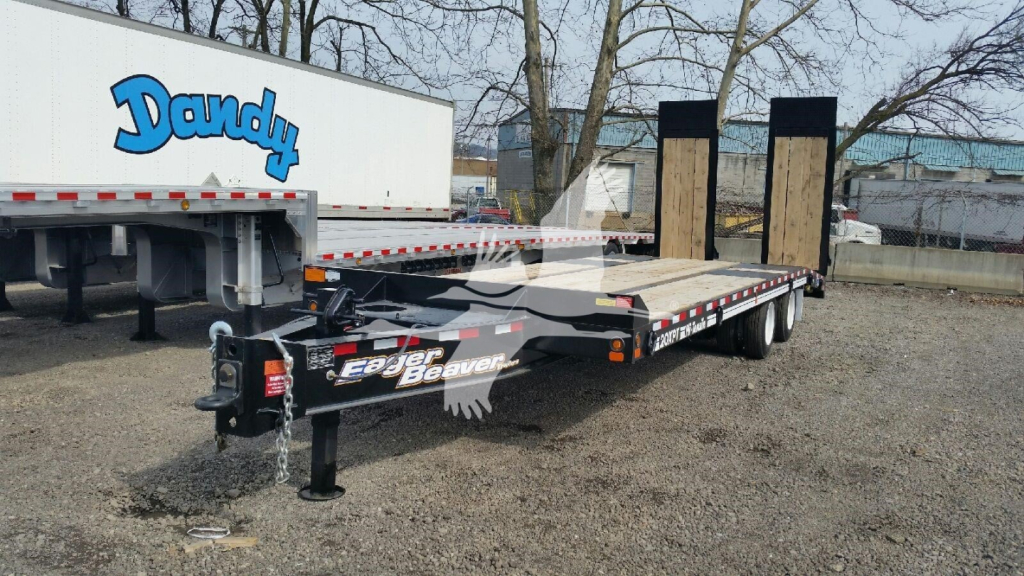
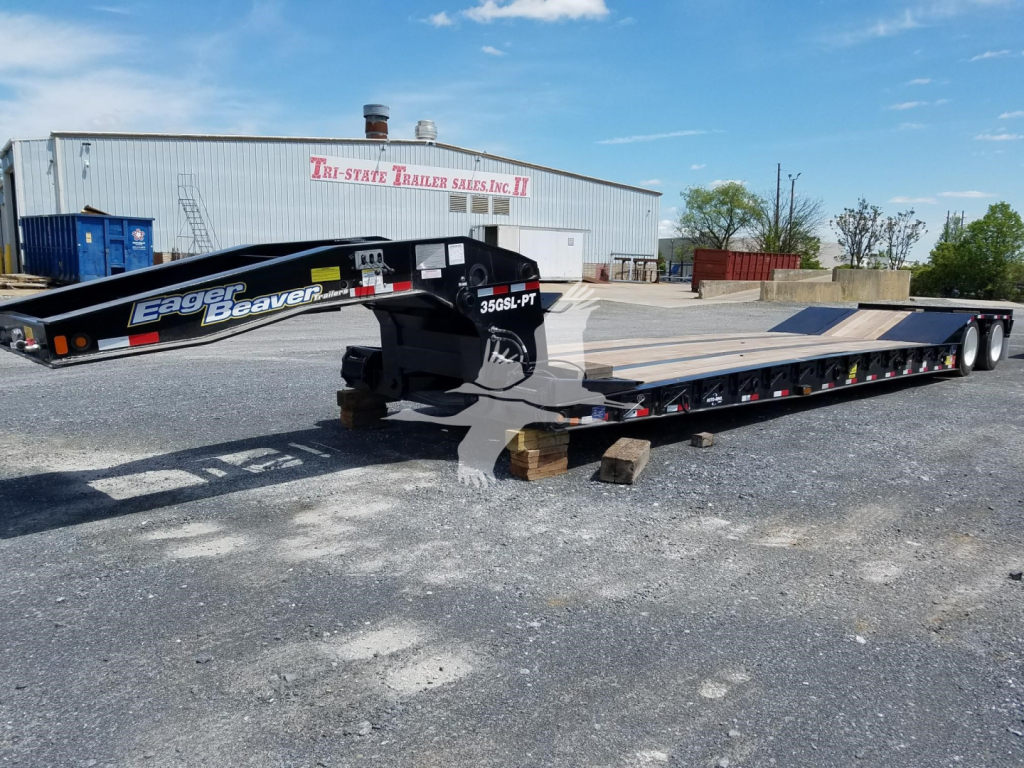
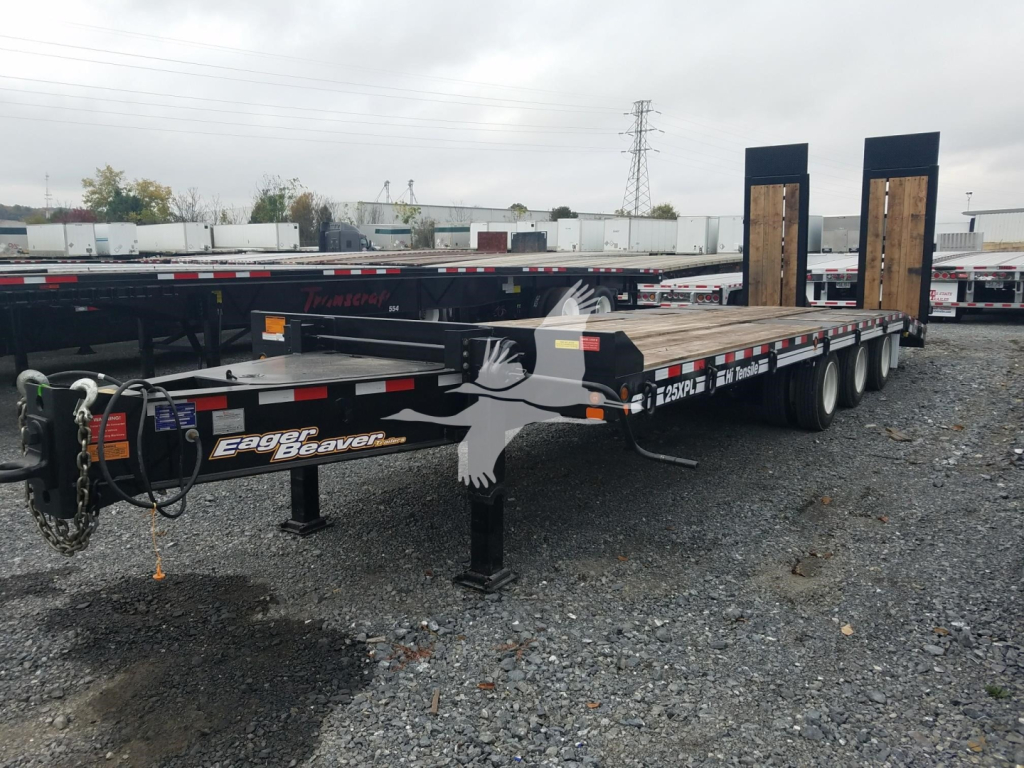
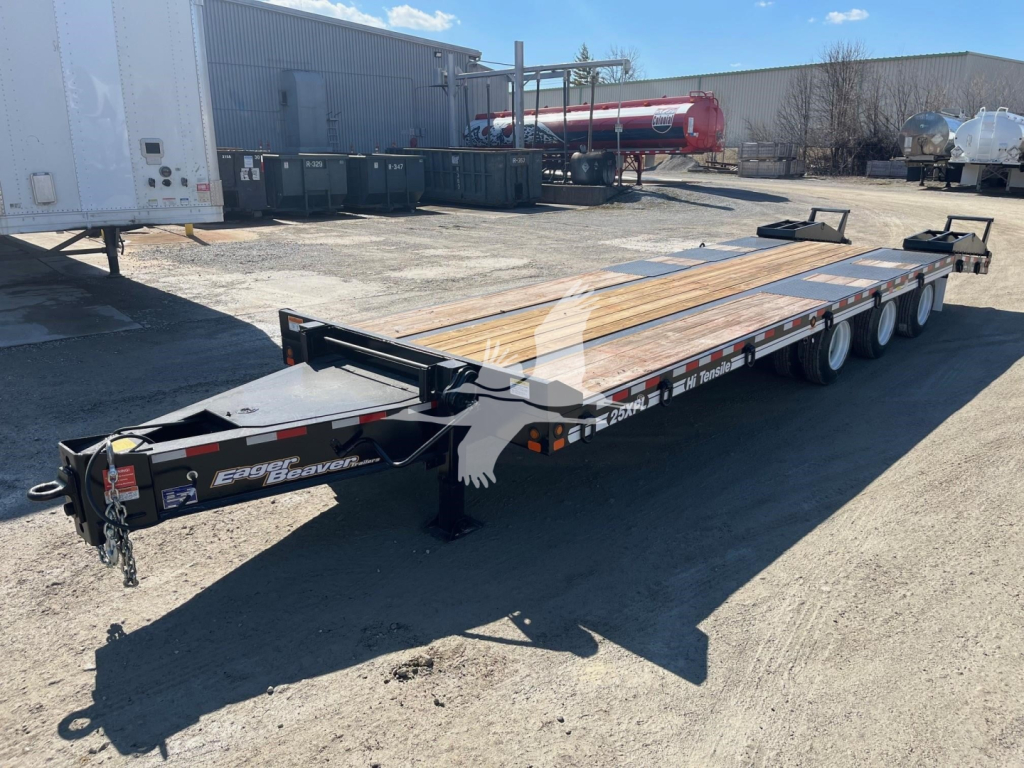
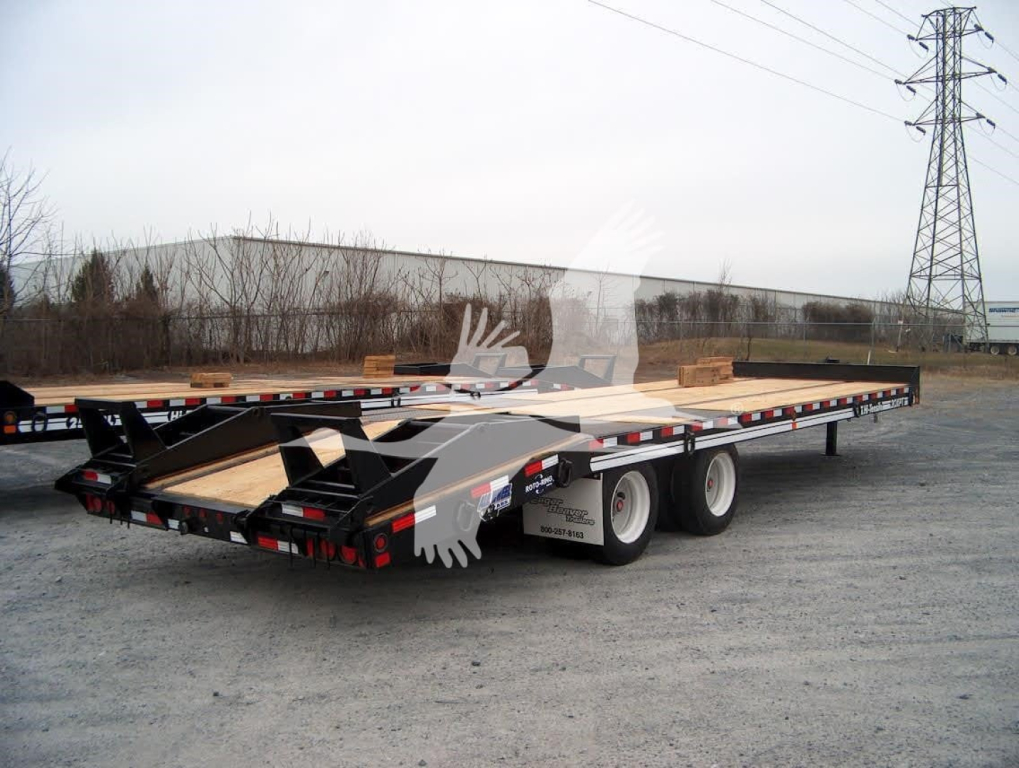
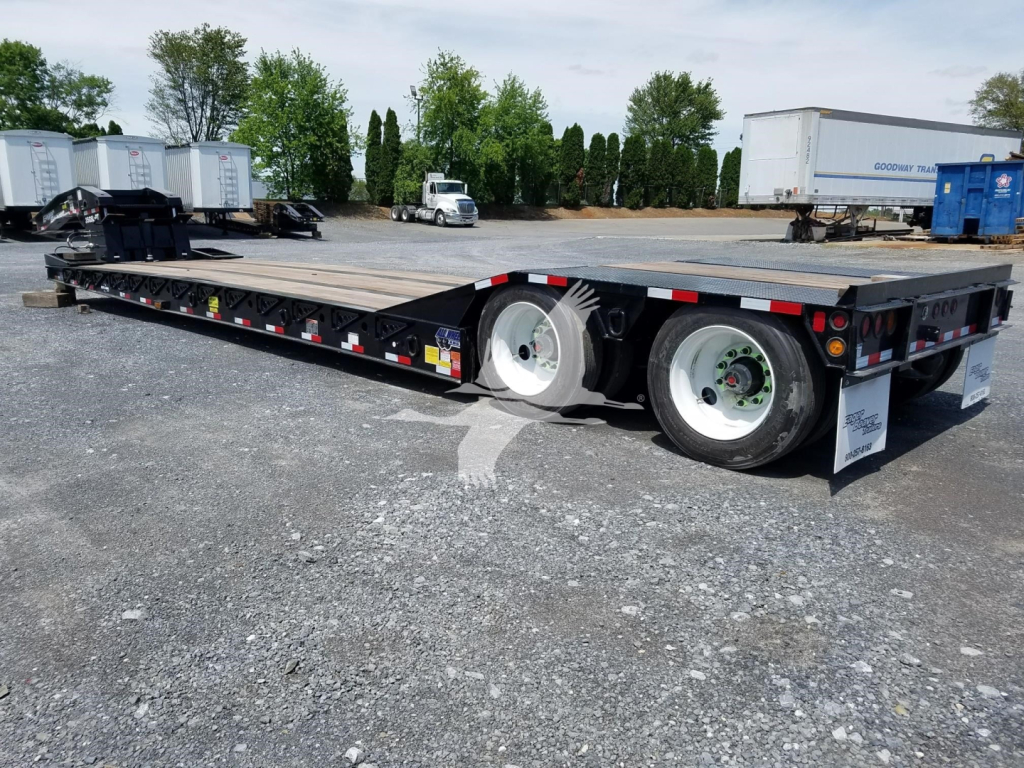
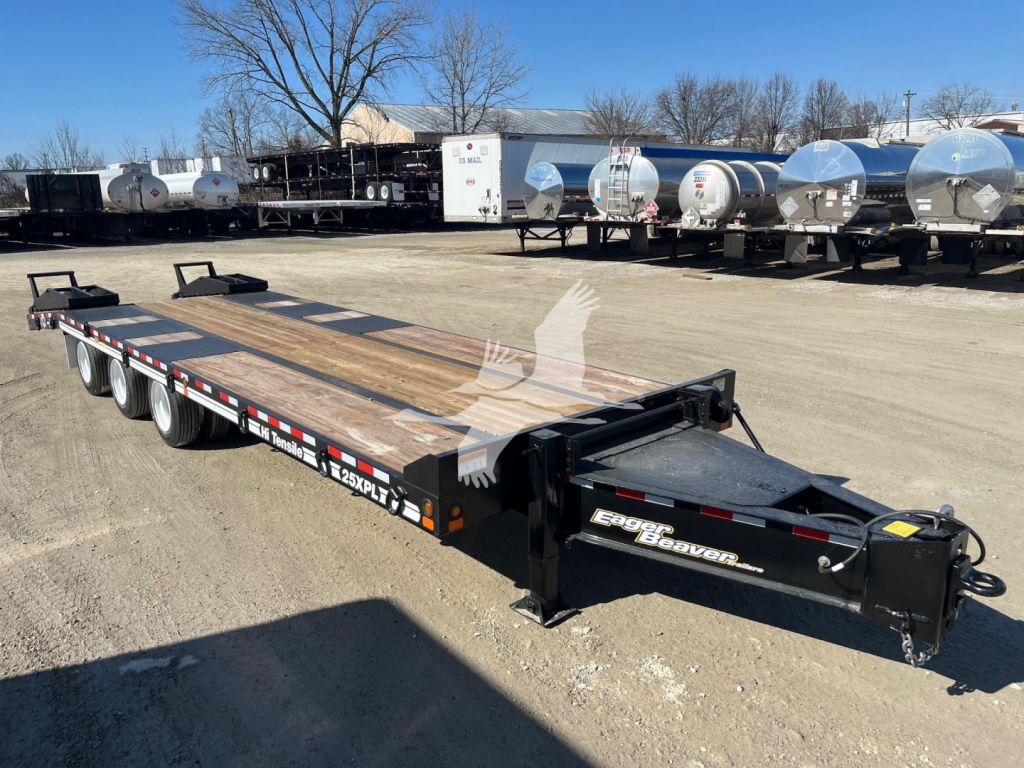
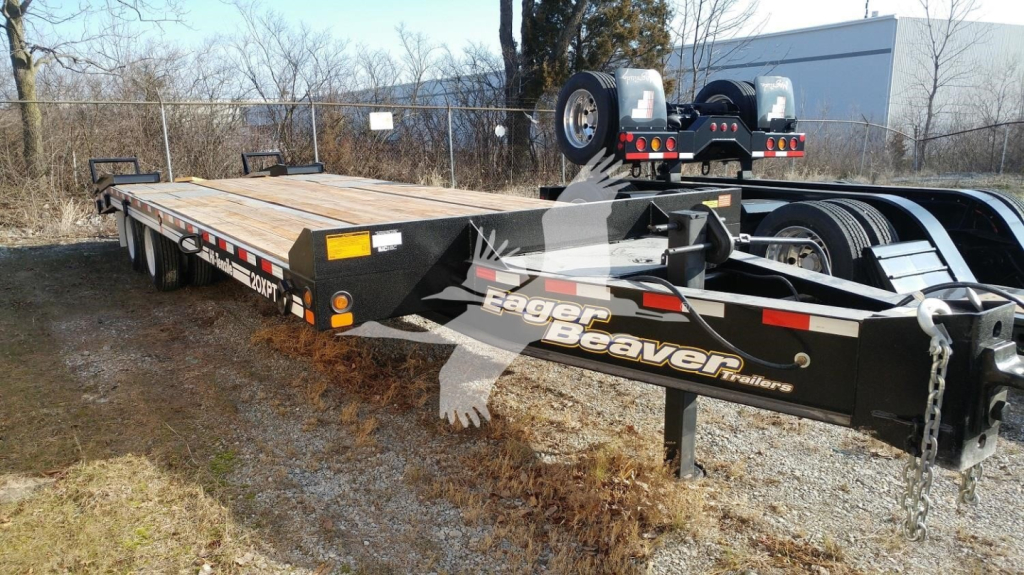
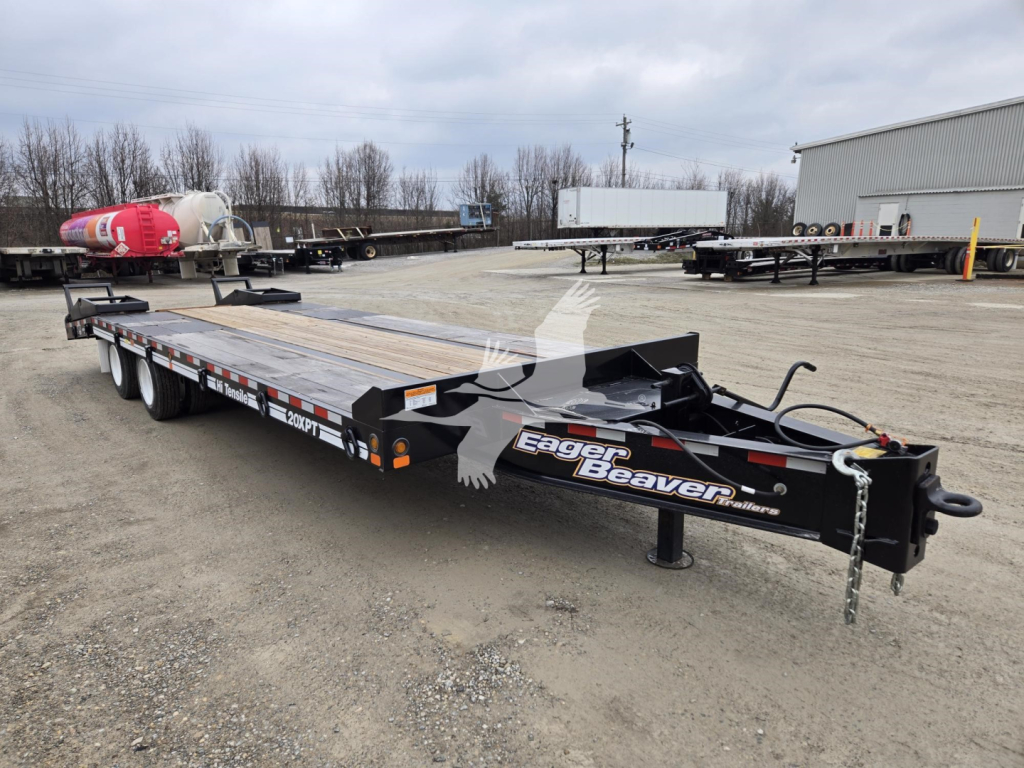
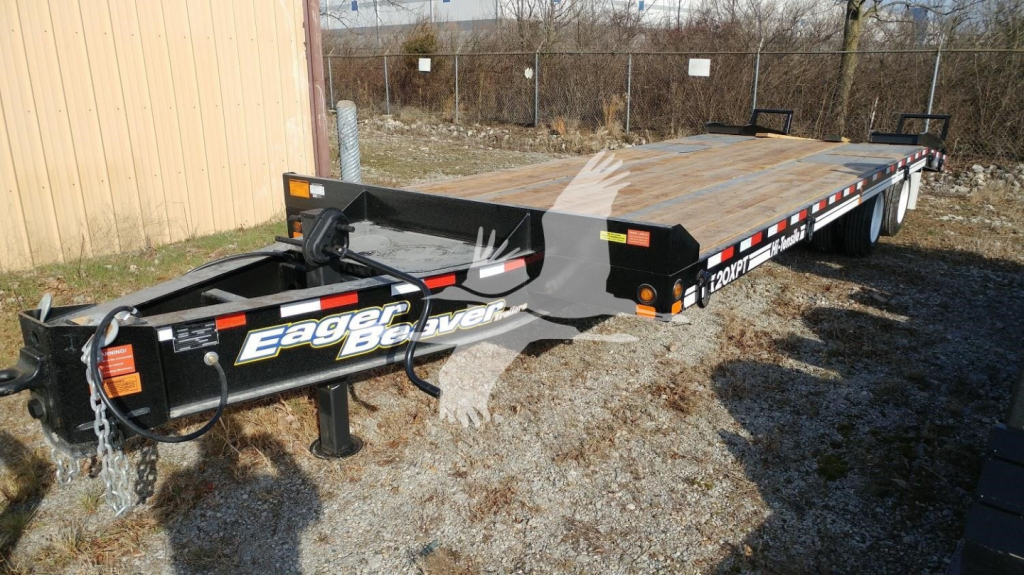
One of the biggest buying decisions is deck and loading configuration. Many Eager Beaver models in this class use a flat main deck with a beavertail and rear loading ramps, often hydraulic or electric-hydraulic, with load angles around 8 degrees. That matters if you regularly move low-clearance machines or rubber-tired equipment that benefits from smoother approach angles. Main deck height is often around 34 inches, and main deck length can vary by model, with common trailer lengths in the mid-30-foot range. Buyers should pay close attention to usable deck space, beavertail length, ramp width, and whether the ramp style is wood-filled or angle iron, since those details affect loading speed, traction, and compatibility across different equipment types.
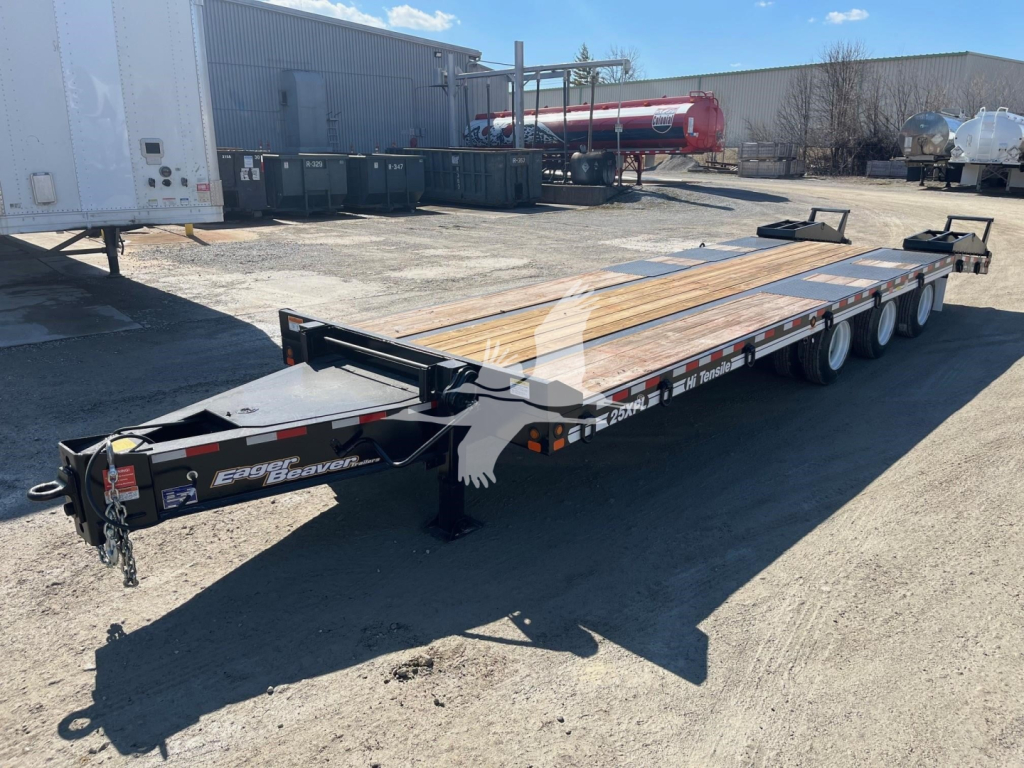
Running gear and capacity are just as important. Eager Beaver tag trailers in this size range often come with spring ride suspensions, 17.5-inch tires, steel wheels, ABS, and spring brakes on all axles. A 20-ton model can be a good fit for mixed fleet use where trailer weight and maneuverability matter, while a 25-ton tri-axle model adds payload capability and stability for heavier machines. Some specs also include a lift axle, which can help with tire wear and operational flexibility depending on the load and road use. Pintle hook height adjustment, landing gear type, axle spacing, and brake configuration should all be reviewed closely to make sure the trailer matches the tow vehicle, state requirements, and the weight distribution of the equipment you haul most often.
Construction details are where an equipment trailer proves its value over time. Eager Beaver trailers commonly use full-width steel bulkheads, steel side rails, lockable drawbar storage, and multiple pairs of D-rings for securement. Wood floor construction with apitong on high-wear sections is a common choice because it holds up well under tracked and wheeled equipment while remaining serviceable in the field. For buyers comparing listings, the key is not just the ton rating on paper but how the trailer is equipped for your actual work cycle. Look at empty weight, tiedown count, suspension spec, ramp actuation, deck material, and brake setup. Those are the details that affect payload, maintenance cost, loading safety, and long-term usefulness in an equipment hauling operation.
Frequently Asked Questions about Eager Beaver Trailers in Ohio
What are Eager Beaver trailers commonly used for?
Eager Beaver trailers are commonly used as equipment trailers and tag trailers for hauling construction and utility equipment. Typical applications include moving skid steers, mini excavators, compact wheel loaders, trenchers, rollers, attachments, and other machinery that needs a low deck height, rear loading ramps, and strong tiedown options. They are especially common in contractor, municipal, rental, and site-service fleets.
What is the difference between a 20-ton and 25-ton Eager Beaver trailer?
The main differences are payload capacity, axle configuration, and overall trailer weight. A 20-ton model is often lighter and may use a tandem-axle layout, which can make it easier to maneuver and a better fit for mixed-duty hauling. A 25-ton model often uses a tri-axle configuration and may include features like a lift axle, giving it more capacity and stability for heavier equipment. Buyers should also compare deck length, empty weight, and tow vehicle compatibility before choosing between the two.
Why does beavertail and ramp design matter on an Eager Beaver trailer?
Beavertail length and ramp style directly affect load angle, loading speed, and how easily low-clearance equipment can be loaded without dragging. A longer beavertail and properly sized ramps help reduce the approach angle, which is important for pavers, rollers, and other machines with limited ground clearance. Hydraulic or electric-hydraulic ramps can also reduce operator effort and improve consistency compared with manual ramp setups.
What specs should buyers focus on when comparing Eager Beaver trailers for sale?
The most important specs are rated capacity, usable deck length, deck height, axle count, suspension type, ramp configuration, and trailer empty weight. Buyers should also check floor material, tiedown count, bulkhead design, brake system, tire size, and pintle height adjustment. These details determine how well the trailer will match the equipment being hauled, the towing unit, and the day-to-day demands of the operation.
Are Eager Beaver trailers a good fit for mixed equipment fleets?
Yes, Eager Beaver trailers are often a strong choice for mixed equipment fleets because they are typically built around versatile deck layouts, common equipment widths, and straightforward loading systems. A properly spec'd trailer can handle a range of machines without being overly specialized. The best fit depends on the heaviest machine in the fleet, the length of the equipment including attachments, and whether the operation values lighter trailer weight or higher carrying capacity.