
2026 Eager Beaver Trailers For Sale in Ohio
Shop 2026 Eager Beaver trailers for sale, including tag, lowboy, and equipment hauling models with heavy-duty specs for construction fleets.
Selling a 2026 eager beaver trailer? List your 2026 eager beaver trailer for sale and reach thousands of commercial buyers.
2026 Eager Beaver Trailers in Ohio
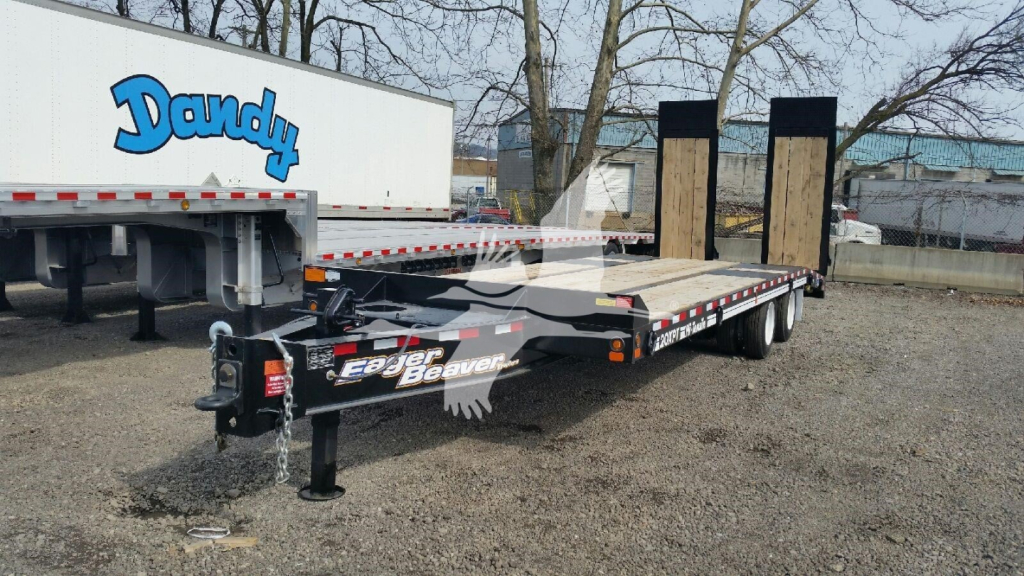
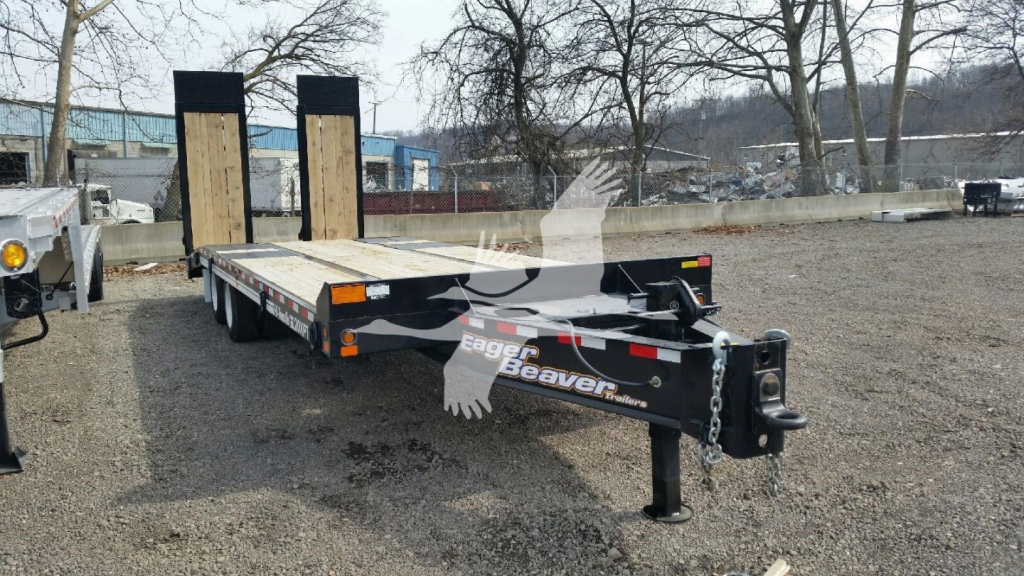
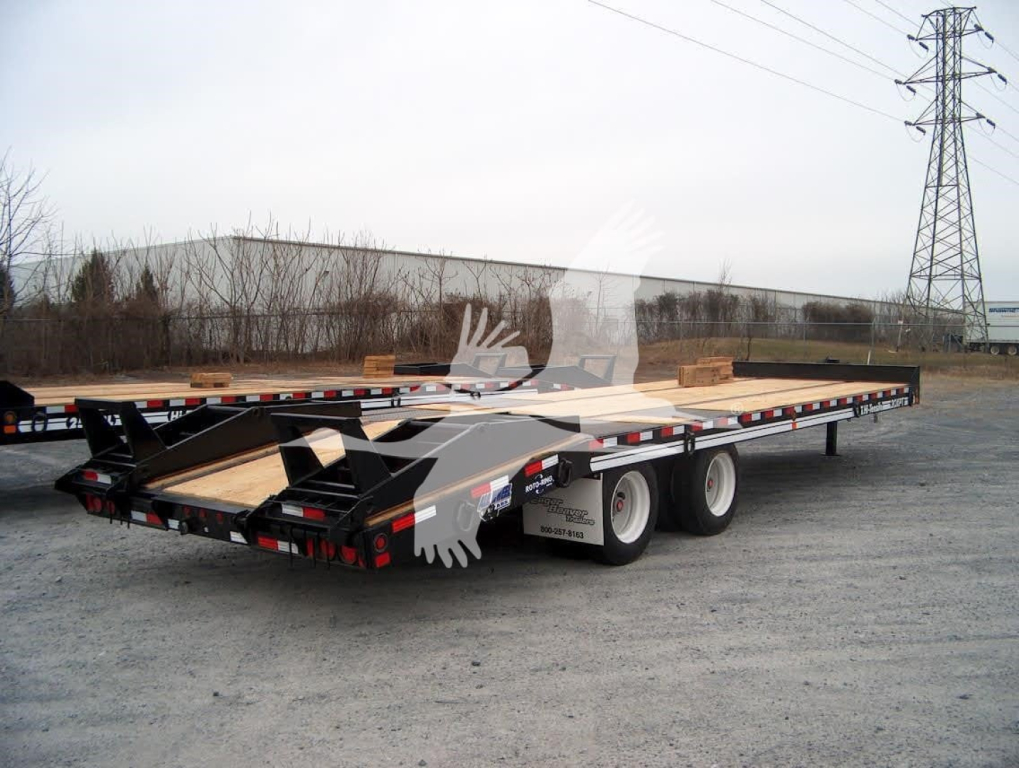
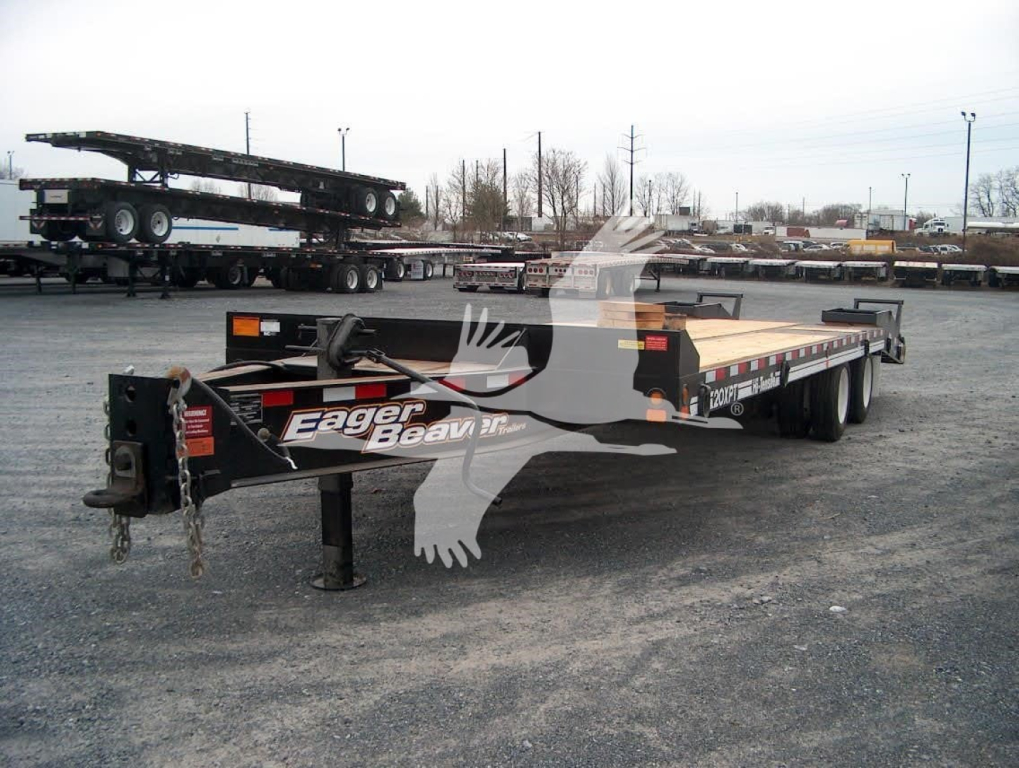
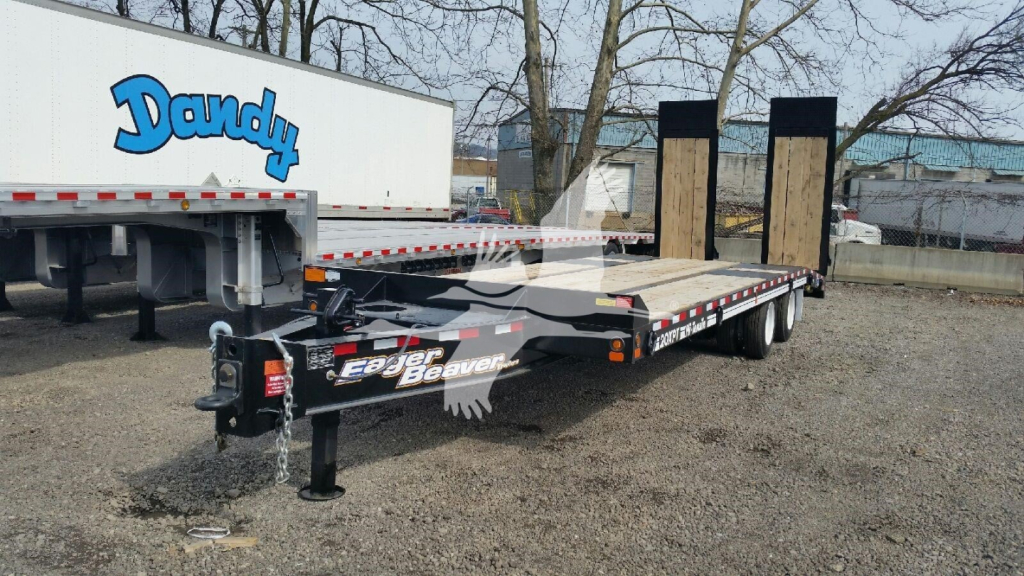
On Eager Beaver tag and equipment trailers, common decision points include rated capacity, ramp style, deck length, and suspension. Many trailers in this class fall into 20 ton, 25 ton, and heavier lowboy ratings, with 102-inch overall width, steel side rails, full-width bulkheads, and Apitong wood flooring being typical. Buyers comparing models should pay close attention to main deck length, beavertail length, and load angle because those numbers directly affect how easily rubber-tire equipment and low-clearance machines load. Spring ride remains common on tag trailers for simplicity and lower cost, while air ride is often preferred on lowboys for ride quality, loaded deck control, and easier height management. ABS configuration, spring brakes, axle spacing, and tire size also matter when the trailer will spend real time on public roads at full working weight.
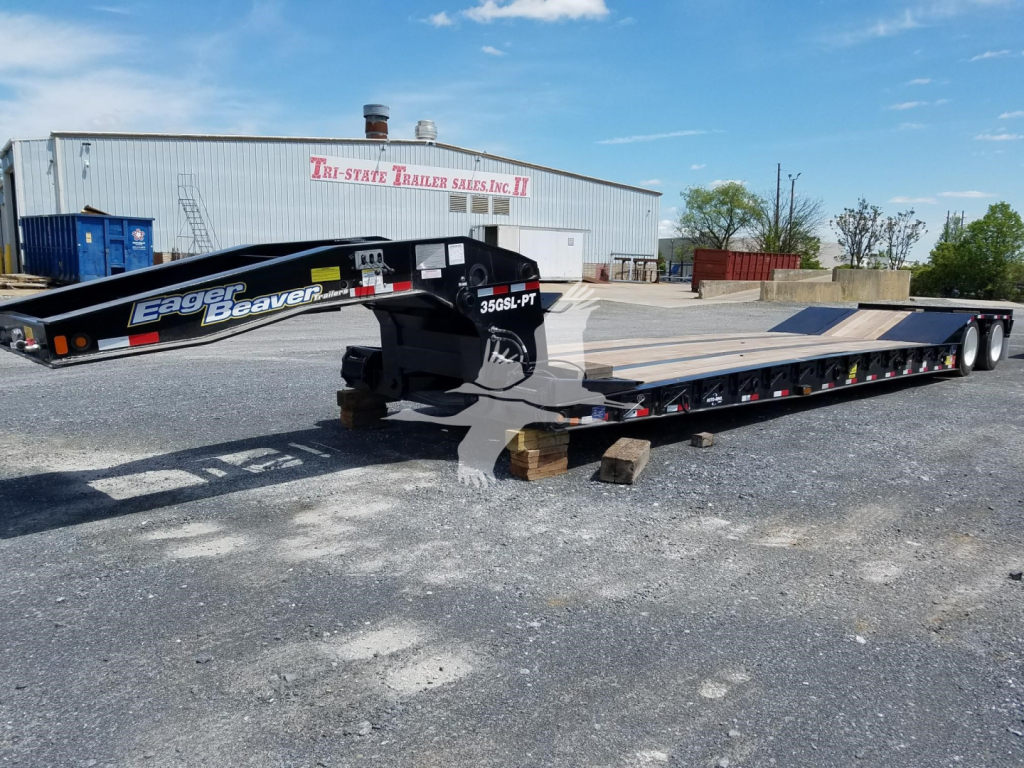
For lowboy buyers, the key specs usually center on loaded deck height, gooseneck design, and deck usability. Eager Beaver detachable models are often set up with hydraulic non-ground-bearing goosenecks, low loaded deck heights, wood-filled ramps, perimeter frame construction, and outriggers on close centers. Those features matter when hauling paving equipment, attachments, or machines with wide tracks. Kingpin setting, fifth wheel height, swing clearance, and tail configuration should be matched to the tractor in your fleet, especially if the trailer will run in tight jobsites or state routes with bridge and turning constraints. Rear deck length and top deck space are also worth checking if you carry buckets, compactors, or support gear along with the primary machine.
Durability and serviceability are a big part of Eager Beaver's appeal. Construction fleets tend to value straightforward steel construction, lockable tool storage, heavy-duty ramp systems, and readily understood running gear over flashy options. Look closely at crossmember spacing, floor material, D-ring count and placement, brake setup, and whether the trailer includes features such as lift axles, manual dump valves, raise-and-lower controls, strobes, flag holders, or roller stops. In Ohio and similar markets with mixed highway and jobsite use, corrosion protection, parts support, and legal payload strategy are just as important as published tonnage. A trailer that fits the actual machine dimensions, axle weights, and loading routine will outperform one that only looks right on paper.
Frequently Asked Questions about 2026 Eager Beaver Trailers in Ohio
What types of 2026 Eager Beaver trailers are most common?
The most common 2026 Eager Beaver trailers are tag trailers, equipment trailers, and lowboy or detachable gooseneck models used in construction hauling. Tag trailers are popular for compact and mid-size equipment moved behind dump trucks or straight trucks, while lowboys are chosen for taller, heavier, or more specialized machines that need lower deck height and better loading geometry.
What capacity should I choose in an Eager Beaver trailer?
Capacity should be based on the heaviest machine you plan to haul, plus attachments, fuel, and any additional cargo carried on the deck. Many buyers in this category compare 20 ton and 25 ton tag trailers against 35 ton lowboys, but the correct choice depends on axle weights, legal road limits, machine dimensions, and how often the trailer will run near maximum load. Buying strictly by advertised ton rating can lead to poor load balance or compliance issues.
What is the difference between an Eager Beaver tag trailer and a lowboy?
A tag trailer typically uses a pintle hitch, has a higher deck, and is designed for easier pairing with vocational trucks. It is a strong fit for general equipment hauling and frequent local moves. A lowboy uses a fifth wheel and usually a detachable gooseneck, giving it a lower deck height and better ability to haul taller or heavier equipment with improved stability and clearance control.
What trailer specs matter most for loading equipment safely?
The most important loading specs are deck height, beavertail angle, ramp length, ramp width, and overall load angle. These determine whether a machine can climb onto the trailer without dragging or losing traction. Buyers should also check floor material, D-ring placement, side rail strength, and whether the trailer has wood-filled or hydraulic ramps, because those details affect both machine loading and daily securement practices.
Are Eager Beaver trailers a good fit for paving and road construction work?
Yes. Eager Beaver is widely recognized in paving, site work, and road-building applications because many of its trailers are configured for pavers, rollers, compactors, and support equipment. Features such as low deck heights, hydraulic detachable goosenecks, perimeter frames, outriggers, and heavy-duty wood floors are well suited to crews that need reliable loading, stable transport, and practical durability in rough jobsite conditions.