
2026 Eager Beaver Flatbed Trailers For Sale in Ohio
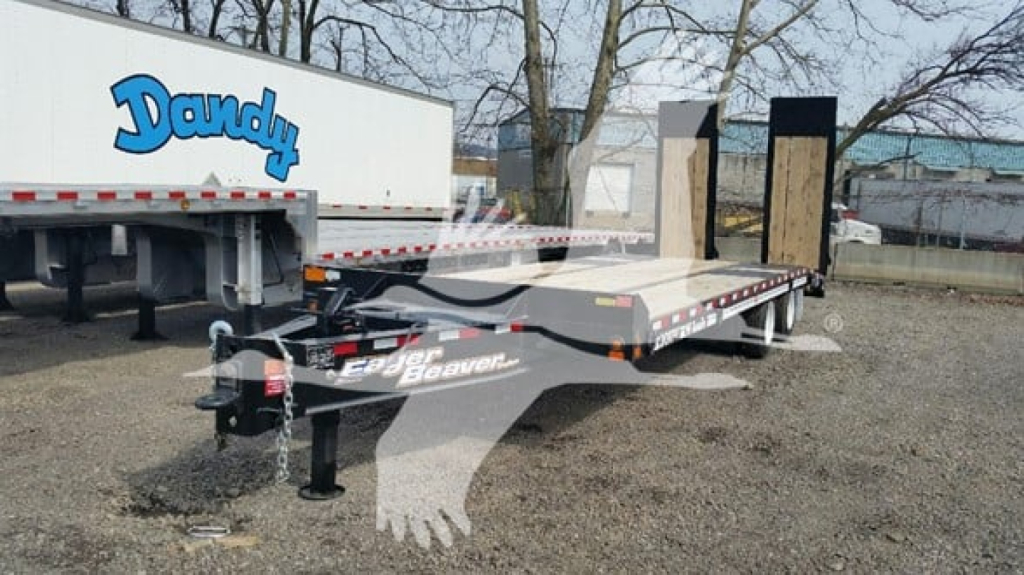
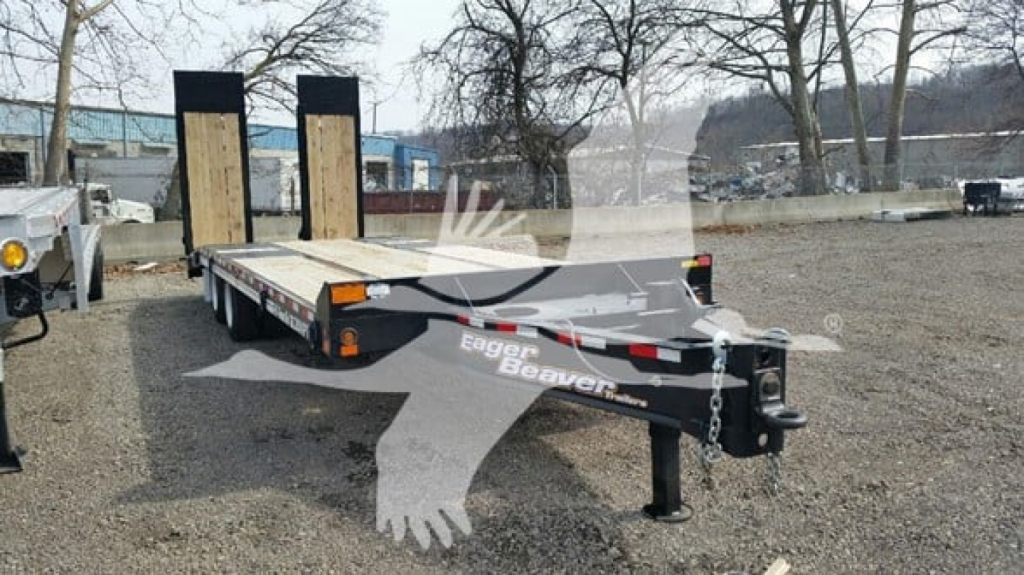
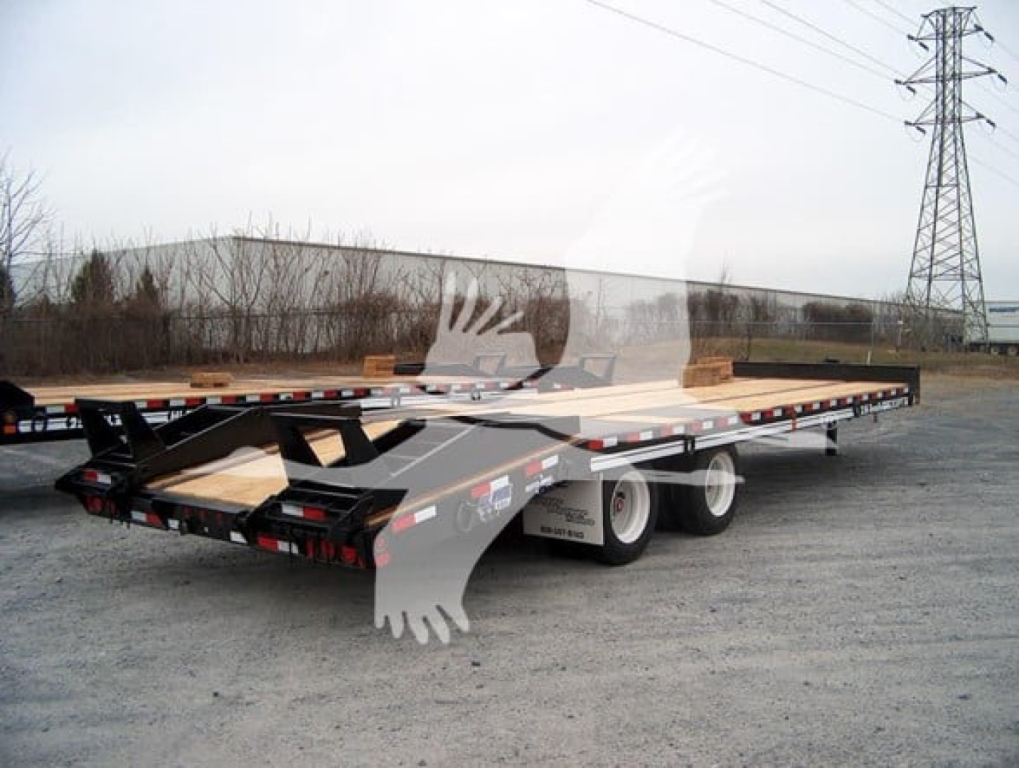
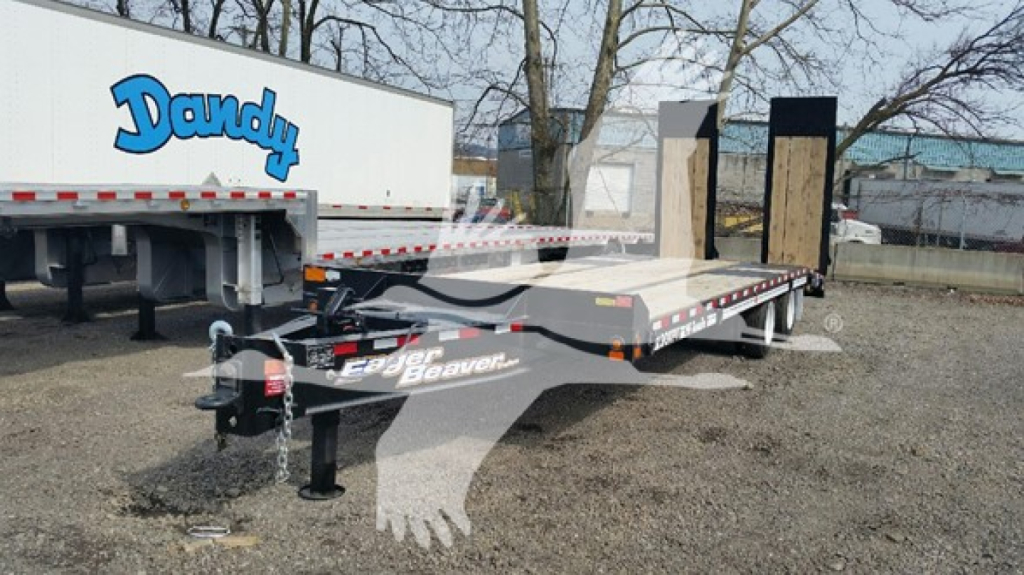
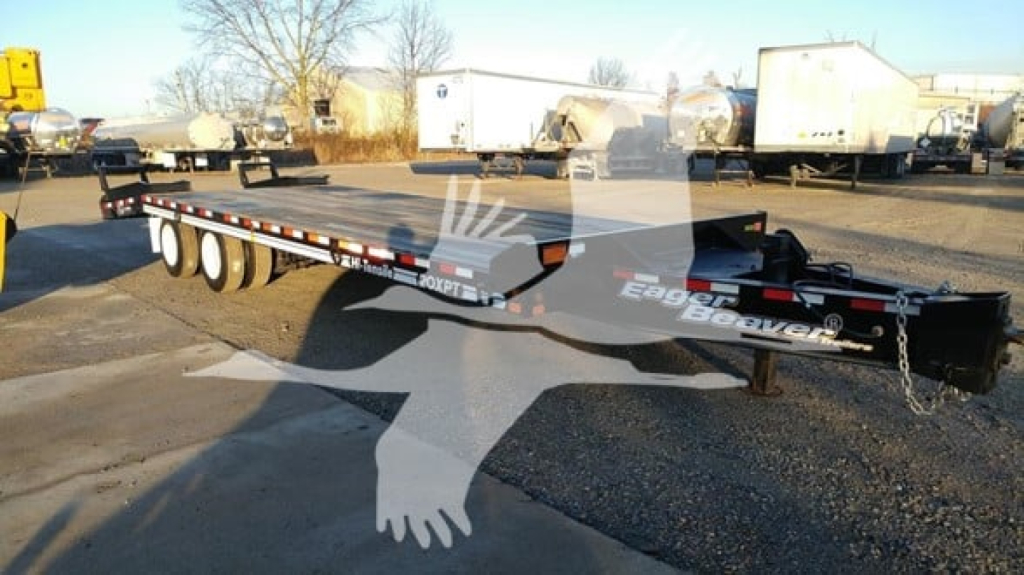
Have 2026 eager beaver flatbed trailer to sell? List it here to reach thousands of buyers.
2026 Eager Beaver Flatbed Trailers in Ohio
One of the biggest buying decisions in this category is ramp style. Many Eager Beaver flatbed trailers in the 20-ton class use either angle-iron stand-up ramps or hydraulic ramps. Mechanical ramps usually keep empty weight lower and simplify maintenance, while hydraulic ramps improve loading speed and reduce operator effort, especially when trailers are used multiple times per day. Deck construction also matters. Apitong flooring is common because it holds up well under steel tracks and concentrated axle loads, and some builds use a mixed wood floor design to balance durability with cost. An 8-inch full-width steel bulkhead, steel side rails, and multiple pairs of D-rings are typical features that directly affect load securement flexibility.
Suspension, brake spec, and coupler setup deserve close attention because these trailers are often matched to medium-duty or heavy-duty trucks in municipal, construction, rental, and utility fleets. Common configurations include tandem axles, spring ride suspension such as a Hutchens 3-leaf setup, 215/75R17.5 tires, ABS, and spring brakes on all axles. Adjustable pintle hook height is another important detail because it helps keep the trailer level across different tow vehicles, which improves braking balance, ramp angle, and tire wear. Empty weight can vary meaningfully between similar 20-ton trailers depending on ramp type, floor material, and frame build, so payload should always be evaluated against the actual tare weight of the unit.
For buyers comparing 2026 Eager Beaver flatbed trailers for sale in Ohio, corrosion exposure, seasonal road conditions, and mixed on-road/off-road use should shape the spec. Painted steel trailers working around road salt need regular washdowns and touch-up attention, especially around crossmembers, ramp hinges, electrical connections, and the lower pintle area. A lockable drawbar toolbox, heavy-duty safety chains, and clear rear lighting are small details that matter in everyday fleet use. If the trailer will spend most of its life hauling rubber-tired equipment, a standard wood deck and fixed ramps may be enough. If it will handle frequent loading cycles, tracked machines, or multiple operators, hydraulic ramps, durable flooring, and well-placed tie-down points usually justify the higher initial cost.
Frequently Asked Questions about 2026 Eager Beaver Flatbed Trailers in Ohio
What are 2026 Eager Beaver flatbed trailers typically used for?
Most 2026 Eager Beaver flatbed trailers in this class are used as equipment-hauling tag trailers. They are commonly matched with construction, utility, municipal, paving, and rental fleet work where operators need to move compact to mid-size machines such as skid steers, mini excavators, rollers, trenchers, and attachments. A low deck, beavertail, and heavy-duty ramps make them especially useful for loading equipment that needs a controlled approach angle.
What should I compare first when shopping Eager Beaver flatbed trailers?
Start with rated capacity, actual empty weight, deck length, and ramp type. A trailer may be listed as a 20-ton unit, but the tare weight and configuration directly affect usable payload and loading convenience. After that, compare deck height, beavertail length, floor material, tie-down layout, suspension, brake spec, and pintle height range. Those details determine how well the trailer matches your tow vehicle and the equipment you move most often.
Are hydraulic ramps worth it on a flatbed equipment trailer?
Hydraulic ramps are often worth the extra cost when the trailer is loaded and unloaded frequently, used by multiple operators, or assigned to heavier equipment. They reduce manual handling, speed up loading, and can improve safety and consistency on busy job sites. Fixed or angle-iron ramps still make sense for buyers who want lower purchase cost, lower empty weight, and simpler maintenance, especially when loading cycles are less frequent.
Why is deck construction important on an Eager Beaver flatbed trailer?
Deck construction affects service life, traction, repair cost, and how well the trailer handles concentrated machine loads. Apitong is a common premium flooring choice because it is dense and durable under hard use, including steel tracks and repeated loading. Buyers should also look at crossmember spacing, side rail strength, bulkhead design, and D-ring placement because those features work together with the floor to support securement and long-term structural durability.
What towing and setup details matter most on a tag-style flatbed trailer?
The most important setup details are coupler height, brake system, axle and suspension capacity, and overall trailer level behind the truck. An adjustable pintle arrangement helps match different ride heights and keeps the trailer running level, which improves braking performance, tire wear, and ramp geometry. Buyers should also confirm that the tow vehicle is properly rated for the trailer's GVWR, tongue load, and intended payload, not just the trailer's advertised class.