
2026 Eager Beaver Flatbed Trailers For Sale
Have 2026 eager beaver flatbed trailer to sell? List it here to reach thousands of buyers.
2026 Eager Beaver Flatbed Trailers
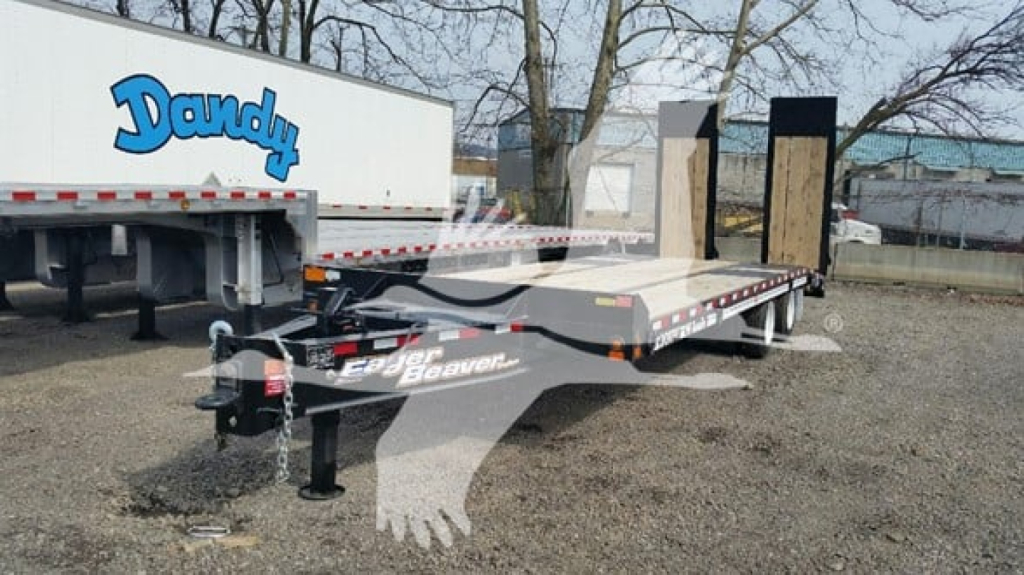
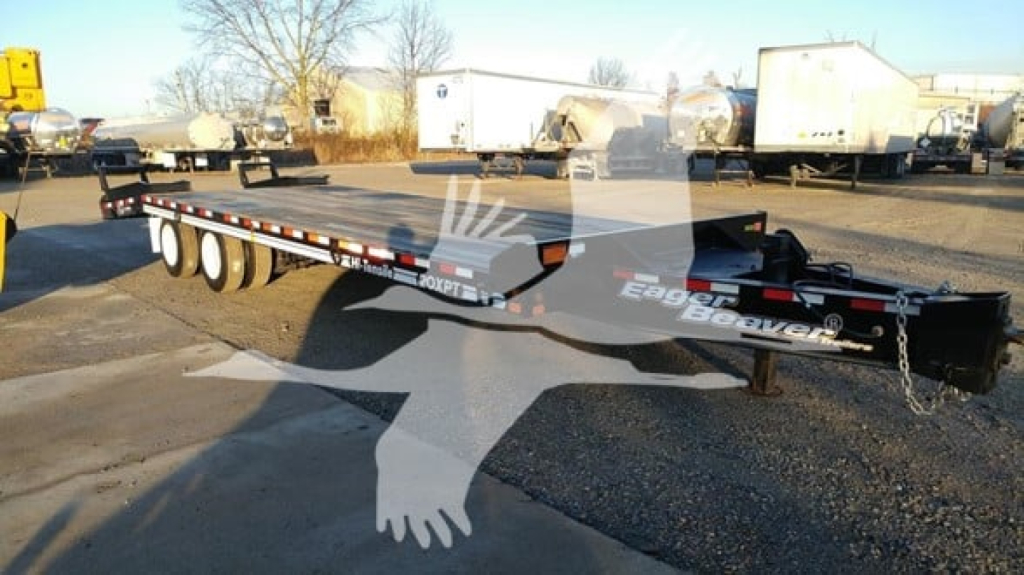
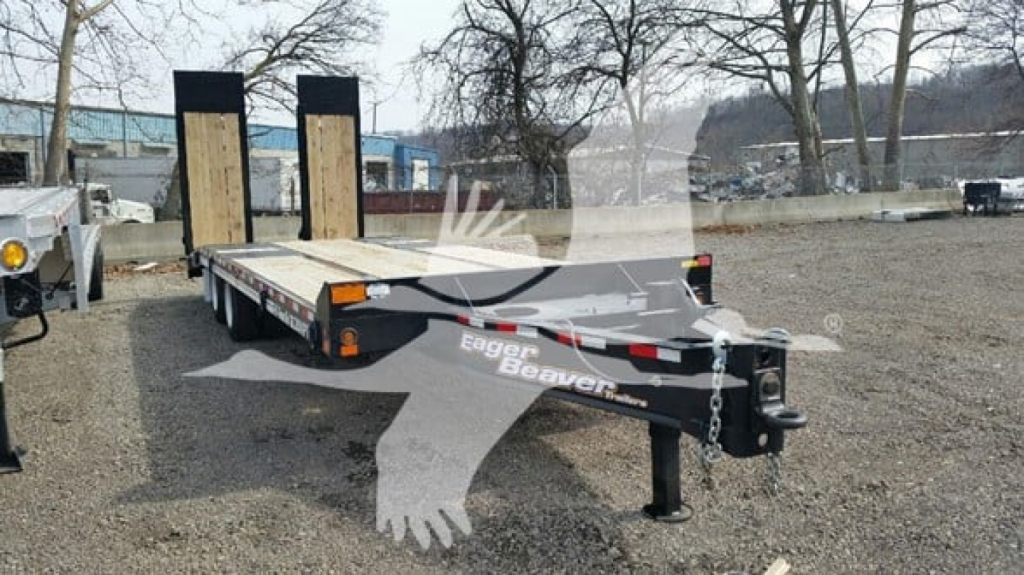
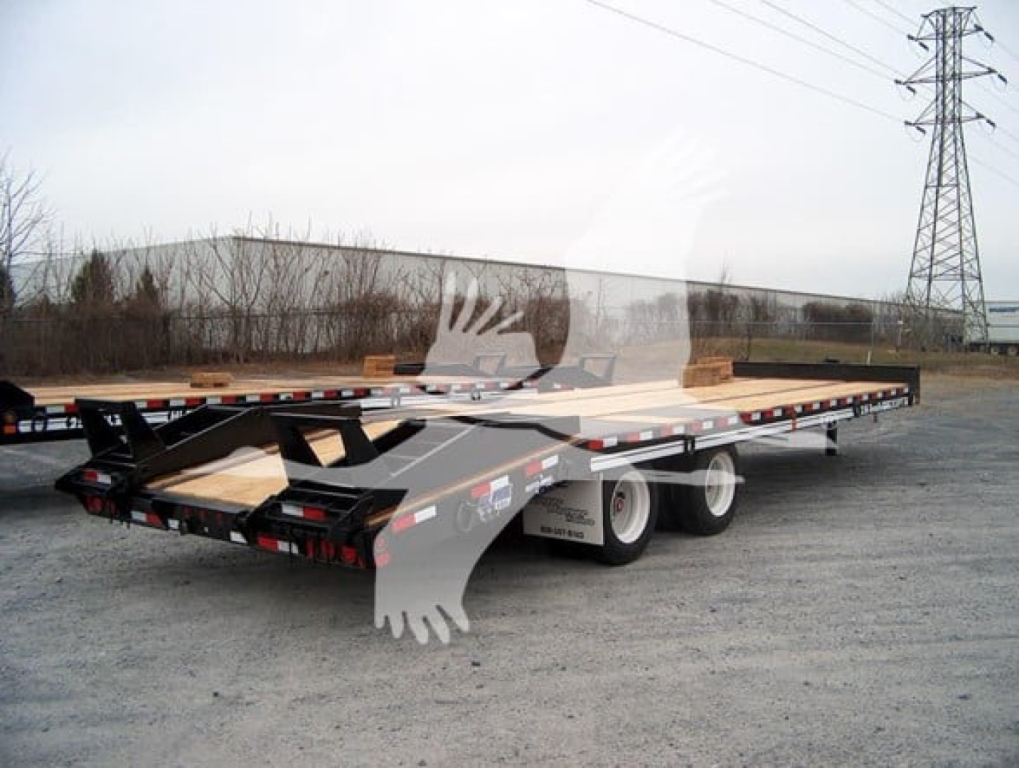
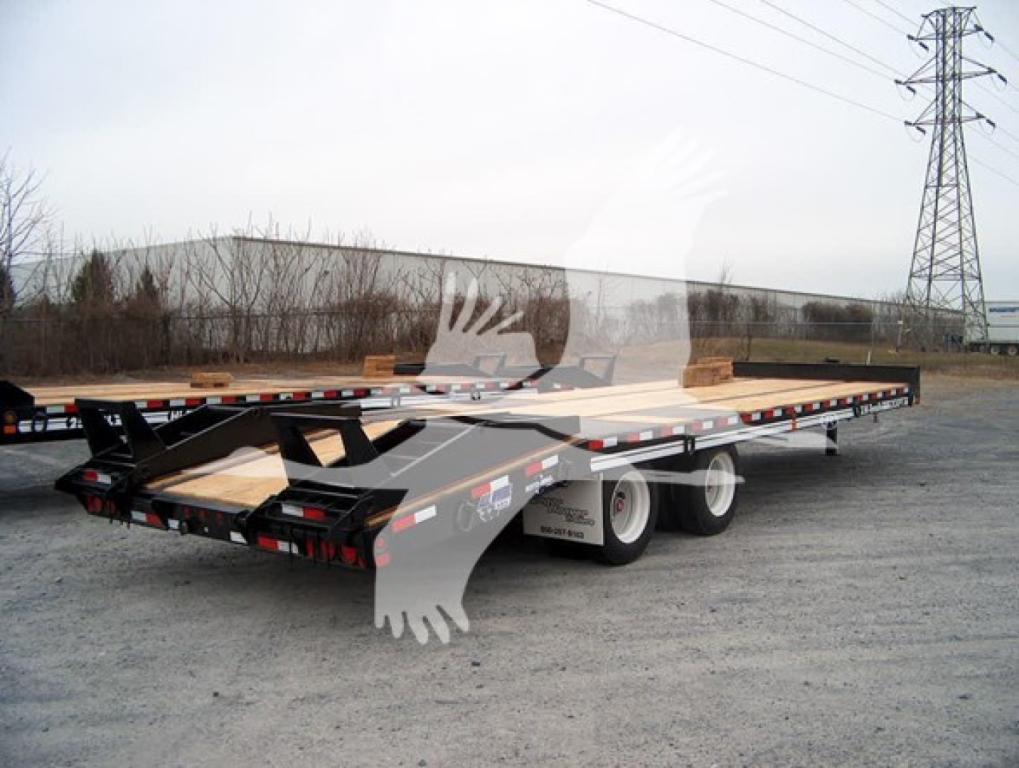
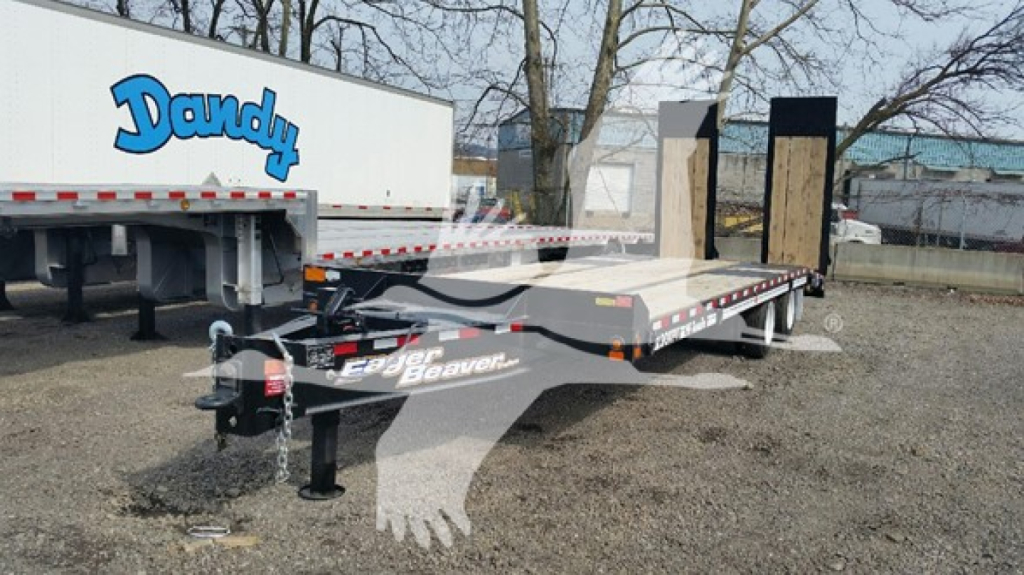
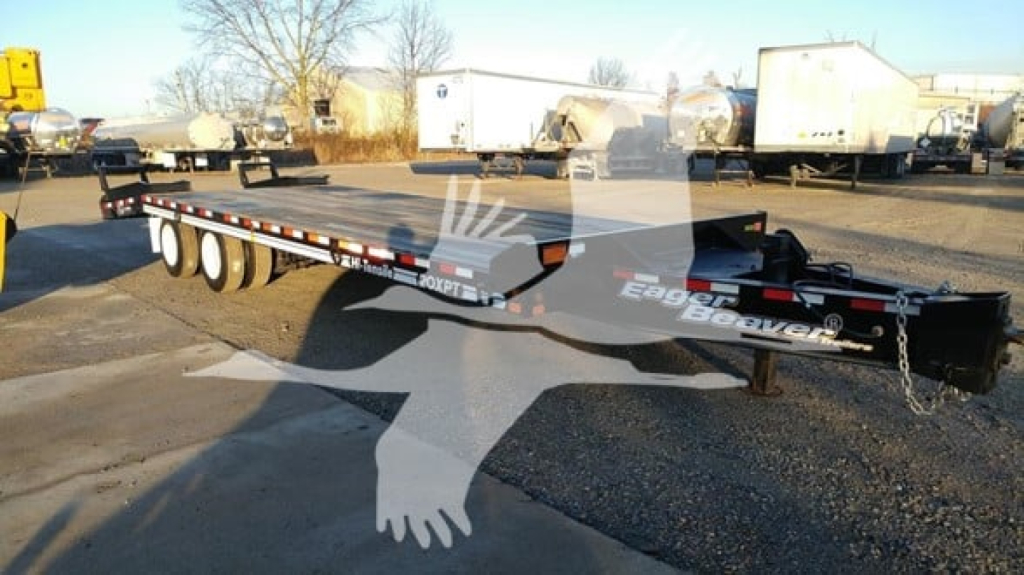
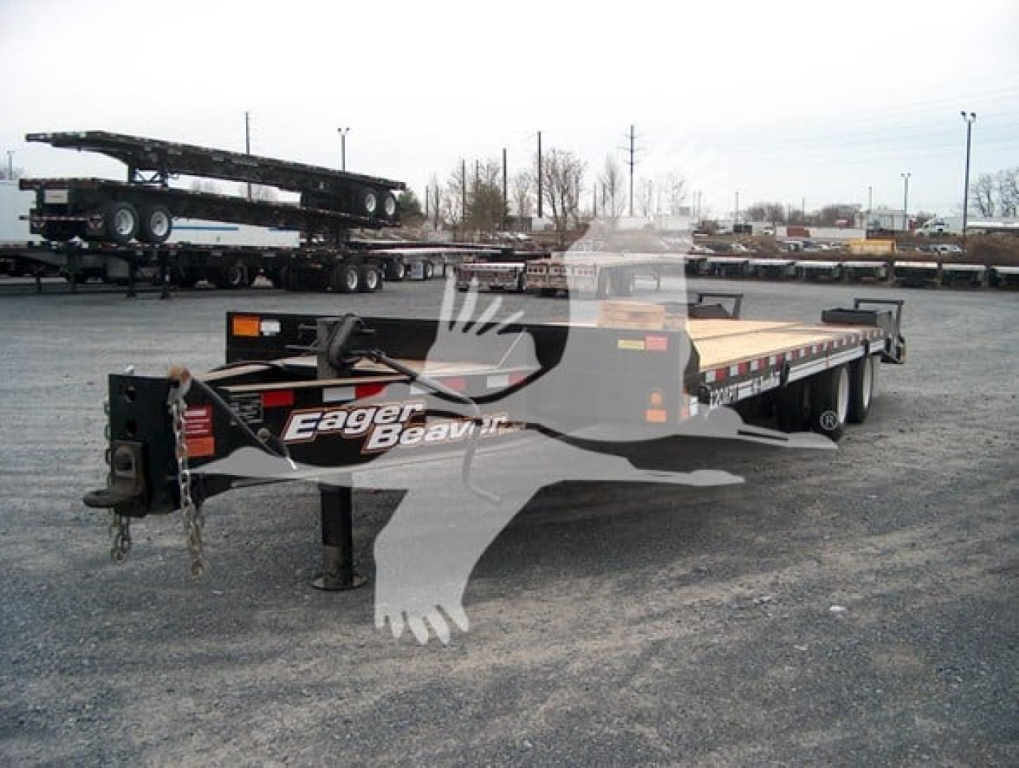
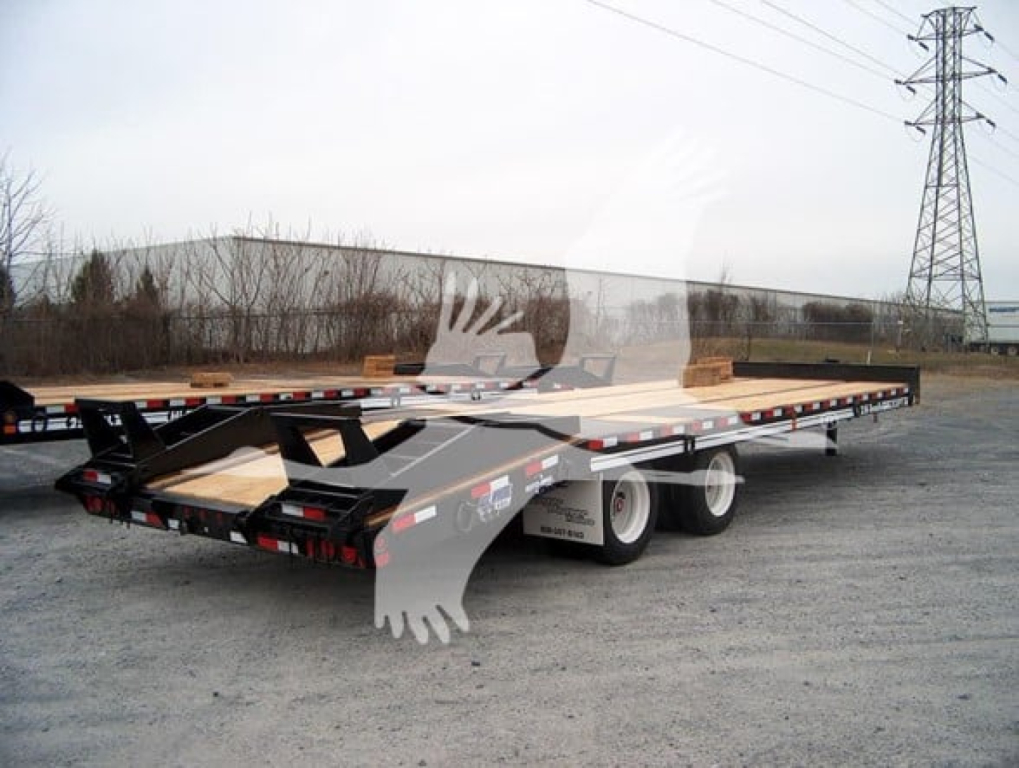
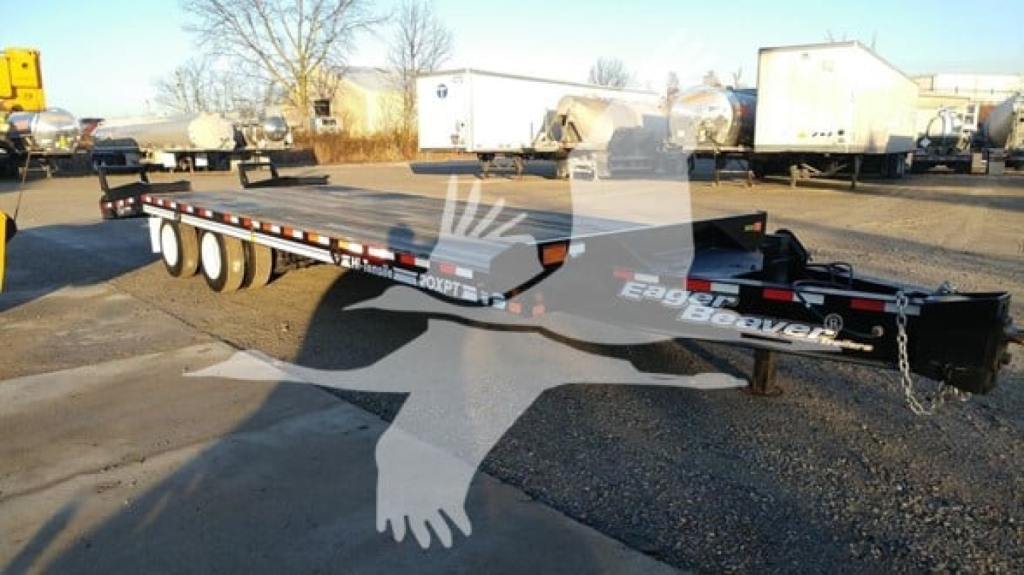
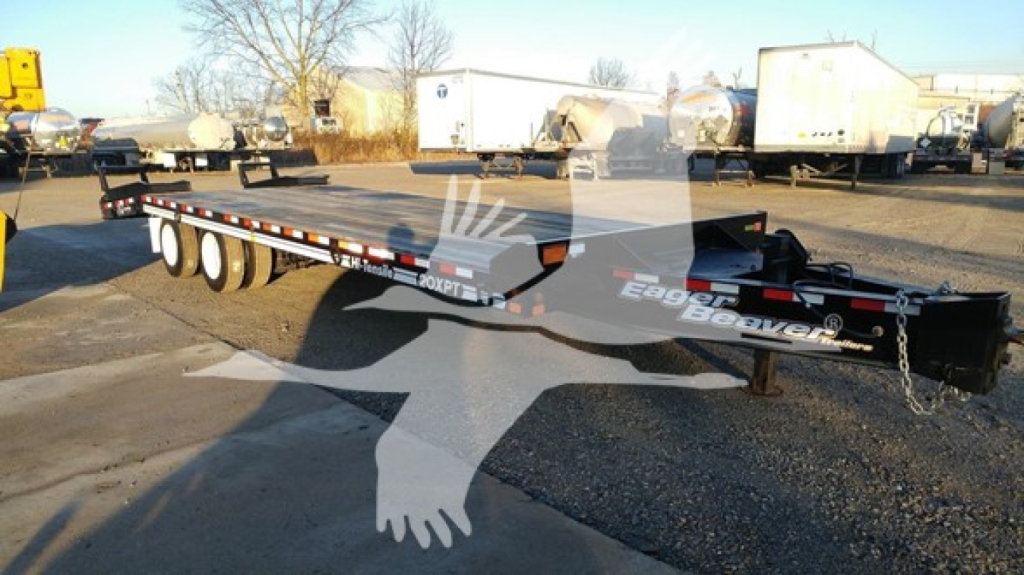
The first buying decision is deck and loading geometry. Sample specifications in this group point to a 34-foot overall length, roughly 21 feet of flat deck, main deck heights around 34 inches, and an 8-degree load angle through the beavertail. That matters if you are loading low-clearance equipment or rubber-tired machines that need a smoother breakover. Ramp style also changes day-to-day usability. Angle iron ramps are simple and durable, while wood-filled or hydraulic ramps improve traction and make loading easier for heavier or lower-slung equipment. A 20-ton rating is common here, but buyers should still compare trailer tare weight, axle placement, and how much payload remains after options are added.
Floor construction and tie-down layout deserve close attention. Eager Beaver trailers in this class often use Apitong decking, sometimes with mixed wood layouts, because it holds up well under repeated equipment loading and resists wear better than softer lumber. Seven pairs of D-rings, steel side rails, and a full-width steel bulkhead provide securement flexibility for machines, attachments, and awkward loads. A lockable drawbar toolbox is also a practical feature if chains, binders, and straps need to stay with the trailer. On the running gear side, spring ride suspensions such as Hutchens setups, 215/75R17.5 tires, steel wheels, ABS, and spring brakes on all axles are typical working specs that keep maintenance straightforward for municipal, construction, rental, and site-service fleets.
Buyers comparing 2026 Eager Beaver flatbed trailers should focus less on the model badge and more on ramp configuration, deck material, loaded deck height, and how the trailer matches the tow vehicle. Pintle height adjustability, landing gear design, and underframe construction all affect hookup speed and jobsite durability. If the work involves frequent loading cycles, hydraulic ramps can justify the extra weight and cost. If simplicity and lower empty weight matter more, fixed ramps may be the better fit. In this category, the right trailer is the one that loads safely, secures easily, and carries rated equipment without giving up durability in rough daily service.
Frequently Asked Questions about 2026 Eager Beaver Flatbed Trailers
What are 2026 Eager Beaver flatbed trailers typically used for?
They are commonly used for hauling construction and industrial equipment such as skid steers, mini excavators, tractors, rollers, and attachments. In practice, these trailers are set up more like tag equipment trailers than highway freight flatbeds, with beavertails, ramps, pintle hitches, and heavy-duty tie-down points that support repeated machine loading and unloading.
What specs matter most when comparing Eager Beaver flatbed trailers?
The most important specs are capacity, empty weight, deck length, loaded deck height, beavertail angle, ramp style, and suspension type. Buyers should also confirm deck material, number and placement of D-rings, tire size, brake setup, and pintle height range. These details determine how well the trailer loads specific machines, how much payload it can legally carry, and how durable it will be under daily equipment hauling.
Is a 20-ton Eager Beaver flatbed enough for most equipment hauling jobs?
A 20-ton rating covers a wide range of compact and mid-size equipment, but it does not automatically mean every 40,000-pound machine is a good fit. Trailer tare weight, attachment weight, securement gear, and local bridge or axle rules all affect usable payload. Buyers should match the trailer to the heaviest real-world load they plan to move, not just the advertised gross rating.
What is the benefit of hydraulic ramps versus fixed ramps on a flatbed equipment trailer?
Hydraulic ramps reduce operator effort, speed up loading, and often improve safety when the trailer is used many times a day. They are especially useful with heavier equipment or machines with lower ground clearance. Fixed angle iron or wood-filled ramps are simpler and lighter, which can help with maintenance and payload, but they require more manual handling and may be less convenient in high-cycle service.
Why is Apitong flooring common on heavy-duty flatbed trailers?
Apitong is widely used because it stands up well to repeated equipment loading, concentrated tire or track contact, and exposure to jobsite use. It generally wears longer than softer wood decking and provides a solid surface for machines, chains, and attachments. For buyers planning hard daily use, deck material is not a minor detail because it directly affects service life and repair frequency.