
2026 Eager Beaver Trailers For Sale
Shop 2026 Eager Beaver trailers including lowboy and flatbed configurations with heavy-haul specs, hydraulic detach options, and Apitong flooring.
Selling a 2026 eager beaver trailer? List your 2026 eager beaver trailer for sale and reach thousands of commercial buyers.
2026 Eager Beaver Trailers
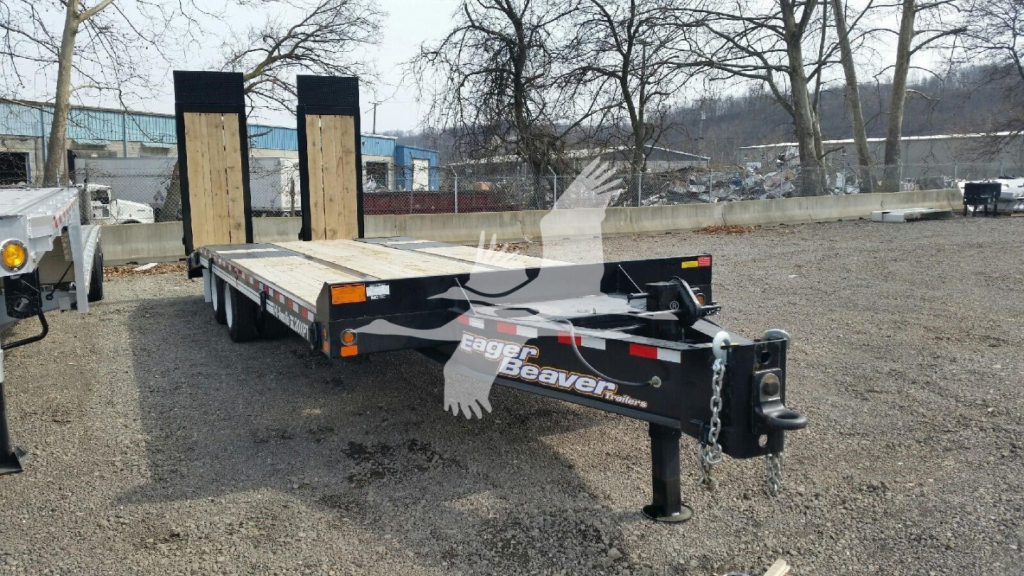
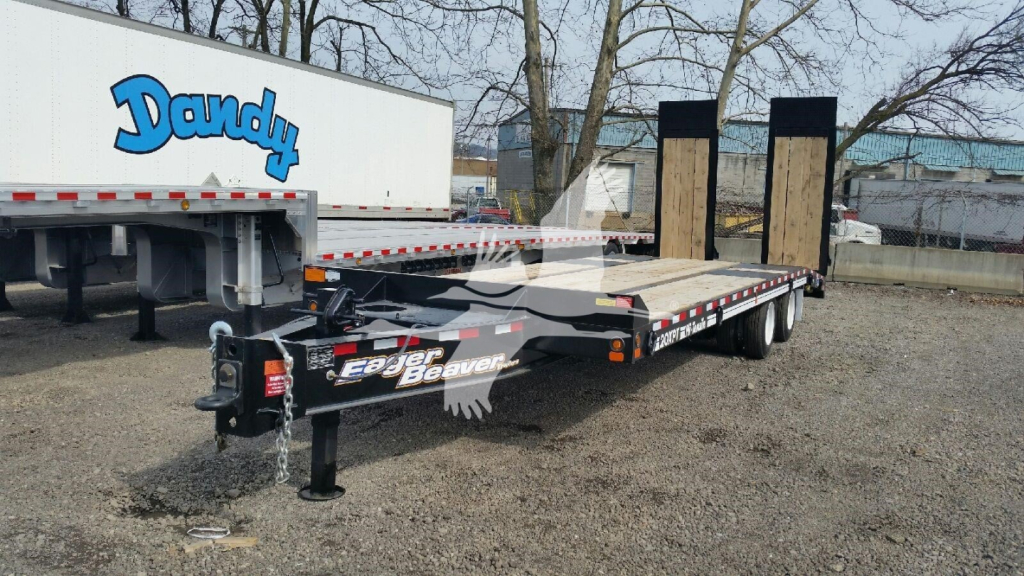
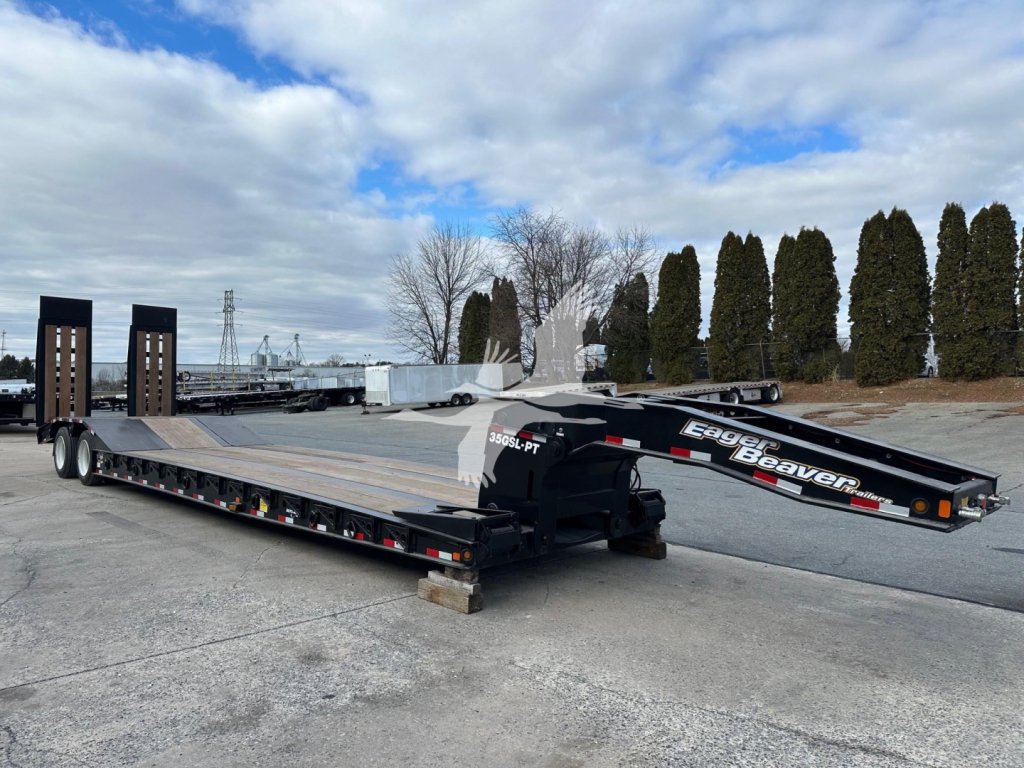
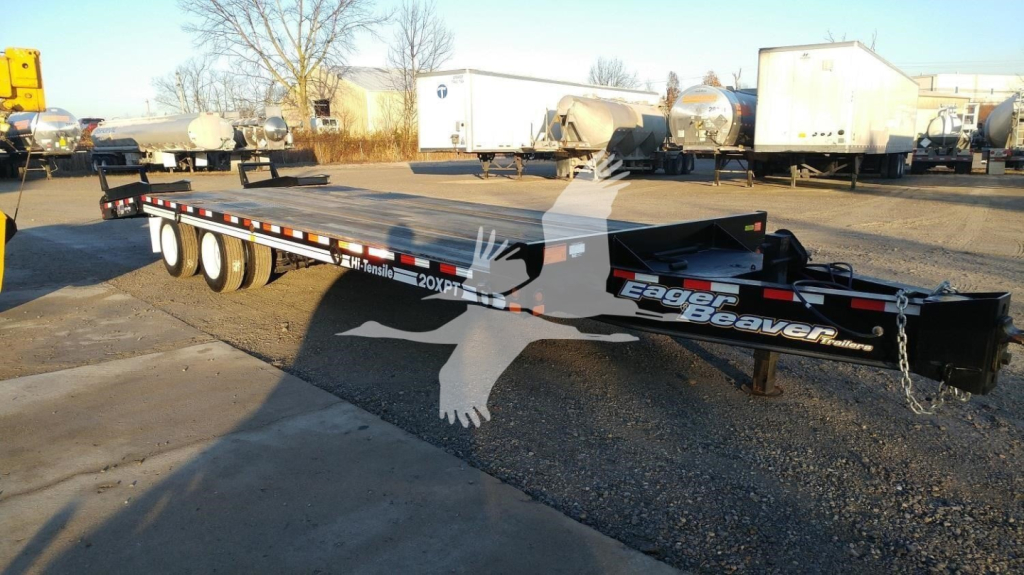
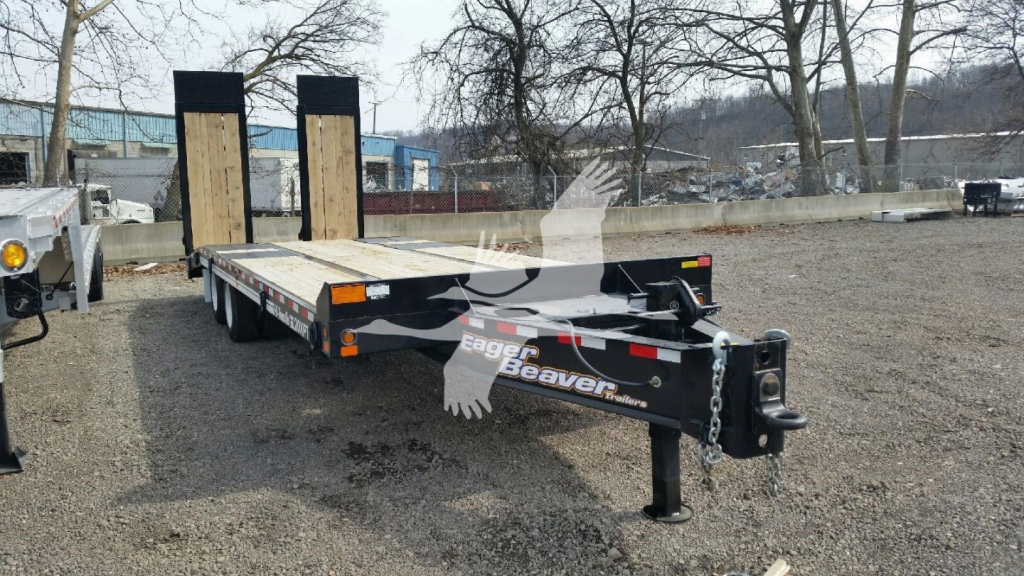
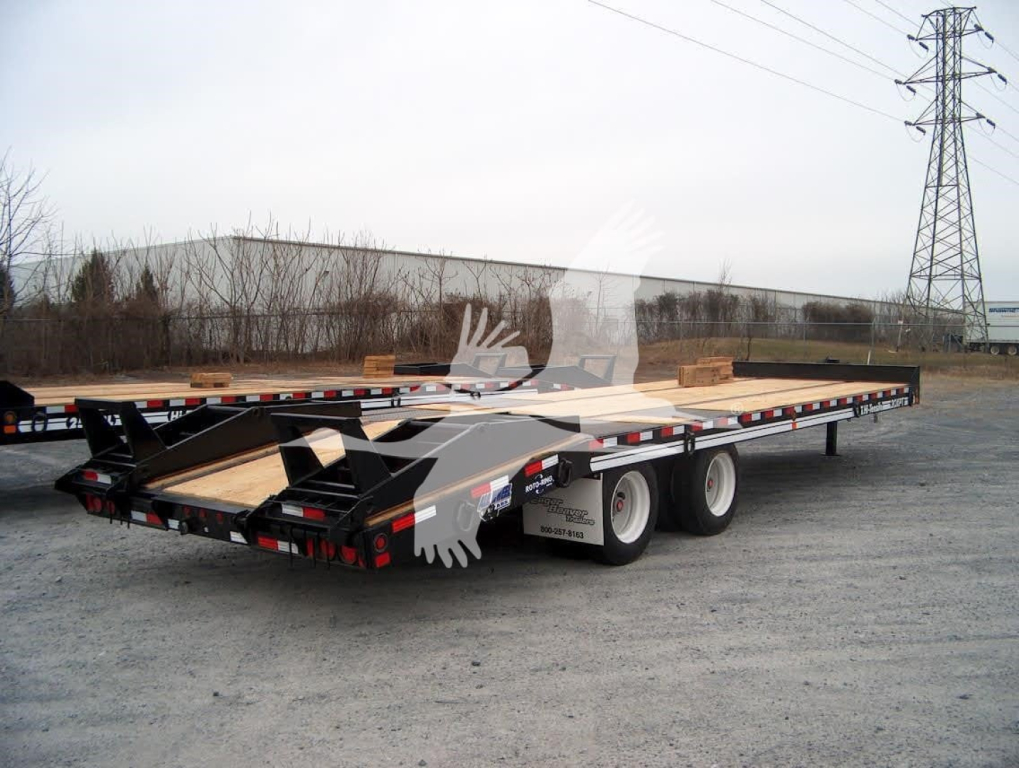
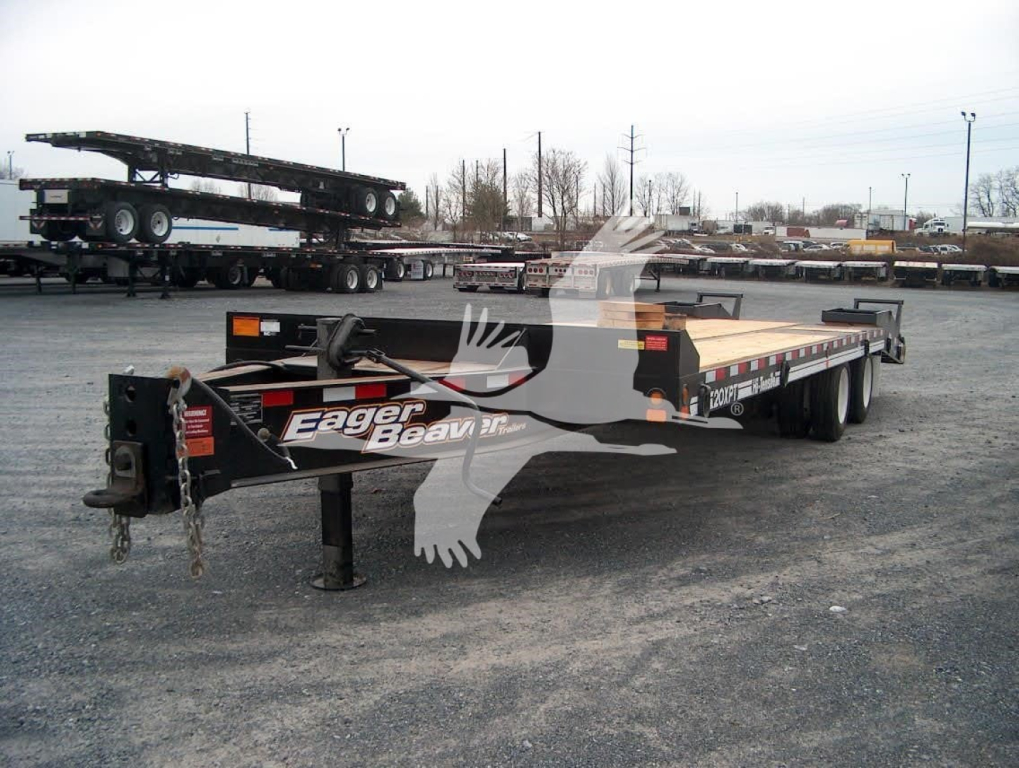
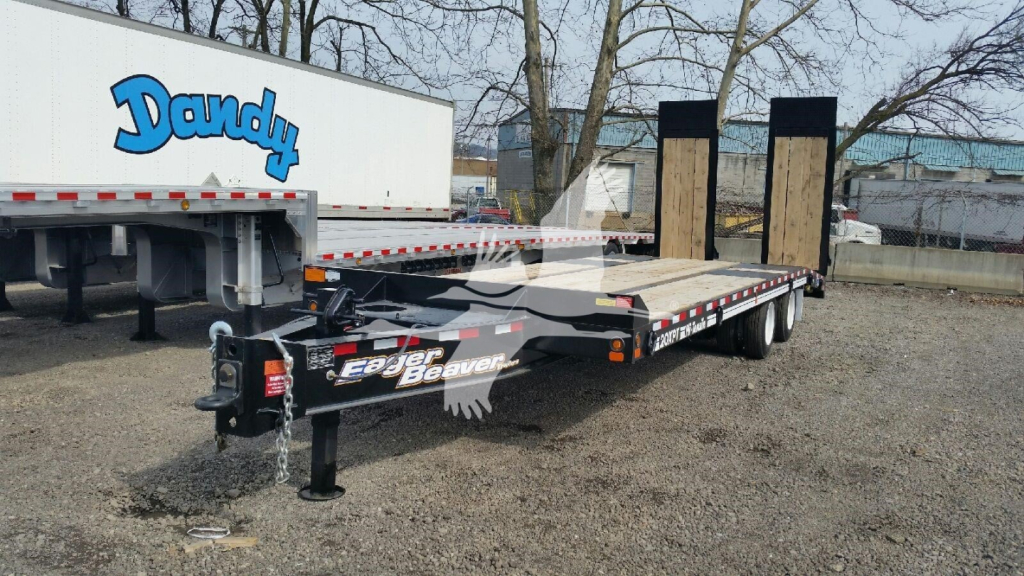
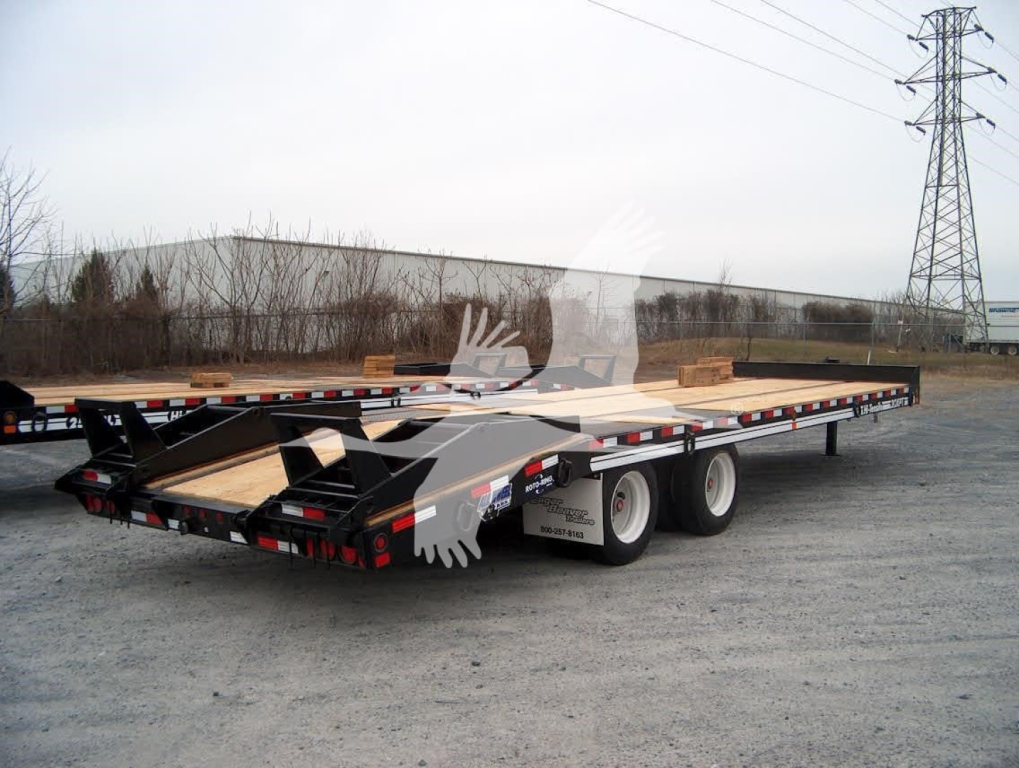
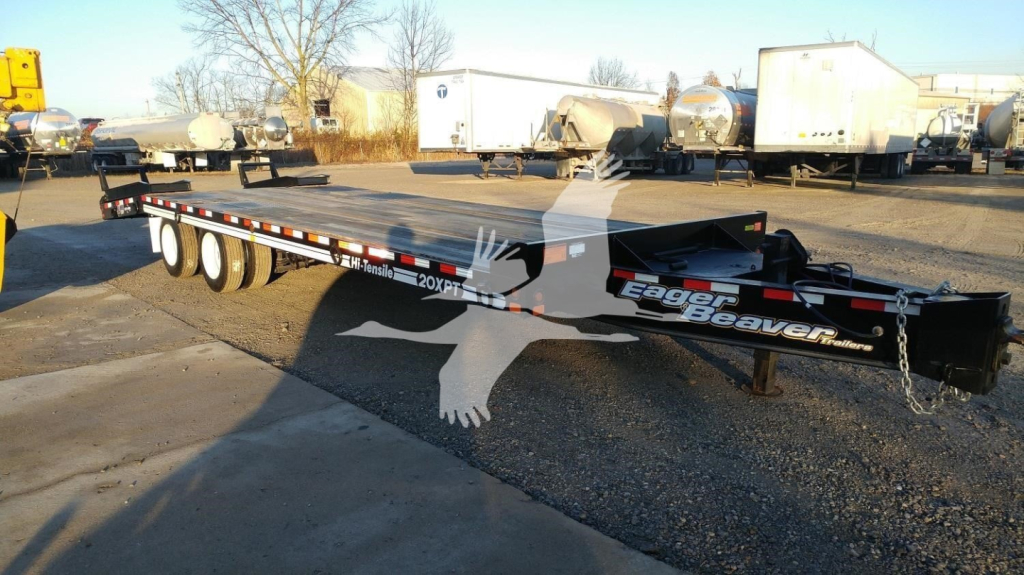
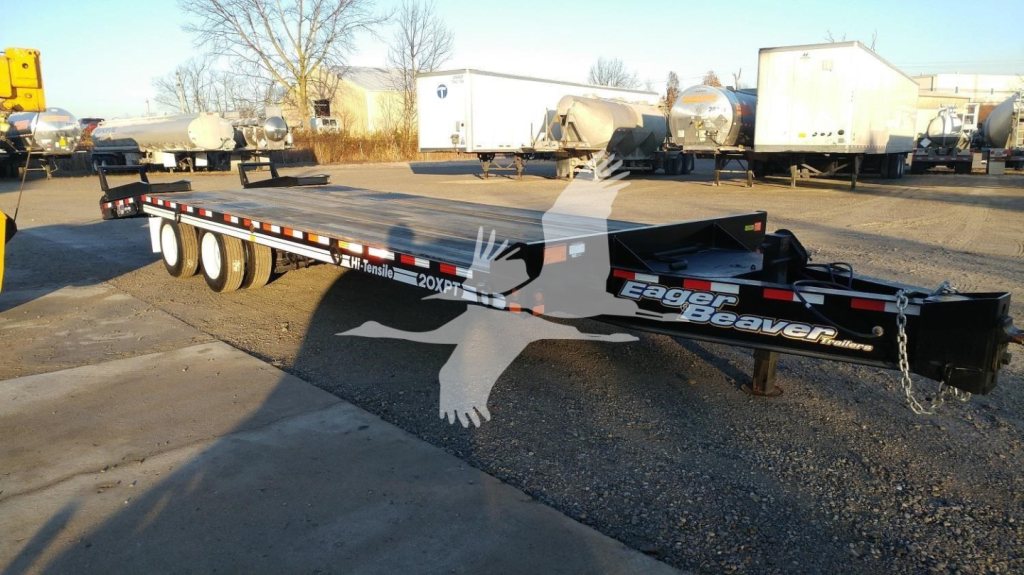
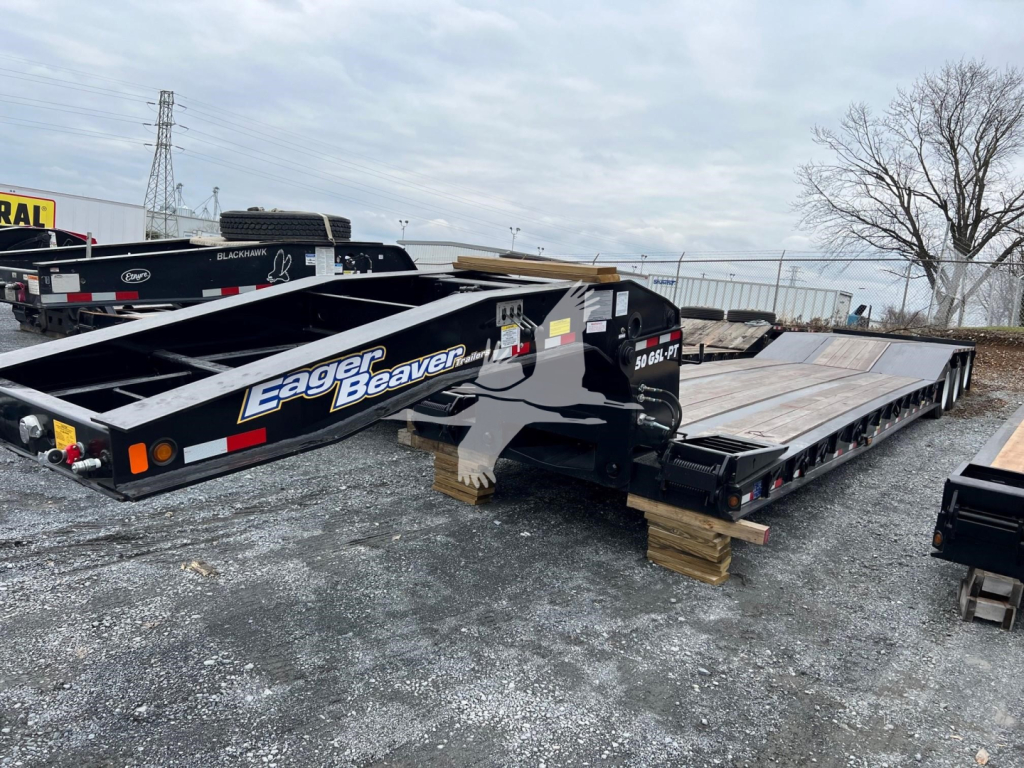
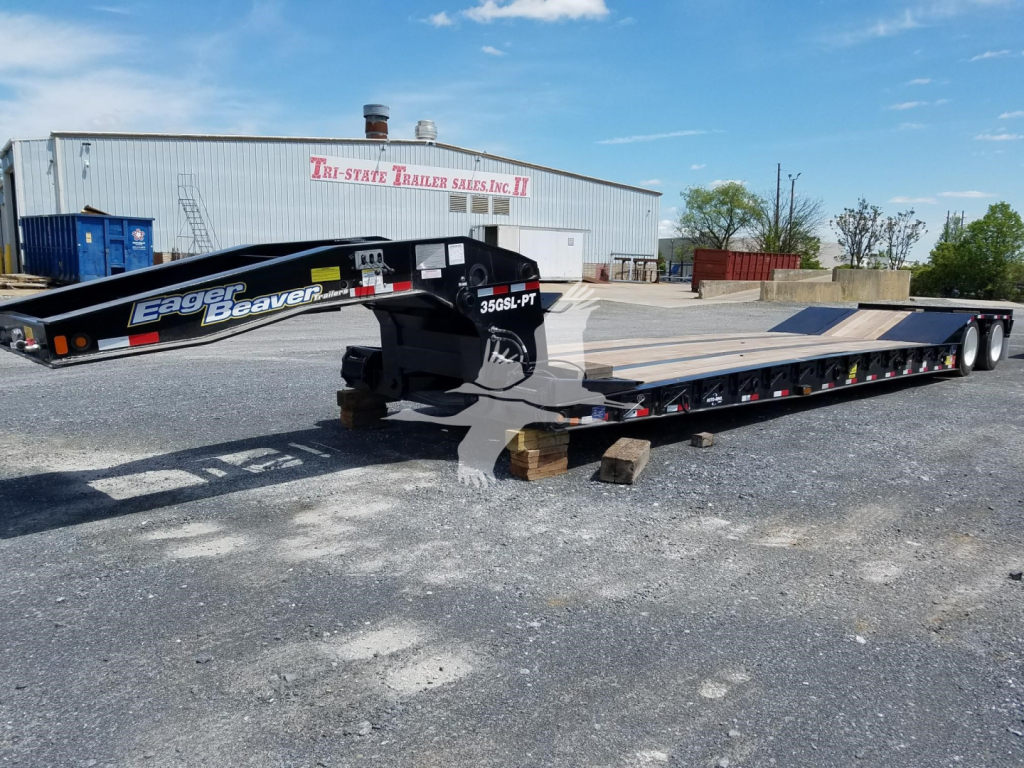
For many buyers, the first decision is fixed deck equipment trailer versus hydraulic detachable lowboy. Eager Beaver flatbed and tag-style equipment trailers in the 20 ton range are often set up with spring ride suspensions, pintle hook couplers, beavertails, and heavy duty ramps for skid steers, mini excavators, and smaller iron. Their lowboy trailers move into 35 ton and 50 ton classes with hydraulic detachable goosenecks, non-ground bearing neck designs, loaded fifth wheel heights around 50 inches, and main deck heights near 24 inches loaded. Common specs include 24 foot main decks, rear deck slopes, 1-1/2 inch Apitong flooring, swing-out outriggers on 24 inch centers, ROTO D-rings, and air ride suspensions with raise-and-lower valves and dump valves to help with loading angle and deck control.
A buyer comparing 2026 Eager Beaver lowboys should pay close attention to axle count, axle spacing, swing clearance, deck length, and neck style. Tandem axle 35 ton models can be a strong fit for regional contractors hauling medium-size machines without stepping up to a tri-axle trailer. Tri-axle 50 ton models offer more payload capacity and are commonly spec'd with rear lift axles, 255/70R22.5 rubber, steel disc wheels, and kingpin settings around 15 inches. Details like mesh center decking, steel-covered risers, wood-filled front ramps with spring assist, roller stops on the tailboard, and perimeter beam construction matter because they affect loading confidence, maintenance cost, and how well the trailer matches the equipment mix in your fleet. If permits, bridge law, and route restrictions are part of your day-to-day operation, those dimensions and axle configurations deserve as much attention as the rated tonnage.
Eager Beaver trailers also tend to appeal to buyers who want proven heavy-haul features without overcomplicating the spec. Apitong floors remain popular because they wear well under steel tracks, while air ride suspension helps protect trailer structure and cargo over rough roads. Buyers should confirm tie-down layout, brake configuration, ABS, lighting, flag holders, toolbox provisions, and wet kit requirements for hydraulic neck operation before making a final decision. The best 2026 Eager Beaver trailer for your operation usually comes down to the machine dimensions you haul most often, the loading method you prefer, and how much flexibility you need for changing jobs, permit zones, and tractor compatibility.
Frequently Asked Questions about 2026 Eager Beaver Trailers
What are the most common types of 2026 Eager Beaver trailers?
The most common 2026 Eager Beaver trailers in the market are hydraulic detachable lowboys and equipment-style flatbed trailers. The lowboy segment typically includes 35 ton and 50 ton classes built for hauling larger construction and paving equipment, while the flatter deck and beavertail configurations are more common for smaller machines and general equipment transport. Buyers usually choose based on load height, machine weight, and whether a detachable gooseneck is needed for easier loading.
What should I look for when buying an Eager Beaver lowboy trailer?
Start with the core fit items: rated capacity, loaded deck height, axle count, main deck length, and gooseneck style. After that, look closely at kingpin setting, swing clearance, axle spacing, suspension type, and whether the trailer has outriggers, lift axles, dump valves, and raise-and-lower controls. Floor material, ramp design, D-ring placement, and rear deck slope also matter because they affect how easily your equipment loads and how well the trailer holds up under repeated use.
Are Eager Beaver trailers good for hauling tracked equipment?
Yes. Eager Beaver trailers are commonly spec'd for tracked machines such as excavators, dozers, pavers, and compactors. Features like Apitong flooring, low loaded deck heights, hydraulic detachable necks, spring-assist front ramps, and heavy-duty tie-down points are designed around equipment loading and securement. Buyers hauling steel-track machines should still verify deck construction, center deck material, and weight distribution across the axle group for their specific application.
What is the advantage of a hydraulic detachable gooseneck on an Eager Beaver trailer?
A hydraulic detachable gooseneck allows the trailer to separate at the front so self-propelled equipment can be driven directly onto the deck from ground level. That reduces loading angle, improves safety for certain machines, and helps with taller equipment that would be harder to load on a fixed-neck trailer. It also gives the operator more flexibility when handling pavers, rollers, and other machines with low ground clearance or limited ramp approach capability.
Do 2026 Eager Beaver trailers usually come with air ride suspension?
Many 2026 Eager Beaver lowboy configurations are equipped with air ride suspension, especially in 35 ton and 50 ton hydraulic detachable models. Air ride helps cushion the load, can improve ride quality, and often works with dump and raise-and-lower valves to fine-tune deck height during loading. Some equipment-style flatbed trailers may use spring ride instead, so suspension type should always be checked against the intended cargo and operating conditions.