
2026 Eager Beaver Trailers For Sale in Pennsylvania
Shop 2026 Eager Beaver trailers for sale, including tag, lowboy, and detachable models built for equipment hauling and heavy-duty jobsite use.
Selling a 2026 eager beaver trailer? List your 2026 eager beaver trailer for sale and reach thousands of commercial buyers.
2026 Eager Beaver Trailers in Pennsylvania
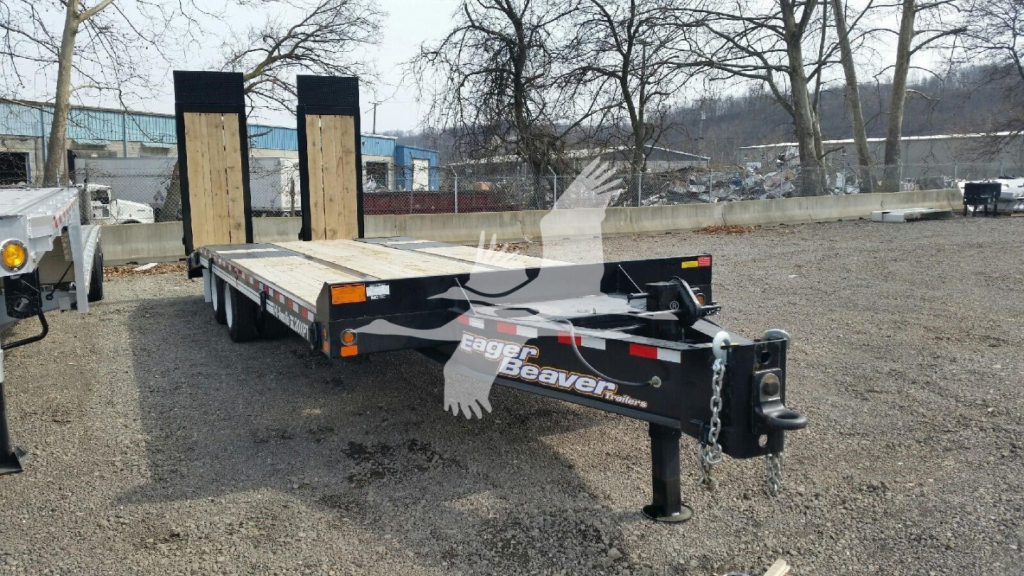
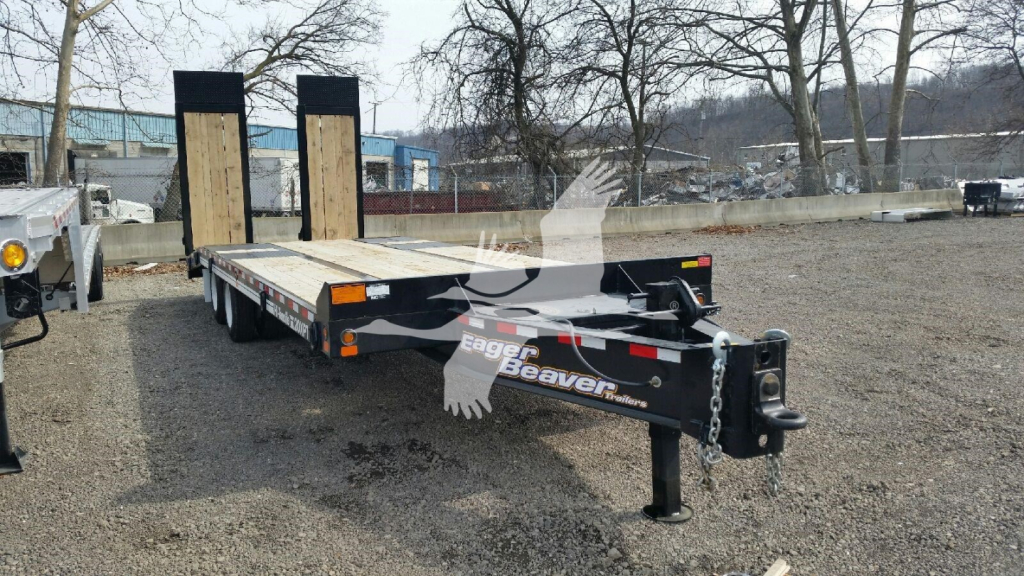
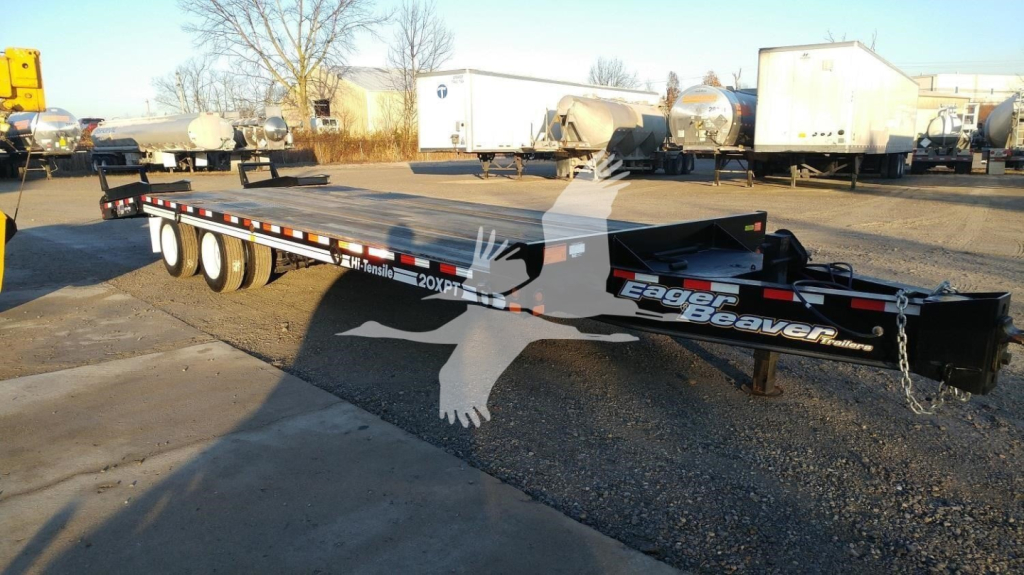
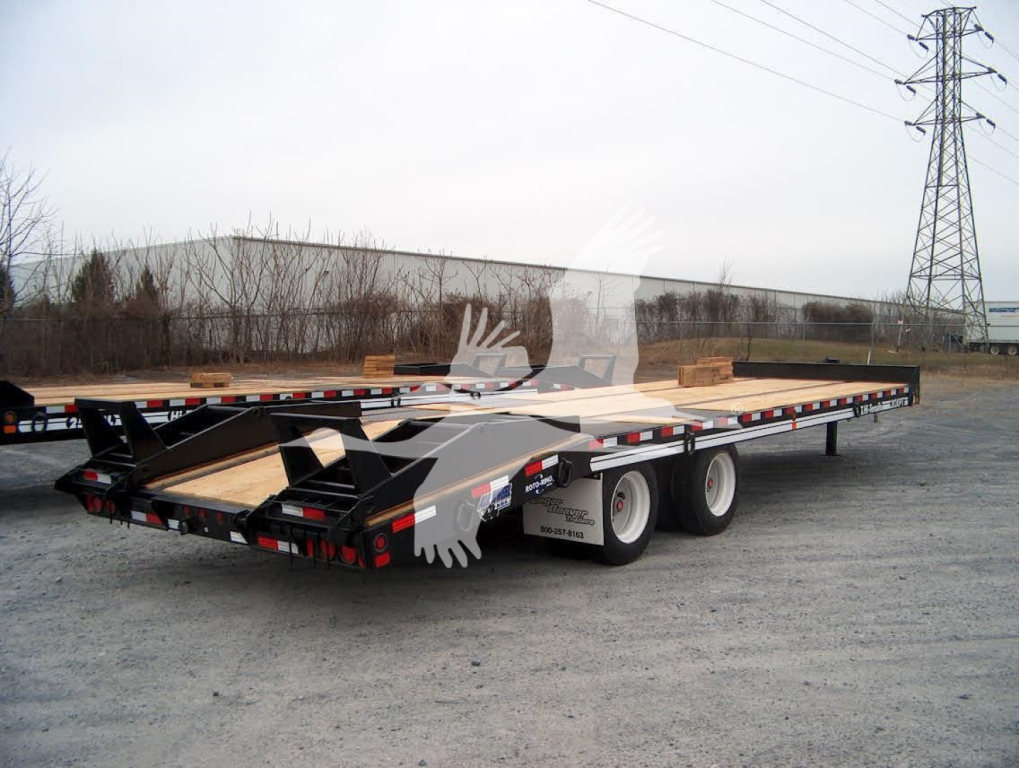
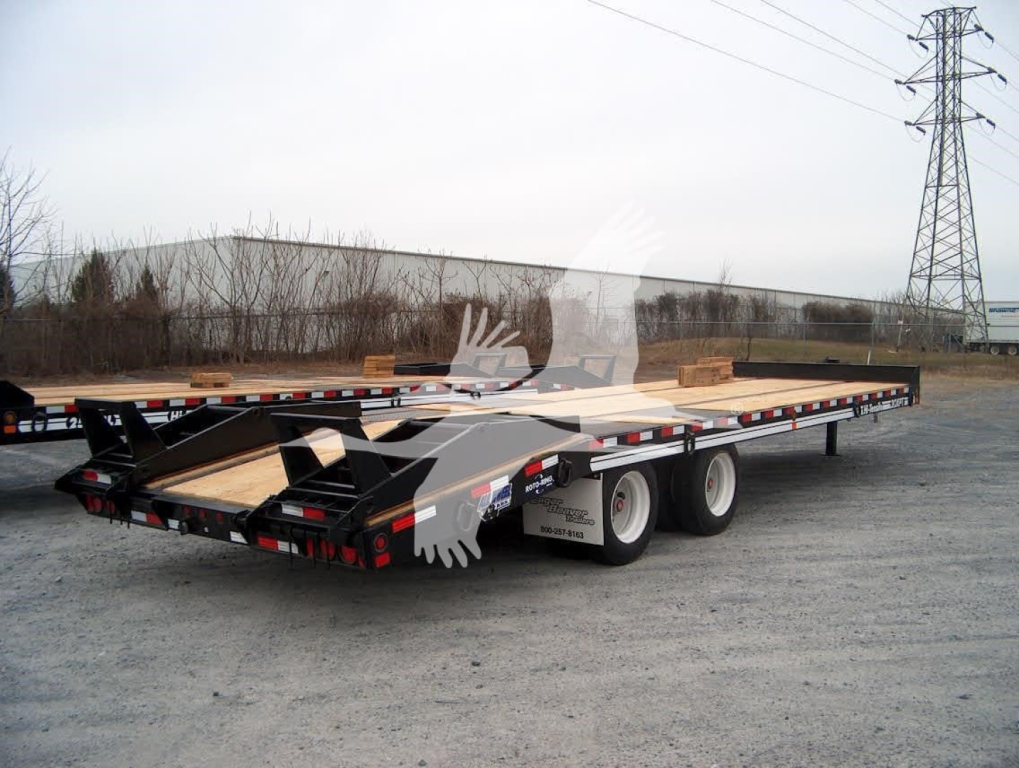
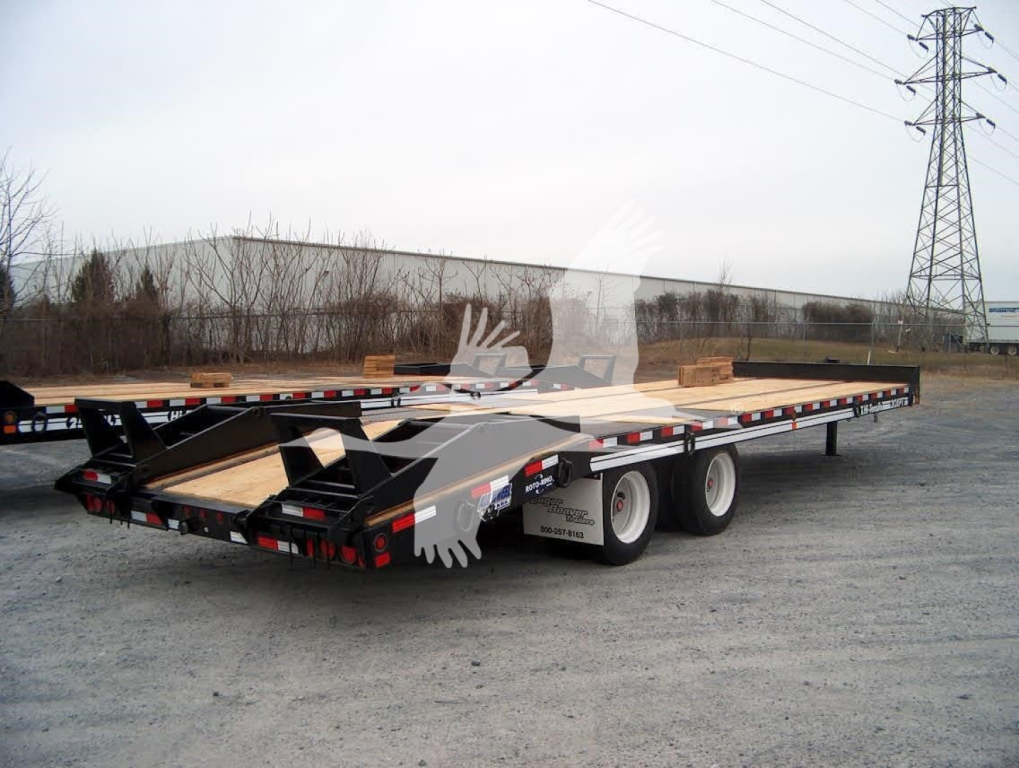
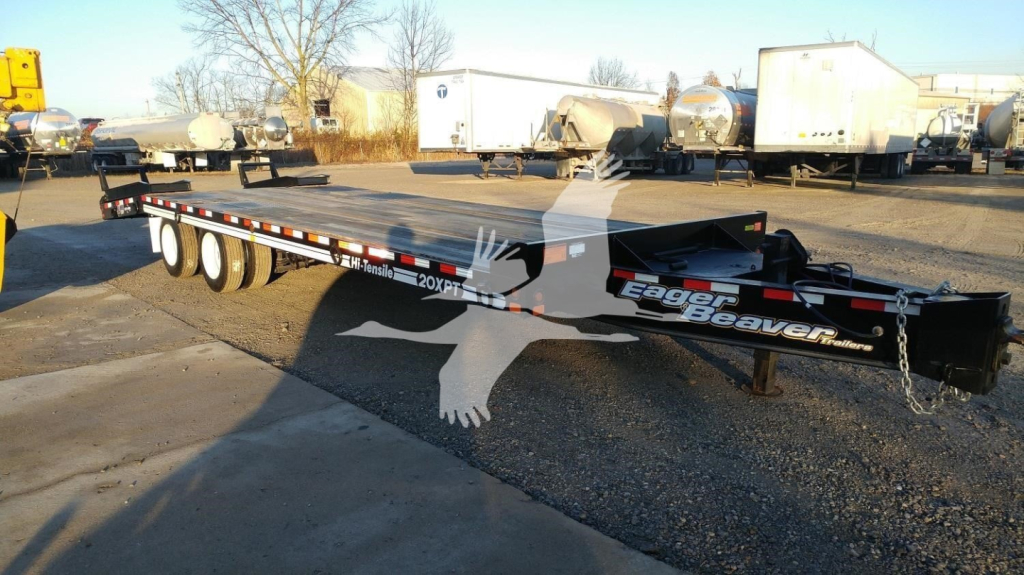
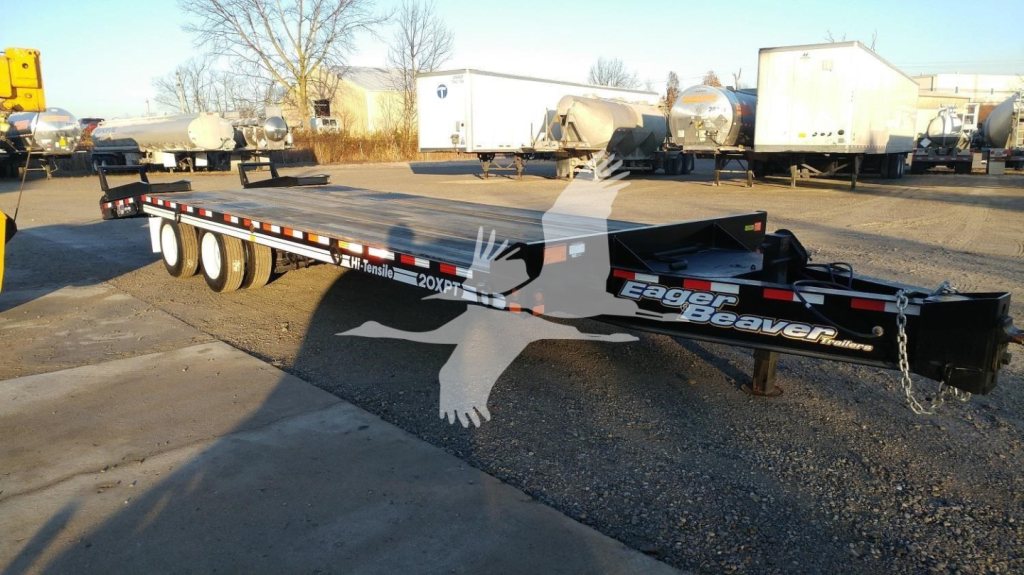
For tag and fixed-neck equipment trailers, the key buying decisions are deck length, beavertail angle, ramp construction, and axle count. Typical examples in this class run around 34 to 37 feet long and 102 inches wide, with about 21 to 24 feet of flat deck, 6-foot beavertails, and 6-foot loading ramps. Main deck height is commonly around 34 inches, which is a workable balance between ground clearance and loading angle for skid steers, compact excavators, rollers, and mid-size construction equipment. Buyers should pay close attention to ramp style, since wood-filled and angle-iron ramps load differently depending on track pattern, tire contact patch, and weather conditions. Spring ride suspensions, Hutchens setups, 17.5-inch rubber, adjustable pintle heights, and lockable drawbar tool storage are all common features in this segment.
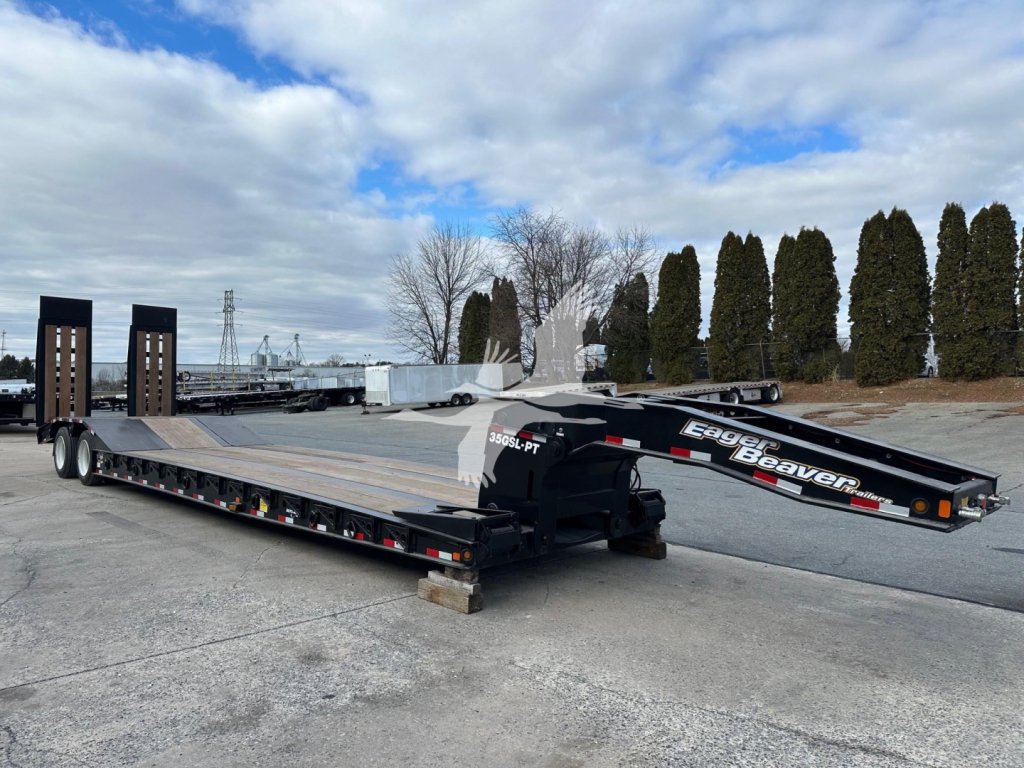
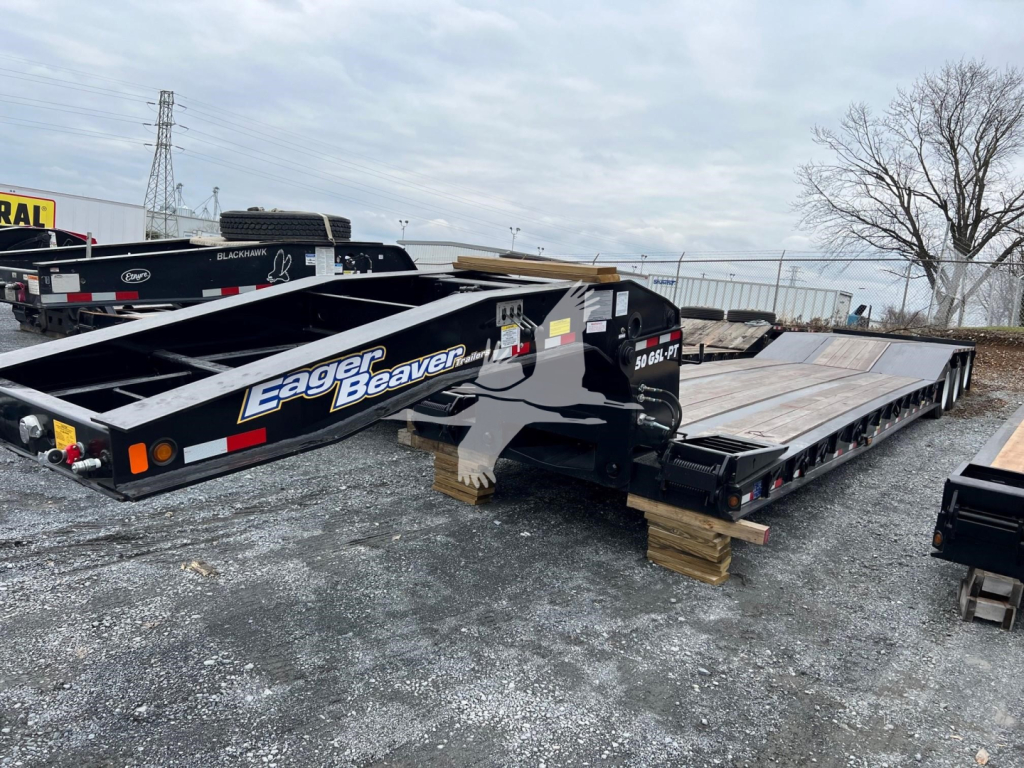
If the load list includes pavers, large excavators, dozers, or higher overall machine weight, the Eager Beaver hydraulic detachable lowboy category deserves a close look. A 50-ton hydraulic detachable paver trailer typically adds a much lower loaded deck height, often around 24 inches, plus a removable gooseneck for easier loading without steep rear approach angles. In this class, buyers should compare axle spacing, air ride versus spring ride, kingpin setting, swing clearance, outriggers, crossmember spacing, and deck floor construction. Features such as 24-inch outriggers, Apitong decking, mesh or wood center sections, manual dump valves, raise-and-lower controls, and lift axles can make a real difference in both legal load planning and jobsite usability.
In Pennsylvania, trailer buyers often balance highway travel, bridge-law considerations, and rougher jobsite access when choosing between a tag trailer and a detachable lowboy. A lighter 20-ton or 25-ton tag unit can be a strong fit for regional contractors who want simpler loading, lower acquisition cost, and compatibility with pintle-equipped trucks. A hydraulic detachable lowboy makes more sense when deck height, machine dimensions, or frequent heavy-haul loading justify the added complexity. Across the Eager Beaver line, the details that matter most are rated capacity versus actual payload, brake configuration, ABS setup, axle design, deck durability, and how the trailer matches the trucks already in the fleet.
Frequently Asked Questions about 2026 Eager Beaver Trailers in Pennsylvania
What types of 2026 Eager Beaver trailers are most common?
The most common 2026 Eager Beaver trailers in the market include tag trailers, equipment trailers with fixed necks and beavertails, and hydraulic detachable lowboy trailers. Tag models are typically used for hauling compact to mid-size equipment with a pintle hook connection, while hydraulic detachable lowboys are built for heavier and taller machines that need a lower deck height and easier loading angle. The right type usually depends on machine weight, machine length, and the truck spec already assigned to pull the trailer.
How do I choose between a tag trailer and a hydraulic detachable lowboy?
A tag trailer is usually the simpler and more economical choice for contractors hauling skid steers, mini excavators, rollers, compact track loaders, and similar equipment. It is easier to maintain, often lighter, and works well with tandem or tri-axle trucks equipped with pintle hitches. A hydraulic detachable lowboy is the better choice when hauling heavier iron, taller machines, or equipment that benefits from a lower deck height and front-loading capability. Buyers should compare actual payload, deck height, loading angle, axle group, and tractor compatibility before deciding.
What specs matter most on an Eager Beaver equipment trailer?
The most important specs are rated capacity, usable deck length, loaded deck height, beavertail length, ramp design, axle count, suspension type, and brake configuration. For heavier applications, buyers should also review kingpin setting, gooseneck style, axle spacing, outriggers, floor material, and swing clearance. Deck construction matters because Apitong flooring, wood center sections, and crossmember spacing affect durability under concentrated machine loads. It is also important to confirm tire size, wheel type, and whether the trailer uses spring ride or air ride suspension.
Are Eager Beaver trailers a good fit for paving and construction fleets?
Yes. Eager Beaver trailers are widely used in paving, grading, utility, excavation, and general construction work because their designs are built around common contractor hauling needs. Paver and lowboy configurations are especially relevant for fleets moving asphalt equipment, compactors, excavators, and support machines between plants and jobsites. Features like hydraulic detachable necks, outriggers, D-rings, lockable tool storage, and heavy-duty flooring make them practical for fleets that load often and operate in demanding site conditions.
What should Pennsylvania buyers pay attention to when shopping for a trailer?
Pennsylvania buyers should pay close attention to trailer weight, axle layout, overall length, and how the trailer will be registered and operated on state roads and local routes. Bridge formula considerations, seasonal road conditions, and uneven jobsites can all influence the best axle and suspension setup. Buyers should also confirm that the trailer deck height and loading method fit the machines they haul most often, especially if the route includes tighter access points, jobsite grades, or frequent short-haul movement between projects.