
Eager Beaver Flatbed Trailers For Sale in Ohio
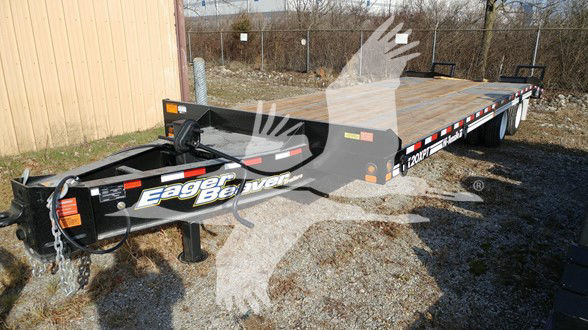
Have eager beaver flatbed trailer to sell? List it here to reach thousands of buyers.
Eager Beaver Flatbed Trailers in Ohio
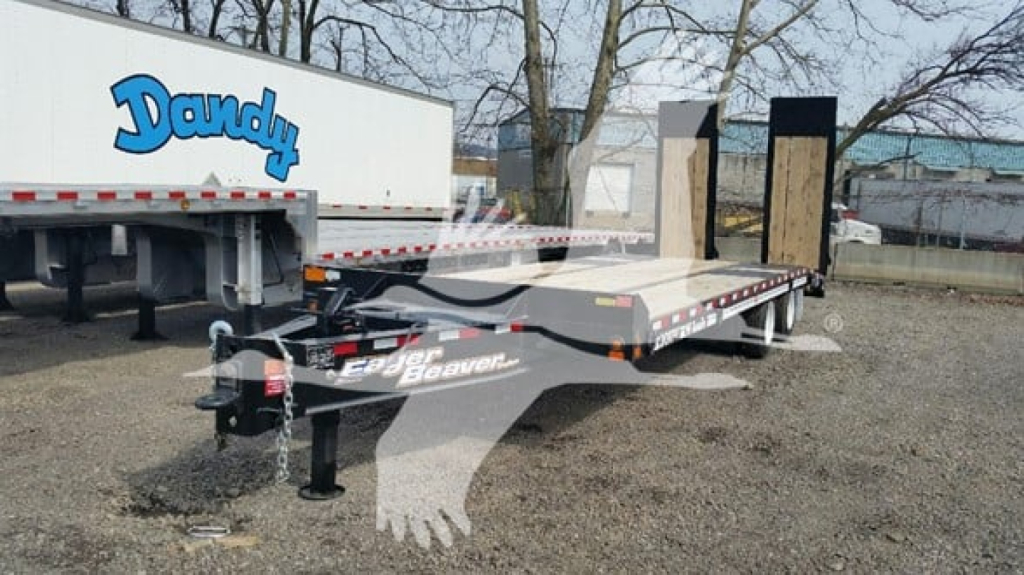
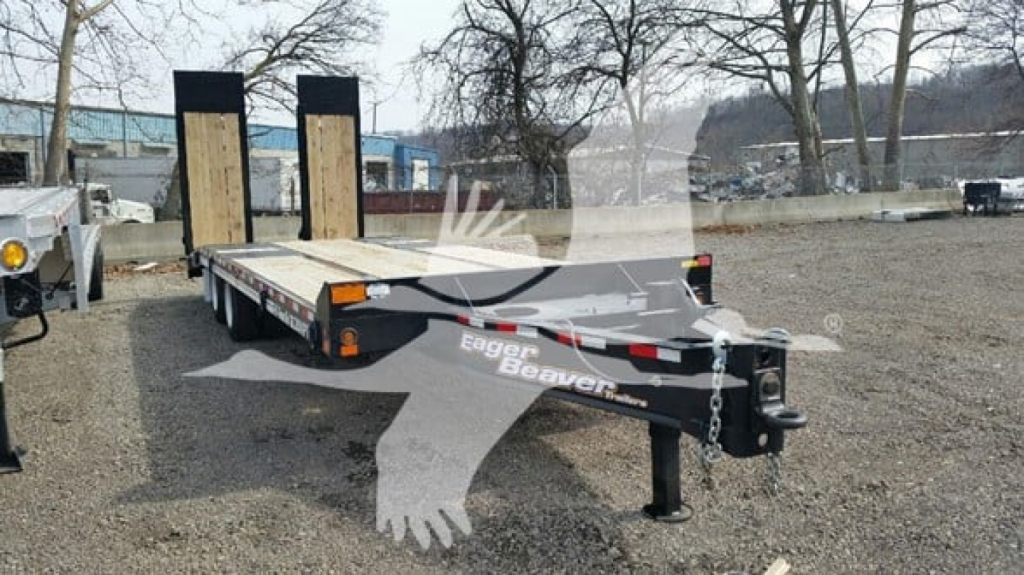
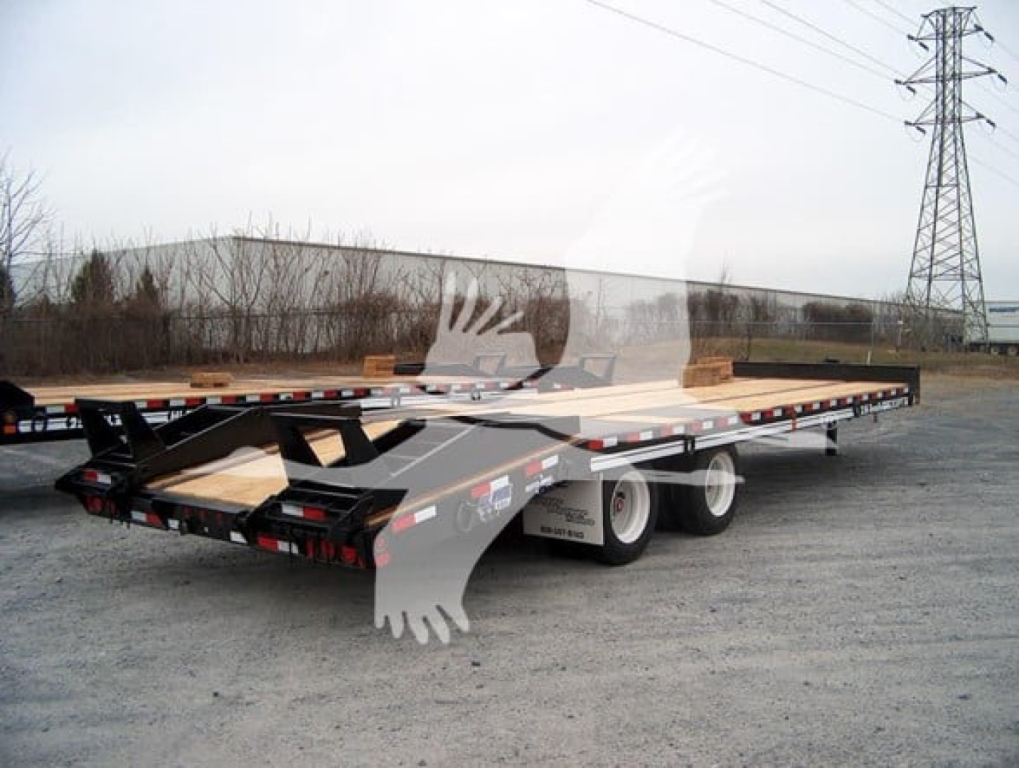
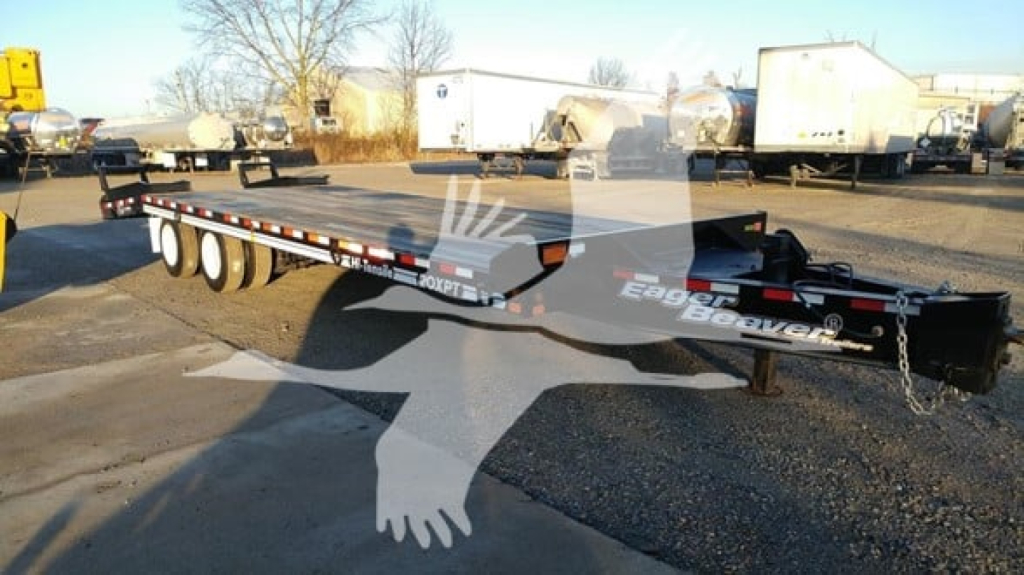
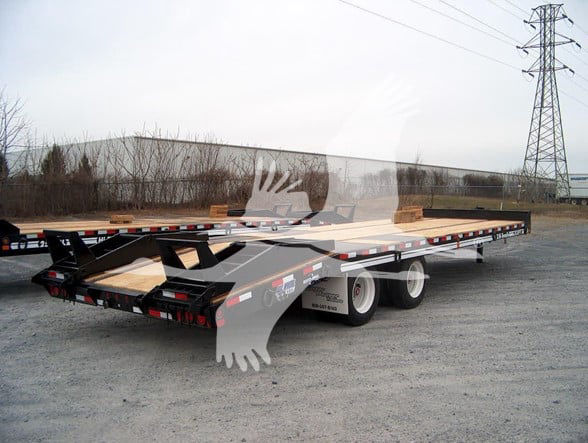
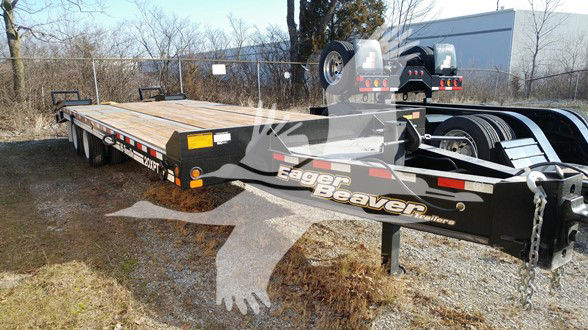
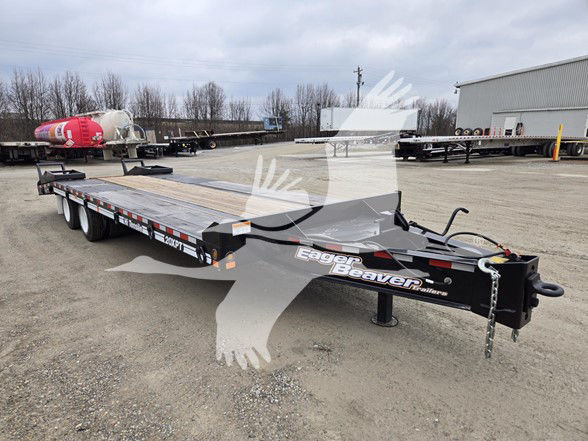
A lot of the decision comes down to deck layout and loading geometry. Common configurations in this group include 102-inch overall width, deck lengths around the mid-30-foot range, main deck heights in the low-30-inch range, and a beavertail that improves the load angle for rubber-tire and steel-track equipment. Buyers comparing listings should pay close attention to main deck length, beavertail length, ramp style, and rated capacity. A 20-ton trailer may look similar across listings, but hydraulic ramps versus angle iron ramps can change loading speed, operator effort, and suitability for low-clearance machines. Floor material also matters. Apitong outer decking and mixed wood floors are common because they balance durability, repairability, and traction.
Running gear and brake specs are just as important as deck dimensions. Tandem axle setups, spring ride suspensions such as Hutchens configurations, 17.5-inch tires, ABS, and spring brakes on all axles are common on this type of trailer. For buyers in Ohio, that combination is well suited for regional equipment moves, municipal work, farm support, and contractor fleets that need a dependable trailer behind a tandem or single-axle truck with a pintle arrangement. Check suspension setting, loaded deck height, empty weight, and coupler adjustability to make sure the trailer matches the tow vehicle and intended load mix. A lower trailer can improve loading and stability, while tare weight affects how much payload you can legally carry.
The best Eager Beaver flatbed trailer for sale is the one that fits the equipment you move most often, not just the highest capacity on paper. Look closely at tie-down count and placement, ramp width, bulkhead design, toolbox or storage provisions, and how the trailer is braked and wired. If the trailer will spend most of its life hauling compact equipment, a lower deck and easier ramp setup may matter more than extra deck length. If it will see mixed freight, attachments, and palletized material, deck usability and securement flexibility move higher on the list. These trailers are also commonly referred to as equipment trailers or tag trailers, depending on hitch style and application.
Frequently Asked Questions about Eager Beaver Flatbed Trailers in Ohio
What is an Eager Beaver flatbed trailer typically used for?
An Eager Beaver flatbed trailer in this class is typically used for hauling compact and mid-size equipment, attachments, building materials, and other jobsite freight that can be loaded from the rear. Common loads include skid steers, mini excavators, small dozers, tractors, aerial lifts, and implements. Many models in this category are really equipment trailers with a flat deck, bulkhead, beavertail, and ramps, which makes them better suited to machinery loading than a standard over-the-road flatbed.
What should I check first when comparing Eager Beaver flatbed trailer listings?
Start with rated capacity, deck length, deck height, and ramp configuration. Those four items determine whether the trailer can safely carry your machine and whether it can be loaded without clearance problems. After that, review trailer empty weight, axle and suspension specs, tire size, tie-down arrangement, and hitch type. A trailer with the right load angle and securement layout is usually more useful in daily service than one that only looks good on paper.
Are hydraulic ramps better than fixed or angle iron ramps on an equipment flatbed trailer?
Hydraulic ramps are usually better for fleets that load often, handle heavier machines, or want faster and safer operation with less manual effort. Fixed or angle iron ramps are simpler and can reduce cost and maintenance, but they may be less convenient for repeated loading and can be a poorer match for certain tire sizes or low-clearance equipment. The right choice depends on how often the trailer is used, who is operating it, and what types of machines are being loaded.
Why does deck height matter on a flatbed equipment trailer?
Deck height directly affects load angle, stability, and overall ease of use. A lower deck typically creates a shallower approach angle at the beavertail and ramps, which helps when loading machines with low ground clearance or longer wheelbases. It can also improve stability during transport by keeping the center of gravity lower. The tradeoff is that lower deck height must still be balanced against axle placement, tire size, and ground clearance for the trailer itself.
Is a 20-ton Eager Beaver flatbed trailer enough for most contractor equipment?
A 20-ton rating covers a wide range of contractor and municipal equipment, but capacity should always be matched to actual operating weight, attachments, fuel, and any additional cargo on the deck. Many compact excavators, skid steers, tractors, rollers, and support machines fall comfortably within this range, while larger earthmoving equipment may require a heavier trailer class. Buyers should verify payload needs against the trailer GVWR, trailer empty weight, axle ratings, and the legal towing capability of the truck.