
2017 Trailers For Sale in Ohio
Browse 2017 trailers for sale in Ohio, including flatbeds, drop decks, lowboys, and tags for freight, equipment, and heavy haul work.
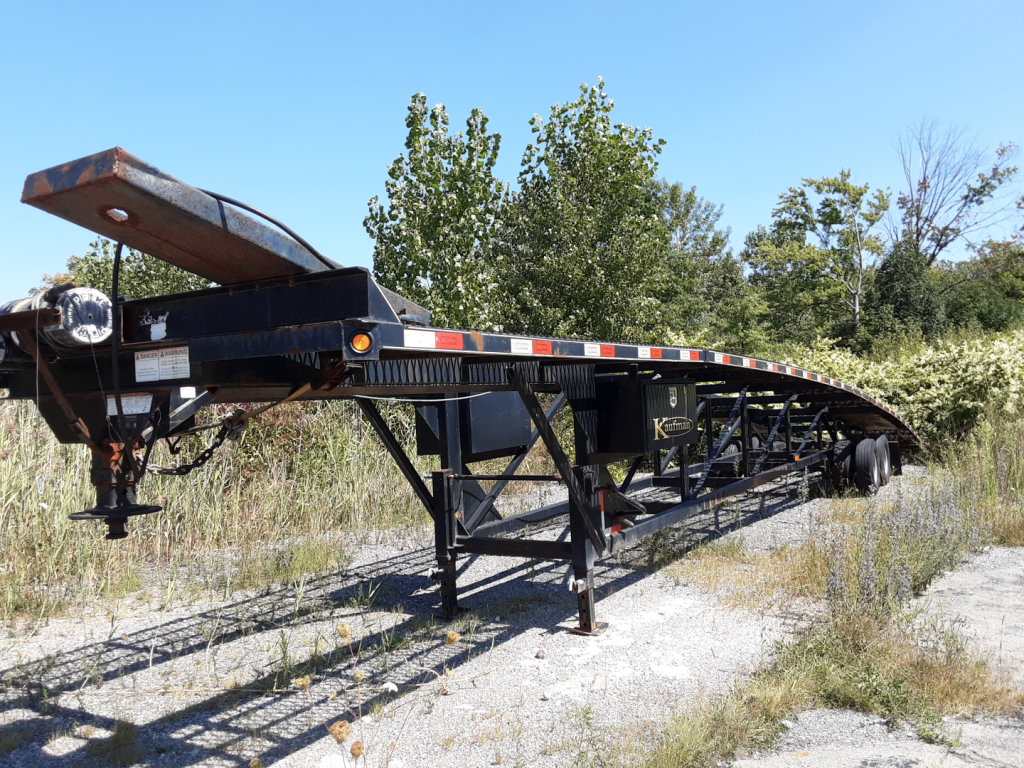
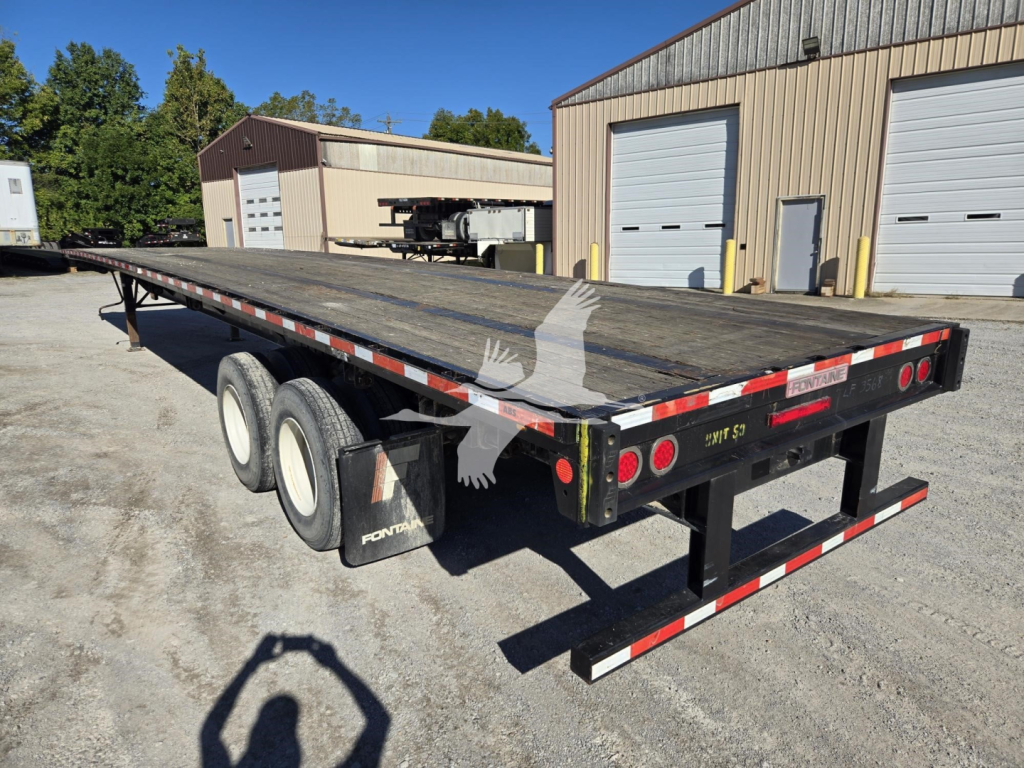
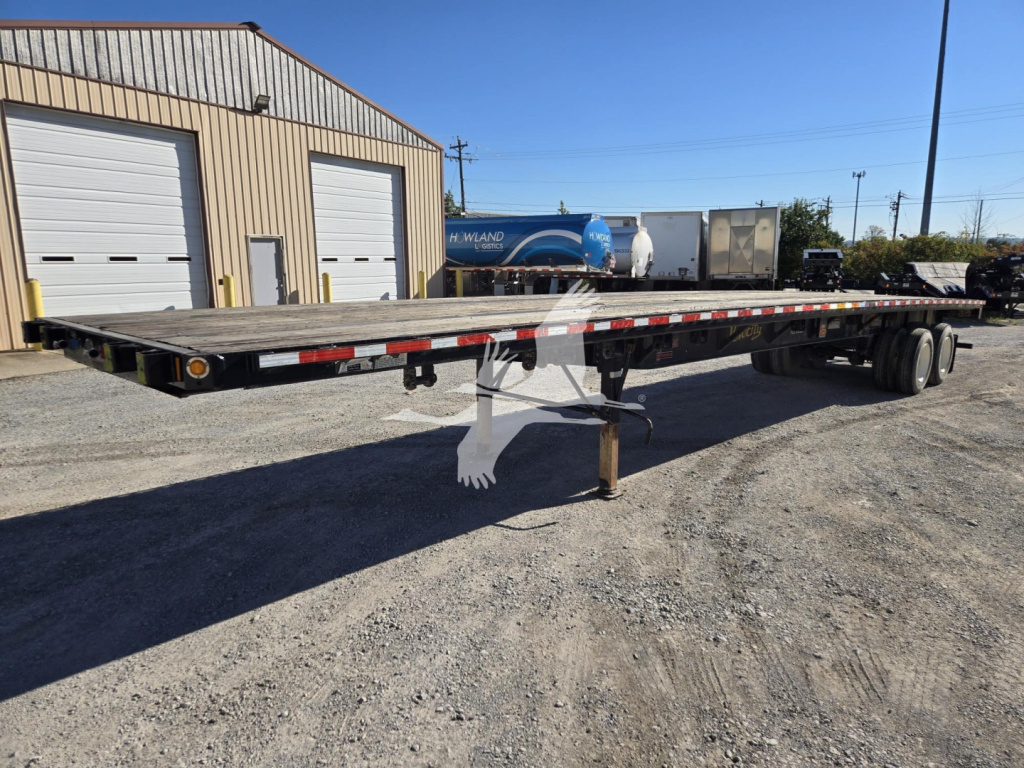
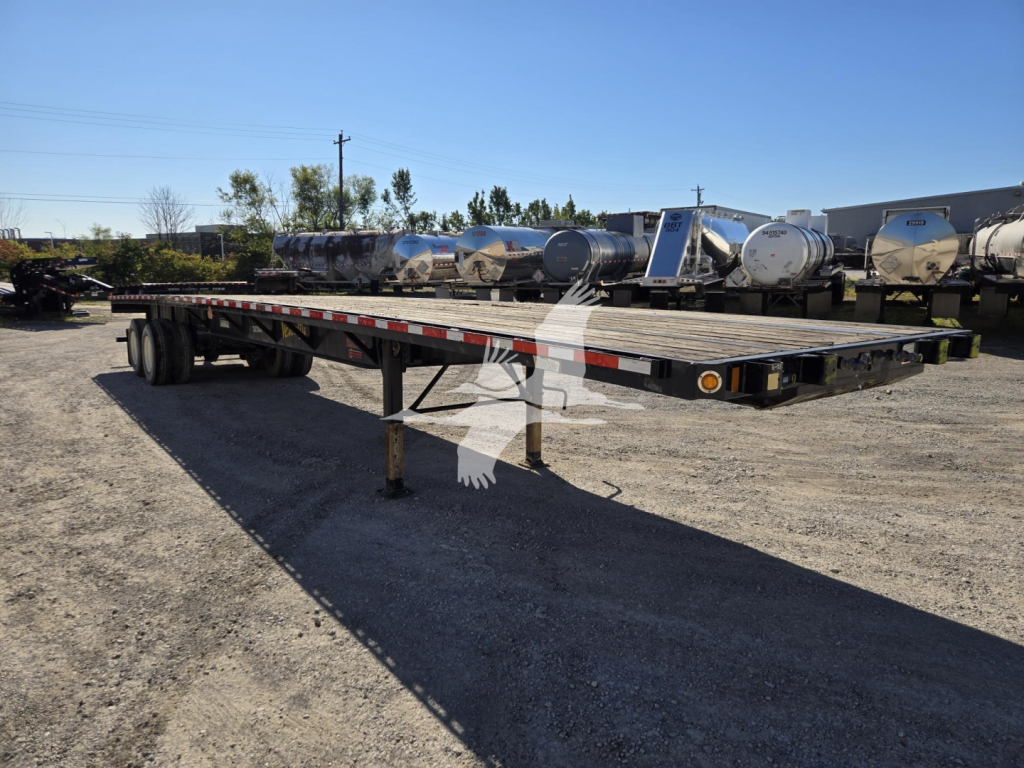
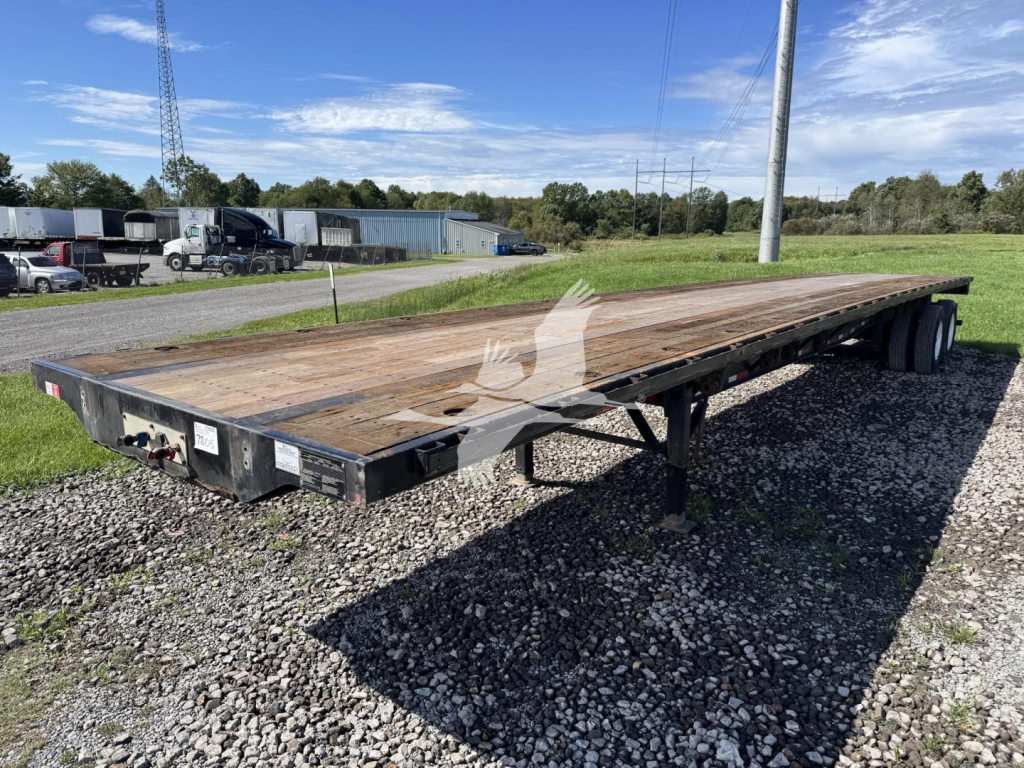
Selling a 2017 trailer? List your 2017 trailer for sale and reach thousands of commercial buyers.
2017 Trailers in Ohio
The 2017 trailer market usually includes a broad mix of configurations such as flatbeds, drop decks, lowboys, detachable goosenecks, and tag trailers. Spec decisions should follow the freight. For general commodity hauling, deck length, side rail condition, winch track setup, and tiedown placement are key. For machinery and construction equipment, buyers should pay closer attention to loaded deck height, ground clearance, ramp style, axle spacing, deck rating, and swing clearance. Heavy haul buyers will also want to confirm kingpin setting, 5th wheel height compatibility, flip axle provisions, neck style, and any bridge-law advantages built into the axle spread.
On a 2017 used trailer, wear items tell the real story. Tire age and remaining tread, brake percentage, bushing condition, air system leaks, landing gear operation, and floor fastener condition can quickly change the total cost of ownership. Check for repairs around the neck, suspension hangers, rear frame, ramp pivots, and concentrated load areas. On drop decks and lowboys, deck height and structural straightness are especially important because even small deviations can affect loading angles, legal height, and tire clearance. In Ohio and surrounding states, it also pays to inspect for winter-related rust around light connections, mud flap brackets, crossmembers, and lower exposed steel.
A well-maintained 2017 trailer can still fit demanding commercial work if the spec matches the job and the structure is sound. Buyers comparing listings should focus less on paint and more on payload rating, tare weight, securement layout, suspension type, deck dimensions, and maintenance history. The right trailer in this year range can serve regional freight, construction support, agricultural hauling, or specialized heavy equipment moves with a lower acquisition cost than newer models, while still offering the practical features most fleets and owner-operators expect.
Frequently Asked Questions about 2017 Trailers in Ohio
What should I inspect first on a 2017 used trailer?
Start with the frame, crossmembers, suspension, brakes, tires, and floor. Structural condition is more important than cosmetic appearance. Look closely at rust, previous weld repairs, neck and rear impact areas, air leaks, worn bushings, lighting issues, and uneven tire wear. These areas usually reveal how the trailer was maintained and what near-term repair costs may be.
Is a 2017 trailer too old for commercial use?
Not necessarily. A 2017 trailer is still a workable age for many commercial applications if it has been maintained properly and the major components remain in good condition. Trailer lifespan depends more on duty cycle, corrosion exposure, load type, and maintenance history than model year alone. A seven to ten year old trailer with solid structure and documented service can still be a dependable revenue unit.
Which 2017 trailer type is best for hauling equipment?
That depends on the machine size, weight, and loading method. Tag trailers are common for local equipment moves with pintle-hook trucks. Drop decks help when extra deck length and lower freight height are needed. Lowboys and detachable goosenecks are the better choice for taller and heavier machines because they provide lower deck height, stronger concentrated load ratings, and easier loading for construction equipment.
What specs matter most when comparing 2017 trailers in Ohio?
In Ohio, buyers should pay close attention to corrosion-related condition, brake and tire life, suspension health, and electrical reliability. Salt exposure can shorten the life of wiring, lights, brackets, and lower steel components. Beyond condition, compare deck length, width, axle configuration, ride type, weight rating, and securement features so the trailer matches the intended freight and route requirements.
Can a 2017 trailer still meet current fleet requirements?
Yes, many 2017 trailers already have the core equipment fleets look for, including ABS, LED lighting, air ride suspension options, and practical securement hardware. The key is verifying that the trailer’s dimensions, rating, kingpin or pintle setup, and maintenance condition align with your truck, your freight, and any customer or jobsite requirements. Compliance and usability depend on the actual spec and condition, not just the year.