
Vanguard Trailers For Sale in Ohio
Shop Vanguard trailers for sale, including 53-foot dry van models with composite or sheet-and-post construction, air ride, and sliding tandems.
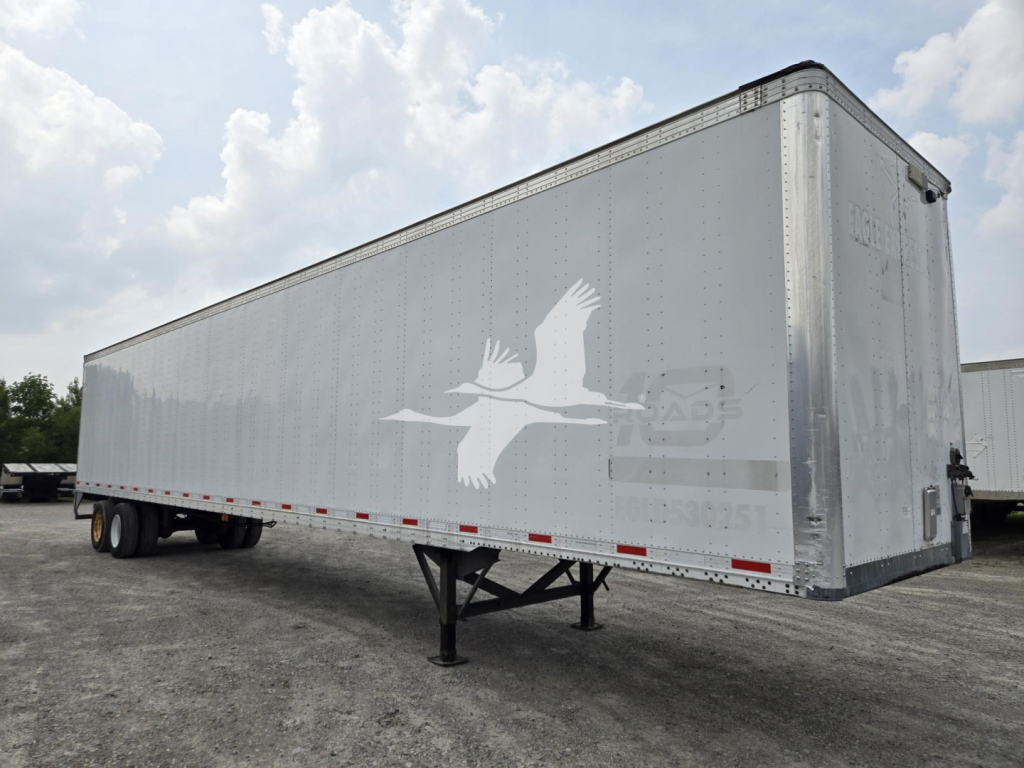
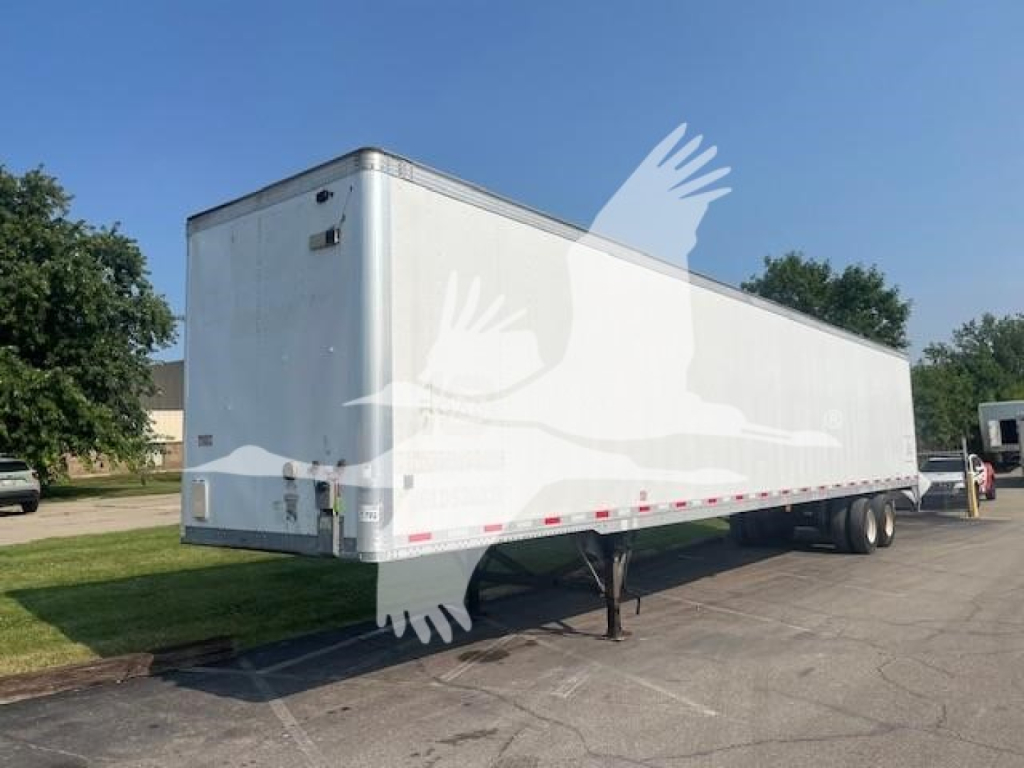
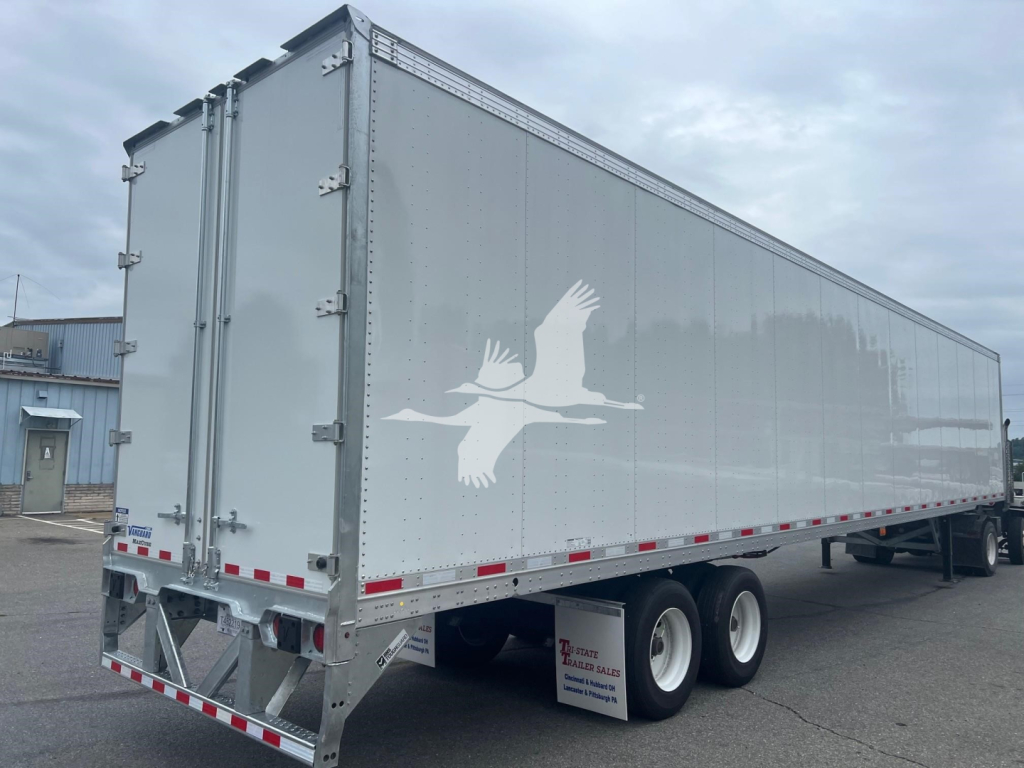
Have vanguard trailer to sell? List it here to reach thousands of buyers.
Vanguard Trailers in Ohio
Common specs in this category include 102-inch exterior width, 13-foot 6-inch overall height, about 110 inches of interior height, and swing rear doors with a wide door opening for palletized freight. Many Vanguard dry vans use tandem axles with a 49-inch sliding tandem setup, air ride suspension, and a 36-inch kingpin setting, which keeps them compatible with a broad range of fleet and owner-operator tractors. Interior details are worth close attention because they affect loading speed and long-term durability. Logistics posts, scuff liners, plastic or plate interior lining, galvanized rear frames, reinforced dock-lock bumpers, and oak flooring with strong floor ratings all point to a trailer built for repeated forklift cycles and dense freight.
Vanguard buyers often focus on underbody and suspension spec as much as sidewall construction. Hendrickson air ride suspensions are common, and options like TireMaax PRO tire inflation systems can help reduce irregular wear and roadside downtime. Crossmember spacing, landing gear brand, threshold plate design, and rear frame galvanizing all matter if the trailer will spend its life in LTL terminals, drop-and-hook operations, or high-turn food and retail lanes. In Ohio and the surrounding Midwest, corrosion protection deserves extra scrutiny, so galvanized rear structure, quality coatings, and protected hardware are practical advantages, not cosmetic ones.
For most fleets, the right Vanguard trailer comes down to freight profile and damage pattern. Lighter cube freight and standard dry goods often fit a conventional van spec, while high-cycle dock freight, retail distribution, and operations that want cleaner walls and a more premium body design may lean toward a VXP-style composite trailer. Look closely at floor rating, post spacing, lining type, scuff protection, tandem slide length, and repairability in your service area. Those details tell you more about total cost of ownership than the model name alone.
Frequently Asked Questions about Vanguard Trailers in Ohio
What is the difference between a Vanguard sheet-and-post trailer and a Vanguard VXP trailer?
A Vanguard sheet-and-post trailer uses a more traditional sidewall design with exterior sheets supported by vertical posts, while a Vanguard VXP uses a composite plate style sidewall. Sheet-and-post construction is widely understood in the market and can be a practical choice for general freight operations that value familiar repair methods. A VXP-style trailer is often chosen for improved wall durability, a cleaner side profile, and resistance to the dents and scrapes that come with frequent dock loading and forklift traffic.
Are Vanguard trailers typically set up for standard fleet operations?
Yes. Many Vanguard dry vans are built around mainstream fleet specs such as 53-foot length, 102-inch width, tandem axles, sliding tandems, air ride suspension, and a common 36-inch kingpin setting. That makes them compatible with a wide range of road tractors and operating environments, including drop-and-hook, regional haul, and over-the-road freight networks.
What specs matter most when buying a used or new Vanguard dry van trailer?
The most important specs usually include sidewall construction, floor rating, interior height, tandem suspension setup, kingpin setting, crossmember spacing, and corrosion protection. Buyers should also inspect or verify scuff liners, logistics posts, threshold plate condition, rear frame material, roof design, and door hardware. These details affect payload handling, forklift durability, dock performance, and long-term maintenance cost more than appearance alone.
Is a tire inflation system worth having on a Vanguard trailer?
For many operations, yes. A trailer tire inflation system can help maintain proper tire pressure across both trailer axles, which supports better tire life, more consistent wear, and fewer roadside service events tied to underinflation. Fleets running high mileage, drop trailers, or irregular inspection intervals often see the most benefit from systems such as Hendrickson TireMaax PRO.
Why do galvanized rear frames and dock reinforcements matter on dry van trailers?
The rear of a dry van takes some of the hardest abuse in daily service because it is constantly exposed to dock impact, moisture, road spray, and forklift traffic crossing the threshold. A galvanized rear frame, reinforced bumper, and durable threshold plate can help slow corrosion and reduce structural wear in one of the trailer’s highest-stress areas. That is especially valuable in Midwest states like Ohio where winter road treatment can accelerate rust.