
Used Commercial Trucks For Sale in Illinois
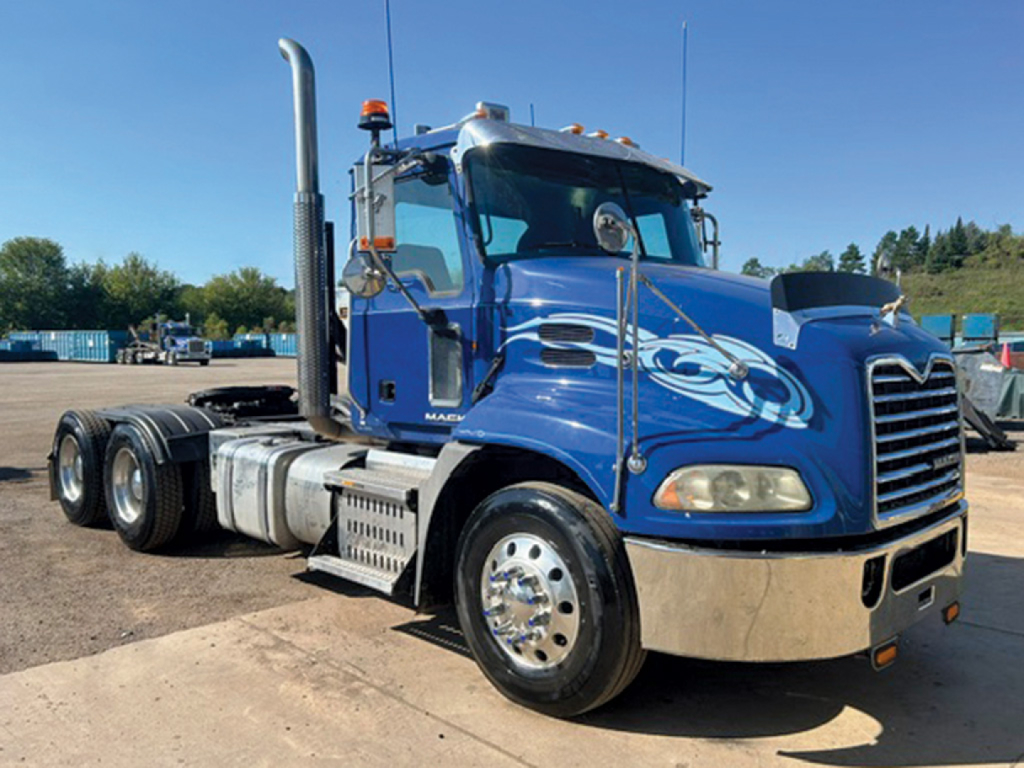
Browse used trucks for sale in Illinois, including sleeper and day cab semis with common fleet specs for regional, local, and over-the-road work.
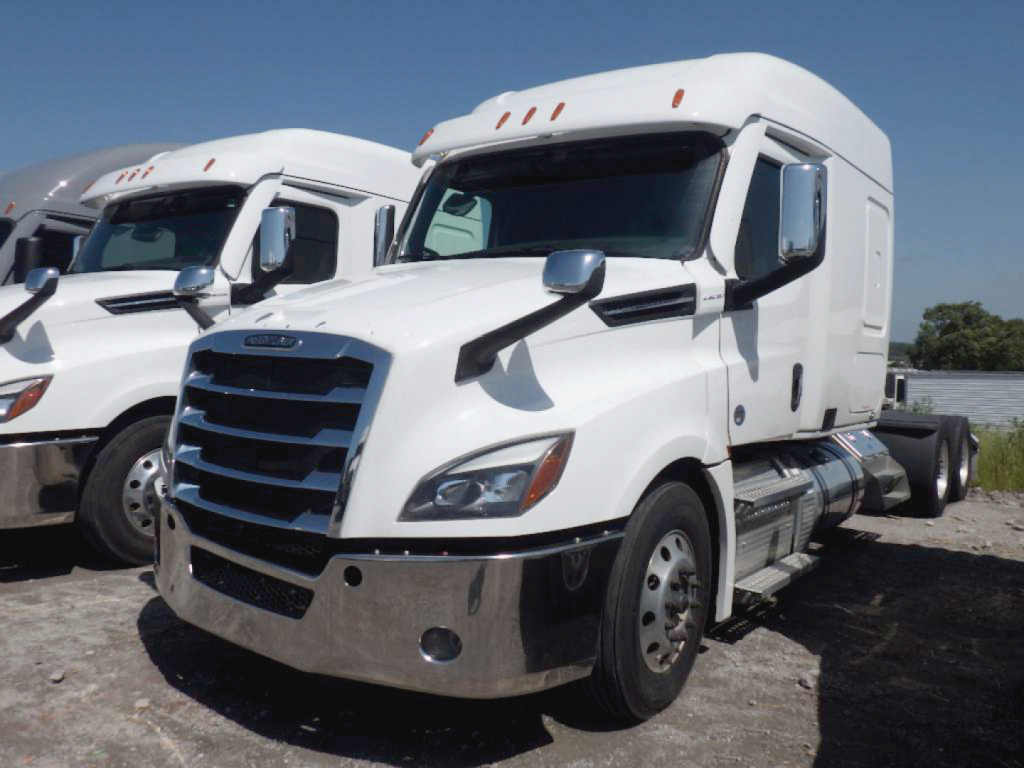
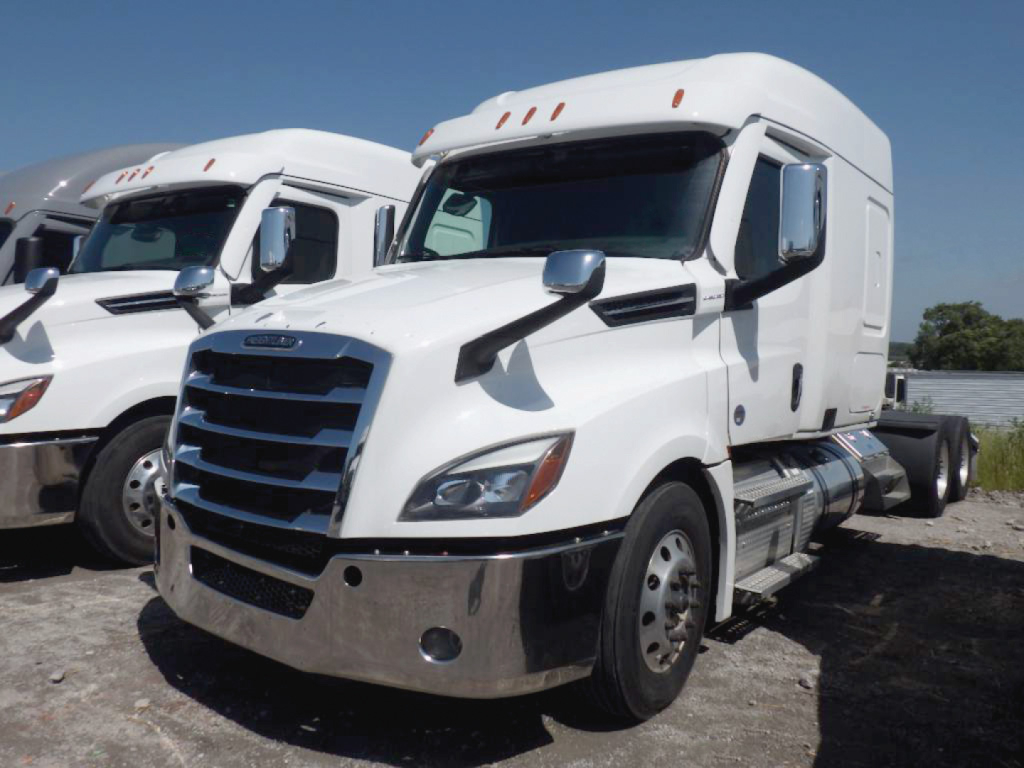
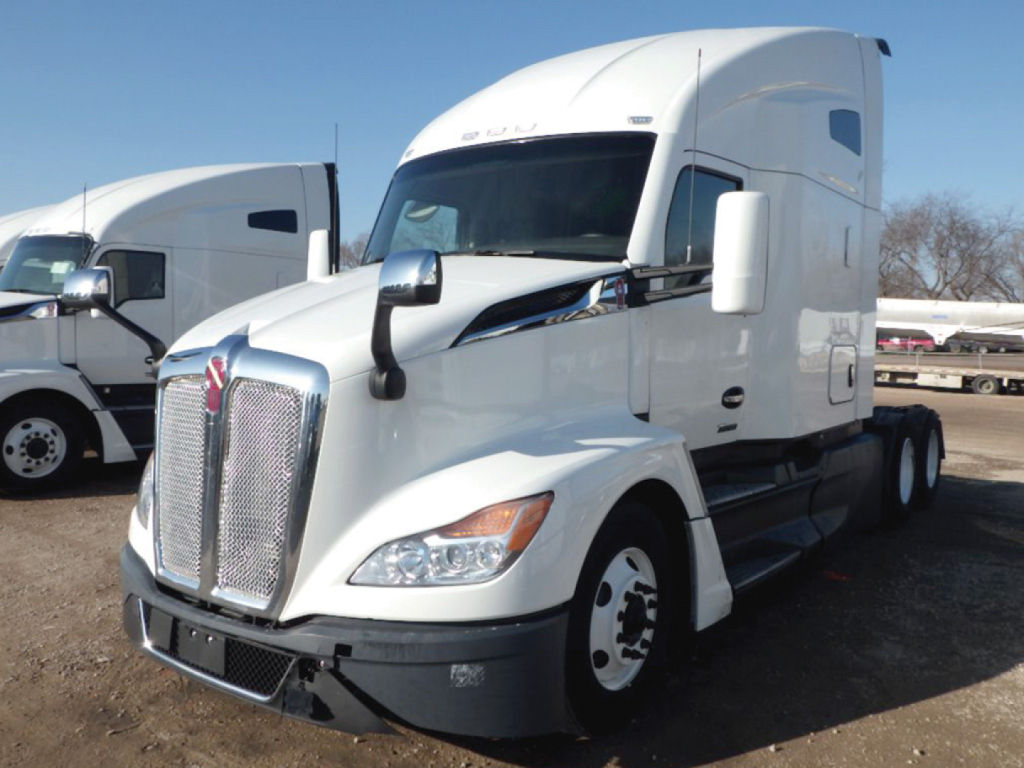
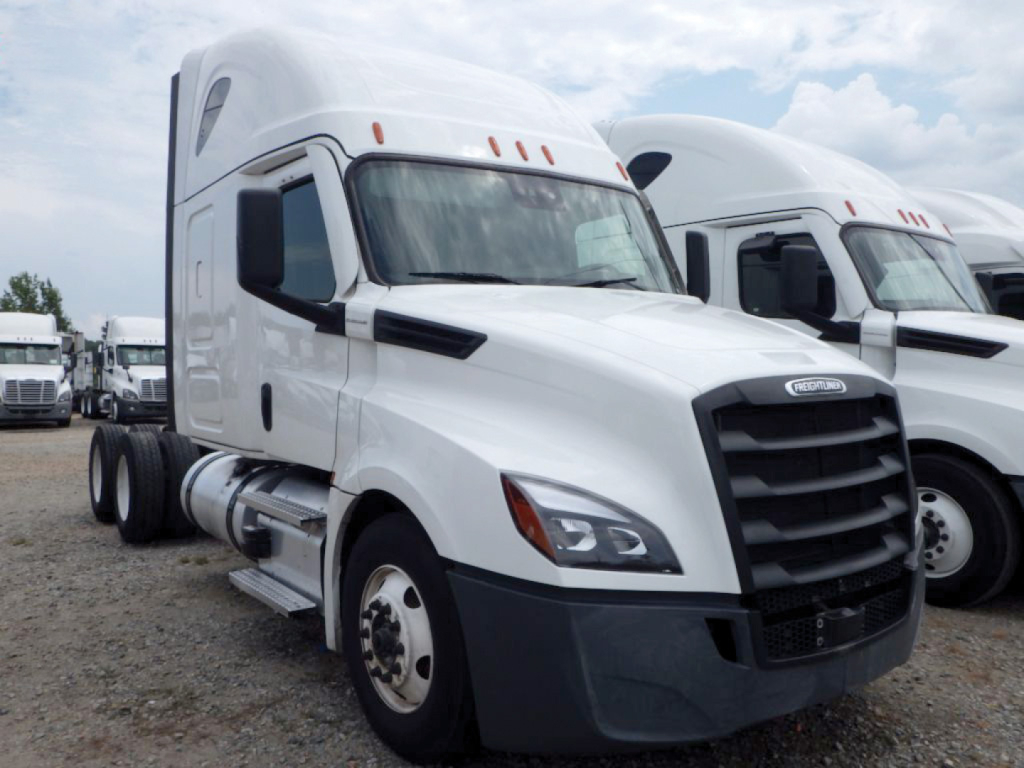
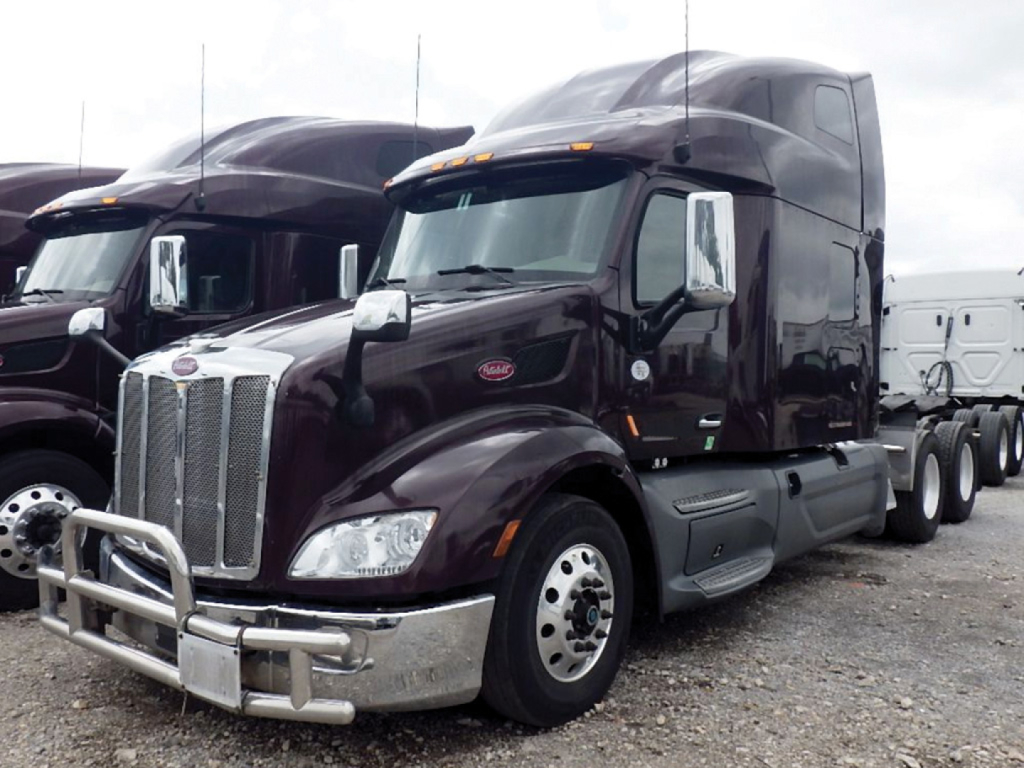
2023 Kenworth T-680 Next Gen
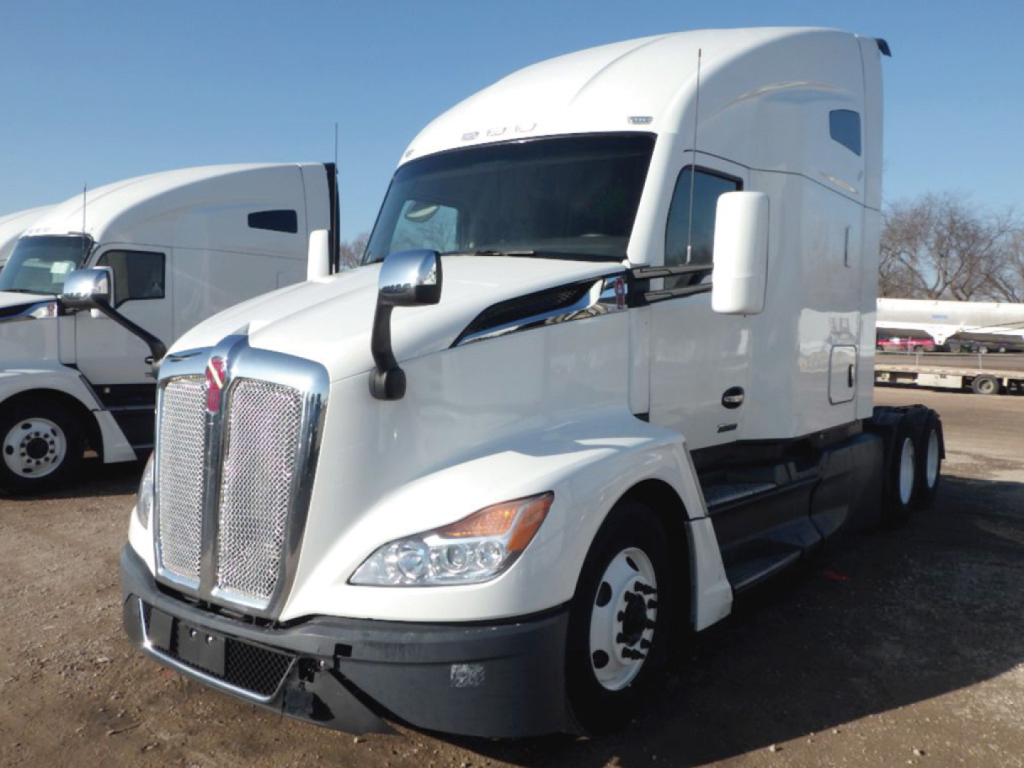
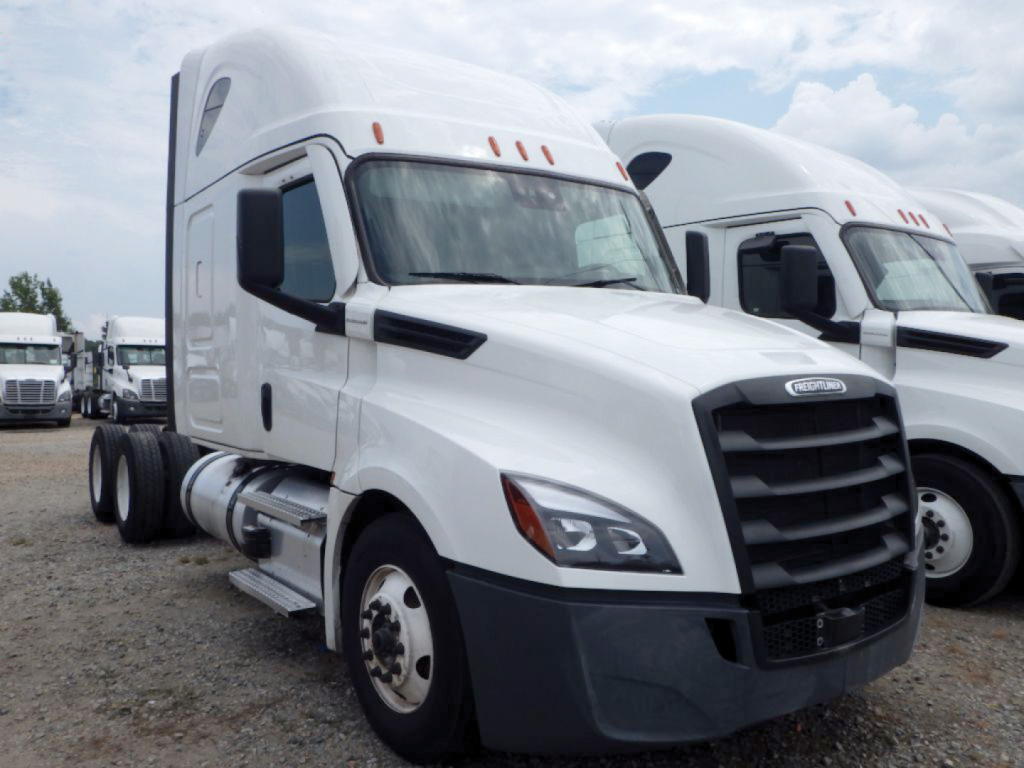
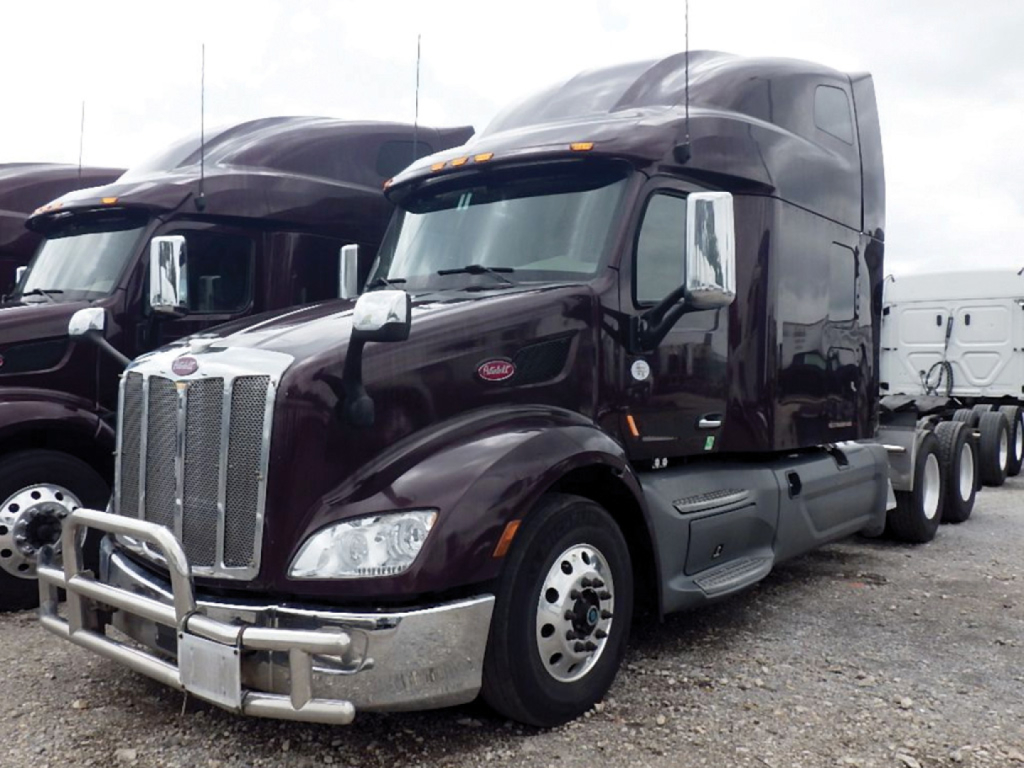
2023 Kenworth T-680 Next Gen
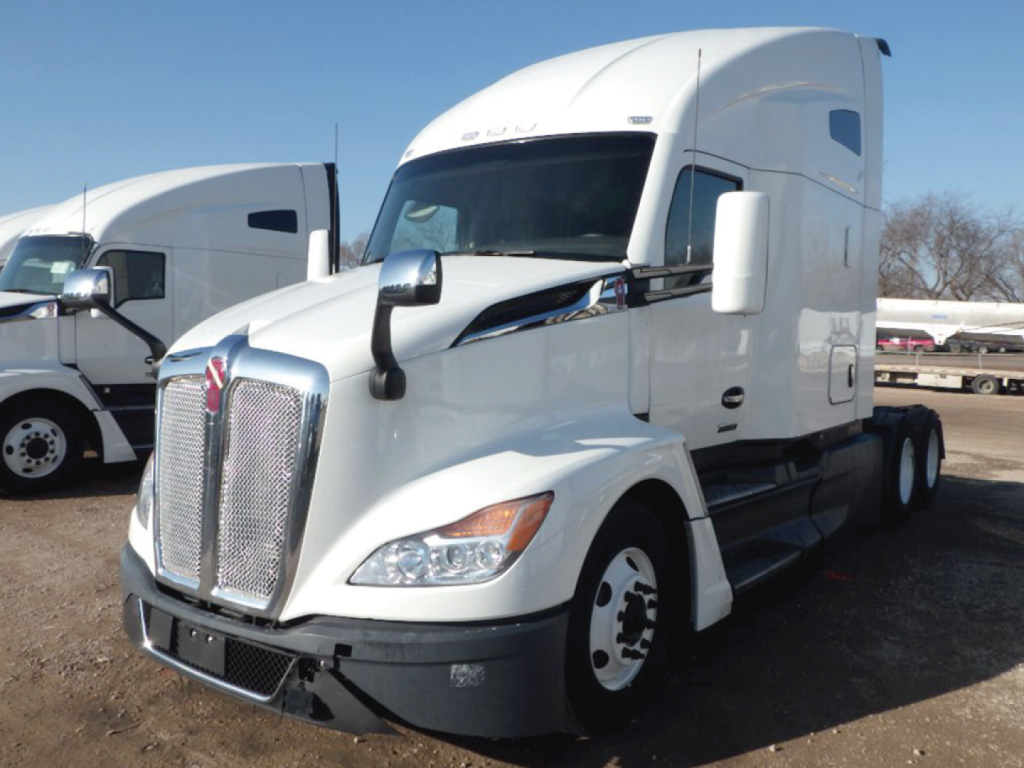
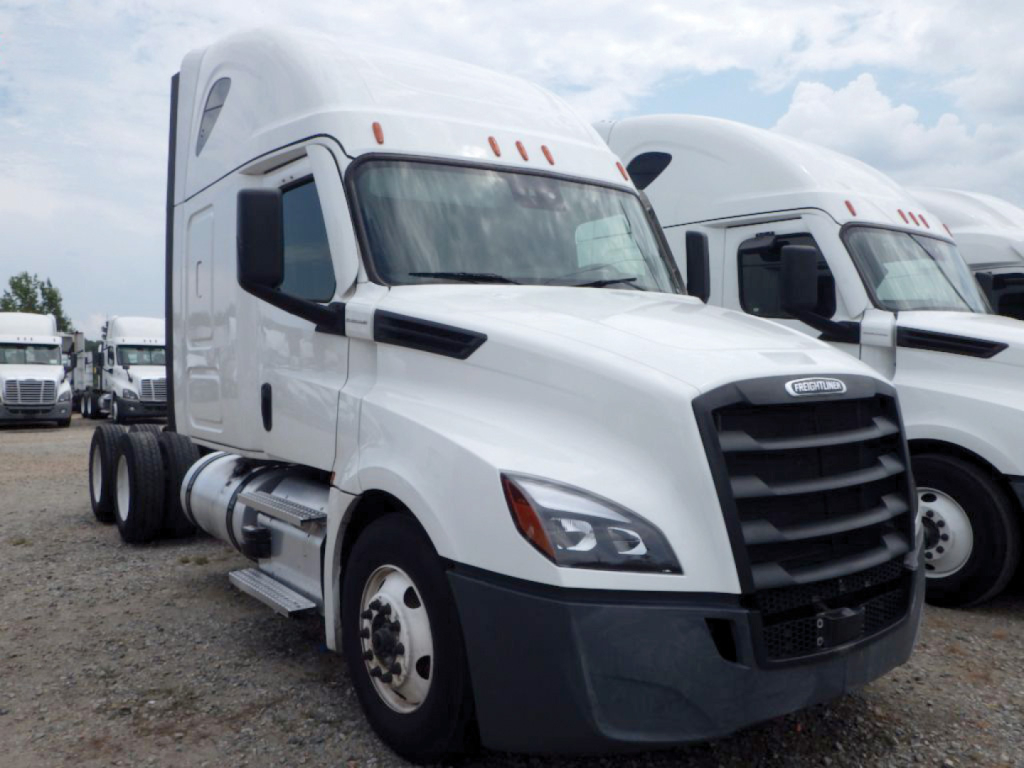
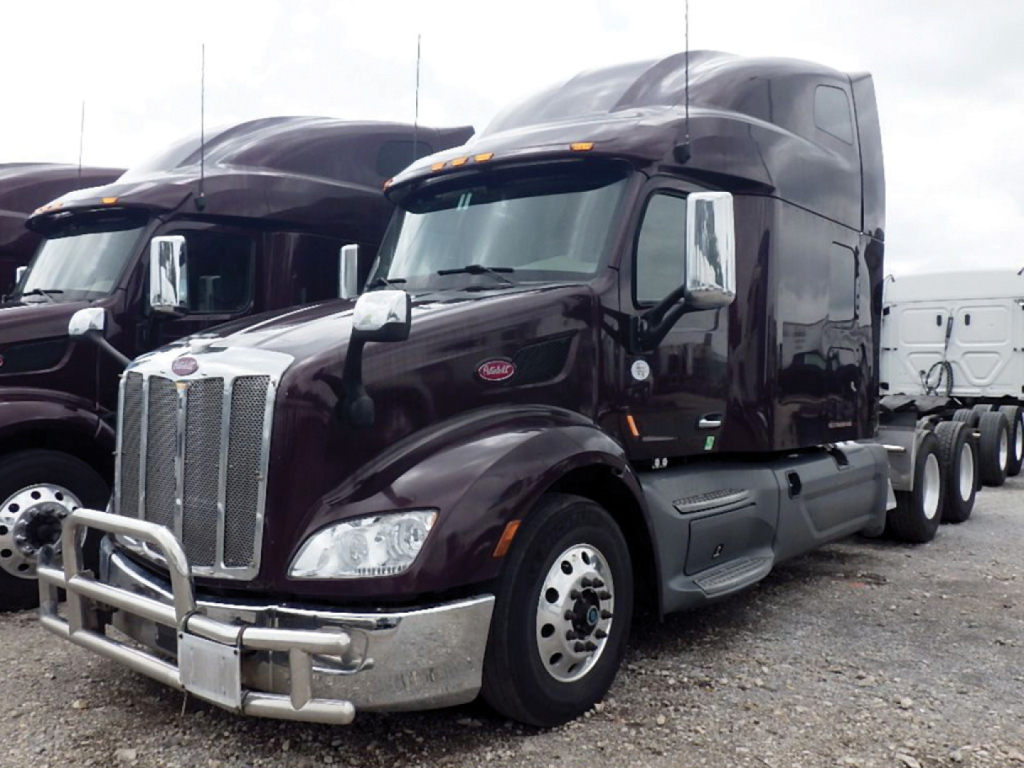
2023 Kenworth T-680 Next Gen
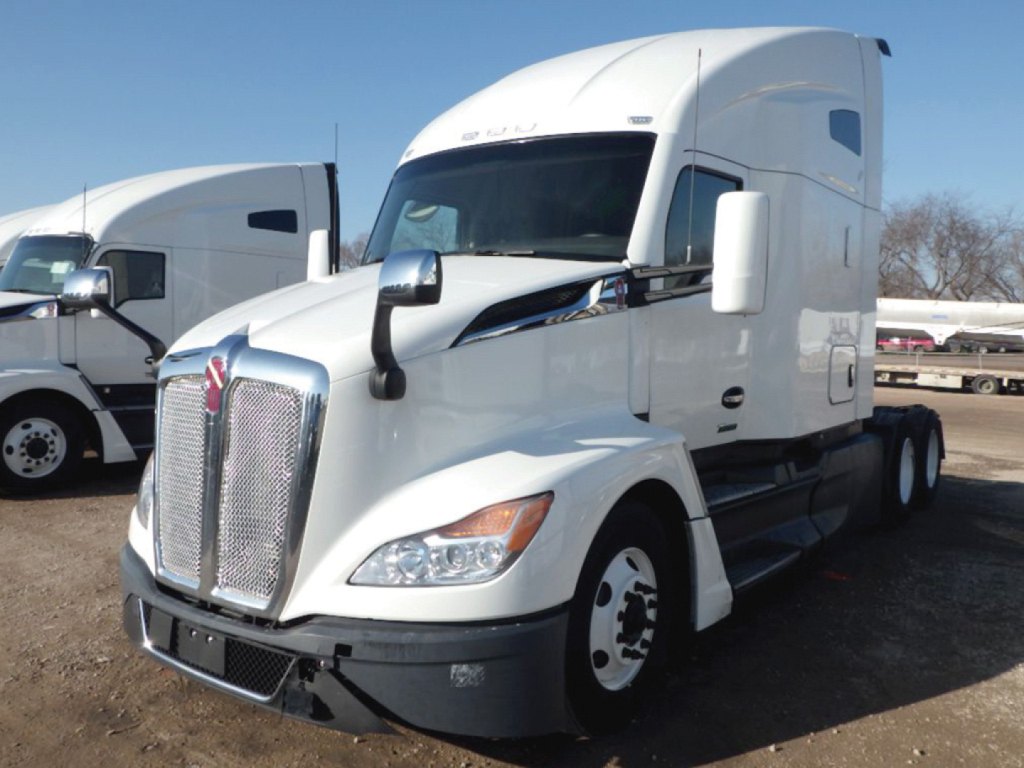
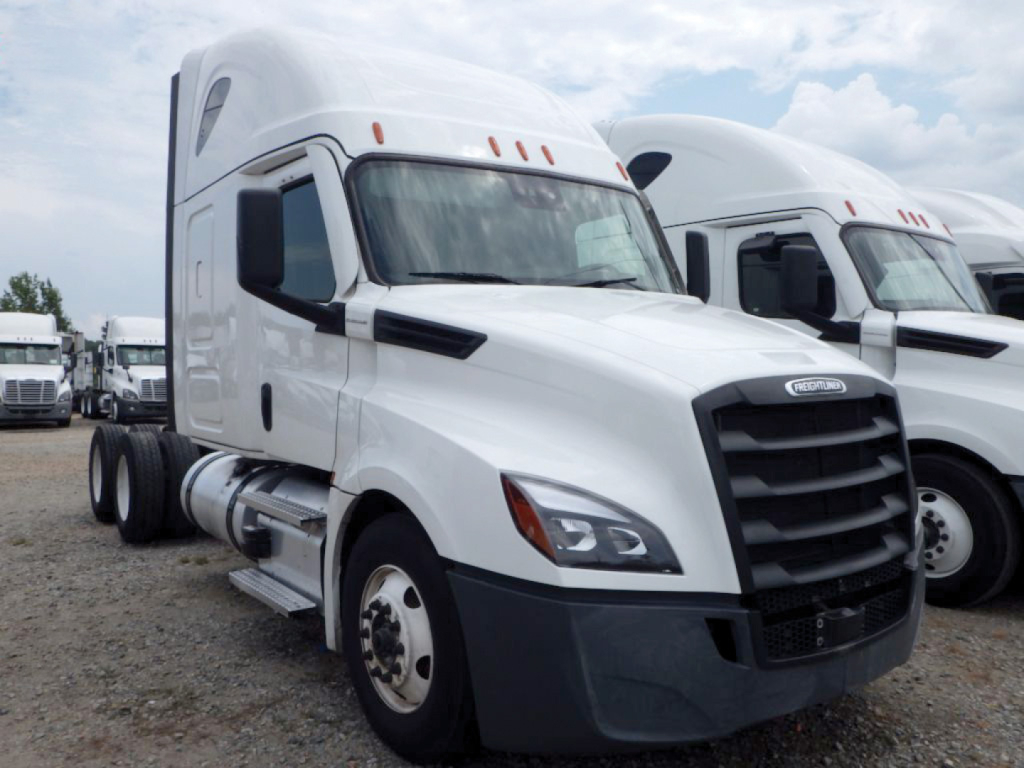
2023 Kenworth T-680 Next Gen
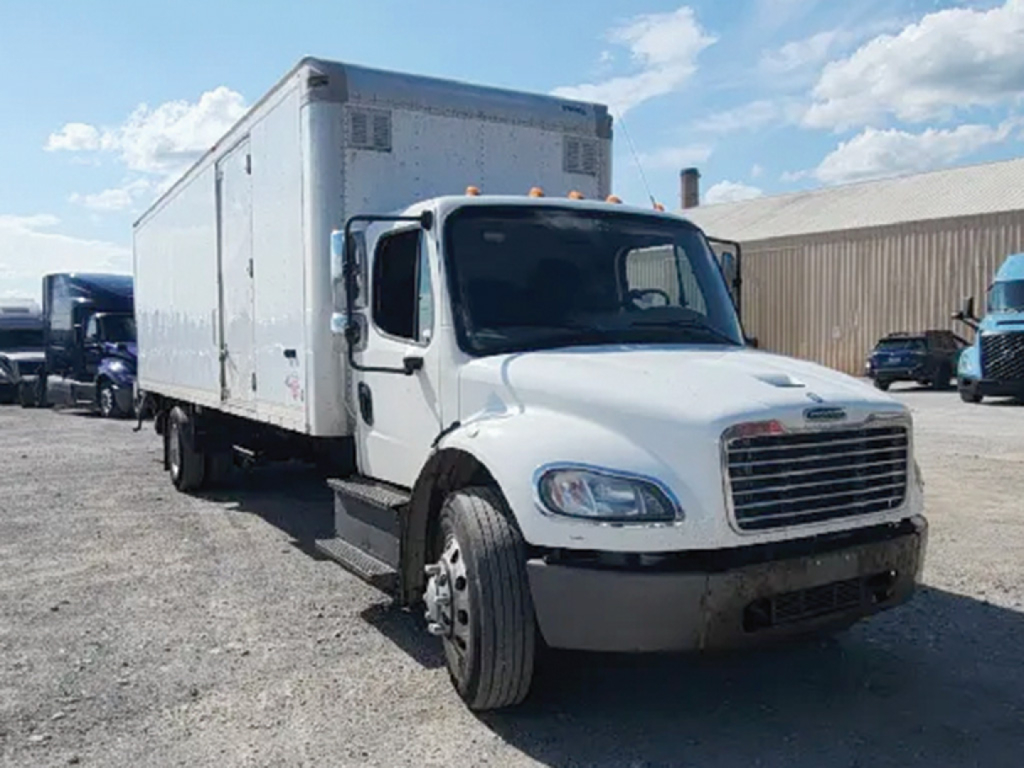
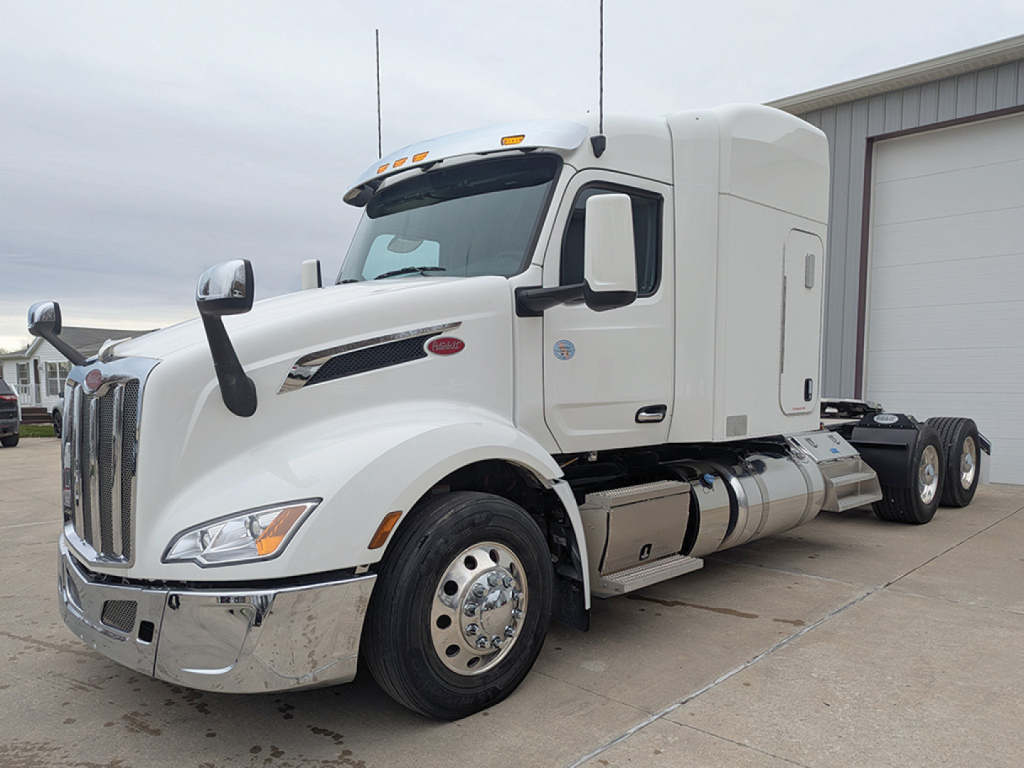
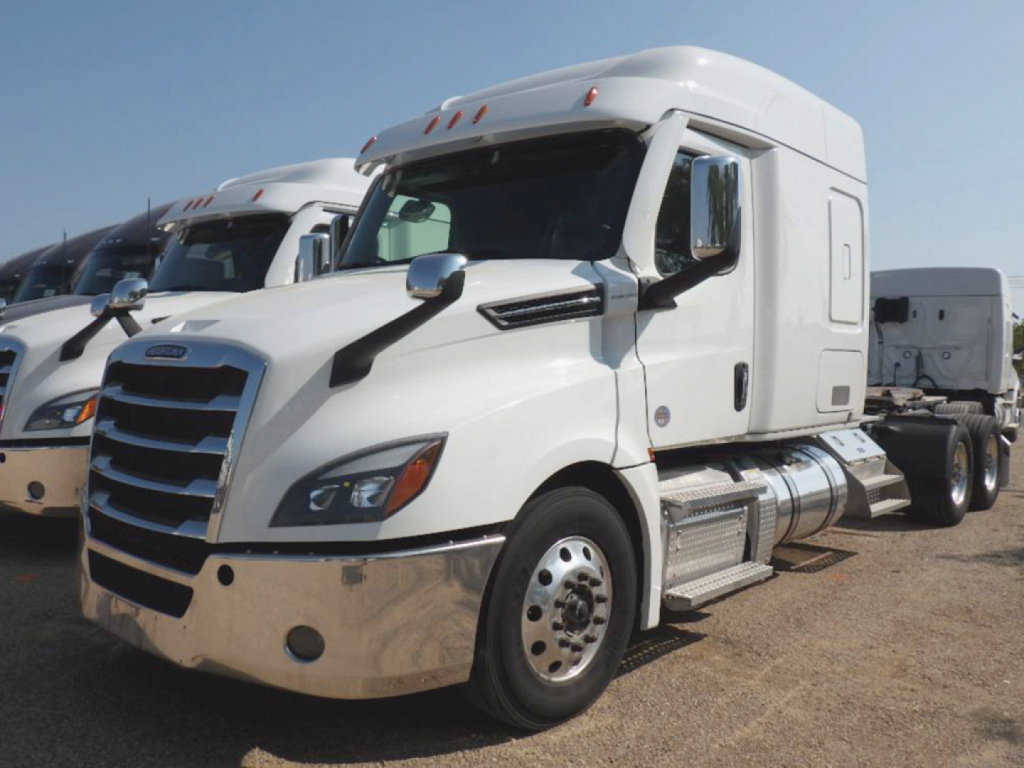
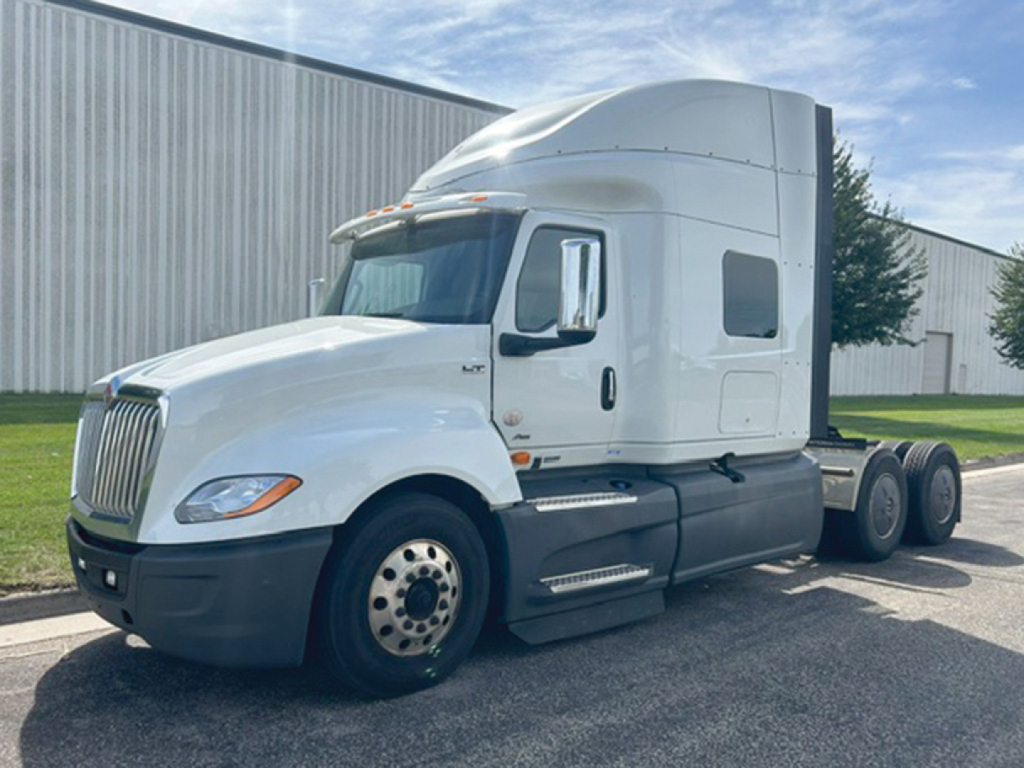
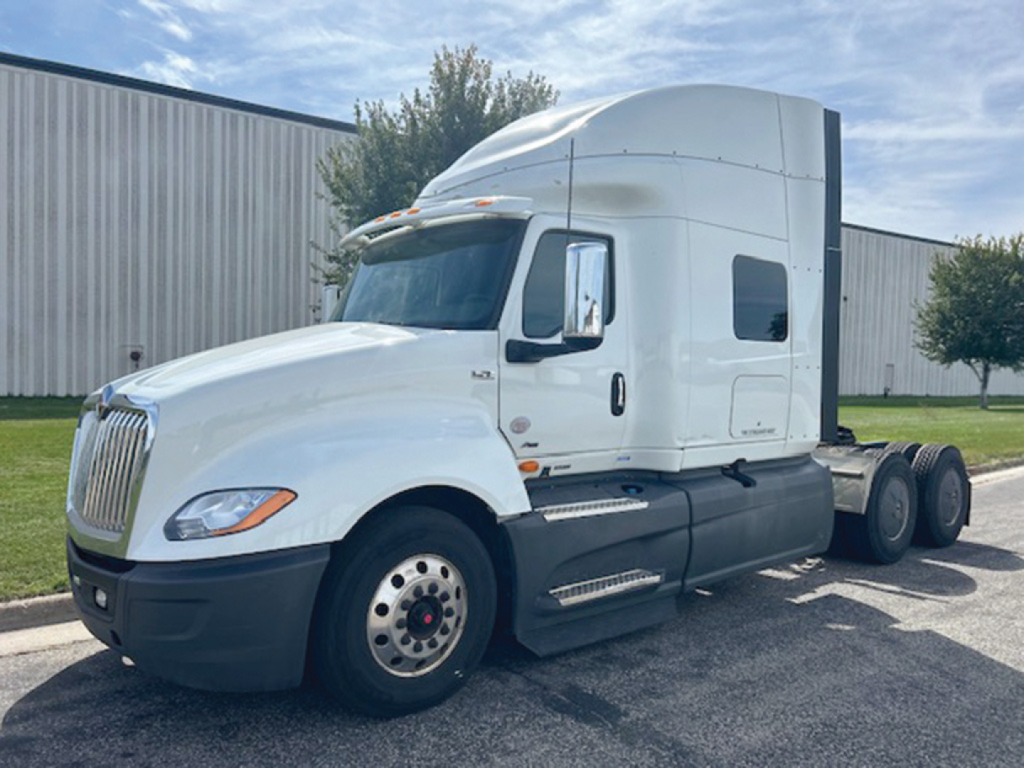
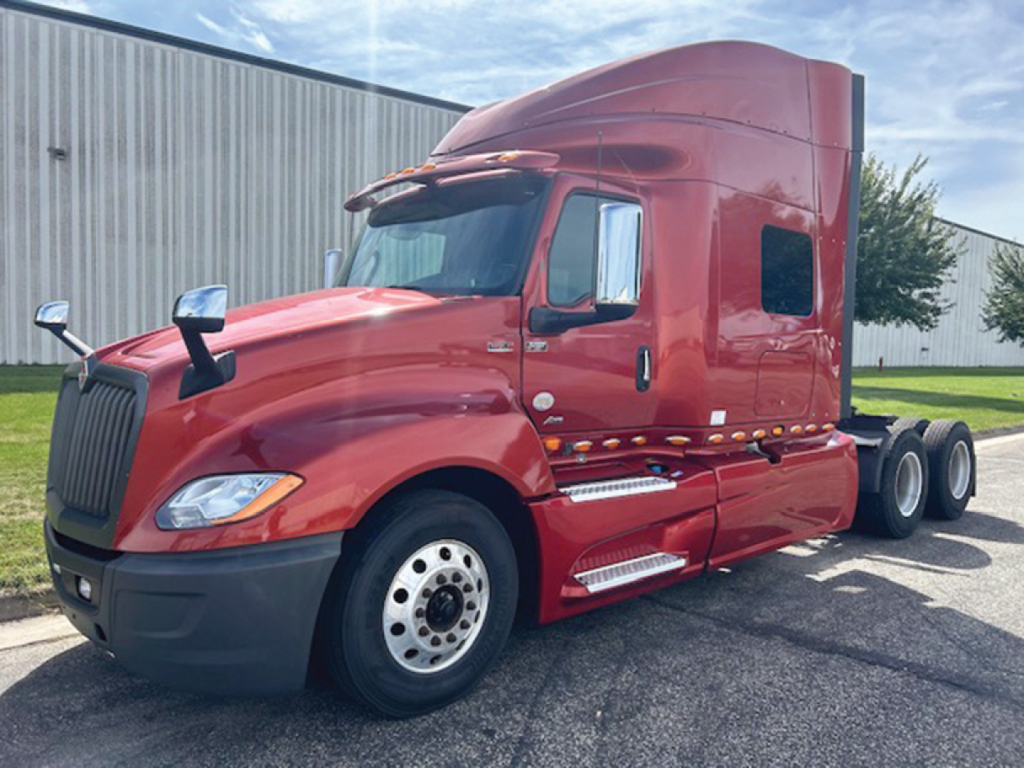
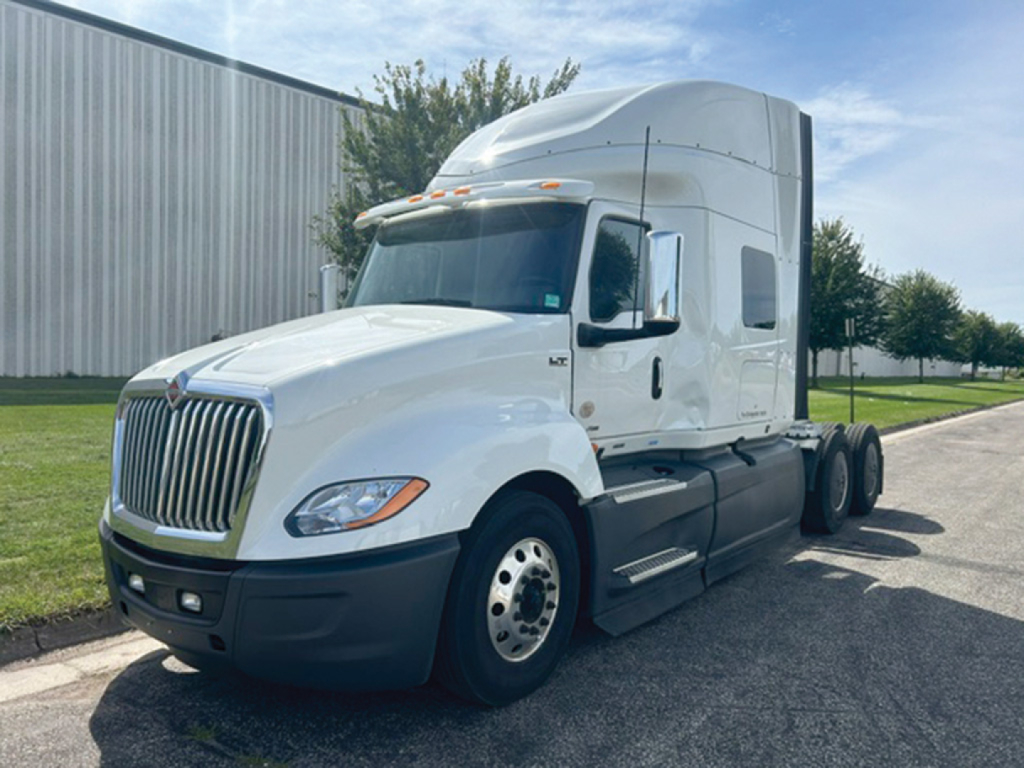
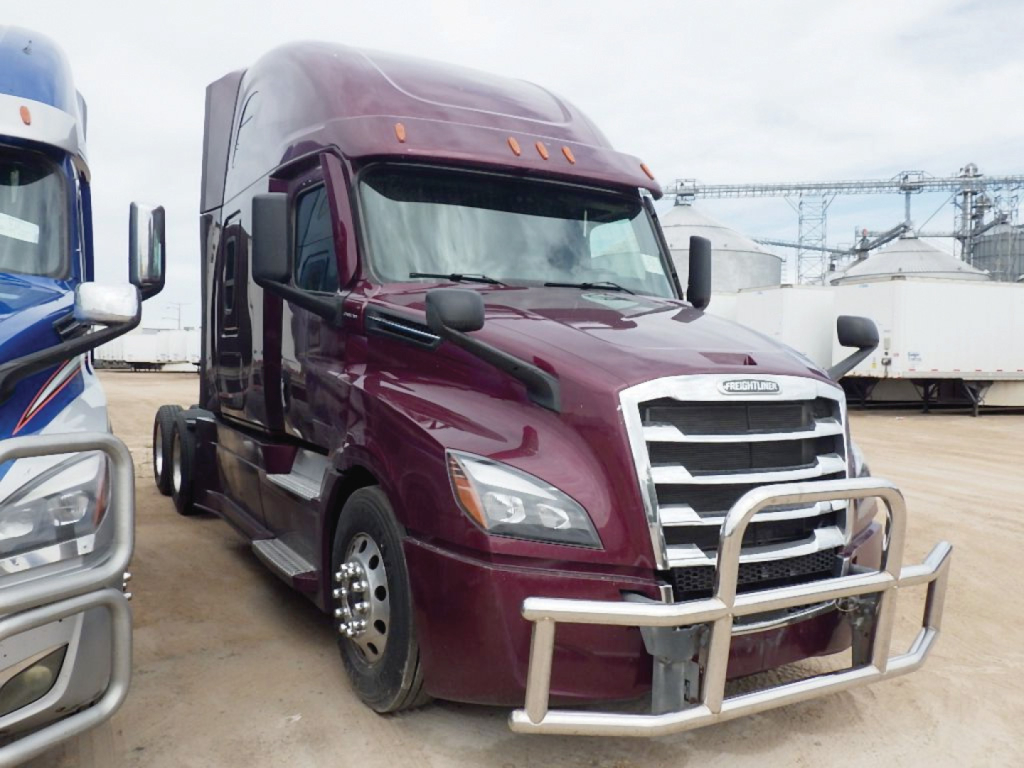
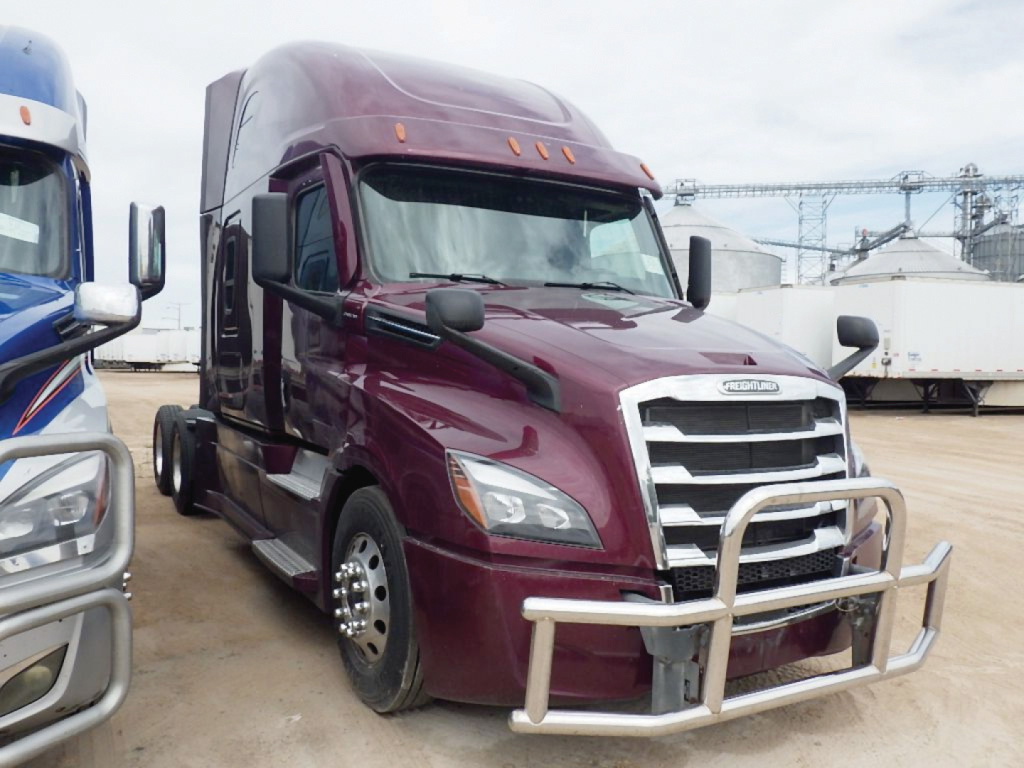
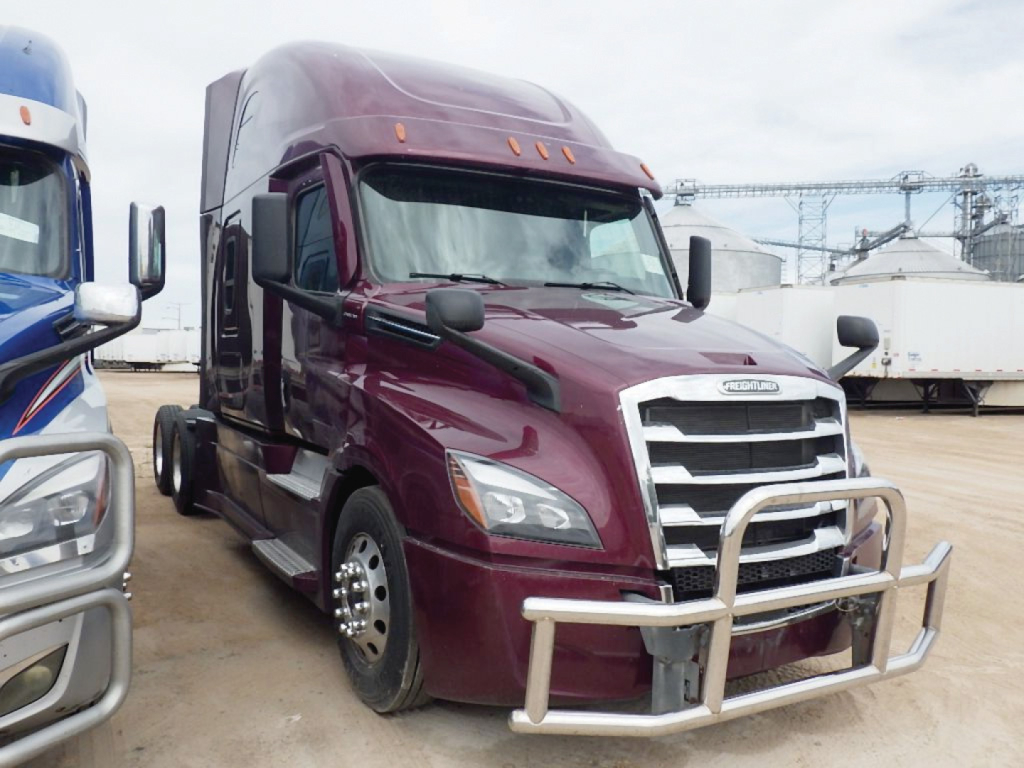
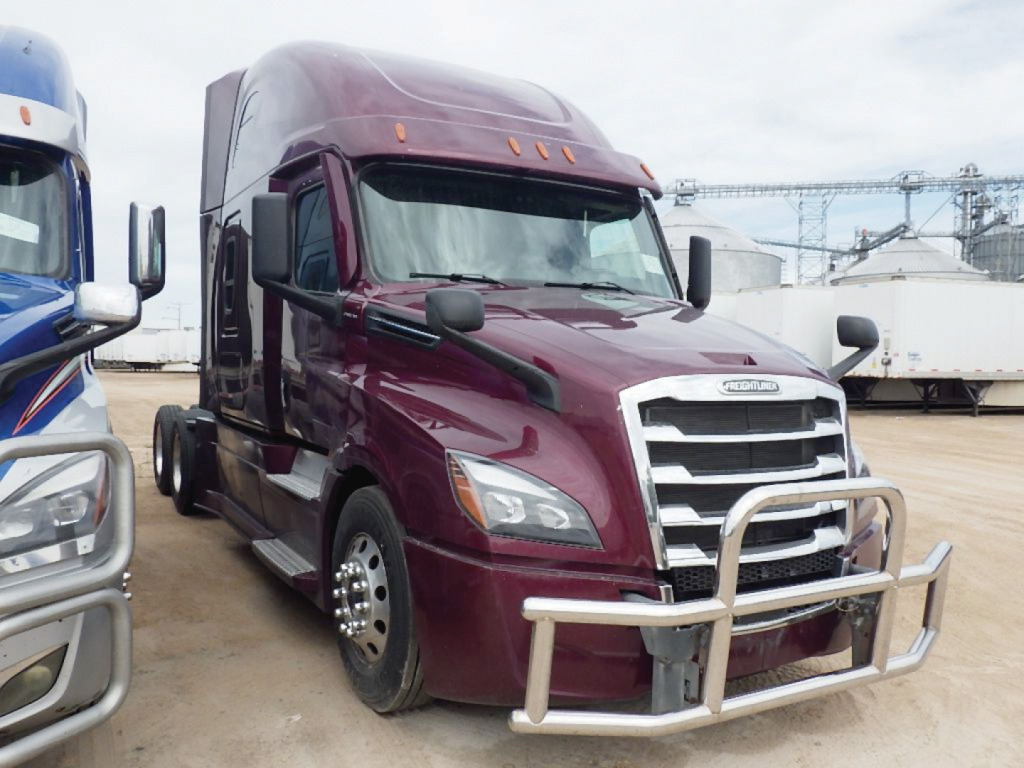
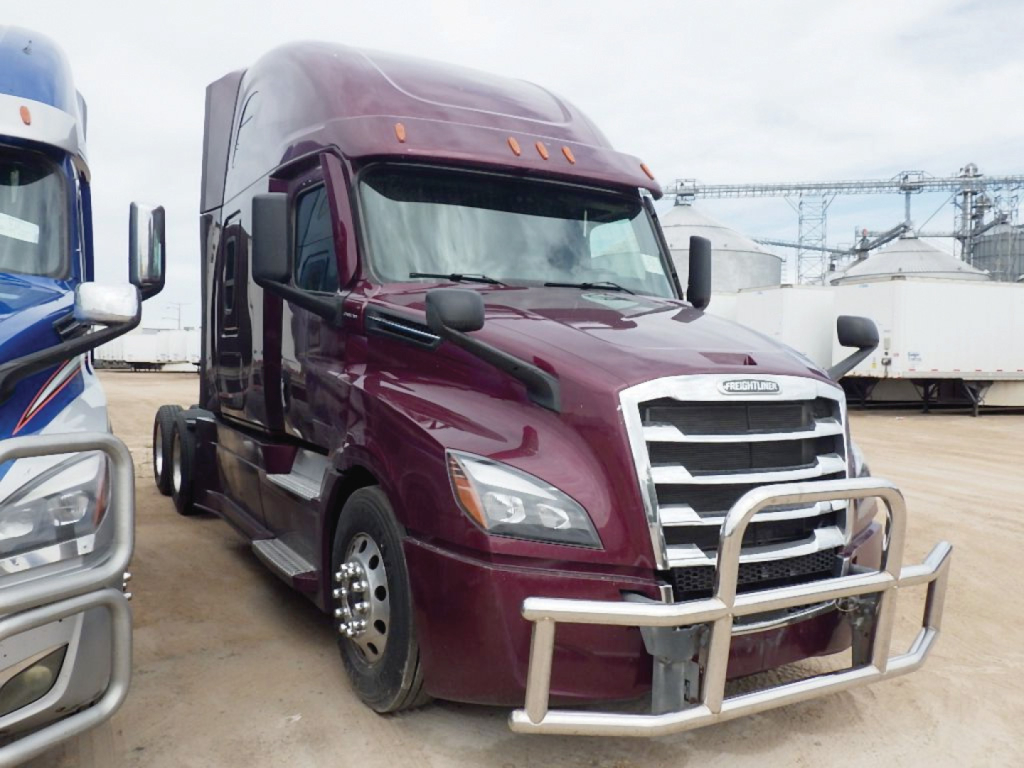
Showing 57 to 84 of 247 results
Looking for the easiest place to sell your used commercial truck? List it here to reach thousands of buyers.
Used Commercial Trucks in Illinois
A lot of late-model used highway trucks in Illinois are fleet maintained and spec'd for fuel economy. Common setups include Cummins X15, Detroit DD13, Mack MP8, and PACCAR MX series diesel engines paired with automated manual transmissions such as Eaton Endurant, Detroit DT12, Mack mDrive, or similar 12-speed and 17-speed automated units. Ratings in the 400 to 450 horsepower range are common for general van, reefer, and dry bulk work, often with 40,000 lb tandem rears, air ride suspension, and 2.64 to 3.08 rear axle ratios. Those specs usually point to linehaul service where fuel burn, drivability, and lower cruise RPM matter more than heavy startability. Buyers planning to pull heavier freight or run shorter, stop-and-go routes should look closely at rear ratio, transmission gearing, and whether the engine brake and cooling package match the duty cycle.
Sleeper trucks in this market often carry 70-inch to 73-inch stand-up or mid-roof sleepers with dual fuel tanks, fairings, cab extenders, and air slide fifth wheels. Those details matter because they affect driver retention, range, trailer spotting flexibility, and aerodynamic efficiency. Day cabs generally come with shorter wheelbases around the high-170-inch range, which helps maneuverability in urban terminals, food warehouses, intermodal yards, and tight customer docks. Features like collision mitigation, digital dash packages, bunk heaters, APUs, power windows, and aluminum wheels are common on newer used units and can make a real difference in comfort, idle reduction, and resale. On Illinois trucks in particular, inspect frame and cab corrosion, winter exposure, DPF and SCR service records, and tire wear patterns that may reveal alignment or suspension issues.
For most buyers, the best used truck is not simply the newest one. It is the truck with a spec that matches the lane, trailer type, and annual mileage target. A fleet day cab with a 178-inch wheelbase and efficient axle ratio can be a better fit than a larger sleeper if the work is regional drop-and-hook. A 73-inch sleeper with a higher horsepower engine may make more sense for longer dispatches and driver comfort. Service history, idle hours, emissions maintenance, clutch and transmission calibration records, and fifth wheel condition should all carry as much weight as make and model. In a used Illinois truck market filled with Cascadias, LTs, Anthems, T680s, and similar conventionals, spec discipline is what separates a good value from an expensive mismatch.
Frequently Asked Questions about Used Commercial Trucks in Illinois
What is the difference between a sleeper truck and a day cab?
A sleeper truck includes a rear living compartment for over-the-road use, often with a bunk, storage, and sometimes an APU or bunk heater. A day cab, also called a non-sleeper conventional, has no sleeper compartment and is usually lighter, shorter, and easier to maneuver. Sleeper trucks are better for long-haul freight, while day cabs are typically a better fit for local, regional, drayage, and dedicated route work.
What engine and transmission specs are common in used highway trucks in Illinois?
Many used highway tractors in Illinois are spec'd with diesel engines in the 400 to 450 horsepower range, including the Cummins X15, Detroit DD13, Mack MP8, and PACCAR MX-11 or MX-13. Automated manual transmissions are very common, especially Eaton, DT12, and mDrive units. Tandem rear axles rated at 40,000 lbs, air ride suspension, and fuel-economy axle ratios such as 2.64 or 3.08 are also common on fleet trucks that spent most of their life in regional or over-the-road service.
What should I inspect first on a used truck from Illinois?
Start with service records, emissions system history, engine hours, and any evidence of downtime related to the DPF, SCR, or EGR system. Then inspect the frame, crossmembers, cab mounts, and battery box area for corrosion from winter road treatment. Tire wear, suspension bushings, wheel seals, brake condition, and fifth wheel wear can reveal how the truck was maintained and whether alignment or axle issues may be present. A used truck in Illinois can be a solid buy, but winter exposure makes undercarriage condition especially important.
Is a low rear axle ratio good on a used semi truck?
A low numerical axle ratio such as 2.64 is usually chosen for fuel economy and lower engine RPM at highway speeds. That can be a strong advantage for linehaul freight on flatter lanes and steady cruise operation. It is not always the best choice for heavy haul, frequent city starts, or operations that need stronger launch performance. The right ratio depends on gross weight, trailer type, terrain, average speed, and transmission gearing.
Are late-model fleet trucks a good buy on the used market?
Late-model fleet trucks are often attractive because they may have consistent preventive maintenance, standardized specs, and driver-friendly safety equipment such as collision mitigation systems. They can also be easier to integrate into an existing operation if you want predictable parts support and service procedures. The key is to verify maintenance discipline rather than assume it, especially for emissions components, software updates, transmission calibrations, and idle-hour exposure.