
Used 2017 Commercial Trucks For Sale in Illinois
Browse used 2017 trucks for sale in Illinois, including day cabs, sleepers, box trucks, and vocational models for regional or over-the-road work.
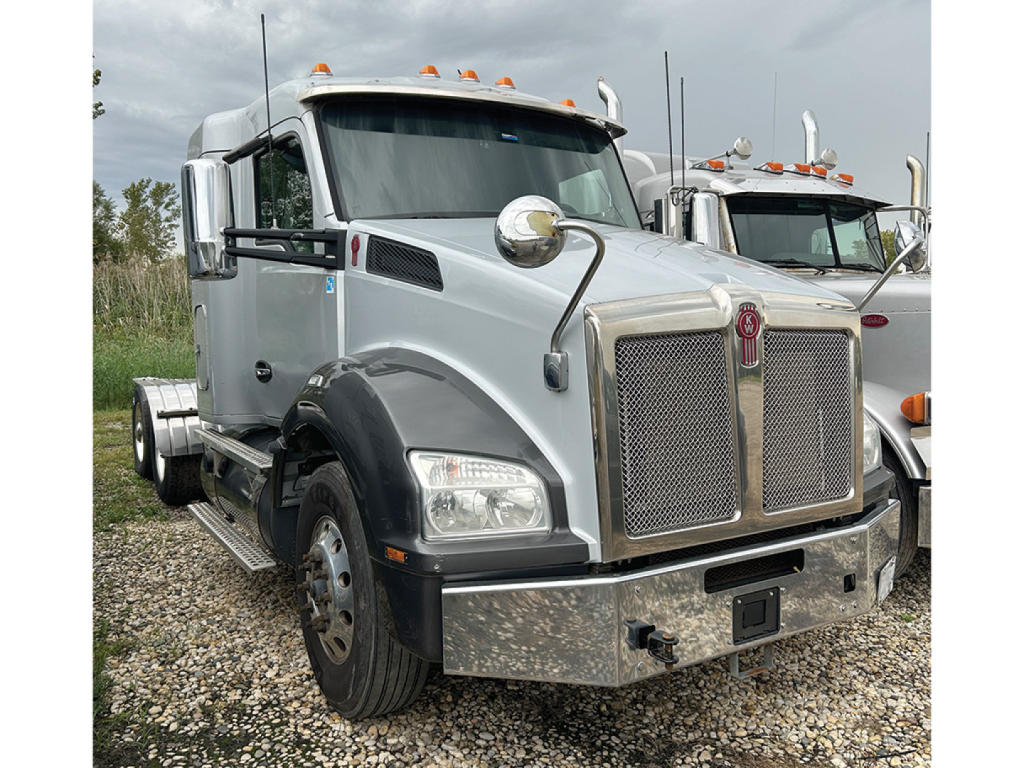
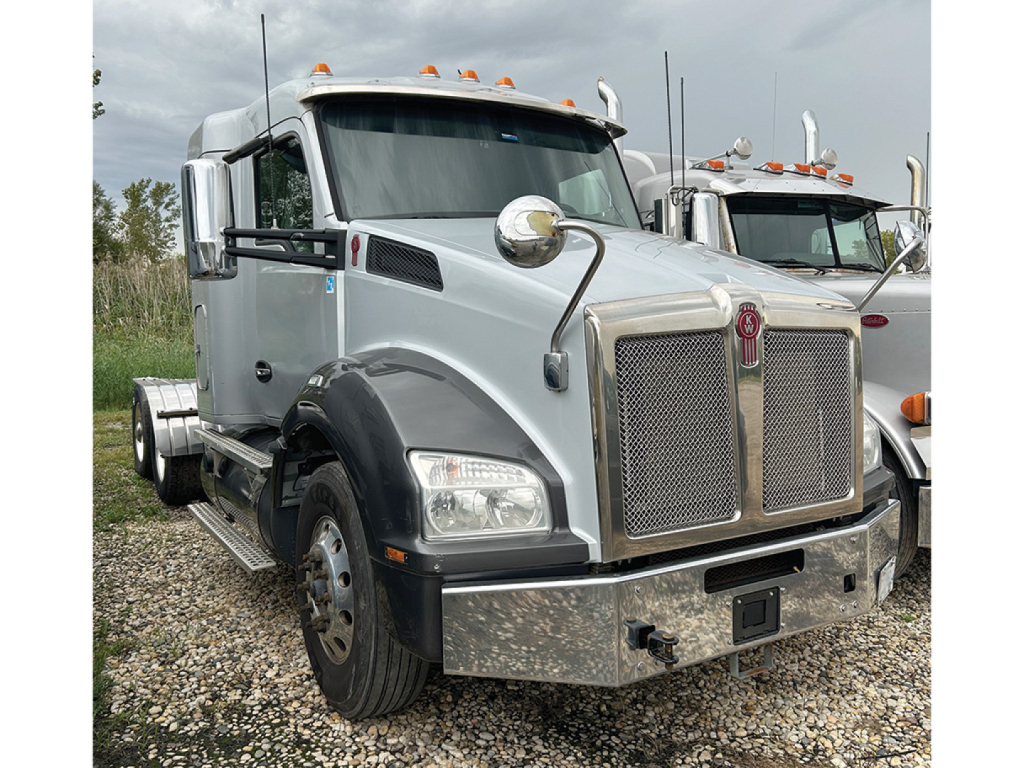
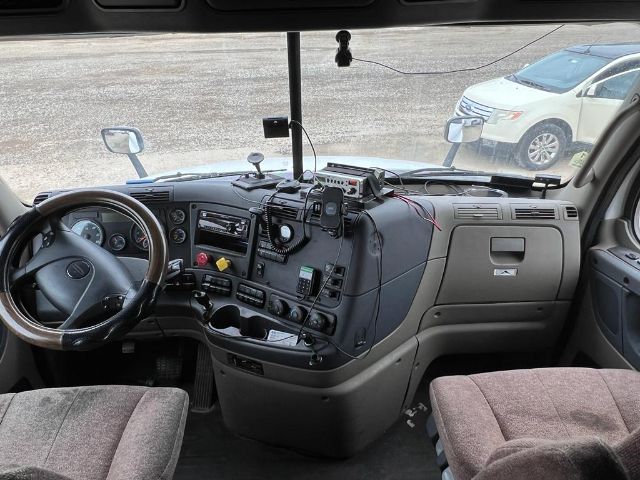

Looking for the easiest place to sell your used 2017 commercial truck? List it here to reach thousands of buyers.
Used 2017 Commercial Trucks in Illinois
For highway tractors, buyers usually focus first on engine and drivetrain spec. In 2017 trucks, common diesel platforms include Cummins X15 and ISB/ISL variants, Detroit DD13 and DD15, Volvo D11 and D13, Paccar MX engines, and Navistar N-series engines depending on make and class. Horsepower often ranges from the mid-200s in medium-duty straight trucks to 400 to 500 HP in sleeper and day cab tractors. Transmission choice matters just as much. Many 2017 trucks were spec'd with automated manuals such as Volvo I-Shift or Detroit DT12, while others still carry 10-speed or 13-speed manuals or Allison automatics in medium-duty and vocational service. Rear axle ratio, suspension type, and wheelbase should be matched to the route. A 2.47 or 2.64 ratio may favor fuel mileage in linehaul use, while a deeper ratio and shorter wheelbase can make more sense for urban, refuse, dump, or pickup-and-delivery work.
Illinois buyers should pay close attention to corrosion, idle hours, and service history. Trucks that spent time around Chicago traffic, winter salt, and frequent stop-and-go operation can show different wear than units that ran mostly downstate or on long highway lanes. Frame condition, crossmembers, cab mounts, air tanks, brake components, wiring, and body hardware deserve a close look. On box trucks and straight trucks, inspect the body separately from the chassis. Floor condition, scuff liners, E-track, roll-up door hardware, liftgate operation, and roof integrity all affect real working value. On tractors, look at fifth wheel condition, kingpin setting compatibility, fairings, bunk HVAC, and any emissions-related repair records for the DPF, DEF, and EGR systems.
A used 2017 truck can be a strong fit for fleets adding capacity or owner-operators replacing older iron, especially when the spec matches the freight. Check GVWR or GCWR, front and rear axle ratings, tire size, brake type, and fuel capacity against the lanes you actually run. If the truck will work in dense metro areas, cab visibility, turning radius, and automatic transmission spec may matter more than raw horsepower. If it will run longer interstate miles, focus on gearing, sleeper layout, fuel economy history, and driver comfort features such as air ride suspension, engine brake, and power accessories. The best 2017 truck is not just one with a good price. It is one with a clear maintenance record, the right drivetrain for the job, and enough remaining service life to keep cost per mile under control.
Frequently Asked Questions about Used 2017 Commercial Trucks in Illinois
What should I look for when buying a used 2017 truck in Illinois?
Start with the truck’s actual job history, then verify the drivetrain and chassis spec match your operation. In Illinois, rust and corrosion inspection is especially important because winter road salt can affect frames, brake components, fuel tanks, wiring, and body hardware. Review engine hours, idle time, maintenance records, and any recent repairs to emissions components such as the DPF, DEF system, EGR cooler, or sensors. If it is a box truck or straight truck, inspect the body, floor, door hardware, and liftgate separately from the cab and chassis.
Are 2017 trucks a good balance between price and modern features?
For many buyers, yes. A 2017 truck often offers a lower purchase price than newer models while still providing features that became more common in later fleets, including automated manual transmissions, improved cab ergonomics, engine brake integration, and better driver comfort packages. The key is not the model year alone but how the truck was spec'd and maintained. A well-kept 2017 unit with the right engine, axle ratio, and service history can be a better value than a newer truck with the wrong application spec.
What engine and transmission types are common in used 2017 trucks?
The answer depends on truck class and brand, but common 2017 engine families include Cummins, Detroit, Volvo, Paccar, and Navistar diesel platforms. Medium-duty trucks may use smaller displacement engines with Allison automatics, while Class 8 tractors often carry 10-speed or 13-speed manuals or automated manuals such as Volvo I-Shift or Detroit DT12. Buyers should compare horsepower, torque rating, transmission type, rear axle ratio, and intended duty cycle rather than choosing only by brand name.
How do I choose between a 2017 day cab, sleeper, or box truck?
Choose by route structure and freight, not just by budget. A day cab is generally best for local or regional hauling where sleeper space is unnecessary and maneuverability matters. A sleeper truck is better for over-the-road lanes, team operations, or any run where off-duty rest and onboard storage are required. A box truck is a different tool entirely, used for delivery, moving, parcel, furniture, and route work where cargo protection and dock access matter more than fifth wheel setup. Wheelbase, body length, axle capacity, and transmission choice should support the exact work the truck will perform.
Why do axle ratio and wheelbase matter on a used 2017 truck?
Axle ratio and wheelbase have a direct impact on fuel economy, startability, maneuverability, and highway performance. A taller highway ratio can help reduce engine RPM and improve fuel efficiency on linehaul runs, while a deeper ratio may perform better in stop-and-go service, heavier loads, or urban routes. Wheelbase affects turning radius, trailer compatibility, body length options, and bridge law considerations. These two specs can change how useful a truck is in your operation, even when two trucks have the same engine and transmission.