
Used Heavy Haul Trucks For Sale in Illinois
Browse used heavy haul trucks for sale in Illinois. Compare specs, axle setups, powertrain options, mileage, and regional hauling suitability.

Selling a used heavy haul truck? List your used heavy haul truck for sale and reach thousands of commercial buyers.
Used Heavy Haul Trucks in Illinois
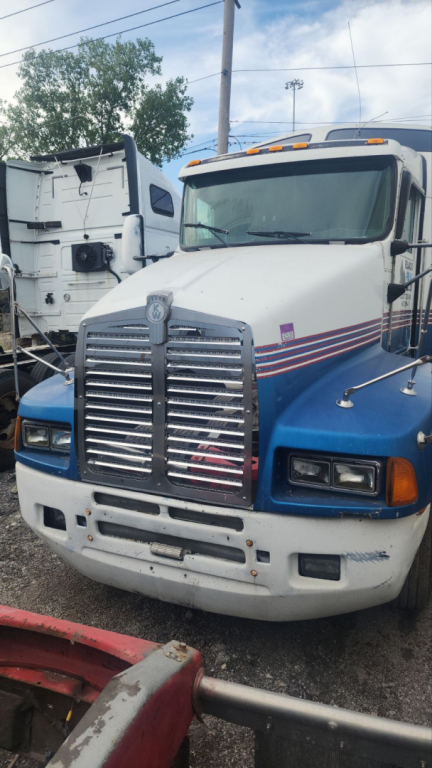
A lot of trucks marketed as heavy haul are really on-highway road tractors that have been pulling regional freight. That may still fit certain jobs, but it is not the same as a purpose-built heavy spec tractor. Buyers should look closely at front axle rating, tandem or tri-drive configuration, fifth wheel capacity, PTO readiness, and whether the truck has locking differentials, a wet kit, headache rack, or frame reinforcements. Wheelbase and kingpin-to-rear-axle measurement affect bridge compliance, trailer compatibility, and maneuverability on lowboy, RGN, and specialized trailer work. If the truck will handle construction machinery, steel, transformers, or over-dimensional loads, those details directly affect legal payload and operating flexibility.
Illinois buyers also need to think about duty cycle, terrain, and permitting environment. A truck that has spent its life on Midwest regional lanes may be a practical choice for equipment moves, short-haul lowboy work, or dedicated industrial freight if the maintenance history is solid. Service records for brakes, aftertreatment, turbochargers, clutch components, suspension work, and engine adjustments are especially important on used heavy haul trucks because downtime gets expensive fast. Mileage alone does not tell the full story. A higher-mile fleet-maintained tractor can be a better buy than a lower-mile truck with unclear service history, emissions issues, or mismatched axle specs.
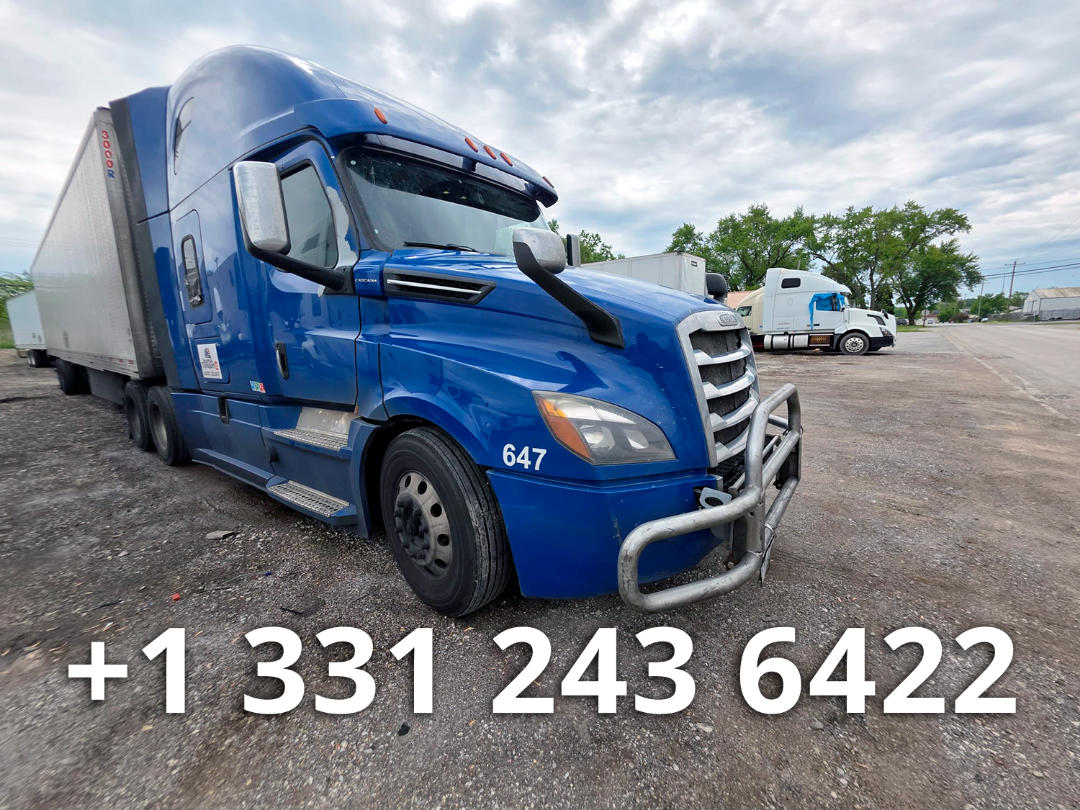
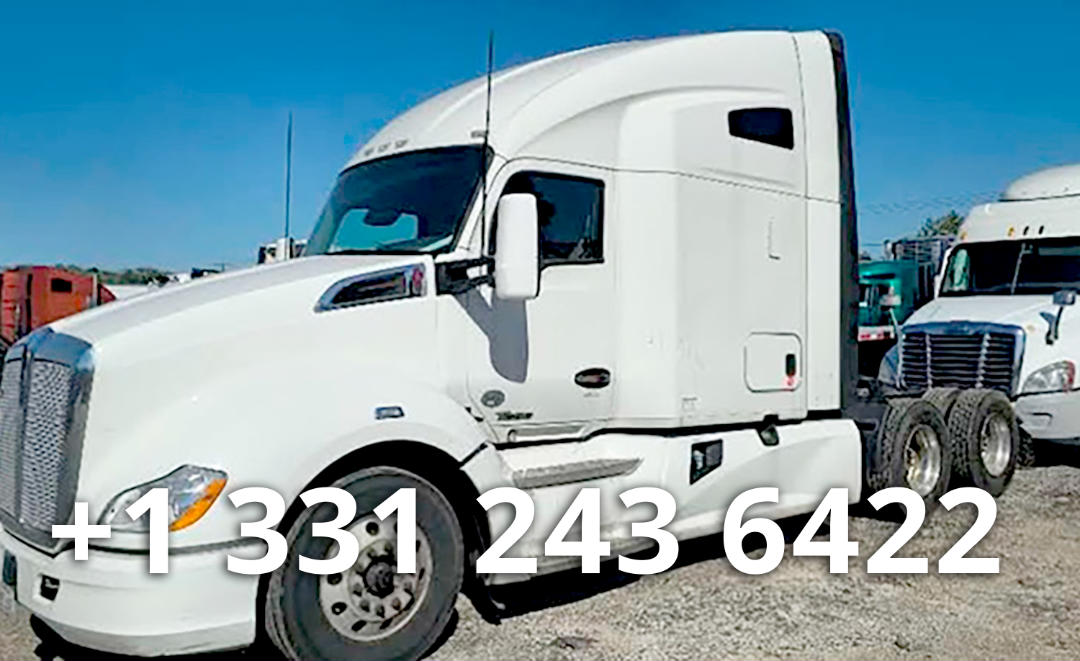
Popular makes in this segment include Kenworth, Freightliner, International, Peterbilt, and Volvo, with engines such as the Cummins ISX and Detroit DD15 appearing often on the used market. Buyers comparing listings should confirm rear ratio, GCWR, transmission model, suspension type, tire condition, and any recent DPF or aftertreatment service. If the truck is expected to move beyond general freight into true specialized hauling, the safest approach is to match the truck to the trailer, the legal weight target, and the route profile first, then compare miles and price second.
Frequently Asked Questions about Used Heavy Haul Trucks in Illinois
What makes a truck a true heavy haul truck instead of a standard road tractor?
A true heavy haul truck is built around higher axle ratings, stronger frame construction, heavier suspension components, and driveline specs designed for very high gross combined weights. Many used tractors can pull freight, but a genuine heavy-spec unit will often have a heavier front axle, deep rear gearing, locking differentials, double frame rails, and a transmission suited for starting heavy loads repeatedly. The difference matters because specialized hauling puts much more strain on the chassis and driveline than standard van or reefer work.
Which specs matter most when buying a used heavy haul truck?
The most important specs are axle ratings, wheelbase, horsepower, torque, transmission type, rear axle ratio, suspension capacity, and frame construction. Buyers should also verify GCWR, fifth wheel rating, PTO or wet kit capability if needed, and whether the truck has the right setup for the trailer it will pull. Maintenance records are just as important as hard specs because heavy haul service accelerates wear on brakes, clutches, driveline components, and emissions systems.
Is an automatic transmission acceptable in a used heavy haul truck?
An automatic or automated manual can be acceptable if the truck's intended work is moderate heavy hauling, regional equipment transport, or mixed-duty applications. For the heaviest specialized loads, many operators still prefer manual or heavy-duty automated manual transmissions with gearing designed for low-speed control and repeated heavy starts. The right choice depends on gross weight, terrain, driver preference, and how often the truck will operate off-road or on steep grades.
How important is mileage on a used heavy haul truck?
Mileage matters, but service history and specification matter more. A used heavy haul truck with higher miles and documented fleet maintenance can be a better value than a lower-mile truck with unresolved aftertreatment problems, weak suspension components, or the wrong axle setup for the job. Buyers should review engine service, DPF and emissions work, brake history, turbo replacement, clutch or transmission repairs, and any signs of frame or suspension fatigue.
What trailers are commonly paired with heavy haul trucks?
Heavy haul trucks are commonly matched with lowboy trailers, removable gooseneck trailers, step deck lowboys, jeep and booster combinations, and other specialized trailers used for machinery or over-dimensional freight. The truck must be spec'd to the trailer and expected load range, especially for kingpin load, frame stress, and bridge law compliance. Trailer compatibility is one of the most important buying considerations because the wrong wheelbase or axle setup can limit legal capacity and route options.