
Heavy Haul Trucks For Sale
Compare heavy haul trucks for oversize and overweight loads. Evaluate axles, engines, gearing, fifth wheels and wet kits to match your lowboy and permits.

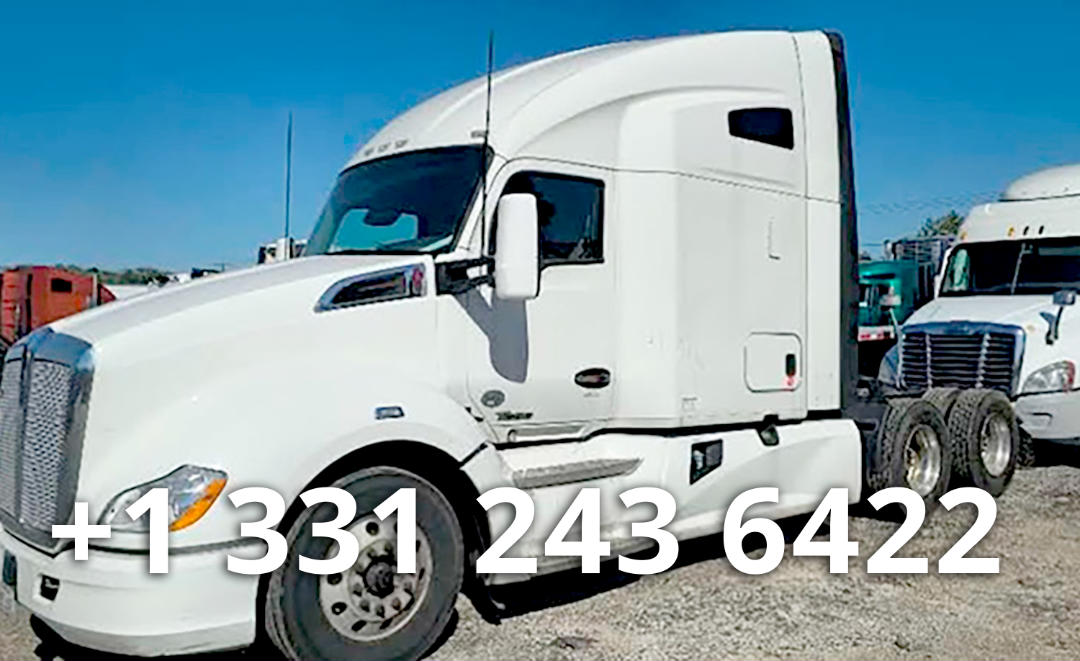
Selling a heavy haul truck? List your heavy haul truck for sale and reach thousands of commercial buyers.
Heavy Haul Trucks
Coupling gear and hydraulics dictate day-to-day compatibility. Pulling a detachable gooseneck lowboy often requires a 3-line wet kit with high-flow pump, return-to-tank with filtration, and a case-drain for modern valves and motors. Reservoir size and oil cooling matter when cycling jeeps, boosters, or flip axles. Quick disconnects at the headache rack, extra electrical leads, and a strobe circuit simplify oversize setups. A long-travel sliding fifth wheel helps manage axle loads and jeep or stinger geometry. Front frame extensions, tow eyes, and winch or bumper-pull provisions are common on severe-duty builds.
Drivetrain choices balance control, durability, and road speed. Big-bore diesels like X15- and DD16-class engines in the 500 to 605 hp range with 1850 to 2050 lb-ft are typical. An 18-speed manual remains the benchmark for precise low-speed maneuvering, while heavy-duty automated manuals and select Allison vocational automatics are increasingly spec’d for consistent clutch control. Rear axle ratios often run 4.10 to 4.56 or deeper, sometimes with hub-reduction or planetary rears for extreme duty. A heavy cooling package, robust charge air cooler, and aggressive engine brake or transmission retarder are valuable on long grades with oversize weight.
Suspension and tires influence both compliance and ride. Walking beam, Haulmaax, Camelback, and other mechanical suspensions offer stability and articulation off-pavement, trading some ride comfort and weight. Heavy air-ride suspensions with dump valves can improve on-road comfort and weight transfer. A 20K steer typically needs 425/65R22.5 rubber, wide track components, and upgraded springs. Wheelbase is often driven by axle spread laws and the need to run a jeep or booster; longer wheelbases improve weight distribution but reduce maneuverability. Expect higher tare weight and lower fuel economy than a highway tractor. When evaluating a unit, verify fifth wheel height, slider travel, and wheelbase against your lowboy’s neck and kingpin setting, confirm wet kit flow, pressure, and reservoir specs, and inspect frame liners, suspension bushings, driveline joints, and aftertreatment service history.
Also known as: Heavy Haul Tractor, Heavy Hauler
Frequently Asked Questions about Heavy Haul Trucks
How do I size a heavy haul tractor to my permitted weight target?
Start with legal and permitted axle group limits in your operating states or provinces, then select steer, drive, and lift axle ratings that support those numbers. Match tire and wheel ratings to the axle ratings, and confirm the fifth wheel vertical and drawbar ratings exceed expected kingpin loads. Frame RBM and suspension capacity must support the load path between the fifth wheel and axles. Many operators reach higher gross weights with jeeps and boosters, so plan wheelbase and slider travel to achieve compliant axle spreads. Always verify GCWR limits from the OEM and ensure the driveline, brakes, and cooling package align with your permitted weights and routes.
Do I need a 2-line or 3-line wet kit for a detachable lowboy and boosters?
Most hydraulic detachable goosenecks and booster circuits perform best with a 3-line system: a pressure line, a dedicated return-to-tank with filtration, and a case drain. This prevents heat buildup and backpressure in sensitive valves and motors. Flow and pressure vary by trailer brand and options, but many lowboy applications call for higher flows than dump trailers and benefit from larger reservoirs and oil coolers when cycling frequently. A 2-line kit can run simple cylinders for dumps or live-bottoms, but it is not ideal for many modern lowboy detach and steering systems. Check your trailer’s spec sheet for required flow, pressure, and recommended hose ends.
Should I choose a 6x4, tri-drive, or 6x6 for heavy haul work?
A 6x4 is lighter, more maneuverable, and often simplest to permit in many states, making it popular for paved-route heavy haul with jeeps and boosters. Tri-drive configurations increase traction and drive axle capacity and are common in Western Canada and off-road oilfield or logging work, at the cost of higher tare weight and more drivetrain components to maintain. A 6x6 adds front-wheel drive for severe terrain, pipeline, or mine access, but it is heavier, slower on-road, and more complex. Choose based on terrain, typical gross weight, and regional permitting rules.
What gearing and transmission work best for oversize and overweight loads?
An 18-speed manual provides very fine ratio steps and strong low-gear control for tight sites and steep approaches. Heavy-duty automated manuals with deep low gears can offer similar control with reduced driver fatigue if programmed for vocational service. Final drive ratios in the mid-4s or deeper are common, especially with tall tires or hub-reduction axles. The trade-off is cruising speed and fuel economy, so consider your mix of highway miles versus slow-speed work. Pair the gearing with a robust engine brake or retarder to manage downhill speed under heavy loads.
What should I inspect on a used heavy haul truck before buying?
Confirm the frame liner configuration and RBM rating, look for signs of stress around the fifth wheel mounting and suspension hangers, and measure fifth wheel height and slider travel against your trailer’s neck. Test the wet kit for correct flow, pressure, and smooth operation, and inspect PTO, pump, hoses, and filtration for leaks or heat damage. Check suspension bushings, torque rods, hub seals, and driveline U-joints, and verify steer tires and wheels are rated for the listed axle capacity. Review engine and aftertreatment service history, and note engine hours in addition to miles, since heavy haul tractors often idle and work at low speed.