
Heavy Haul Trucks For Sale in Illinois
Browse Heavy Haul trucks for sale in Illinois. Compare specs, axle setups, horsepower, drivetrain options, and regional hauling applications.
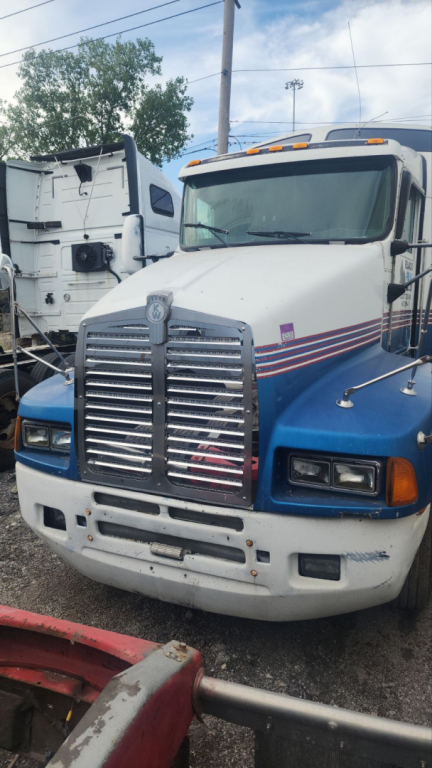
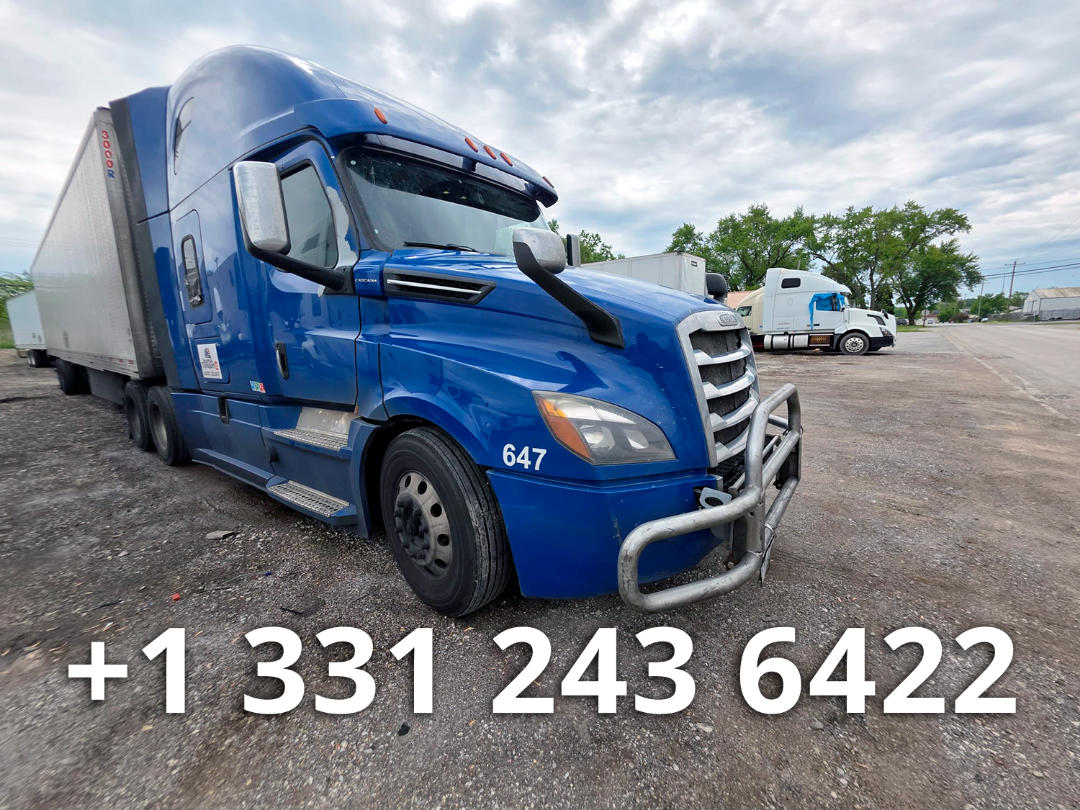

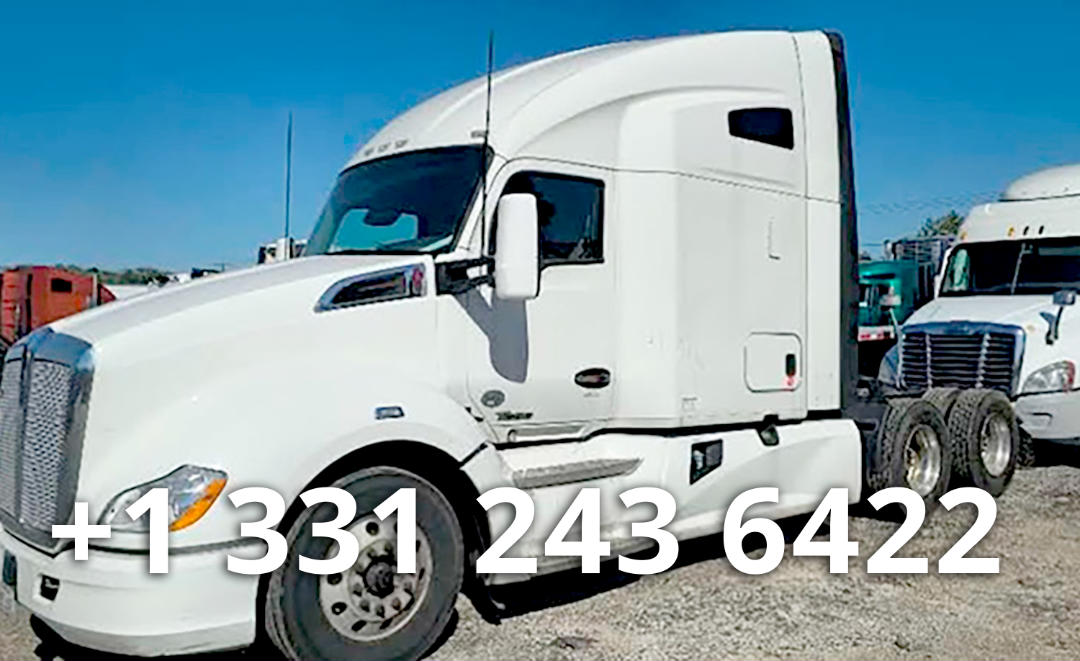
Selling a heavy haul truck? List your heavy haul truck for sale and reach thousands of commercial buyers.
Heavy Haul Trucks in Illinois
Transmission choice matters more in heavy haul than in a standard highway tractor. A 10-speed or other manual setup can still appeal to buyers who want direct control when starting on grades, backing into tight jobsites, or managing specialized trailers. Automated and fully automatic transmissions are also common in later-model trucks and can reduce driver fatigue, especially in regional work with frequent stops. Buyers should verify rear axle ratio, GCWR, suspension rating, and fifth wheel capacity, because a truck that looks similar to a highway sleeper may not be spec'd for true lowboy, removable gooseneck, or equipment moving duty. If the work involves permit loads, bridge formula considerations, or multi-axle trailer combinations, front axle capacity and frame spec become especially important.
Illinois operators often balance highway efficiency with the need to handle construction equipment, steel, machinery, and regional specialized freight. That makes wheelbase, sleeper size, and fuel capacity part of the buying decision. A shorter wheelbase can improve maneuverability in urban freight corridors and jobsites, while a longer chassis may offer better ride quality, fuel capacity, or room for heavier components. Air ride suspension is common for driver comfort, but vocational or severe-service use may justify heavier mechanical options depending on the trailer and terrain. Service history is also a major factor in this category, especially on emissions systems, brakes, clutch components, differential service, and cooling systems, since heavy pulling exposes weaknesses quickly.
A good heavy haul truck is not defined by model name alone. The real difference is in how the truck was spec'd and maintained. Buyers should confirm axle ratings, engine brake performance, PTO capability if needed, tire condition and load range, and any recent work on aftertreatment, turbochargers, or driveline components. If the truck will spend part of its life in standard regional freight and part in specialized hauling, a balanced spec can make more sense than an extreme setup. The best choice is the one matched to trailer type, legal weight targets, route profile, and how often the truck will start heavy versus cruise at highway speed.
Frequently Asked Questions about Heavy Haul Trucks in Illinois
What makes a truck a heavy haul truck instead of a standard semi tractor?
A heavy haul truck is defined more by its specifications than by its badge. Compared with a standard highway tractor, it may have higher horsepower and torque, heavier front and rear axle ratings, a stronger frame, lower rear axle gearing, and a fifth wheel or hitch setup suited for higher pin weights. Some are still tandem axle 6x4 tractors, but true heavy haul units are typically configured to handle oversized, overweight, or specialized trailer work with better durability during heavy starts, grades, and low-speed pulling.
What specs should buyers check first on a used heavy haul truck?
Start with axle ratings, engine rating, transmission type, rear axle ratio, suspension capacity, and frame construction. Those items determine if the truck can realistically handle the trailer and load you plan to pull. After that, review wheelbase, fifth wheel capacity, brake condition, engine brake performance, and service records for the emissions system, driveline, and cooling system. A truck can have a strong engine and still be poorly suited for heavy haul if the rest of the chassis was spec'd for general highway freight.
Is an automatic transmission good for heavy haul work?
An automatic or automated transmission can work well in heavy haul service, especially in regional operations where driver fatigue and stop-and-go traffic matter. The key is that the transmission must be matched to the engine torque, axle ratio, and gross combined weight the truck will see. Some operators still prefer manual transmissions for precise control on grades, jobsite maneuvering, and very heavy starts. The better choice depends on load profile, driver preference, and how demanding the route conditions are.
Are tandem axle 6x4 trucks enough for heavy haul applications?
For many regional equipment moves and moderate specialized loads, a tandem axle 6x4 tractor may be sufficient if it has the right suspension, axle ratings, gearing, and frame. For more demanding heavy haul work, buyers may need higher-capacity steer axles, heavier driveline components, pusher or lift axles, or a purpose-built severe-duty chassis. The trailer type and legal weight target are just as important as the tractor itself, so the complete combination should be evaluated together.
Why is maintenance history so important on a used heavy haul truck?
Heavy hauling puts extra stress on the engine, transmission, differentials, brakes, suspension, and aftertreatment system. A detailed maintenance history helps confirm whether the truck has been serviced before wear turned into failure. Records showing recent brake work, DPF or aftertreatment service, clutch or transmission repairs, cooling system work, and differential service are especially valuable. In this category, maintenance quality often tells you more about future reliability than odometer reading alone.