
2018 Heavy Haul Trucks For Sale
Shop 2018 heavy haul trucks with specs that matter: horsepower, axle setup, frame strength, gearing, PTO options, and vocational readiness.
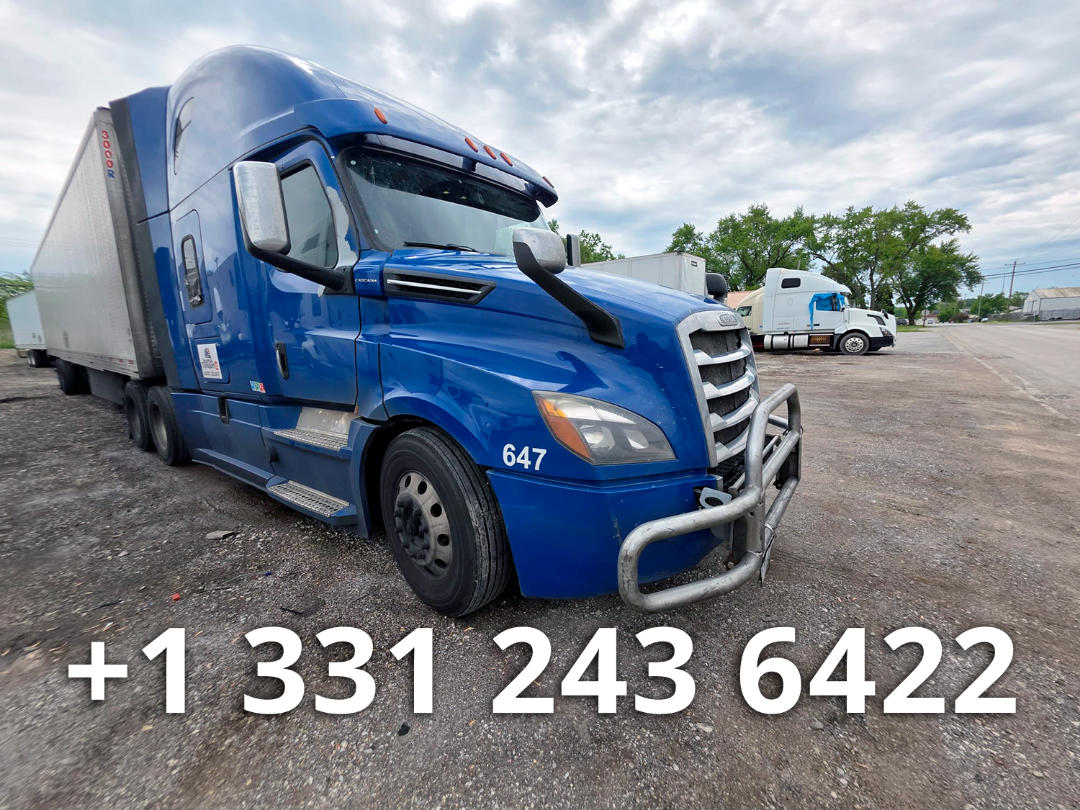

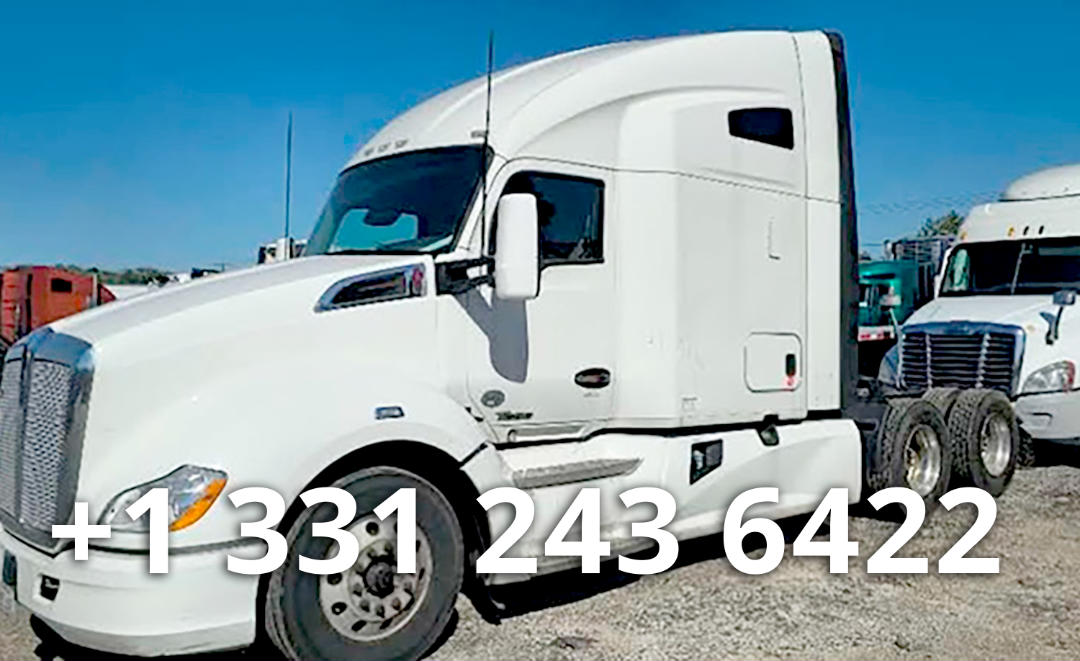
Selling a 2018 heavy haul truck? List your 2018 heavy haul truck for sale and reach thousands of commercial buyers.
2018 Heavy Haul Trucks
Frequently Asked Questions about 2018 Heavy Haul Trucks
What makes a 2018 truck a true heavy haul truck?
A true heavy haul truck is built to move more than standard highway freight, usually with heavier axle ratings, stronger frame rails, vocational suspension, and driveline components designed for sustained high-load work. Many trucks listed as heavy haul are highway tractors with enough power to pull, but not all have the axle, frame, gearing, or hitch equipment needed for specialized hauling. Buyers should verify front axle capacity, rear axle ratings, frame specification, fifth wheel or pintle setup, and whether the truck has the cooling and PTO provisions required for the intended application.
Is an automatic transmission a good choice in a 2018 heavy haul truck?
It depends on the work. Automated manual transmissions can perform well in regional heavy haul and mixed on-road use, especially when matched to the right engine and rear-end ratio. For extreme weight, off-road maneuvering, or steep-grade work, many operators still prefer a manual transmission because it gives more direct control over gear selection and low-speed drivability. The key is not simply automatic versus manual, but whether the transmission is rated and calibrated for the gross combined weight and duty cycle the truck will see.
What axle configuration is most common for heavy haul trucks?
Tandem drive axles are common in general heavy-spec tractor applications, but heavier work often calls for lift axles, pusher axles, or tridrive configurations depending on bridge law, permit requirements, and local operating conditions. A buyer should match axle layout to the loads being moved and the states or provinces where the truck will run. Front axle capacity is especially important on heavy haul tractors because a heavier fifth wheel load and auxiliary equipment can quickly overload a lighter steer axle.
What should I inspect on a used 2018 heavy haul truck?
Pay close attention to maintenance history and wear points tied to heavy service. Engine service records, DPF and emissions history, clutch or transmission condition, driveline play, suspension wear, brake life, and frame condition all matter. Inspect for cracks, prior frame repairs, uneven tire wear, and signs the truck was worked beyond its spec. If the truck has high miles, recent work such as brakes, turbo replacement, air conditioning service, engine adjustment, or aftertreatment service can add value, but only if the repairs were done correctly and documented.
Can a 2018 highway tractor be used for heavy haul work?
Sometimes, but only if the specifications support it. A highway tractor with a strong engine may handle moderate heavy loads, yet still fall short on axle capacity, frame reinforcement, suspension durability, or gearing for true heavy haul service. Buyers should look beyond the badge and confirm the truck's build sheet. A properly spec'd heavy haul tractor is designed for higher kingpin weight, tougher starts under load, and repeated stress that a standard over-the-road spec may not tolerate well.