
Used 2020 Commercial Trucks For Sale in Illinois
Shop used 2020 semi and vocational trucks in Illinois, with guidance on specs, weight, corrosion, and body integrity to match payload and routes.
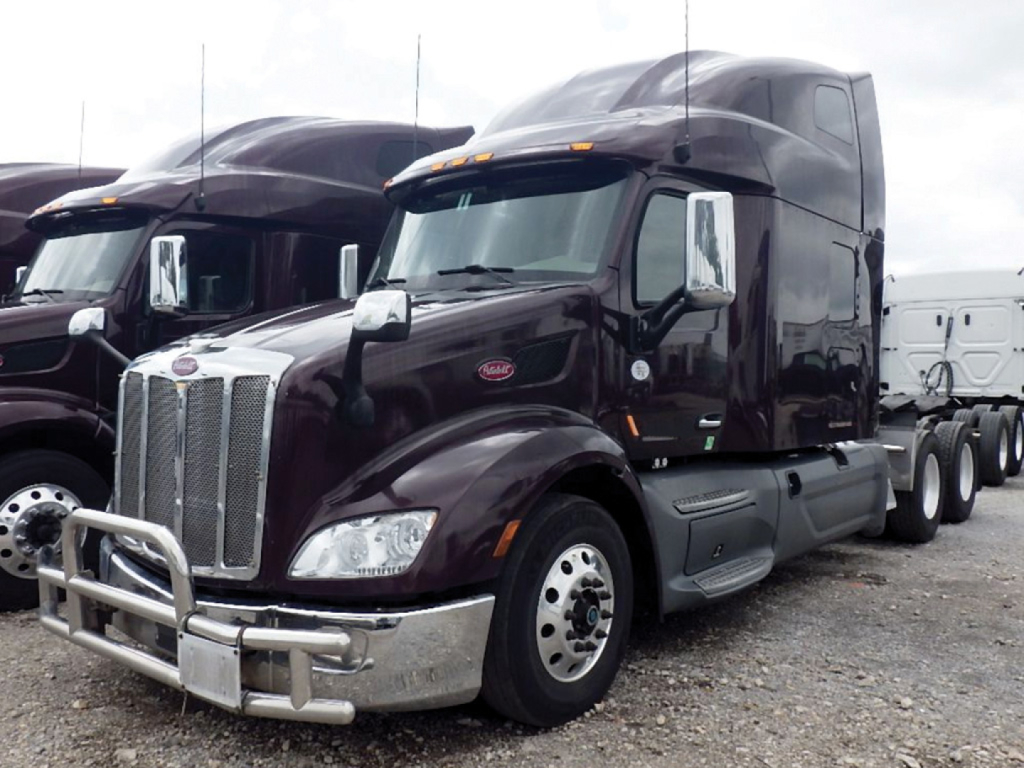
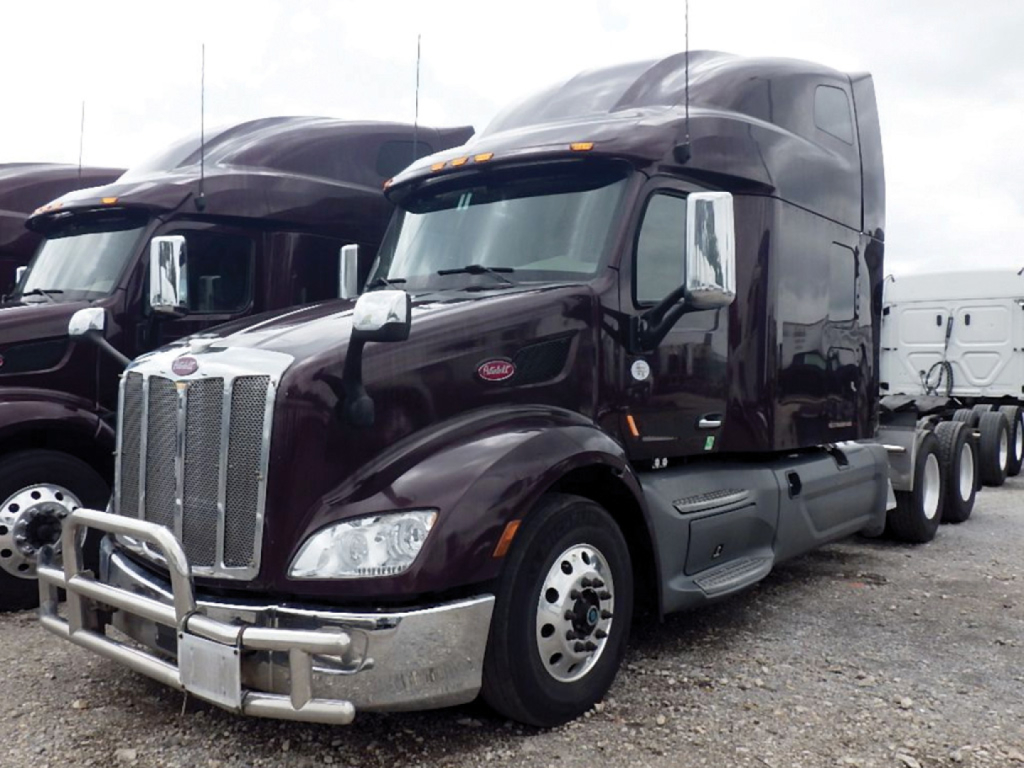
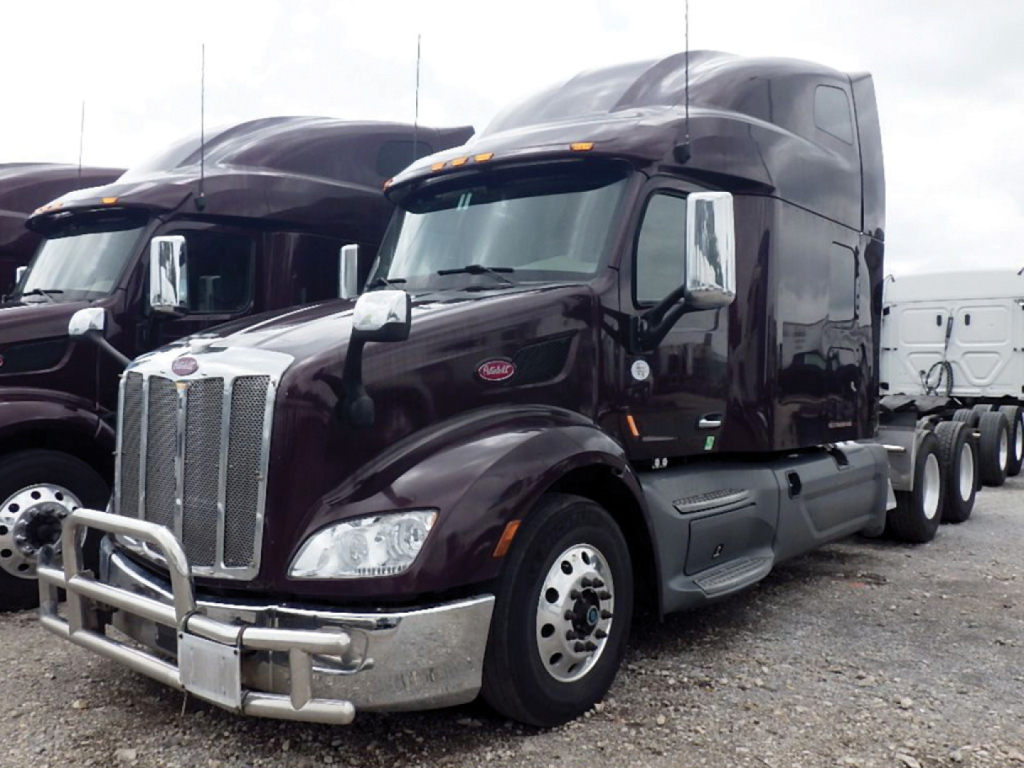
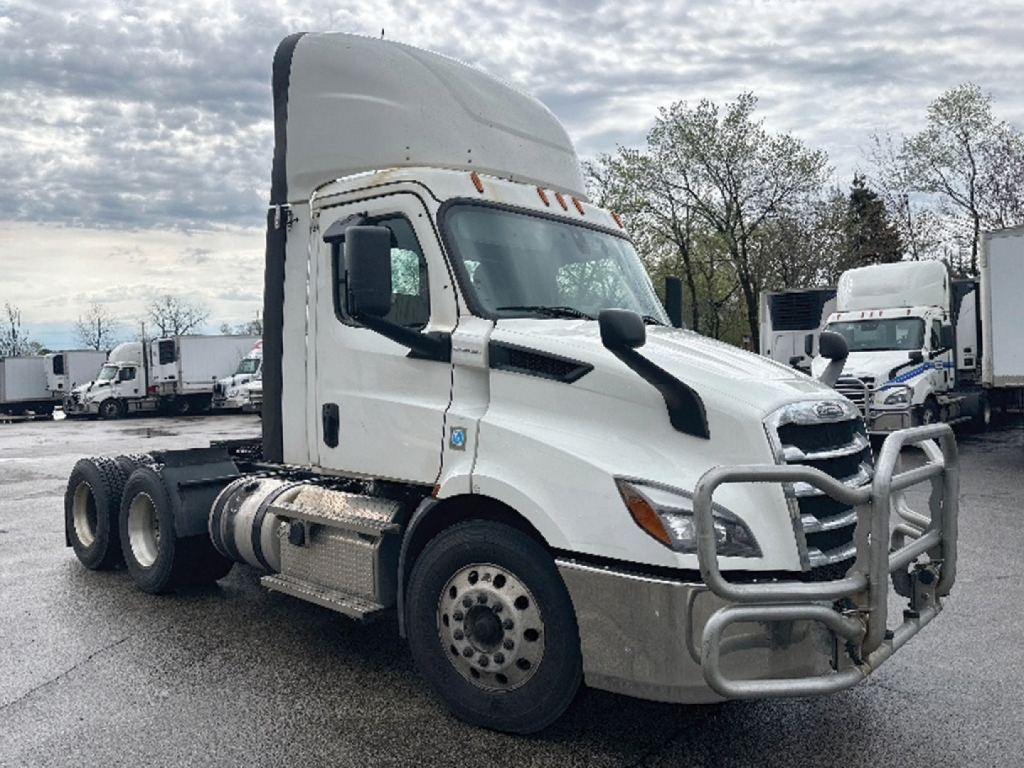
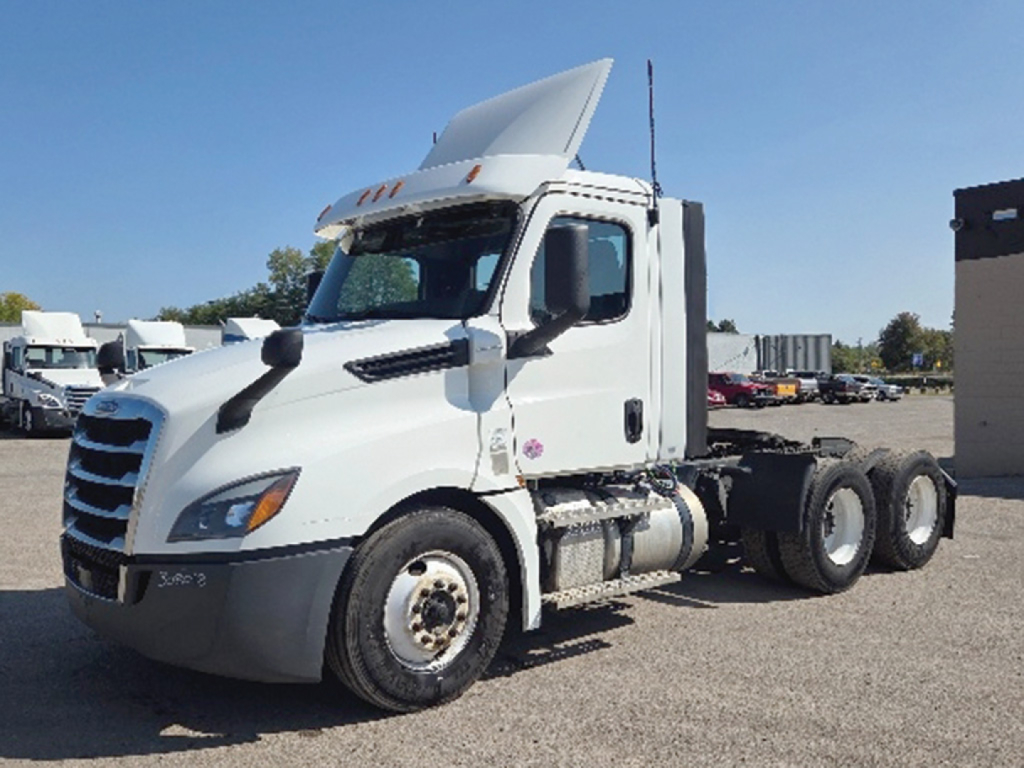
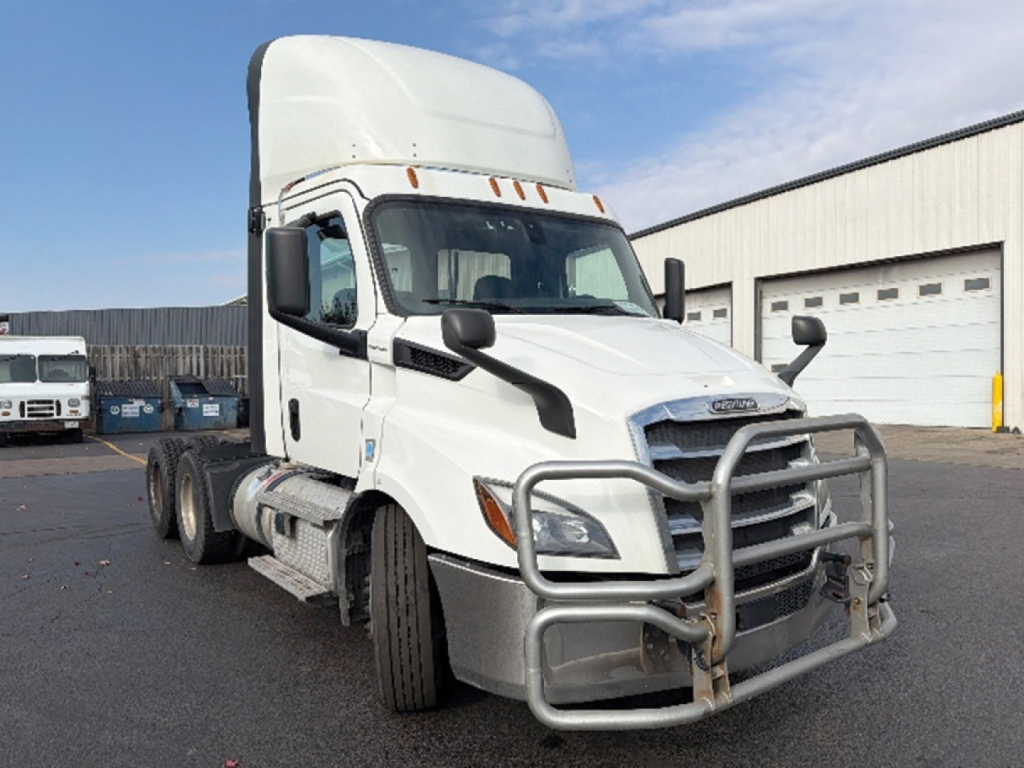
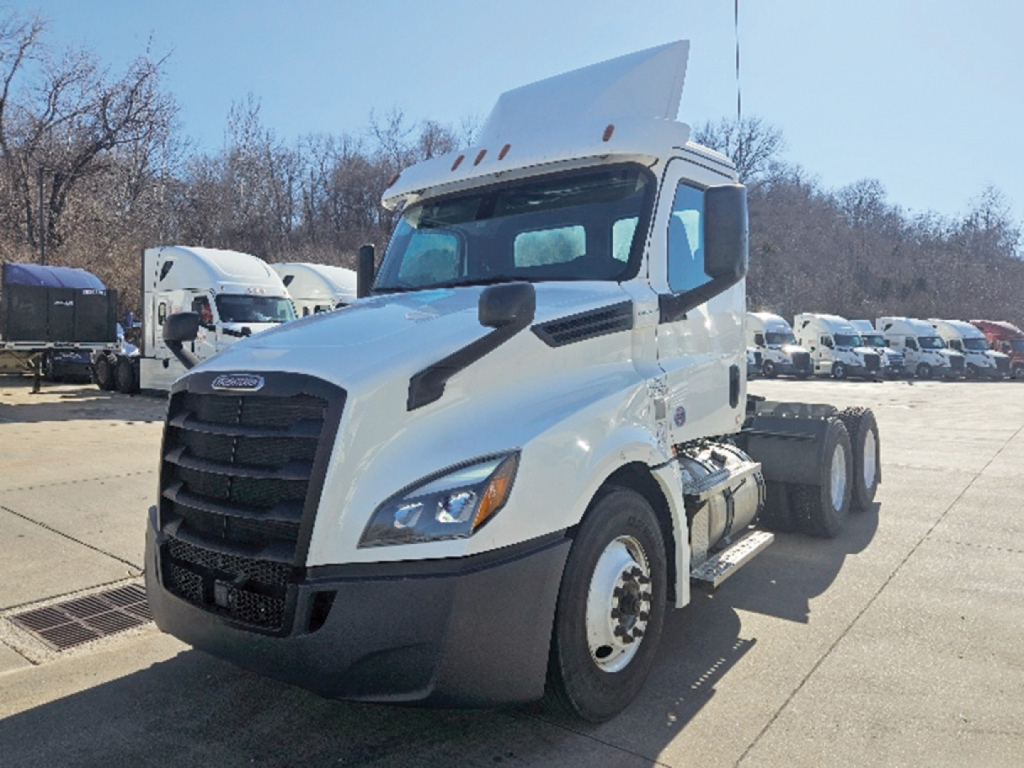
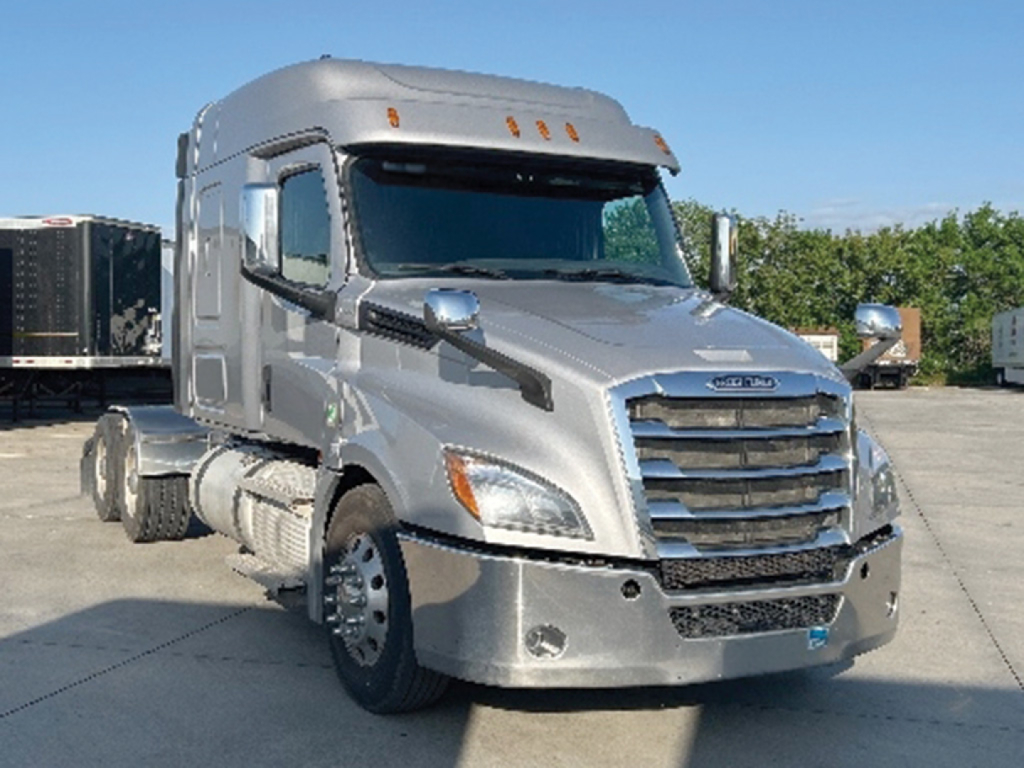
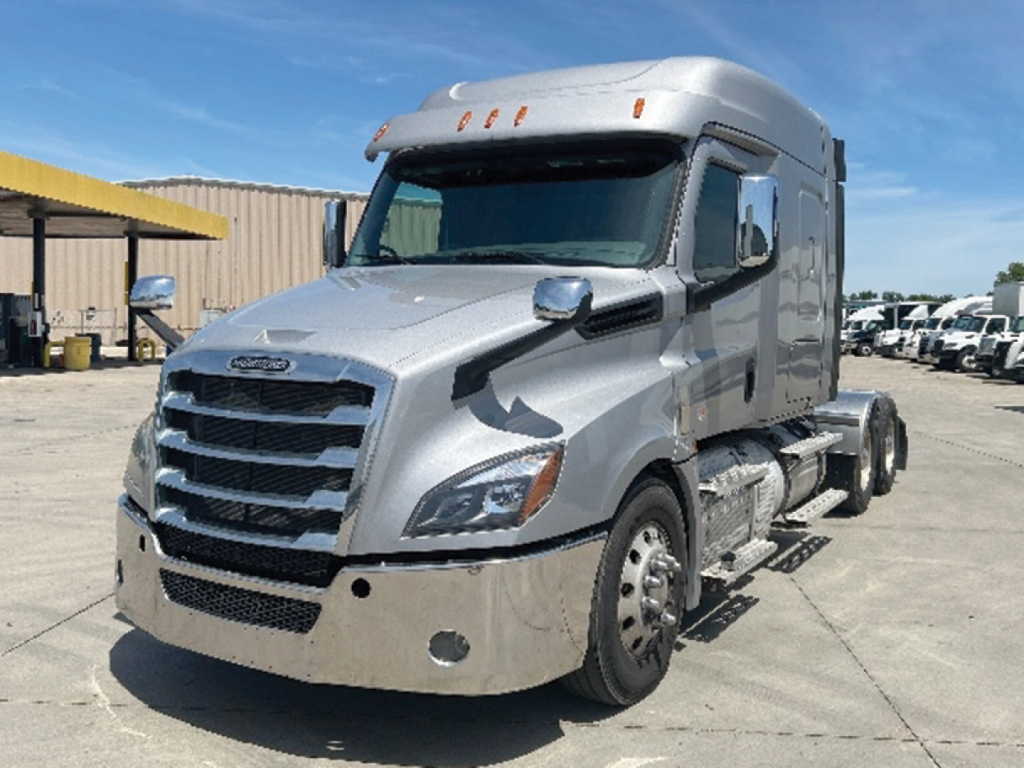


Looking for the easiest place to sell your used 2020 commercial truck? List it here to reach thousands of buyers.
Used 2020 Commercial Trucks in Illinois
Spec fit drives total cost. For sleeper and day cab tractors, focus on axle ratios in the 2.28 to 2.64 range paired to an AMT for highway routes, or slightly deeper gearing for mixed duty. Tare weight is a revenue lever, aluminum wheels, air tanks, and fifth wheels can free up hundreds of pounds for payload, though durability expectations must be matched to route and dock conditions. For straight trucks, evaluate floor strength by fork rating and crossmember spacing, hardwood or composite floors with 12 inch or tighter crossmember spacing handle pallet jacks and 4 point forklift loads better. Scuff liners and 12 to 24 inch wear bands protect sidewalls, saving floors from racking damage.
Thermal integrity is critical on 2020 reefer trucks and insulated van bodies. Inspect foam thickness, door seals, and T floor continuity, then verify pull down performance and reefer hours relative to service records. Stainless or galvanized rear frames, sealed wiring, and composite roofs resist water intrusion and thermal bridging, which keeps setpoint steady and fuel use lower. In the cab and sleeper, look for tight door seals, auxiliary bunk heaters, and APUs, these reduce idle time, improve driver comfort in Illinois winters, and help emissions systems by minimizing cold idling.
Midwest road salt makes corrosion resistance a top priority. Check frame flanges, crossmembers, spring hangers, battery boxes, DEF tanks, and aluminum to steel interfaces for blistering or white rust. E coated or galvanized components, stainless fasteners, and sealed connectors extend life and resale. Review aftertreatment history on 2020 units, DOC and DPF cleaning intervals, SCR dosing tests, and NOx sensor replacements should be documented. A thorough inspection should include a forced regen test, transmission clutch wear data on AMTs, kingpin and steer axle alignment readings, brake measurements, and oil analysis. The right 2020 spec will align floor strength or body integrity with your payload, keep tare weight under control, and hold up to Illinois weather without eating maintenance budget.
Frequently Asked Questions about Used 2020 Commercial Trucks in Illinois
What mileage is reasonable for a used 2020 Class 8 tractor, and how much life is left?
Highway tractors from 2020 often show 300,000 to 700,000 miles. With verified maintenance, many platforms comfortably run to 900,000 miles or more before major work, assuming healthy oil analysis, strong blowby numbers, and a clean aftertreatment history. Component life varies by duty cycle, idle percentage, and gearing, so review ECM data and service records to gauge remaining life.
How do I evaluate corrosion on an Illinois 2020 truck before purchase?
Inspect frame rails inside and out, crossmembers, fuel and DEF tank straps, cab mounts, brake chambers, and the rear frame area near the fifth wheel or liftgate. Look for scaling, swelling around fasteners, delamination of paint, and pitting on aluminum where it contacts steel. Stainless or galvanized hardware, intact undercoating, and sealed harness connectors indicate better corrosion resistance. A lift inspection and borescope of boxed areas provide a clearer picture.
How does tare weight on a 2020 truck affect payload and operating cost?
Lower tare weight allows higher legal payload within axle and gross limits, which can add revenue on dense freight. Weight reductions come from aluminum wheels and tanks, lightweight fifth wheels, and single vs dual accessories, but the trade off can be durability and heat rejection capacity. Balance weight savings with your route, bridge law compliance, and tire selection so the truck stays stable, cools effectively, and stops within spec.
What should I check on the floor and body of a 2020 dry van or reefer straight truck?
Confirm floor fork ratings, crossmember spacing, and fastening method, then look for soft spots, popped fasteners, and racked rear corners. Inspect scuff liners, logistics posts, and rear thresholds for impact damage. On reefers, verify insulation thickness, door seal compression, hinge alignment, drain integrity, and run a pull down test to target temperature. Stainless rear frames and sealed roofs improve both corrosion resistance and thermal integrity.
Which emissions and aftertreatment items are most important on a 2020 diesel truck?
Review DOC and DPF service intervals, ash loading, and any history of forced regens. Inspect the DEF system, pump and doser operation, heated lines, tank quality, and NOx sensor age. Run a health report through the OEM diagnostic tool if available, check for SCR efficiency codes, and ensure there are no exhaust leaks upstream of sensors. A properly functioning system reduces fuel penalty and prevents derates that can disrupt routes.