
Used 2018 Commercial Trucks For Sale in Illinois
Browse used 2018 trucks for sale in Illinois, including day cabs and sleepers with diesel power, common fleet specs, and regional hauling appeal.

Selling a used 2018 commercial truck? List your used 2018 commercial truck for sale and reach thousands of commercial buyers.
Used 2018 Commercial Trucks in Illinois
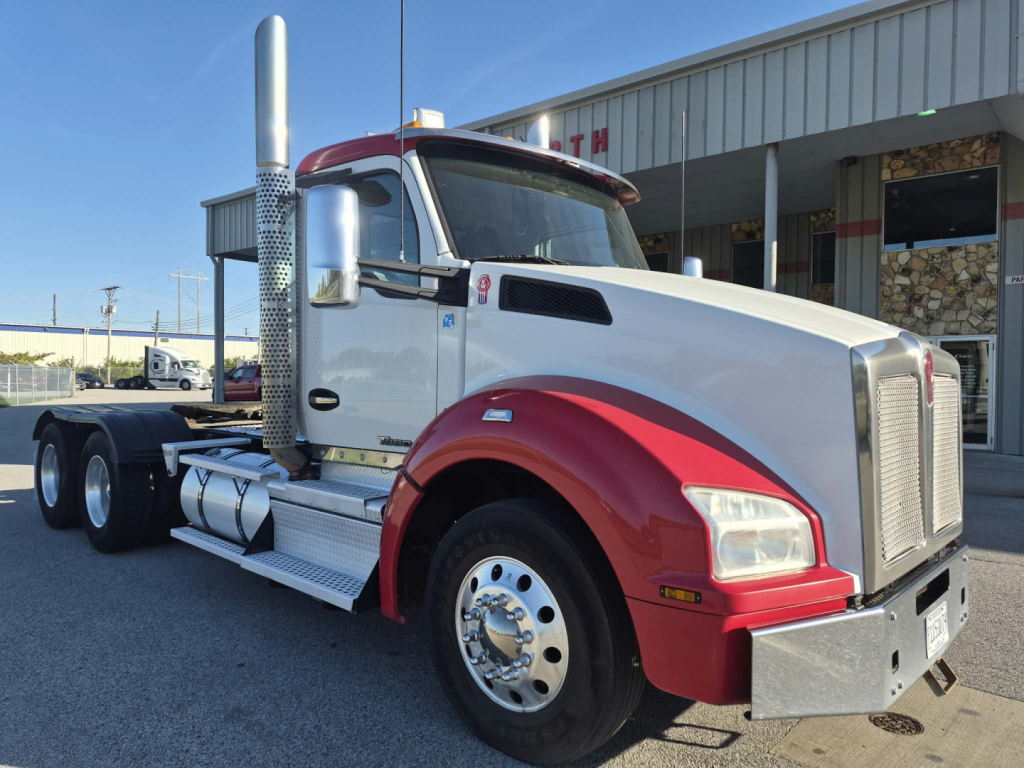
The first decision is usually cab configuration and axle setup. A 2018 day cab is often the right fit for short-haul, port, intermodal, tanker, dump, or dedicated regional lanes where lower tare weight, tighter wheelbase, and easier maneuverability matter. A 2018 sleeper truck makes more sense for over-the-road applications, team service, or routes that require onboard storage and bunk amenities. In this year range, buyers will commonly find single-axle and tandem-axle trucks, rear axle ratings around 23,000 to 40,000 pounds, wheelbases tailored to fifth wheel position and trailer swing clearance, and air ride suspensions that support ride quality and freight protection. Fifth wheel style, air slide adjustment, and kingpin setting compatibility should be checked closely if the truck will be moved between different trailer lengths.
Powertrain spec matters more than badge alone. Many 2018 trucks in Illinois are equipped with proven 12- to 13-liter diesel engines such as the Detroit DD13, Cummins ISX or X15 family, Volvo D13, or Navistar N13, often paired with 10-speed, 13-speed, 18-speed, or automated manual transmissions like the DT12 or I-Shift. Rear axle ratios can vary widely depending on intended use. A faster ratio can support fuel economy on highway lanes, while a deeper ratio may be better for heavy start-stop work or specialized hauling. Buyers should also pay attention to emissions system history, engine brake operation, PTO requirements, maintenance records, and tire and brake condition. On a used 2018 truck, service documentation and evidence of consistent preventive maintenance often tell you more than appearance alone.
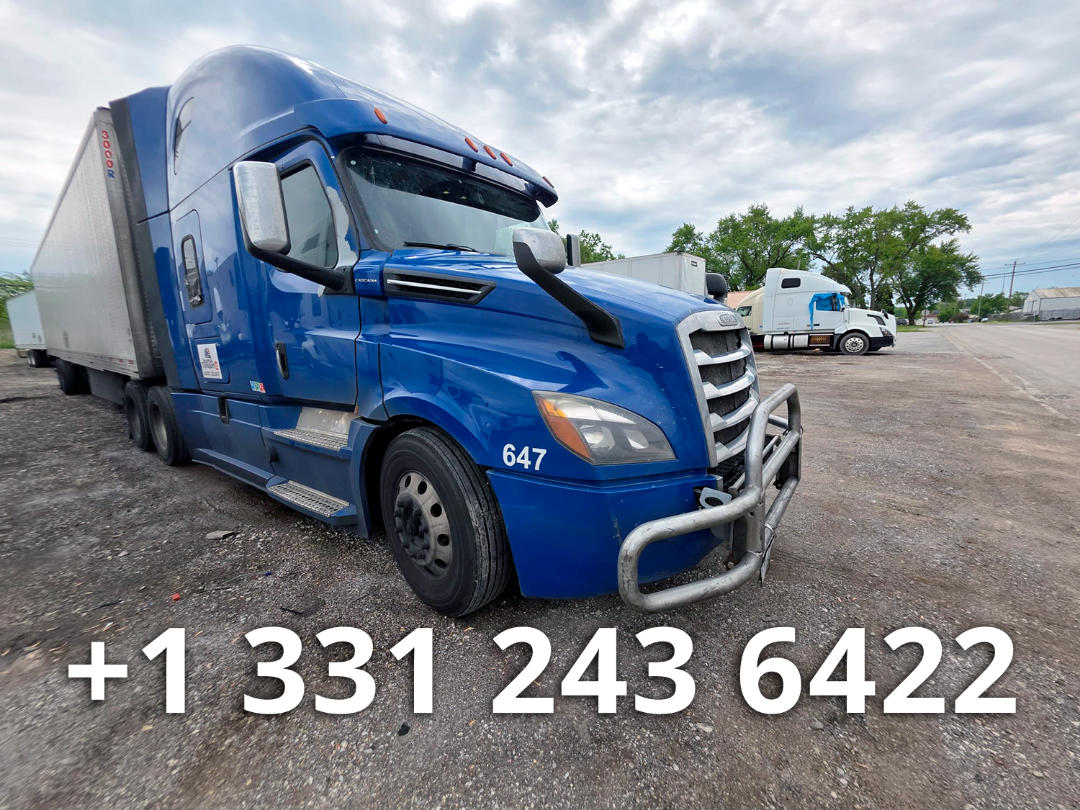
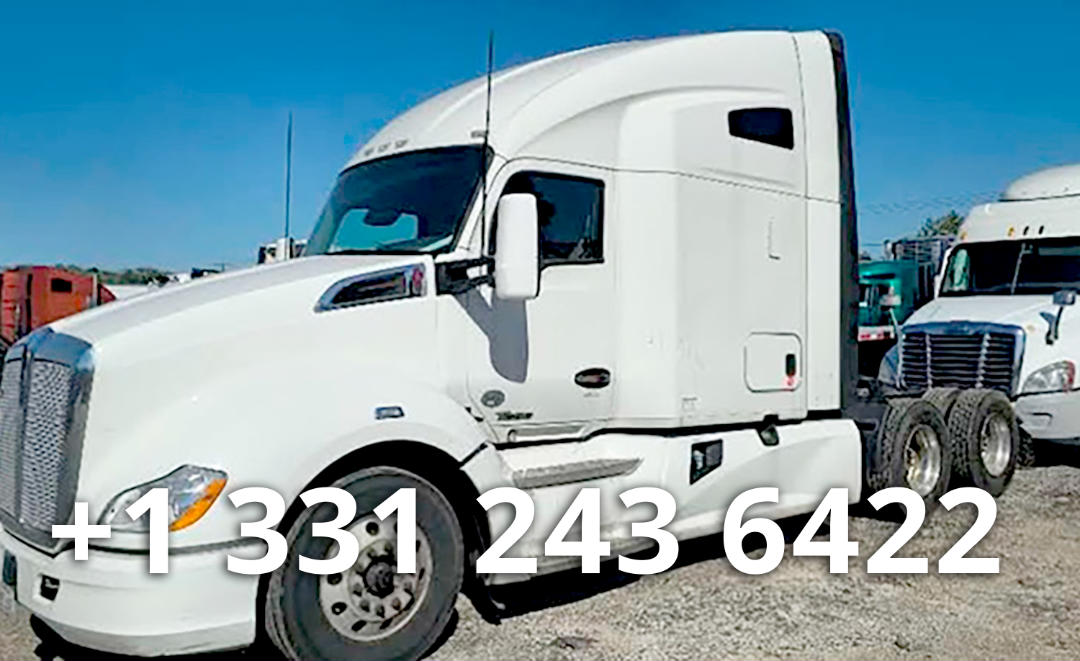
Illinois buyers also need to think about operating environment. Trucks that have spent time in Midwest weather should be inspected carefully for frame corrosion, cab corrosion, wiring condition, air system leaks, suspension wear, and the overall state of aluminum wheels, tanks, and crossmembers. Aerodynamic packages, bunk heaters, fairings, fuel tank capacity, and driver comfort features can make a measurable difference in regional and over-the-road performance. A well-matched used 2018 truck should fit the freight first, then the route profile, then the budget. If the wheelbase, horsepower, gearing, cab style, and axle rating line up with the work, a 2018 truck can still be a very productive asset in a commercial fleet.
Frequently Asked Questions about Used 2018 Commercial Trucks in Illinois
What should I look for first when buying a used 2018 truck in Illinois?
Start with the truck’s intended job, then verify the core spec matches that work. Cab type, axle configuration, wheelbase, engine horsepower, transmission type, rear axle ratio, and fifth wheel setup should all align with the trailers and loads you plan to pull. After that, review maintenance records, engine hours if available, emissions system history, tire wear, brake condition, suspension wear, and signs of rust or corrosion from Midwest service. A clean spec sheet is useful, but service history and physical condition usually determine long-term value.
Are 2018 trucks a good choice for fleet and owner-operator use?
Yes, 2018 trucks are often a practical buying point because they are new enough to offer modern cab features, aerodynamic improvements, and widely supported powertrains, but old enough to be more accessible on price than late-model equipment. They can work well for fleets looking to add capacity and for owner-operators who want a truck with current-era components and broad parts support. The key is to buy based on application and maintenance quality, not just age or make.
What engines and transmissions are common in used 2018 trucks?
Common engine platforms in this segment include Detroit DD13 and DD15, Cummins ISX or X15 variants, Volvo D13, PACCAR MX series, and Navistar N13 depending on make and model. Horsepower often falls in the 400 to 500 horsepower range for highway tractors. Transmission choices typically include manual 10-speed, 13-speed, and 18-speed options, along with automated manuals such as the Detroit DT12 and Volvo I-Shift. The best setup depends on route profile, driver preference, fuel economy goals, and gross combination weight.
Is a 2018 day cab or sleeper better for Illinois operations?
A day cab is usually the better fit for local, dedicated, intermodal, and regional operations where overnight accommodations are not needed and maneuverability matters. A sleeper is usually the better option for over-the-road freight, longer dispatch cycles, or operations that need extra storage and driver amenities. In Illinois, where trucks may move between metro freight, agricultural lanes, and long interstate runs, the right answer depends on duty cycle more than geography. Matching the truck to the length of haul is the most important factor.
How important is rear axle ratio on a used 2018 truck?
Rear axle ratio has a major effect on drivability, startability, cruising rpm, and fuel economy. Lower numerical ratios are often preferred for highway speed and fuel efficiency, while higher numerical ratios can improve pulling power in heavy haul, vocational, or frequent stop-start applications. A truck can look similar on paper but perform very differently because of gearing. Buyers should evaluate axle ratio together with transmission type, tire size, engine torque curve, and the weight of the loads the truck will regularly handle.