
Used Construction/Vocational Trucks For Sale in Illinois
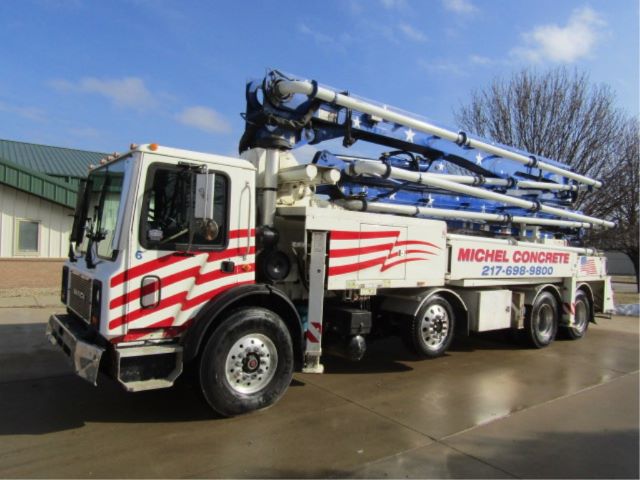
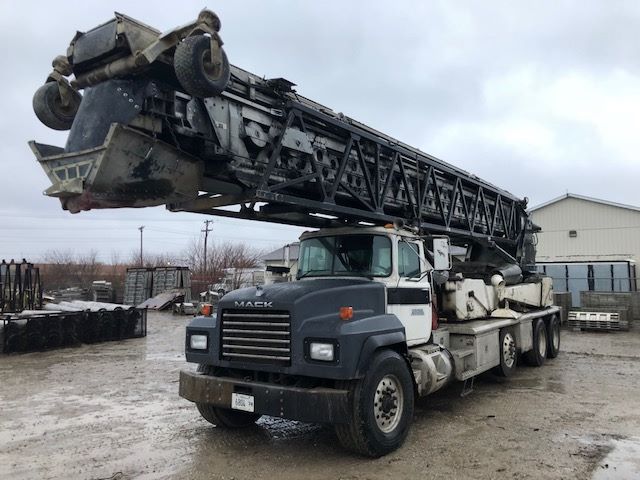
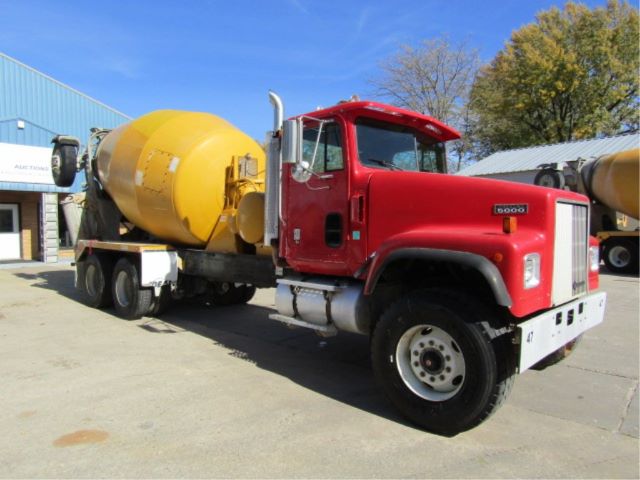
Shop used construction and vocational trucks in Illinois, including mixer, pump, and conveyor truck setups built for concrete and jobsite work.
Selling a used construction/vocational truck? List your used construction/vocational truck for sale and reach thousands of commercial buyers.
Used Construction/Vocational Trucks in Illinois
A vocational truck lives a harder life than a linehaul tractor, so the key evaluation points are different. Low miles can be appealing, but engine hours, idle time, PTO hours, and body wear usually tell the more important story. Concrete mixers and pump trucks in particular put constant stress on frame rails, driveline components, front axle capacity, steering gear, suspension, and brake systems. Buyers should pay close attention to bridge formula compliance, front and rear axle spacing, leaf or beam suspension design, rear ratio, and transmission model, especially on older Mack vocational chassis where drivetrain specs are a major part of long-term serviceability.
In Illinois, application matters because these trucks often work in stop-and-go traffic, tight urban sites, and seasonal weather that can accelerate corrosion. A used vocational truck should be checked closely for frame rust, crossmember condition, mixer barrel or conveyor wear, hydraulic leaks, boom inspection history on pump units, and the condition of outriggers, hopper assemblies, rollers, and controls where applicable. Cab condition also matters more than many buyers expect, since visibility, steering effort, and repeated entry and exit affect operator productivity on local and regional jobsite routes.
The best used construction truck is usually the one with a body and chassis spec that matches your payload, turning radius, and jobsite access requirements without overcomplicating maintenance. Buyers comparing older units often look for proven mechanical engines or straightforward emissions-era specs, manual transmissions, durable camelback or vocational spring suspensions, and readily available parts support. For concrete-related applications, body manufacturer support, drum or boom condition, and documented service history can be just as important as the truck badge on the hood.
Frequently Asked Questions about Used Construction/Vocational Trucks in Illinois
What should I look at first when buying a used construction or vocational truck?
Start with the truck’s actual application and duty cycle, then inspect the chassis and body as one system. On vocational equipment, frame condition, axle ratings, suspension design, PTO setup, hydraulic components, and body wear usually matter more than the odometer alone. Engine hours, maintenance records, and evidence of hard jobsite use often tell more than mileage, especially on mixer, pump, and conveyor trucks.
Are miles less important on a used vocational truck than on a highway truck?
Yes, in many cases they are. Vocational trucks often accumulate lower road miles but much higher idle time, PTO time, and severe-service wear from constant starts, short hauls, heavy loading, and off-pavement use. A truck with modest mileage can still have significant wear in the clutch, suspension, steering, hydraulics, brakes, and body equipment, so buyers should evaluate total operating history rather than mileage alone.
What specs matter most on a concrete mixer or pump truck?
Front axle capacity, rear axle ratings, wheelbase, suspension type, transmission model, PTO compatibility, and overall bridge formula compliance are all critical. On mixer trucks, barrel condition, chute hardware, and hydraulic drive performance are key. On pump trucks, buyers should also verify boom model, boom inspection history, outrigger condition, pump hours, hopper wear, and the structural condition of the subframe and mounting points.
Why does Illinois usage matter when evaluating a used vocational truck?
Illinois operating conditions can be tough on vocational equipment because of freeze-thaw cycles, road salt, urban stop-and-go driving, and heavy construction site exposure. These factors can accelerate corrosion on frames, crossmembers, brake components, wiring, hydraulic lines, and body mounts. A careful inspection for rust, prior repairs, and underbody damage is especially important on trucks that have spent years working locally in the region.
Is an older used vocational truck still a good buy?
It can be, especially when the truck has a simple and proven spec with solid service records. Many buyers prefer older vocational trucks with manual transmissions, durable spring suspensions, and less complex emissions systems because they can be easier to maintain in severe-service applications. The condition of the body equipment, hydraulics, frame, and driveline is usually more important than model year by itself.