
Used Mack Construction/Vocational Trucks For Sale in Illinois
Browse used Mack construction and vocational trucks for demanding Illinois jobs, including Granite, RD, mixer, pump, and conveyor applications.
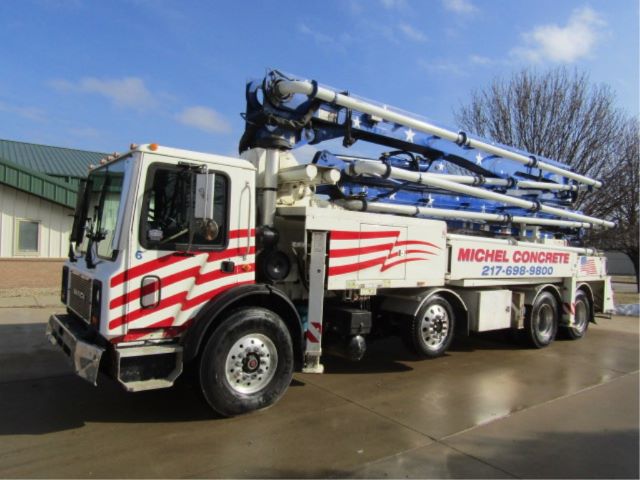
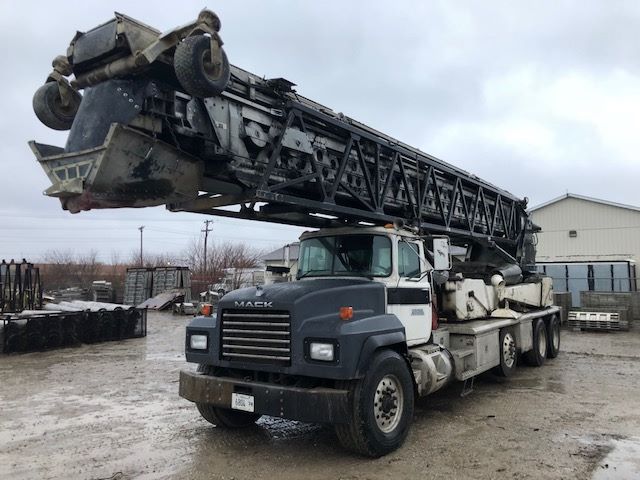
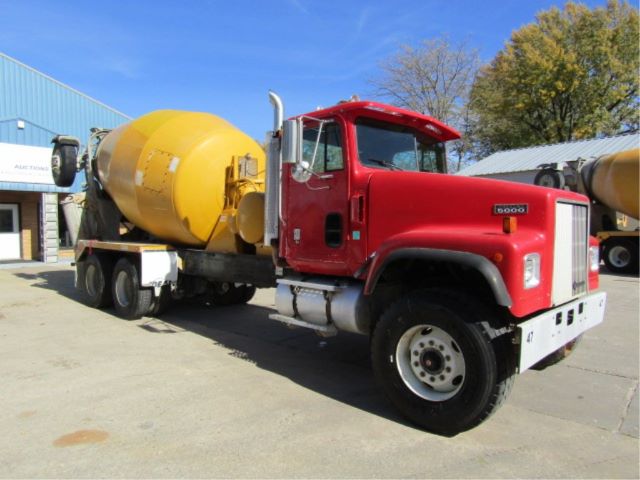
Selling a used mack construction/vocational truck? List your used mack construction/vocational truck for sale and reach thousands of commercial buyers.
Used Mack Construction/Vocational Trucks in Illinois
The first thing to evaluate is the truck's actual job configuration, not just the badge on the hood. A mixer, pump, or conveyor truck can share a Mack vocational foundation, but the frame layout, PTO setup, wheelbase, axle ratings, and transmission choice will be very different from a standard dump application. Buyers should pay close attention to GVWR, front axle capacity, rear suspension type, bridge formula compliance, and gear ratio, especially if the truck will spend time on state routes, urban delivery work, or weight-sensitive paving and concrete jobs. Many older Mack vocational trucks were spec'd with Mack engines and Mack Maxitorque transmissions, which are valued for simple, proven operation in severe-service work. On used units, service history, clutch condition, driveline wear, and evidence of frame or suspension repairs are often more important than mileage alone.
Illinois buyers should also look hard at corrosion, frame condition, and body integrity. Salt exposure can affect cab mounts, crossmembers, hydraulic lines, electrical connections, and steel bodies or subframes. On mixer and pump applications, drum, boom, hopper, outriggers, and hydraulic system condition can drive the real cost of ownership more than the base truck itself. On dump or material handling specs, check hoist operation, tailgate fit, liner wear, pintle or hitch setup, and signs of cracking around suspension hangers or body mounts. Vocational Macks are often kept in service for many years, so a well-maintained older truck can still make sense if the structure is sound and the spec matches the work.
A good used Mack construction truck is one that fits the route, the payload, and the body application without forcing expensive rework. Buyers comparing listings should focus on axle configuration, engine family, transmission type, suspension, wheelbase, and body equipment before comparing paint or interior condition. Mack vocational trucks have a reputation for stout chassis design and strong low-speed jobsite performance, which is why they remain common in concrete, site development, municipal, and heavy material handling fleets.
Frequently Asked Questions about Used Mack Construction/Vocational Trucks in Illinois
What are the most important specs to compare on a used Mack construction or vocational truck?
Start with the truck's application and weight ratings. For a used Mack vocational truck, the key specs are axle configuration, front and rear axle capacities, suspension type, wheelbase, engine model, transmission, gear ratio, and PTO or hydraulic setup. Those details determine how well the truck will handle a dump body, mixer, pump, conveyor, or other vocational equipment. The right spec matters more than model year alone because an incorrectly configured truck can be expensive to repurpose.
Are older Mack vocational trucks still a practical buy for construction work?
Yes, many older Mack construction trucks are still practical if they were maintained correctly and the chassis is structurally sound. Mack vocational models are known for heavy-duty frames, durable suspensions, and drivetrains designed for severe service. Buyers should look beyond mileage and inspect frame rails, crossmembers, suspension mounts, hydraulic systems, electrical condition, and rust exposure. A properly maintained older Mack can still be productive in local haul, concrete, paving, and site work.
Which Mack models are common in construction and vocational applications?
Common Mack vocational models include the Granite, RD series, DM series, and MR series, along with body-specific configurations built for mixers, pumps, dumps, and material delivery. The Granite is one of the most recognized modern Mack vocational platforms, while RD and DM trucks remain common in older heavy-duty fleet applications. Model availability depends on year and body type, so it is important to evaluate the complete truck spec rather than relying only on the series name.
What should Illinois buyers inspect on a used Mack vocational truck?
Illinois buyers should pay close attention to corrosion and seasonal wear. Road salt can accelerate rust on frames, cab mounts, brake and hydraulic lines, crossmembers, electrical connections, and body supports. On mixer or pump trucks, inspect the drum or boom system, outriggers, hopper, and hydraulic components for leaks, cracks, or excessive wear. On dump and conveyor applications, check hoists, body floors, tailgates, liners, and mounting points. Local climate exposure often affects long-term durability as much as mileage or engine hours.
Why are Mack transmissions and drivetrain specs important on vocational trucks?
Vocational work puts more stress on the drivetrain than typical highway service because the truck operates at low speeds, under heavy load, and on uneven ground. Mack transmissions, including older Maxitorque units, are common in severe-service applications because they are built for durability and controlled power delivery. The transmission, rear axle ratio, and suspension package all affect launch performance, gradeability, and jobsite maneuverability. Matching those specs to the intended workload is essential for productivity and operating cost.